

Home Glute Workout: Build Stronger Glutes Without Equipment
A strong, round, and toned glute is more than just a trend—it’s the foundation of a healthier and more balanced body. If you’re looking to build your glutes but don’t have access to a gym, you’re not alone. Many people want bigger, firmer, or stronger glutes but feel limited by their home environment. The good news? You don’t need fancy machines or heavy weights to get real results. With the right approach, you can design a powerful home glute workout that fits your space, time, and fitness level.
This guide will walk you through the essentials of glute training at home. You’ll learn about effective exercises, how to structure your workout, ways to progress, and how to avoid common mistakes. Plus, you’ll find sample routines, practical tips, and answers to the most frequent questions about glute training at home.
Why Focus On Glute Training?
The glutes are the largest and most powerful muscles in your body. They’re responsible for movements like standing up, walking, running, jumping, and climbing stairs. Strong glutes help with:
- Better posture and a healthier lower back
- Improved athletic performance (speed, jumping, balance)
- Injury prevention (especially for knees and hips)
- Everyday strength (lifting, carrying, standing for long periods)
Many people, especially those who sit a lot, develop weak glutes. This can lead to back pain, poor movement, and muscle imbalances. Training your glutes at home can reverse these problems and give you a more balanced, functional body.
Key Muscles In The Glutes
Before you start, it’s helpful to know the three main muscles that make up the glutes:
- Gluteus maximus: The largest part, gives your butt its shape and power.
- Gluteus medius: On the side of your hip, important for stability and side movements.
- Gluteus minimus: Deepest and smallest, helps with hip rotation and balance.
A good home workout will target all three muscles for complete development.
Credit: www.etsy.com
How Home Glute Workouts Work
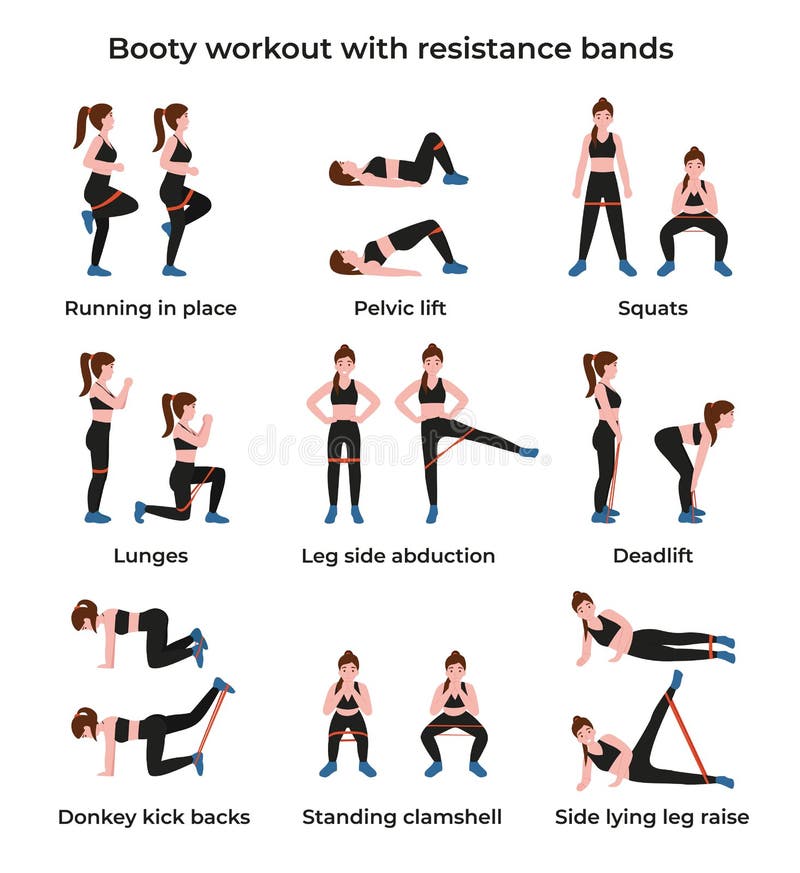
Home workouts use bodyweight, resistance bands, or light weights. You can train your glutes with:
- Simple equipment (bands, dumbbells, a backpack with books)
- Only your bodyweight (with advanced variations)
- Everyday items (chair, couch, steps)
Key principles for glute training:
- Muscle activation: Wake up your glutes at the start of your workout.
- Progressive overload: Make exercises harder over time.
- Range of motion: Use the full movement for each exercise.
- Volume and frequency: Enough sets and reps each week.
Essential Glute Exercises For Home
Let’s break down the best exercises you can do at home for strong, round glutes. You don’t need to do all of them in one session. Choose 5-7 per workout and change them every few weeks.
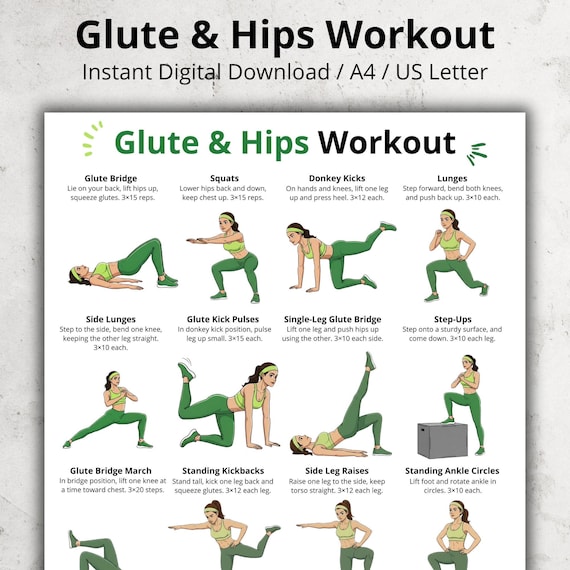
1. Glute Bridge
Lie on your back, feet flat on the floor, knees bent. Push through your heels, lift your hips, and squeeze your glutes at the top. Lower slowly.
Tip: Place a resistance band above your knees to make it harder.
2. Hip Thrust (using A Couch Or Chair)
Sit with your upper back on a couch or sturdy chair. Feet flat, knees bent. Drop your hips, then drive up, squeezing your glutes hard.
Tip: Pause for 2 seconds at the top for extra burn.
3. Bulgarian Split Squat
Stand facing away from a chair, place one foot on it behind you. Lower your back knee toward the floor, keeping your chest up. Push up through your front heel.
Tip: Lean forward slightly to feel your glutes more.
4. Step-up
Stand in front of a step or sturdy chair. Step up with one foot, push through your heel, bring the other leg up, then step back down.
Tip: Go slow on the way down for better results.
5. Single-leg Glute Bridge
Like the regular glute bridge, but with one leg straight in the air. Push through the heel of your bent leg.
Tip: Keep your hips level throughout.
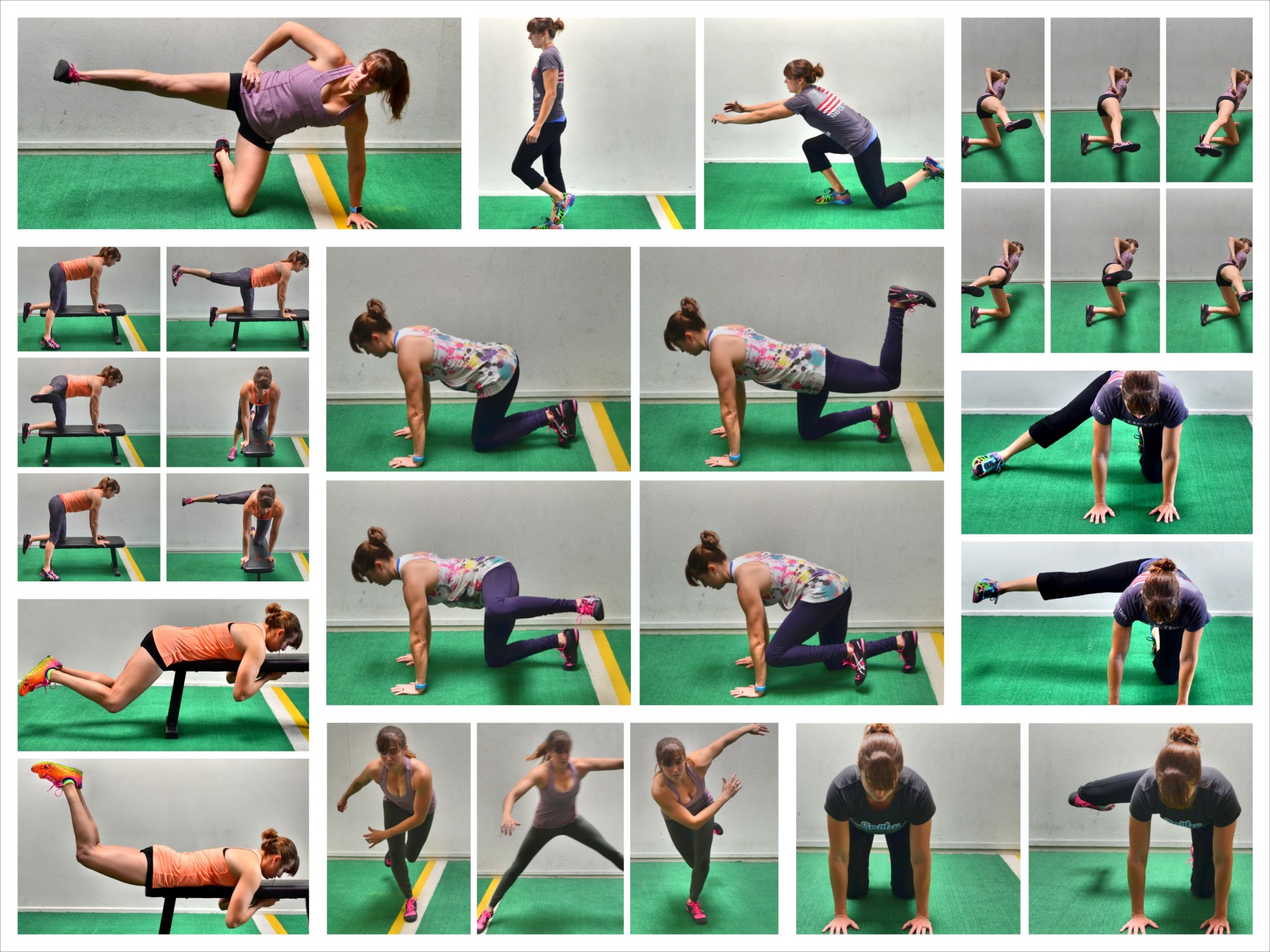
6. Donkey Kick
Start on all fours. Lift one leg up and back, keeping your knee bent. Squeeze your glutes at the top.
Tip: Add a mini-band for more resistance.
7. Fire Hydrant
On all fours, lift one knee out to the side, like a dog at a fire hydrant. Keep your core tight.
Tip: Move slowly, don’t swing your leg.
8. Squat (bodyweight Or Goblet)
Stand with feet shoulder-width apart. Lower down, push your hips back, then stand up through your heels.
Tip: Hold a dumbbell or backpack for more challenge.
9. Curtsy Lunge
Step one leg behind and across your body, bend both knees, then return to start. Alternate legs.
Tip: Keep your chest up.
10. Frog Pump
Lie on your back, soles of feet together, knees out to sides. Bridge up, squeeze glutes at the top.
Tip: Do high reps for a deep burn.
Here’s how some of these exercises compare in terms of muscle activation and difficulty:
| Exercise | Glute Activation | Difficulty Level |
|---|---|---|
| Glute Bridge | High | Beginner |
| Hip Thrust | Very High | Intermediate |
| Bulgarian Split Squat | High | Advanced |
| Donkey Kick | Medium | Beginner |
| Curtsy Lunge | Medium | Intermediate |
Credit: redefiningstrength.com
Structuring Your Home Glute Workout
A good routine is simple, balanced, and fits your schedule. You should train your glutes 2-3 times per week, with at least one rest day in between.
Sample Glute Workout Structure
- Warm-Up (5-8 minutes)
- Glute activation drills (e.g., clamshells, bodyweight bridges)
- Light cardio (marching, high knees)
- Main Workout (30-40 minutes)
- 5-7 exercises, 3-4 sets each
- 10-20 reps per set
- Finisher (optional, 5 minutes)
- High-rep glute exercise or short circuit
- Cool-Down and Stretch (5 minutes)
- Static stretching for glutes, hips, and legs
Example: 2-day Home Glute Workout Plan
Day 1: Strength Focus
- Glute Bridge: 4x15
- Bulgarian Split Squat: 3x12 each side
- Step-Up: 3x15 each side
- Donkey Kick: 3x20 each side
- Fire Hydrant: 3x20 each side
Day 2: Shape & Burn
- Hip Thrust: 4x15
- Curtsy Lunge: 3x15 each side
- Single-Leg Glute Bridge: 3x12 each side
- Squat (Goblet or Bodyweight): 3x20
- Frog Pump: 3x25
Switch up exercises every 4-6 weeks to keep making progress.
Progression: How To Keep Challenging Your Glutes
Your body adapts quickly. To build muscle and strength, you need to make your workouts harder over time. This is called progressive overload.
Ways to progress at home:
- Add reps or sets (e.g., do 15 reps instead of 12)
- Slow down the movement (increase time under tension)
- Add resistance (bands, dumbbells, backpack with books)
- Try harder variations (single-leg, pause at the top)
- Shorten rest between sets
Here’s a comparison of progression methods for home glute training:
| Progression Method | How to Apply | Benefit |
|---|---|---|
| Add Resistance | Use bands or weights | Builds muscle faster |
| Increase Reps/Sets | More volume each week | Builds endurance and size |
| Advanced Variations | Single-leg, pause, slow reps | Challenges all glute fibers |
Non-obvious tip: Don’t rush to add too much resistance. Master form and feel your glutes working before making moves harder.
Common Mistakes In Home Glute Workouts
Many people work hard but don’t see results because of simple mistakes. Watch out for these:
- Not activating glutes first: If you start “cold,” your glutes may not fire well. Always do a quick activation warm-up.
- Too much quad or hamstring work: If you feel your thighs more than your butt, adjust your form or switch exercises.
- Poor range of motion: Only going halfway means fewer results.
- Not squeezing at the top: The hardest part is the top of each movement—hold and squeeze for best effect.
- Same routine for months: Change exercises, reps, and rest times every few weeks.
Insider tip: Use a mirror or film your form sometimes. Small changes to foot position, torso angle, or knee tracking can make a huge difference.
Using Minimal Equipment At Home
You don’t need a home gym. Simple tools make a big difference:
- Mini resistance bands: Cheap, light, great for bridges, kicks, side steps.
- A sturdy chair or couch: Perfect for hip thrusts and step-ups.
- Backpack with books: Acts as a weight for squats, bridges, and lunges.
- Yoga mat or towel: For comfort on the floor.
If you want to upgrade, a pair of adjustable dumbbells and a set of bands are enough for years of progress.
Glute Activation: Waking Up The Muscles
If you sit a lot during the day, your glutes can “turn off. ” Before the main workout, do 3-5 minutes of glute activation. This helps your brain connect to your muscles, so they work better.
Good activation drills:
- Clamshells (with or without band)
- Banded side steps
- Bodyweight bridges
- Glute squeezes (lying or standing)
Do each for 10-20 reps, focusing on feeling the glutes, not the thighs.
How Long Does It Take To See Results?
Everyone is different, but most people feel their glutes working after the first few sessions. Visible changes take longer.
- First 2–3 weeks: Better muscle connection, glutes feel firmer.
- 4–8 weeks: Clothes fit better, more lift and shape.
- 3+ months: Noticeable size and strength gains.
Consistency is key. Don’t skip sessions, and keep challenging yourself. Take photos every few weeks to track progress.
Advanced tip: For faster results, pair your training with a good diet—enough protein and healthy carbs. Rest is also vital for muscle growth.
Glute Training For Different Goals
Different people want different things from glute workouts: more size, more lift, less fat, or better performance. Your workout should match your goal.
For Building Size
- Use heavier resistance (bands, dumbbells, backpack)
- Do lower reps (8-12) with harder exercises
- Focus on hip thrusts, bridges, and squats
For Shaping & Lifting
- Higher reps (15-25)
- More variety (side steps, curtsy lunges, frog pumps)
- Focus on muscle burn and squeeze
For Fat Loss
- Add circuits or supersets (do 2-3 exercises in a row)
- Shorten rest periods
- Combine glute moves with cardio (jump squats, step-ups)
Important: You can’t “spot reduce” fat from your glutes, but building muscle will make your butt look rounder as you lose overall fat.
Sample Home Glute Workouts (beginner, Intermediate, Advanced)
Here are three routines. Pick the one that matches your level, or use them as a progression plan.
Beginner Home Glute Workout
- Bodyweight Glute Bridge: 3x15
- Donkey Kick: 3x15 each side
- Fire Hydrant: 3x15 each side
- Step-Up (low step): 3x10 each side
- Frog Pump: 2x20
Rest 60 seconds between sets.
Intermediate Home Glute Workout
- Hip Thrust (with band): 4x12
- Bulgarian Split Squat: 3x12 each side
- Single-Leg Glute Bridge: 3x10 each side
- Curtsy Lunge: 3x12 each side
- Banded Side Step: 3x15
Rest 45 seconds between sets.
Advanced Home Glute Workout
- Weighted Hip Thrust (dumbbell/backpack): 4x10
- Bulgarian Split Squat (with weight): 4x10 each side
- Single-Leg Romanian Deadlift (with weight): 3x10 each side
- Plyo Step-Up (explosive): 3x12 each side
- Banded Frog Pump: 3x25
Rest 30-45 seconds between sets.
Non-obvious insight: You can make any workout harder by pausing at the top of each rep or adding a slow count on the way down.
Credit: www.dreamstime.com
Stretching And Recovery For Glute Growth
Don’t forget to stretch after your workout. This helps with recovery, flexibility, and muscle growth.
Best stretches for glutes:
- Seated Figure-Four Stretch
- Pigeon Pose (from yoga)
- Standing Glute Stretch
Hold each stretch for 20-30 seconds. Foam rolling your glutes and hips is also helpful.
Recovery tip: Sore glutes after a workout are normal, but not necessary for progress. Focus on good form, not just “feeling the burn.”
Nutrition Tips For Building Glutes
Your diet matters as much as your workout. For glute growth:
- Eat enough protein: Aim for 0.7-1g per pound of bodyweight daily.
- Include healthy carbs: Oats, rice, potatoes, fruits.
- Don’t avoid healthy fats: Avocado, nuts, olive oil.
- Drink plenty of water.
If you want more shape, you may need a slight calorie surplus. For fat loss, a small calorie deficit works best. Track your meals for a few weeks to spot patterns.
External link: For more on nutrition and muscle building, visit Healthline.
Tracking Your Home Glute Progress
Progress isn’t just about what you see in the mirror. Use these methods:
- Take progress photos every 2–4 weeks
- Measure your hips and thighs with a tape measure
- Track how many reps/sets you can do
- Notice how your clothes fit
You might not see big changes week to week, but look back over months—you’ll be surprised.
Home Glute Workout Myths
Let’s clear up some common myths:
- Myth 1: You can’t build glutes without heavy weights.
*Fact*: Bodyweight and bands can build muscle if you push hard enough.
- Myth 2: Squats are all you need for glutes.
*Fact*: Hip thrusts, bridges, and single-leg moves target glutes better.
- Myth 3: You must feel sore to grow.
*Fact*: Soreness isn’t the same as progress. Focus on strength and form.
- Myth 4: Cardio will shrink your glutes.
*Fact*: Too much cardio can, but moderate cardio with strength training is fine.
- Myth 5: Training glutes every day is best.
*Fact*: Muscles need time to recover and grow. 2–3 times per week is enough.
Making Glute Training A Habit At Home
Getting results from home workouts is about consistency. Here’s how to stick with it:
- Schedule glute days in your calendar.
- Prepare your workout space ahead of time.
- Track your sessions in a notebook or app.
- Find a workout buddy or online group for support.
- Set small goals and celebrate when you reach them.
Bonus tip: On busy days, even a 10-minute glute session is better than nothing.
Troubleshooting: If You’re Not Feeling Your Glutes
Many people struggle to “feel” their glutes working. If that’s you:
- Slow down each rep and focus on the squeeze.
- Try more activation drills in your warm-up.
- Adjust your foot and knee position during exercises.
- Reduce weight and perfect your form.
- Take a video or use a mirror to check your technique.
Sometimes, sitting too much leads to “sleepy glutes. ” The more you practice activating them, the more they’ll respond.
Frequently Asked Questions
How Many Times A Week Should I Do A Home Glute Workout?
For most people, 2–3 times a week is ideal. This allows enough time for recovery and growth. If you’re a beginner, start with 2 times a week and add a third session as you get stronger.
Do I Need Equipment For An Effective Home Glute Workout?
No. You can build strong glutes with bodyweight exercises alone. However, adding resistance bands, dumbbells, or a loaded backpack will help you progress faster and make workouts more challenging.
How Long Does A Typical Home Glute Workout Take?
A good glute session takes 30–45 minutes, including warm-up and stretching. If you’re short on time, a focused 15–20 minute session with high effort can also give results, especially if done regularly.
Why Don’t I Feel My Glutes During Some Exercises?
This often happens because other muscles (like quads or hamstrings) take over. Try more activation drills before your main workout, slow down your reps, and make sure you’re using the right form. Filming yourself or using a mirror can help spot mistakes.
Can I Lose Fat From My Glutes With These Workouts?
You can’t spot-reduce fat from one area, but glute workouts help you build muscle and shape. As you lose overall body fat with good nutrition and full-body exercise, your glutes will look firmer and more lifted.
Building strong glutes at home is not only possible, it’s practical and rewarding. Whether you want to lift, shape, or strengthen your glutes, you have all the tools you need right at your fingertips. Stay consistent, challenge yourself, and remember—real results come from patience and effort.
Your best glutes are waiting!
