

Glute Workout With Barbell: Build Stronger, Rounder Glutes Fast
Glute Workout With Barbell
Strong glutes do more than shape your body—they power your movement, boost athletic performance, and protect your lower back. Many people focus on machines or bodyweight, but the barbell remains the gold standard for glute training. With just a barbell and some plates, you can build muscle, burn fat, and see real progress.
You don’t need a gym full of fancy machines—just the right approach, good form, and consistency.
This guide shows how to unlock your glute potential using barbell exercises. Whether you want to build curves, get stronger, or improve sports performance, the barbell gives you the control and flexibility you need. You’ll find practical tips, clear instructions, and even expert advice on mistakes to avoid.
Let’s get started and help you train your glutes the smart way.
Why Focus On Glute Training With A Barbell?
Many people overlook the importance of barbell glute workouts. But there are strong reasons to make them a key part of your routine.
Maximum Muscle Activation
Barbells let you use heavier weights than dumbbells or bodyweight. This means your glute muscles work harder. When you lift heavy, your muscles grow and get stronger over time—a process called progressive overload.
Functional Strength
Your glutes play a big role in everyday movements like standing, walking, and climbing stairs. Barbell exercises train your glutes in natural movement patterns. This helps you not only look better, but move better, too.
Better Balance And Stability
Barbell movements often require you to stabilize your core and other muscles. This boosts your overall balance and athletic ability.
Customizable Workouts
With a barbell, you can quickly change the weight to match your goals—whether you want endurance, size, or power.
Proven Results
Research shows barbell exercises like hip thrusts and squats activate more muscle fibers in the glutes compared to most machine exercises. If you want to see real changes, the barbell is your best friend.
Key Barbell Glute Exercises
Let’s look at the most effective barbell movements for glute growth and strength. You don’t need to do all of these at once. Pick 3-4 main lifts and focus on perfecting your form.
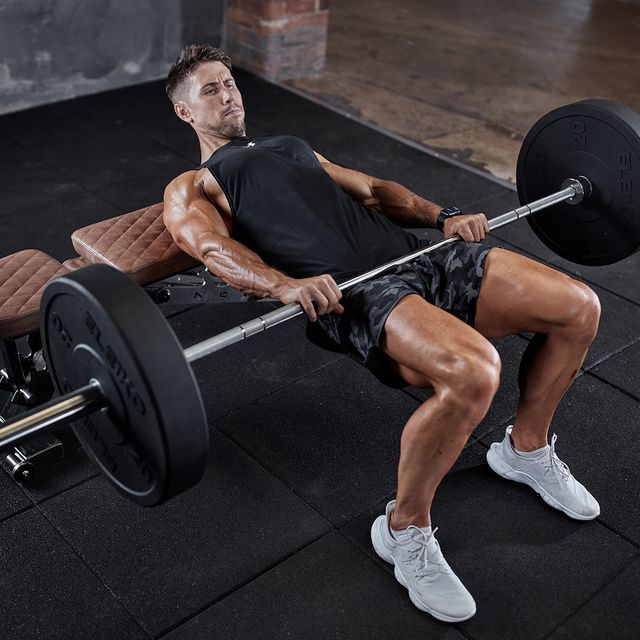
1. Barbell Hip Thrust
This is the king of glute exercises. It isolates the glutes and lets you lift heavy.
- Sit on the ground with your upper back against a bench.
- Roll the barbell over your hips. Use a pad for comfort.
- Bend your knees and plant your feet flat, hip-width apart.
- Push through your heels and lift your hips until your thighs are in line with your body.
- Squeeze your glutes hard at the top.
- Lower with control.
Pro Tip: Keep your chin tucked and ribs down. Avoid arching your lower back.
2. Barbell Glute Bridge
Similar to the hip thrust but with your upper back on the floor.
- Lie flat, knees bent, feet on the ground.
- Rest the barbell over your hips.
- Drive through your heels to lift your hips.
- Squeeze at the top, then lower.
Insight: Glute bridges work well for beginners or as an accessory lift. They are easier to set up than hip thrusts.
3. Barbell Back Squat
Squats train your whole lower body, but the glutes work especially hard if you use the right form.
- Place the bar on your upper back (not your neck).
- Stand with your feet shoulder-width apart.
- Lower your body by bending your knees and hips—imagine sitting down.
- Go as deep as your mobility allows—at least until your thighs are parallel to the ground.
- Push through your heels to stand.
Pro Tip: Turn your toes out slightly and push your knees out to better target your glutes.
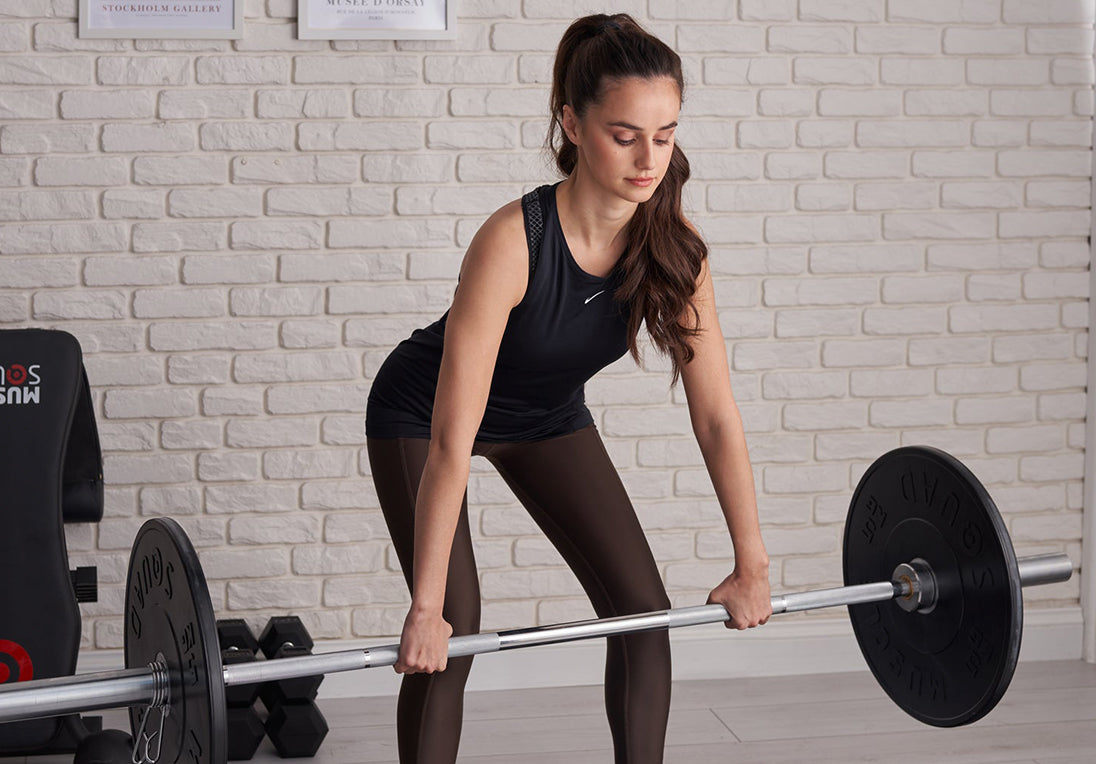
4. Barbell Romanian Deadlift (rdl)
This move targets the glutes and hamstrings.
- Hold the barbell at hip level, hands shoulder-width apart.
- Stand tall, feet hip-width apart.
- Hinge at your hips (not your waist), pushing your butt back.
- Keep your back flat and knees soft.
- Lower the bar close to your legs until you feel a stretch in your hamstrings.
- Drive your hips forward to stand up.
Common Mistake: Rounding your back. Always keep your spine neutral.
5. Barbell Sumo Deadlift
A wider stance deadlift with more glute activation.
- Stand with feet wider than shoulders, toes out.
- Grip the bar inside your knees.
- Keep your chest up and back straight.
- Push through your heels and stand up, squeezing your glutes at the top.
Insight: Sumo deadlifts are easier on the lower back and perfect for people with longer legs.
6. Barbell Curtsy Lunge
This single-leg move hits the glute medius for rounder hips.
- Hold the barbell on your upper back.
- Step one leg behind and across your body, bending both knees.
- Lower your body until your front thigh is parallel to the floor.
- Push back up to start.
Pro Tip: Start light. Balance can be tricky with this movement.
7. Barbell Good Morning
A lesser-known lift that strengthens the glutes and lower back.
- Rest the barbell on your upper back.
- Stand with feet hip-width apart.
- With a slight knee bend, hinge at your hips, keeping your back flat.
- Lower your torso until almost parallel to the floor.
- Drive your hips forward to return.
Warning: Use light weight until you master the form.
8. Barbell Split Squat
A great way to isolate each glute.
- Rest the barbell on your back.
- Place one foot forward, the other behind (like a lunge).
- Lower your back knee toward the floor.
- Push through your front heel to rise.
Insight: You can also elevate your back foot on a bench for more challenge (Bulgarian split squat).
9. Barbell Step-up
Simple but effective for building glutes and stability.
- Hold the barbell on your back.
- Step up onto a sturdy bench or box with one foot.
- Drive through your heel and lift your body up.
- Step down and switch legs.
Common Mistake: Using a box that’s too high. Your knee should not go past your toes.

Credit: www.youtube.com
How To Structure Your Barbell Glute Workout
A good workout has a clear plan. Here’s how you can build an effective barbell glute session:
- Warm Up (10 minutes): Start with dynamic stretches and bodyweight glute bridges or lunges. This increases blood flow and reduces injury risk.
- Choose 3-4 Main Lifts: Pick from the exercises above. For example: hip thrust, back squat, RDL, and curtsy lunge.
- Sets and Reps: For muscle growth, aim for 3-4 sets of 8-12 reps per exercise. If you want more strength, use heavier weight and 4-6 reps.
- Rest: Rest 1-2 minutes between sets. This helps you lift heavier and keep good form.
- Cool Down: Stretch your glutes, hamstrings, and lower back.
Sample Weekly Barbell Glute Routine
Here’s an example plan using the exercises above:
| Day | Main Lifts | Accessory Work |
|---|---|---|
| Monday | Hip Thrust, Back Squat | Step-Up |
| Wednesday | Sumo Deadlift, RDL | Curtsy Lunge |
| Friday | Split Squat, Good Morning | Glute Bridge |
You can train glutes 2-3 times per week. Always allow at least one day of rest between heavy sessions.
How To Progress: Increasing Weight And Challenge
Muscle growth happens when you push your body a bit harder over time—a process called progressive overload. Here’s how to do it safely with barbell glute workouts:
Add More Weight
Once you can complete all your sets and reps with good form, add 5-10 lbs to the bar.
Increase Reps Or Sets
If you’re not ready to add weight, try doing more reps (e. g. , 12 instead of 10) or an extra set.
Slow Down The Tempo
Lower the weight slowly (3-4 seconds down), pause at the bottom, then lift explosively. This increases muscle tension.
Try Advanced Variations
For example, single-leg hip thrusts or deficit reverse lunges.
Track Your Progress
Write down your weights, reps, and sets each session. This helps you see improvement and adjust your plan.
Non-obvious tip: If your grip or back gets tired before your glutes, use lifting straps or a belt for support. This helps you focus on the right muscle.
Credit: www.menshealth.com
Common Form Mistakes And How To Avoid Them
Proper form is key for results and injury prevention. Here are mistakes many people make with barbell glute exercises:
Rounding The Lower Back
This puts stress on your spine. Always keep your chest up and core tight.
Using Too Much Weight
If you can’t control the movement, you’re probably using too much. Quality beats quantity.
Not Using Full Range Of Motion
Partial reps cheat your muscles. Go deep in squats, lock out fully in hip thrusts, and stretch in RDLs.
Letting Knees Cave In
Push your knees out during squats and lunges to protect your joints and hit your glutes harder.
Ignoring The Mind-muscle Connection
Think about your glutes working. This simple focus boosts muscle activation.
Expert insight: Film yourself from the side and back. Check your form and adjust as needed.
Barbell Vs. Other Glute Training Methods
People often ask if barbells are better than dumbbells, machines, or bands. Here’s how they compare:
| Training Tool | Pros | Cons |
|---|---|---|
| Barbell | Heavy loads, progress, versatile | Needs space, requires technique |
| Dumbbell | Easy to use, good for beginners | Limited by grip, less load |
| Machine | Safe, isolates muscles | Less functional, fixed path |
| Resistance Band | Portable, joint-friendly | Hard to measure progress, limited tension |
Barbells are best for building size and strength, but you can combine them with other tools for variety and to avoid plateaus.
Tips For Getting The Most Out Of Your Barbell Glute Workout
Small changes can bring big results. Here’s how to maximize your glute training:
Use A Barbell Pad
A thick pad or even a rolled towel can make hip thrusts and glute bridges more comfortable.
Foot Placement Matters
For hip thrusts and squats, experiment with different stances. Wider stances often hit the glutes harder.
Pause And Squeeze
Hold the top of each rep for 1-2 seconds. This increases muscle tension.
Don’t Rush Warm-ups
A proper warm-up makes your glutes “fire” better and prevents injury.
Focus On Recovery
Muscles grow during rest, not just training. Get enough sleep and eat enough protein.
Non-obvious insight: Try barefoot or flat shoes for hip thrusts and RDLs. Raised heels (like in running shoes) can shift work away from the glutes.
How To Combine Barbell Glute Workouts With Other Training
You don’t have to quit your favorite cardio or sport. Here’s how to fit barbell glute work into your week:
- If you run or cycle, do glute workouts on separate days or after your main sport to avoid fatigue.
- For busy people, do one full-body barbell session and add 1-2 extra glute movements at the end.
- If you want to shape your whole lower body, mix barbell glute moves with quad and hamstring exercises.
Who Should Do Barbell Glute Workouts?
Almost everyone can benefit, but especially:
- Athletes: Jump higher, run faster, cut quicker.
- Desk Workers: Prevent low back pain and weak glutes.
- Older Adults: Maintain muscle and prevent falls.
- People Looking to Shape Their Body: Build rounder, firmer glutes.
Note: If you have back or hip injuries, check with a physical therapist before starting.
Equipment You Need For Barbell Glute Training
You don’t need a full gym. Here’s what helps:
- Barbell (standard or Olympic size)
- Weight Plates for adjustable resistance
- Barbell Pad for hip comfort
- Bench or Step for hip thrusts and step-ups
- Squat Rack for safety in squats (optional, but recommended)
Some gyms have dedicated hip thrust machines, but a barbell and bench work just as well.
How To Warm Up And Cool Down For Barbell Glute Workouts
Skipping warm-ups is a common mistake. Here’s a simple routine:
Warm-up (10 Minutes)
- Glute bridges: 2 sets of 15 reps
- Bodyweight squats: 2 sets of 12 reps
- Walking lunges: 1 set each leg
- Dynamic stretches (leg swings, hip circles)
Cool Down (5 Minutes)
- Seated glute stretch: 30 seconds each side
- Hamstring stretch: 30 seconds each side
- Light foam rolling on glutes and hips
This keeps your muscles healthy and reduces soreness.
Nutrition Tips For Glute Growth
You need the right fuel to grow muscle. Here’s what matters most:
Protein
Aim for about 0. 7-1 gram per pound of body weight each day. Eggs, fish, chicken, Greek yogurt, and beans are good sources.
Carbs
Carbs give you energy to lift heavy. Include whole grains, rice, oats, fruits, and veggies in your meals.
Healthy Fats
Don’t fear fat—your body needs it for hormones and recovery. Focus on nuts, olive oil, avocado, and fatty fish.
Hydration
Muscles work best when you’re hydrated. Aim for at least 2 liters (about half a gallon) of water daily.
Pro tip: Eat a snack with protein and carbs (like yogurt and fruit) about 1 hour before training.
How Long Does It Take To See Results?
You may notice small changes within 4-6 weeks, like better muscle tone or improved strength. Visible muscle growth and rounder glutes usually take 8-12 weeks with consistent training and good nutrition.
Everyone progresses at a different pace. Genetics, age, and lifestyle all play a role. Stay patient and celebrate small wins along the way.
Safety Tips: Avoiding Injuries
Barbell training is safe if you use good form and listen to your body.
- Start with light weights to learn the movement.
- Don’t ignore pain. Sharp pain is a warning—stop and check your technique.
- Use a spotter for heavy squats or hip thrusts.
- Keep your workout area clear to avoid tripping.
- Warm up before every session.
Important: If you feel back pain, adjust your form or reduce the weight. Glute exercises should target your butt, not your lower back.
Tracking Progress: How To Know If Your Glutes Are Growing
Many people wonder if their workouts are working. Here’s how to check:
- Take Progress Photos every 4 weeks. Lighting and posture should be the same each time.
- Measure Your Hips at the widest point.
- Track Your Strength (how much weight you lift).
- Notice Your Clothes Fit: Jeans or skirts may feel different as your glutes grow.
Don’t just use the scale—it can’t measure muscle shape or strength.
Real-world Example: Glute Transformation Story
Anna, a 28-year-old office worker, started barbell glute training with just the bar and small plates. She focused on hip thrusts, RDLs, and squats twice a week. After 3 months, she added 30 lbs to her hip thrust and noticed her jeans fit better.
She also reported less back pain and more energy during hikes. Anna’s key to success? Consistency, tracking her weights, and focusing on form over heavy loads.
When To Change Your Routine
Doing the same workout for months can slow progress. Here’s when to switch things up:
- When You Stop Progressing: If you can’t add weight or reps, try new exercises or rep ranges.
- When Boredom Hits: Add variety with new movements or tempos.
- After a Training Block: Every 8-12 weeks, change your routine to keep challenging your muscles.
Expert Advice: What Beginners Often Miss
- Glute Activation Before Lifting: Many people’s glutes are “sleepy” from sitting all day. Use warm-up moves like banded lateral walks to “wake up” your glutes before heavy lifts.
- Don’t Neglect the Upper Glute: Exercises like curtsy lunges and abductions build the upper part of your glutes, creating a rounder look.
- Nutrition Is Half the Battle: Lifting alone won’t grow your glutes if you’re not eating enough.
Credit: musclesquad.com
Popular Myths About Barbell Glute Workouts
Let’s clear up some confusion:
- Myth: “Squats alone will build perfect glutes.”
*Truth:* Squats are good, but adding hip thrusts and RDLs targets the glutes better.
- Myth: “Women will get too bulky.”
*Truth:* Building muscle is slow and controlled. You’ll get curves, not bulk.
- Myth: “You need lots of equipment.”
*Truth:* A barbell, some plates, and a bench are enough for amazing results.
Sample Progression Table: Hip Thrust
Here’s how a beginner might progress over 8 weeks:
| Week | Weight Used | Reps | Sets |
|---|---|---|---|
| 1 | 45 lbs (bar only) | 10 | 3 |
| 2 | 55 lbs | 10 | 3 |
| 3 | 65 lbs | 10 | 3 |
| 4 | 75 lbs | 12 | 3 |
| 5 | 85 lbs | 12 | 4 |
| 6 | 95 lbs | 12 | 4 |
| 7 | 105 lbs | 12 | 4 |
| 8 | 115 lbs | 12 | 4 |
Adjust weight and reps based on your own progress and comfort.
Frequently Asked Questions
How Often Should I Train Glutes With A Barbell?
Training 2-3 times per week works best for most people. Leave at least one day of rest between sessions to allow your muscles to recover and grow.
What Is The Best Barbell Exercise For Glutes?
The barbell hip thrust is often considered the most effective for isolating and growing the glutes. It allows heavy loading and full glute contraction at the top of the movement.
Can Beginners Do Barbell Glute Workouts?
Yes, but start with lighter weights and focus on form. It’s smart to learn each exercise with just the barbell before adding plates. If possible, ask a coach or use mirrors to check your technique.
Is It Necessary To Use A Barbell Pad?
A barbell pad or thick towel can make hip thrusts and glute bridges much more comfortable. It’s not required, but most people prefer using one, especially as the weight increases.
Where Can I Learn More About Glute Training?
For more in-depth information, check out this Wikipedia article on the gluteus maximus and other reputable fitness sites.
Building strong, round glutes with a barbell is within your reach. Follow the guidance above, stay patient, and enjoy the process. With consistency and smart training, the results will show—in your strength, your shape, and your confidence.
