

Glute And Core Workout: Build Strength and Sculpt Your Body
Glute And Core Workout
Building a strong body is not just about looking good. It’s about feeling powerful, moving with confidence, and staying healthy as you age. Two areas often overlooked are the glutes and the core. These muscles help you stand tall, lift heavy, and protect your back. Whether you want to improve your posture, run faster, or simply feel better every day, focusing on your glute and core workout is a smart choice. You don’t need fancy equipment or a gym membership—just a plan and a little motivation.
Many people think abs are only about crunches, or glutes are only about squats. But real strength comes from working both together. When your glutes and core are strong, your whole body works better. You avoid injuries, boost your athletic performance, and enjoy daily activities with less pain and more energy.
This article will explain why these muscles matter, how to train them, and give you practical routines that fit any lifestyle.
Why Glutes And Core Matter
Your glutes are the largest muscles in your body. They help you walk, run, jump, and climb stairs. The core includes your abs, lower back, hips, and deeper muscles around your spine. Together, these areas are your body’s powerhouse.
Glutes: More Than Just Looks
Strong glutes do more than shape your body. They:
- Support your lower back: Weak glutes can cause back pain and poor posture.
- Improve athletic performance: Powerful glutes help you sprint, jump, and lift.
- Protect knees and hips: Good glute strength keeps joints stable and reduces injuries.
Many beginners focus on the visible part—the buttocks. But the glute muscles include three parts: gluteus maximus, gluteus medius, and gluteus minimus. Each plays a unique role in movement and stability.
Core: The Body’s Center
People often think the core is just the abs. But it includes much more:
- Abs (rectus abdominis)
- Obliques (side muscles)
- Transverse abdominis (deep abs)
- Lower back muscles
- Hip muscles
The core stabilizes your body. It helps you twist, bend, lift, and balance. A weak core makes you more likely to get injured, especially during sports or heavy lifting.
Why Train Them Together?
Training glutes and core at the same time gives better results. Movements like squats, lunges, and planks target both areas. This balanced approach helps you:
- Move efficiently
- Avoid muscle imbalances
- Support your spine and joints
People often miss this connection. They train one area and ignore the other, leading to poor results and possible injuries.
Common Mistakes In Glute And Core Training
Many beginners, and even some advanced athletes, make mistakes that slow progress or cause injuries. Here are key mistakes to avoid:
1. Only Doing Isolation Exercises
Some people do endless crunches or squats. Isolation exercises target one muscle, but compound moves (like deadlifts or bridges) build real strength. Mix both for best results.
2. Poor Form
Bad technique, such as arching the back or letting knees fall inward, can harm your body. Always focus on quality over quantity.
3. Ignoring Mobility And Flexibility
Tight hips or lower back can limit your glute and core activation. Spend time stretching and warming up.
4. Skipping Progression
Repeating the same workout without making it harder leads to plateaus. Increase weight, reps, or difficulty over time.
5. Forgetting Recovery
Muscles need rest to grow. Overtraining can cause fatigue, pain, or injuries. Schedule rest days and listen to your body.
Essential Glute And Core Exercises
To build real strength, you need the right exercises. Here are proven moves for all levels. You can do many of these at home with little equipment.
Glute Exercises
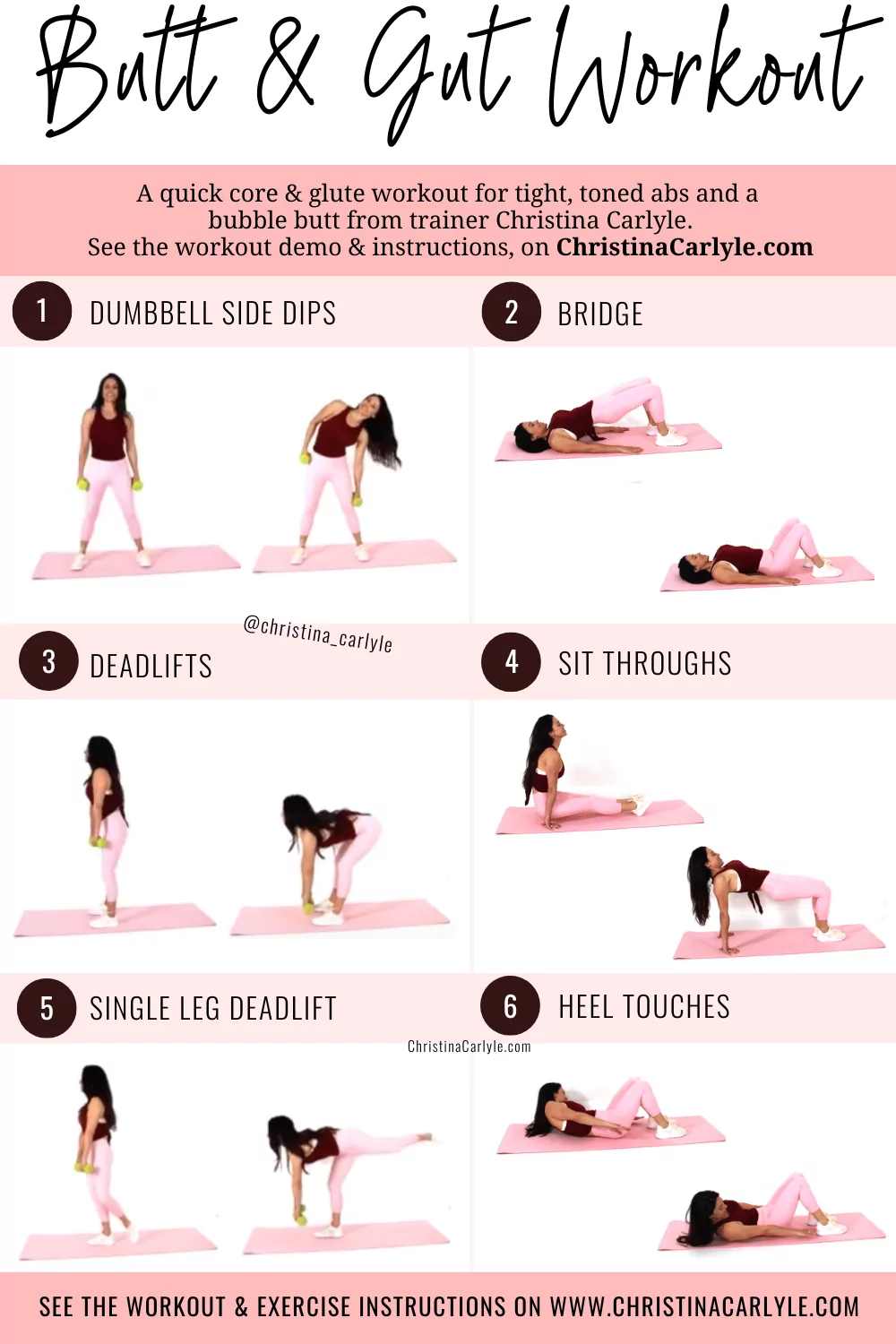
- Glute Bridge: Lie on your back, feet flat, knees bent. Lift hips up, squeeze glutes, lower down. Great for beginners.
- Hip Thrust: Similar to bridge but with upper back on a bench. Add weight for more challenge.
- Squat: Stand feet shoulder-width. Lower hips, keep back straight. Push up through heels.
- Lunge: Step forward, lower back knee. Push up, alternate legs.
- Deadlift: Use a barbell or dumbbells. Stand tall, bend at hips, lower weight to floor, keep back flat.
- Step-Up: Use a bench or sturdy box. Step up, drive through glutes, return.
Core Exercises
- Plank: Hold body straight, elbows under shoulders. Keep abs tight.
- Russian Twist: Sit, lean back, twist torso side-to-side.
- Bicycle Crunch: Lie on back, bring knee to opposite elbow, alternate sides.
- Mountain Climber: Start in plank, bring knees to chest quickly.
- Dead Bug: Lie on back, arms up, legs bent. Lower opposite arm and leg, return, alternate.
Compound Movements
Some exercises hit both areas. Try:
- Single-Leg Romanian Deadlift: Balances, hits glutes and core.
- Side Plank with Hip Lift: Works obliques and glutes.
- Bird Dog: On hands and knees, extend opposite arm and leg.
Below is a comparison of glute and core exercises by difficulty and muscle activation:
| Exercise | Difficulty | Main Muscles | Equipment Needed |
|---|---|---|---|
| Glute Bridge | Beginner | Glutes, Core | None |
| Hip Thrust | Intermediate | Glutes | Bench, Optional Weight |
| Squat | Beginner/Intermediate | Glutes, Core, Legs | None/Barbell |
| Plank | Beginner | Core | None |
| Russian Twist | Intermediate | Core, Obliques | None/Weight |
| Bird Dog | Beginner | Core, Glutes | None |
How To Build An Effective Glute And Core Workout
Creating a workout plan is simple, but you need structure. Here’s how to design a routine that works.
Step 1: Choose Your Frequency
- Beginner: 2–3 times per week
- Intermediate: 3–4 times per week
- Advanced: 4–5 times per week
Don’t train the same muscles every day. Allow 48 hours between sessions for recovery.
Step 2: Select Exercises
Pick 2–3 glute and 2–3 core exercises per session. Include at least one compound movement.
Step 3: Set Reps And Sets
- Strength: 4–8 reps, 3–5 sets (use more weight)
- Endurance: 12–20 reps, 2–4 sets (use less weight)
- Balance: Mix both styles for best results
Step 4: Progress Over Time
Increase difficulty by:
- Adding weight
- Doing more reps
- Using harder variations
- Slowing down tempo
Sample Weekly Routine
Here’s an example for a balanced week.
Day 1: Glute Focus
- Hip Thrust: 4 sets x 8 reps
- Bulgarian Split Squat: 3 sets x 10 reps each leg
- Deadlift: 3 sets x 8 reps
- Plank: 3 sets x 30 seconds
Day 2: Core Focus
- Plank: 3 sets x 40 seconds
- Russian Twist: 3 sets x 15 reps each side
- Bicycle Crunch: 3 sets x 20 reps
- Bird Dog: 3 sets x 10 reps each side
Day 3: Full Body Compound
- Squat: 4 sets x 10 reps
- Step-Up: 3 sets x 12 reps each leg
- Mountain Climber: 3 sets x 20 reps
- Side Plank with Hip Lift: 3 sets x 12 reps each side
Always warm up before your workout. Spend 5–10 minutes doing dynamic stretches or light cardio.
Equipment Options And Alternatives
Not everyone has access to a gym. Luckily, you can train glutes and core almost anywhere.
No Equipment
Exercises like glute bridges, planks, lunges, and bird dog use bodyweight only. You can do them at home, outdoors, or while traveling.
Minimal Equipment
A resistance band, dumbbells, or a bench opens up more options. For example, bands make hip thrusts and squats harder. Dumbbells add challenge to step-ups or lunges.
Full Gym
If you have access, machines like the leg press, cable machine, and Smith machine help target glutes and core in new ways. But even in a gym, basic moves are still effective.
Below is a comparison of home versus gym equipment for glute and core workouts:
| Equipment | Exercises | Benefits | Limitations |
|---|---|---|---|
| Bodyweight | Plank, Bridge, Lunge, Bird Dog | Accessible, Easy to Learn | Limited resistance, Hard to progress |
| Resistance Band | Squat, Hip Thrust, Deadlift | Portable, Adds resistance | May not be enough for advanced |
| Dumbbell/Barbell | Deadlift, Step-Up, Squat | Builds strength, Many variations | Requires purchase/access |
| Gym Machines | Leg Press, Cable Crunch | Target specific muscles | Requires gym membership |
Practical Tips For Better Results
Getting results is not just about doing exercises. You need smart habits and strategies.
1. Focus On Mind-muscle Connection
When you perform glute and core moves, concentrate on the working muscles. For example, squeeze your glutes at the top of a bridge or thrust. This makes each rep more effective.
2. Use Proper Breathing
Don’t hold your breath. Exhale during the effort (lift, crunch), inhale during the return. Proper breathing supports your core and keeps you safe.
3. Track Your Progress
Keep a workout journal. Write down exercises, sets, reps, and how you feel. Tracking helps you see improvements and adjust your plan.
4. Mix Up Your Routine
Change exercises every 4–6 weeks. New moves prevent boredom and keep muscles challenged.
5. Include Cardio And Flexibility
Add walking, running, or cycling for overall health. Stretch your hips, back, and legs to stay mobile. Flexibility improves glute and core function.
6. Nutrition Matters
Muscles grow when you fuel them. Eat enough protein (chicken, eggs, beans), healthy fats (avocado, nuts), and carbs (rice, potatoes). Drink water to stay hydrated.
7. Listen To Your Body
If you feel pain (not normal muscle soreness), stop and check your form. Rest when needed. Overtraining leads to injuries and slow progress.
Advanced Glute And Core Training Techniques
Once you master basic moves, take your routine to the next level. Here are advanced strategies:
1. Tempo Training
Slow down your reps. For example, take 3 seconds to lower, pause, then rise quickly. This increases muscle tension and boosts gains.
2. Unilateral Exercises
Train one side at a time—like single-leg deadlifts or step-ups. This builds balance and corrects weaknesses.
3. Plyometric Moves
Add jumps or explosive moves, such as jump squats or box jumps. Plyometrics build power and improve athletic performance.
4. Isometric Holds
Hold positions, like planks or wall sits, for longer times. Isometric training increases endurance.
5. Weighted Variations
Add weight to bridges, planks, and squats. Use dumbbells, barbells, or weight plates. More resistance means more strength.
Below is a comparison of training techniques and their benefits:
| Technique | Main Benefit | Best For | Example Exercise |
|---|---|---|---|
| Tempo Training | Muscle Growth | Intermediate/Advanced | Slow Squats |
| Unilateral Training | Balance, Weakness Correction | All Levels | Single-Leg Deadlift |
| Plyometrics | Power, Speed | Advanced | Jump Squat |
| Isometric Holds | Endurance | All Levels | Plank |
| Weighted Moves | Strength | Intermediate/Advanced | Weighted Hip Thrust |
Real-life Results And Data
Many people underestimate the impact of glute and core training. But research shows impressive benefits:
- A study found that glute activation exercises can reduce lower back pain by up to 30%.
- Athletes with strong glutes and core jump higher and run faster.
- People who train these areas regularly improve their posture and balance, reducing falls and injuries.
Example: A physical therapist noted that clients who added hip thrusts and planks to their routines saw noticeable improvements in back pain and daily movement within six weeks.
Another insight: Many women focus on glute workouts for shape, but core training helps flatten the stomach and improve stability. Combining both is more effective than only doing one.
Credit: zve.gca.mybluehost.me
Glute And Core Workout For Different Goals
Your workout should match your goal. Here’s how to adjust:
1. For Strength
- Use heavier weights
- Fewer reps (4–8), more sets (3–5)
- Focus on big moves: Deadlifts, hip thrusts, weighted squats
2. For Endurance
- Higher reps (12–20)
- Shorter rest between sets
- Use bodyweight moves and circuits
3. For Fat Loss
- Combine glute and core moves with cardio
- Keep rest periods short
- Add interval training (e.g., mountain climbers, jump squats)
4. For Shape And Tone
- Mix resistance with higher reps
- Use bands, dumbbells, and bodyweight
- Focus on form and muscle squeeze
Glute And Core Workout For Beginners
If you’re new, start simple. Build a foundation before moving to advanced moves.
Beginner Routine Example
Warm-Up (5 minutes):
- March in place
- Arm circles
- Hip swings
Workout:
- Glute Bridge: 3 sets x 12 reps
- Bodyweight Squat: 3 sets x 10 reps
- Lunge: 2 sets x 8 reps each leg
- Plank: 3 sets x 20 seconds
- Bird Dog: 2 sets x 10 reps each side
Cool Down:
- Stretch hamstrings, hips, lower back
Tips:
- Focus on perfect form
- Rest 60–90 seconds between sets
- Increase reps or sets every week
Glute And Core Workout For Advanced Athletes
For experienced athletes, add complexity and intensity.
Advanced Routine Example
Warm-Up (10 minutes):
- Dynamic stretches
- Light jog
Workout:
- Barbell Hip Thrust: 4 sets x 8 reps
- Bulgarian Split Squat: 4 sets x 12 reps each leg
- Romanian Deadlift: 4 sets x 10 reps
- Weighted Plank: 3 sets x 40 seconds
- Russian Twist with Medicine Ball: 3 sets x 20 reps
- Side Plank with Hip Lift: 3 sets x 15 reps each side
- Plyometric Jump Squat: 3 sets x 12 reps
Cool Down:
- Foam roll glutes and back
- Stretch hip flexors, quads, and abs
Tips:
- Use heavier weights
- Slow down on eccentric phase (lowering)
- Include unilateral moves
How To Avoid Plateaus
Plateaus happen when your body adapts and progress stalls. Here’s how to keep improving:
- Change your exercises every month.
- Increase weights, reps, or sets.
- Adjust rest periods for more challenge.
- Try new training styles (tempo, plyometrics, isometric holds).
- Track your progress and set small goals.
Many people miss this: Sometimes, a plateau is caused by poor recovery or nutrition, not just training. Sleep well, eat enough, and stay hydrated.

Credit: nilds.gov.ng
Injury Prevention And Safe Training
Safety is key. To avoid injuries:
- Always warm up and cool down.
- Use proper form. Don’t rush.
- Start with lighter weights, increase gradually.
- Listen to your body. If you feel sharp pain, stop immediately.
- Rest at least 48 hours between heavy sessions.
One overlooked insight: Overstretching before strength training can reduce power. Focus on dynamic warm-ups instead.
How To Stay Motivated
Motivation can fade, especially when results take time. Here are ways to stay on track:
- Set clear goals: “I want to do 20 squats with perfect form.”
- Join a group or find a workout buddy.
- Track your progress with photos, journals, or apps.
- Reward yourself for milestones (new workout gear, healthy treat).
- Mix up routines to keep workouts fun.
Many people give up because they don’t see quick changes. Remember: glute and core strength takes weeks, not days, to build. Stay patient and consistent.
Credit: runningonrealfood.com
Glute And Core Workout For Different Ages
Your age affects how you train. Here’s how to adjust:
Young Adults
- Focus on strength and power.
- Use heavier weights and plyometrics.
Middle-aged
- Balance strength with mobility and flexibility.
- Include stretching and low-impact cardio.
Seniors
- Prioritize balance and joint health.
- Use lighter weights, bodyweight, and safe moves (bridges, step-ups).
- Focus on posture and stability.
A key insight: Seniors benefit from glute and core workouts because these muscles help prevent falls and support daily activities.
The Science Behind Glute And Core Training
Research shows that strong glutes and core improve:
- Posture
- Movement efficiency
- Injury prevention
A study published by the National Institutes of Health found that people who trained glutes and core three times a week reduced their risk of lower back injuries by nearly 25%. Athletes with strong glutes jumped higher and sprinted faster.
You can find more scientific information at National Institutes of Health.
Frequently Asked Questions
What’s The Best Exercise For Glutes?
The hip thrust is one of the most effective glute exercises. It activates the gluteus maximus more than squats or lunges. For best results, squeeze your glutes at the top.
How Often Should I Train Glute And Core?
Most people do well training these areas 2–4 times per week. Beginners can start with two, advanced with four. Always include rest days.
Can I Train Glutes And Core At Home?
Yes! Many exercises use bodyweight only. Glute bridges, squats, lunges, planks, and bird dogs are great for home workouts.
Will Glute And Core Workouts Help With Back Pain?
Strengthening these muscles supports your spine and can reduce back pain. But always check with a doctor if pain persists.
How Long Before I See Results?
Most people notice changes in 4–8 weeks. Results depend on consistency, nutrition, and workout intensity. Take progress photos and track your workouts.
Focusing on your glute and core workout brings lasting benefits. You build strength, protect your body, and move with confidence. Whether you’re a beginner or advanced athlete, these routines help you reach your goals and enjoy a healthier, more active life. Remember: quality, consistency, and smart habits make all the difference. Stay patient, keep learning, and enjoy the journey.
