

Glute Activation Workout: Unlock Stronger, Sculpted Glutes Fast
Glute Activation Workout: The Complete Guide to Stronger, More Powerful Glutes
If you want stronger hips, a firmer backside, or better sports performance, you need to focus on glute activation. Many people, especially those who sit a lot, have weak or underactive glute muscles. This can cause back pain, poor posture, and slow progress in the gym. A good glute activation workout helps you “wake up” these muscles so they work properly during exercise and daily life.
In this complete guide, you’ll discover why glute activation matters, how it works, and the best exercises to include. You’ll also learn how to structure your workouts, avoid common mistakes, and see real improvements, whether you’re a beginner or experienced athlete.
Ready to unlock your glute power? Let’s dive in.
Why Glute Activation Matters
Your glutes are the largest muscle group in your body. They include the gluteus maximus, gluteus medius, and gluteus minimus. These muscles control hip movement, help stabilize your pelvis, and power many lower body actions like walking, running, squatting, and jumping.
Many people have glute amnesia—their glutes don’t fire correctly. This happens because of too much sitting, poor movement habits, or past injuries. When your glutes don’t work well, other muscles take over. This can lead to:
- Lower back pain (from overusing the lower back)
- Knee pain (from poor leg alignment)
- Hamstring injuries
- Weak performance in sports or the gym
Glute activation exercises “turn on” the muscle fibers. This ensures your glutes do their job during your main workout. Over time, this leads to:
- Better strength and muscle growth
- Improved movement and balance
- Reduced risk of injury
- A more toned and lifted appearance
Most people overlook this step. But just five to ten minutes of targeted activation before your main session can make a big difference.
Understanding Glute Activation
Glute activation means getting the glute muscles to contract fully and at the right time. You are not just moving your hips; you are focusing your mind and effort on squeezing the glutes with every rep.
How Glute Activation Works
When you do a glute activation drill, you use simple movements that isolate the glute muscles. The key is mind-muscle connection—you actively think about squeezing the glutes. You should feel a strong “burn” in the butt area, not just the legs.
Activation is different from a warm-up. A warm-up increases your heart rate and blood flow. Glute activation targets the nerves and muscle fibers in your glutes. It’s a specialized “wake-up call. ”
Example: If you go straight to squats, your body might use your quads and lower back. But if you do glute bridges first, your body “remembers” to use your glutes during squats.
When To Do Glute Activation
- Before leg or lower body workouts: This prepares your glutes for heavy lifting.
- On rest days: Helps with muscle recovery and mind-muscle connection.
- In rehab or physical therapy: Essential for fixing movement patterns after injury.
- For daily movement: Even a short routine after sitting long hours helps.
Key Glute Muscles And Their Functions
Your glutes are not just one muscle. Understanding each part helps you target them all.
| Muscle | Main Function | Exercise Example |
|---|---|---|
| Gluteus Maximus | Hip extension, outward rotation | Hip thrusts, glute bridges |
| Gluteus Medius | Hip abduction, stabilizing pelvis | Clamshells, side-lying leg lifts |
| Gluteus Minimus | Hip abduction, internal rotation | Banded walks, single-leg squats |
Non-obvious insight: Many people only train the gluteus maximus. If you skip the medius and minimus, you miss hip stability and side-to-side movement control. This is why runners and athletes need a full activation routine.
Best Glute Activation Exercises
A great glute activation workout uses simple, controlled moves. You do not need heavy weights. Focus on form and feeling your glutes work. Here are the best exercises to include:
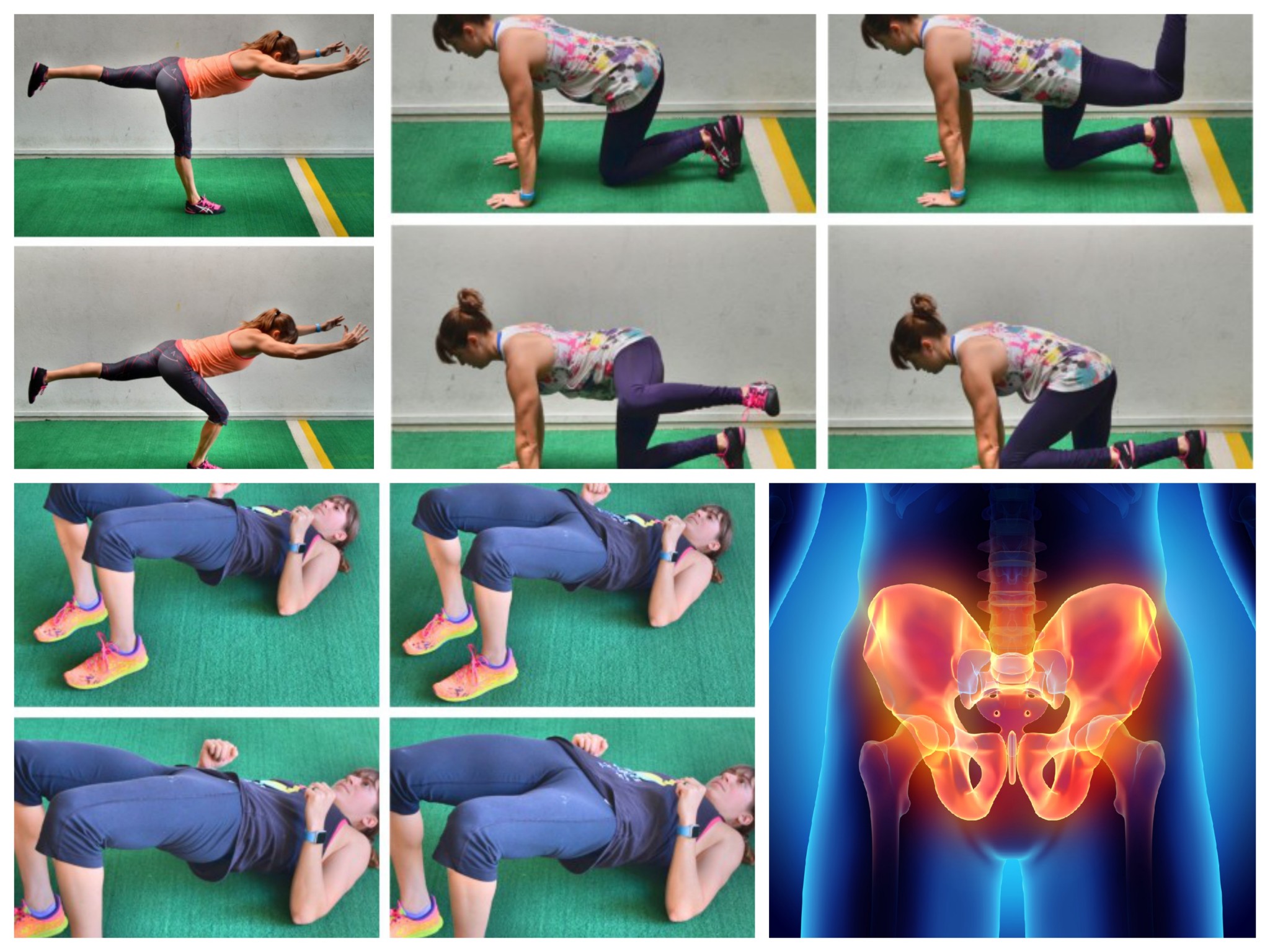
1. Glute Bridge
Lie on your back, feet flat, knees bent. Push through your heels, squeeze your glutes, and lift your hips toward the ceiling. Hold, then lower down.
- Tip: Do not arch your back. Move slowly.
2. Banded Lateral Walks
Place a resistance band above your knees. Stand with feet hip-width apart. Bend knees slightly, step sideways. Keep tension on the band.
- Tip: Do not let your knees cave inward.
3. Clamshells
Lie on your side, knees bent, feet together. With a band above your knees, lift your top knee open like a clamshell. Lower and repeat.
- Tip: Keep your hips stacked, do not roll backward.
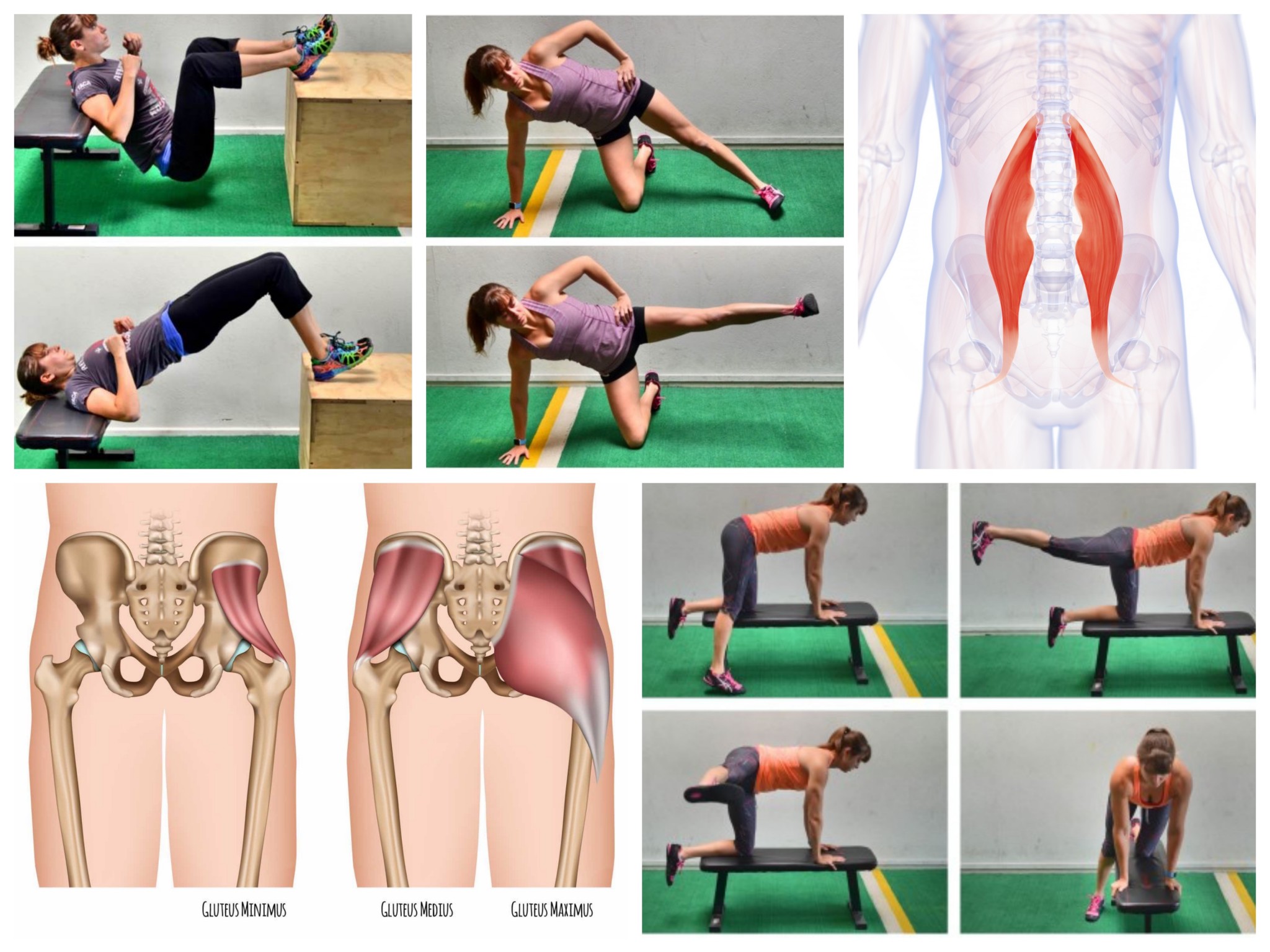
4. Donkey Kicks
On hands and knees, lift one foot toward the ceiling, keeping knee bent. Squeeze your glutes, lower, and repeat.
- Tip: Do not swing your back. Movement comes from the hip.
5. Fire Hydrants
From hands and knees, lift one knee out to the side (like a dog at a fire hydrant). Lower and repeat.
- Tip: Keep your core tight to avoid twisting.
6. Single-leg Glute Bridge
Like the regular bridge, but lift one leg off the ground. Push through the heel of your working leg. Squeeze at the top.
- Tip: Avoid letting hips drop to one side.
7. Standing Kickbacks
Stand tall. Hold a wall or chair for balance. Kick one leg straight back, squeeze glutes, return.
- Tip: Move slowly—no swinging.
8. Frog Pumps
Lie on your back, press soles of feet together, knees out. Lift hips, squeeze glutes, lower down.
- Tip: Focus on the squeeze, not just movement.
9. Banded Squats
With a band above knees, squat down and up. Keep knees pushing out against the band.
- Tip: Go only as deep as you can control.
10. Hip Thrusts
Upper back on a bench, feet flat, knees bent. Push hips up, squeeze glutes, lower.
- Tip: Pause at the top for extra activation.
Non-obvious insight: Using mini bands (loop resistance bands) increases muscle activation by forcing your glutes to work against sideways tension. Even bodyweight-only versions are effective if you focus on the squeeze.
How To Structure A Glute Activation Workout
You don’t need to do every exercise each time. Pick 4-6 moves and do 1-2 sets of each, 10-20 reps per set. The whole routine takes 5-10 minutes.
Sample Glute Activation Routine
- Glute Bridge: 2 sets of 15 reps
- Banded Lateral Walks: 2 sets of 12 steps each side
- Clamshells: 2 sets of 15 reps each side
- Fire Hydrants: 2 sets of 12 reps each side
- Donkey Kicks: 2 sets of 12 reps each side
Rest: 30 seconds between exercises.
When To Use This Routine
- Right before leg day (squats, deadlifts, lunges)
- Before sports or running practice
- After sitting for several hours
- As part of physical therapy or injury prevention
You can change exercises to keep it fresh. If you feel your glutes burning (not your hamstrings or lower back), you’re doing it right.
Common Mistakes To Avoid
Even simple movements can go wrong. Here’s what to watch for:
- Moving too fast: This turns the exercise into a momentum drill, not muscle activation. Slow down and squeeze the muscle.
- Arching your back: This shifts work to your lower back. Keep your core engaged.
- Letting knees collapse inward: Especially with bands. Always push knees out.
- Not feeling the glutes: If you feel only your thighs or back, reset your form.
- Skipping activation when short on time: Even five minutes pays off in better results and less injury.
Pro tip: If you have trouble feeling your glutes, use your hand to touch the muscle while you do the exercise. This boosts the mind-muscle connection.
Credit: redefiningstrength.com
Progression: How To Make Glute Activation Workouts Harder
As your glutes get stronger, you may want to add challenge:
- Increase band resistance: Use a heavier band for more tension.
- Pause at the top: Hold the squeeze for 2-3 seconds at the top of each rep.
- Add isometric holds: Do a 20-30 second hold after each set.
- Try single-leg versions: Single-leg glute bridges, single-leg kickbacks.
- Combine moves: Do a superset (e.g., clamshells right into fire hydrants).
Remember, the goal is not fatigue or sweat—it’s strong muscle activation.
Glute Activation For Different Goals
Glute activation is not only for fitness models. It benefits many types of people:
For Athletes
- Sprinters: Need strong glutes for speed and power.
- Jumpers: Use glutes for explosive movements.
- Football/soccer players: Rely on glute stability for kicking and changing direction.
For People With Back Or Knee Pain
Activating glutes helps take pressure off the lower back and knees. If your glutes are weak, your body compensates with other muscles. Over time, this leads to pain or injury.
For Desk Workers
Sitting for hours “turns off” your glutes. Just a few activation drills can improve posture, reduce stiffness, and boost energy.
For Older Adults
Glute strength means better balance, fewer falls, and more independence.
Glute Activation Vs. Glute Strengthening
People often confuse these terms. Here’s how they compare:
| Glute Activation | Glute Strengthening |
|---|---|
| Light resistance (bands, bodyweight) | Heavier weights (barbells, machines) |
| Focus on “feeling” the muscle | Focus on building size and power |
| Higher reps, lower fatigue | Lower reps, higher fatigue |
| Prepares muscles for big lifts | Main workout after activation |
Key point: Activation comes before strength work. Activation drills are not enough to build big, strong glutes—but without them, your main exercises may not be as effective.
How To Tell If Your Glutes Are Working
People often ask, “How do I know if my glutes are firing?” Here’s how to check:
- Feel the burn: You should feel a warm, burning sensation in the butt muscles, not just the legs.
- Touch test: Place a hand on your glutes during the exercise. You should feel them contract.
- Soreness: The next day, you might feel mild soreness in your glutes, not just your hamstrings or back.
- Movement quality: You squat or lunge with better control, and your knees don’t cave inward.
If you never feel your glutes working, try adjusting your form or using lighter resistance to focus on technique.
Real-world Examples And Athlete Tips
Many top athletes use glute activation daily. For example, Olympic sprinters often spend 10 minutes on glute drills before track workouts. Physical therapists use these exercises to help clients recover from injuries faster.
Practical tip: If you lift weights, try doing glute bridges and banded lateral walks before squats or deadlifts. Most people notice they can lift heavier and feel more stable.
Another insight: If you run, do a quick activation set before your jog. You may find your stride feels smoother and your knees track straighter.
How To Add Glute Activation Into Your Routine
Glute activation is flexible. Here are simple ways to include it:
- Pre-workout: Add 5-10 minutes before any lower body session.
- Active rest: On days between workouts, do a short circuit to boost recovery.
- After long sitting: Stand up, do 2-3 drills to “wake up” your hips.
- Physical therapy: If you have pain, ask your therapist which drills fit your needs.
Sample weekly schedule:
| Day | When to Activate Glutes | Purpose |
|---|---|---|
| Monday | Before leg workout | Prepare for squats/lunges |
| Wednesday | After sitting at work | Reduce stiffness |
| Friday | Before running practice | Improve form and speed |
| Sunday | Active recovery (at home) | Boost blood flow, gentle movement |
Equipment: What You Need (and What You Don’t)
You do not need a gym to activate your glutes. Here’s what helps:
- Mini resistance bands: These are cheap, portable, and add extra challenge.
- A mat or towel: For comfort on hard floors.
- A bench or sturdy chair: For hip thrusts.
- Bodyweight: For most drills, your own weight is enough.
Extra tip: If you travel, take a mini band with you. It fits in a pocket and lets you do your routine anywhere.
Glute Activation For Special Populations
For Beginners
Start with bodyweight-only moves. Focus on slow, controlled reps. Avoid bands at first if you struggle to “feel” your glutes.
For Advanced Lifters
Use heavy bands or do single-leg versions for more challenge. Combine activation with your dynamic warm-up.
For Older Adults
Glute activation improves balance and walking ability. Start with supported moves like standing kickbacks using a chair for balance.
For Pregnant Women
Strong glutes support the pelvis and lower back. Choose gentle, safe moves like glute bridges and seated abductions. Always check with your doctor.
For People With Injuries
Activation is often a first step in rehab. Use gentle moves and avoid pain. Ask a physical therapist for advice.
Credit: redefiningstrength.com
How Long Does It Take To See Results?
With regular glute activation, most people notice better movement and less pain within a few weeks. Visible muscle changes take longer, but you may feel firmer glutes in a month if you’re consistent.
- Better control during squats, lunges, and sports
- Less discomfort in back and knees
- More muscle tone in the glute area
Important: Results depend on your overall routine, not just activation. For full development, combine activation with strength training and a healthy diet.
Glute Activation Myths And Truths
There are many myths about glute training. Let’s clear up the most common ones:
- Myth: Glute activation is just for women.
- Truth: Everyone—men, women, athletes, desk workers—benefits from strong glutes.
- Myth: You need heavy weights to activate glutes.
- Truth: Light bands and bodyweight are enough for activation. Save heavy loads for strength training.
- Myth: You can “spot reduce” fat with glute activation.
- Truth: Activation builds muscle, but does not directly burn fat in one spot.
- Myth: If you do squats, you don’t need activation.
- Truth: Many people’s glutes are inactive during squats, leading to poor results and possible injury.
- Myth: Glute activation takes too long.
- Truth: Five minutes can be enough if you focus on quality.
Practical Tips For Maximum Results
- Consistency matters: Do your routine at least 3 times per week.
- Quality over quantity: Fewer reps with good form beat lots of sloppy reps.
- Use a mirror: Check your form, especially knee and hip alignment.
- Breathe: Exhale as you squeeze your glutes, inhale as you relax.
- Adjust as needed: If you feel pain in joints or back, modify the movement.
Uncommon insight: If you have trouble “feeling” your glutes, try doing a short walk or light cardio first. This increases blood flow and makes activation easier.
Science And Research Behind Glute Activation
Studies show that glute activation drills increase muscle activity during main lifts. For example, using a band during squats increases gluteus medius activity by up to 40%. Physical therapists use these exercises to reduce injury rates and improve recovery.
If you want to dive deeper into the science, check out this research summary from the Wikipedia page on gluteus maximus.

Credit: www.soccersupplement.com
Frequently Asked Questions
How Often Should I Do A Glute Activation Workout?
Aim for at least 3 times per week, especially before lower body workouts. Daily activation is safe and helpful, especially if you sit a lot.
Can I Build Bigger Glutes With Activation Exercises Alone?
Activation alone helps with muscle control but does not add much size. For bigger glutes, combine activation with strength training (like squats, hip thrusts, deadlifts).
What If I Only Feel My Hamstrings, Not My Glutes?
Check your form. Push through your heels, keep your core tight, and focus on squeezing your glutes. You may need to reduce resistance and slow down.
Do I Need Resistance Bands For Glute Activation?
Bands make many exercises more effective, but you can start with bodyweight moves. Bands add extra challenge and help target the side glutes.
Is Glute Activation Safe For Everyone?
Most people can do these exercises safely. If you have pain or a recent injury, talk to a physical therapist or doctor before starting.
Glute activation is a simple, powerful tool for better movement, less pain, and improved results in the gym. Make it a regular part of your routine and you’ll unlock the strength and shape you want—one squeeze at a time.
