

Best Upper Glute Workout: Sculpt and Lift Your Glutes Fast
Best Upper Glute Workout
Building strong, defined upper glutes is more than just a fitness trend. It’s a way to improve your posture, prevent back pain, and boost your athletic performance. Many people try glute exercises but only focus on the lower or overall glutes. The upper glute area, often called the “glute medius,” is key for hip stability and a rounded shape. If you want your hips to look fuller, your waist to appear smaller, and your body to move better, targeting the upper glutes is essential.
In this guide, you’ll find the most effective upper glute exercises, how to combine them for maximum results, common mistakes to avoid, and real training tips. You’ll learn what makes upper glute workouts different and why many routines miss the mark.
Whether you’re a beginner or have some gym experience, this article will help you build a stronger, more sculpted upper glute area—step by step.
Understanding The Upper Glutes
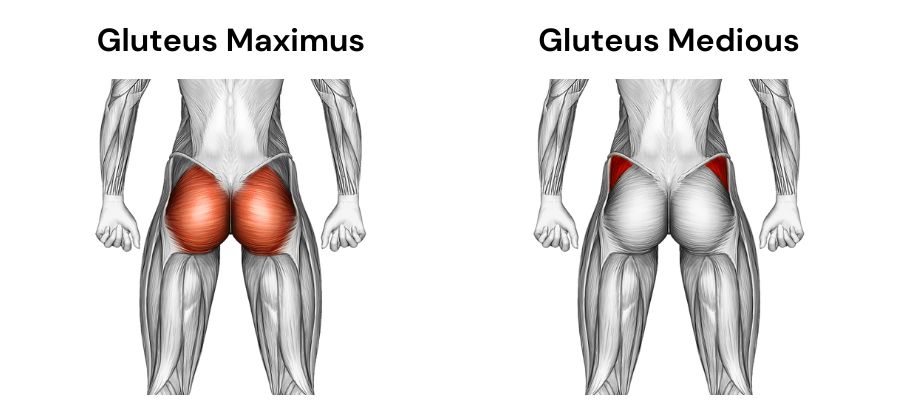
The glutes are a group of muscles in your buttocks. The three main muscles are:
- Gluteus maximus: The largest, creates most of the shape and power.
- Gluteus medius: Located at the top and side; gives the upper, rounded look.
- Gluteus minimus: Smaller, deeper, helps with hip movement.
When people talk about upper glute workouts, they usually mean exercises that target the gluteus medius. This muscle is important for hip abduction (moving your leg outward), stabilization, and balance. Weak upper glutes can lead to poor posture, back pain, and weak hips.
Why Upper Glutes Matter
- Better hip stability: Strong upper glutes keep your hips steady.
- Improved posture: Helps support your lower back and pelvis.
- Enhanced shape: Creates the rounded, lifted look many people want.
- Reduced injury risk: Protects knees and lower back by stabilizing your movement.
Most glute workouts focus on squats and lunges, which mainly hit the gluteus maximus. To develop the upper glutes, you need exercises that move your leg outward or sideways and challenge your hip stability.
Best Upper Glute Exercises
Here are the top exercises for building strong, defined upper glutes. These movements can be done at home or in the gym. For each, you’ll see clear instructions, tips, and common mistakes.
1. Side-lying Hip Abduction
Lie on your side, legs straight. Raise your top leg upward, keeping it straight and controlled. Lower slowly.
- Sets/Reps: 3 sets of 15-20 reps
- Tip: Keep your toes pointing forward or slightly down. Don’t rotate your hips.
- Common Mistake: Swinging the leg or letting hips roll backward.
2. Standing Cable Hip Abduction
Attach a cable or resistance band to your ankle. Stand tall, hold onto support, and move your leg out to the side.
- Sets/Reps: 3 sets of 12-15 reps per leg
- Tip: Move slowly. Focus on squeezing the upper glute.
- Common Mistake: Leaning or using body momentum.
3. Curtsy Lunge
Step one leg behind and across your body, then lower into a lunge. Return to starting position.
- Sets/Reps: 3 sets of 12 reps per side
- Tip: Keep your chest up. Push through your front heel.
- Common Mistake: Letting knee cave inward.
4. Single-leg Glute Bridge (with Abduction)
Lie on your back, knees bent. Raise one leg and push hips upward. At the top, move your raised leg outward.
- Sets/Reps: 3 sets of 10-12 reps per leg
- Tip: Squeeze glutes at the top. Don’t arch your back.
- Common Mistake: Using lower back instead of glutes.
5. Fire Hydrant
Start on all fours. Lift one knee out to the side, keeping it bent. Lower slowly.
- Sets/Reps: 3 sets of 15 reps per side
- Tip: Keep your hips square. Pause at the top.
- Common Mistake: Rotating your body or arching your back.
6. Banded Monster Walk
Place a resistance band above your knees. Stand with feet hip-width apart, knees slightly bent. Step sideways, keeping tension in the band.
- Sets/Reps: 3 sets of 20 steps (10 each direction)
- Tip: Stay low. Don’t let knees cave in.
- Common Mistake: Standing too tall or losing band tension.
7. Bulgarian Split Squat (with Lateral Raise)
Stand in front of a bench. Place one foot behind. Lower into a squat. At the bottom, raise your front leg slightly outward.
- Sets/Reps: 3 sets of 10 reps per side
- Tip: Focus on the outward raise. Keep balance.
- Common Mistake: Losing control or wobbling.
8. Side Step-up
Stand next to a bench or sturdy platform. Step sideways onto it, pushing through your heel. Lower with control.
- Sets/Reps: 3 sets of 12 reps per side
- Tip: Keep your knee aligned over your foot.
- Common Mistake: Letting knee drift inward.
9. Clamshell
Lie on your side, knees bent, feet together. Open your top knee upward, keeping feet touching.
- Sets/Reps: 3 sets of 15 reps per side
- Tip: Don’t let hips roll back. Pause at the top.
- Common Mistake: Using hip rotation instead of muscle.
10. Cable Lateral Leg Raise
Stand next to a cable machine, strap around ankle. Raise your leg sideways with cable tension.
- Sets/Reps: 3 sets of 12 reps per side
- Tip: Control the movement. Avoid swinging.
- Common Mistake: Leaning away or moving too fast.
11. Kettlebell Deadlift (wide Stance)
Stand with feet wider than shoulder-width. Hold kettlebell between feet. Push hips back, lower kettlebell, then stand up.
- Sets/Reps: 3 sets of 15 reps
- Tip: Keep knees out. Squeeze upper glutes at top.
- Common Mistake: Rounding back or letting knees cave in.
12. Lateral Band Walk
Place a resistance band around ankles. Take small steps sideways, keeping tension.
- Sets/Reps: 3 sets of 20 steps
- Tip: Stay low. Keep feet parallel.
- Common Mistake: Dragging feet or losing band tension.
13. Elevated Side Plank Leg Lift
Start in a side plank. Lift your top leg upward, keeping it straight. Lower with control.
- Sets/Reps: 3 sets of 10 reps per side
- Tip: Keep hips up. Don’t drop your plank.
- Common Mistake: Sagging hips or swinging leg.
14. Reverse Hyperextension (glute Focus)
Lie facedown on a bench, hips at edge. Hold bench, legs hanging. Raise legs upward, squeeze glutes, lower slowly.
- Sets/Reps: 3 sets of 12 reps
- Tip: Focus on glutes, not lower back.
- Common Mistake: Using back muscles instead of glutes.
15. Step-down With Lateral Kick
Stand on a step or platform. Step down, then kick your leg outward.
- Sets/Reps: 3 sets of 12 reps per side
- Tip: Control the kick. Don’t swing.
- Common Mistake: Losing balance or rushing.
These exercises are effective because they move your leg outward, activate the glute medius, and improve hip stability. For best results, use a mix of bodyweight, bands, and weights.

Credit: www.youtube.com
Upper Glute Workout Plan
Building upper glutes takes more than just picking the right exercises. You need a smart routine that challenges your muscles, allows recovery, and fits your goals. Here’s a sample weekly plan for maximum results.
| Day | Workout Focus | Key Exercises | Intensity |
|---|---|---|---|
| Monday | Upper Glute Strength | Standing Cable Hip Abduction, Curtsy Lunge, Clamshell | Moderate weight, 3 sets each |
| Wednesday | Glute Activation + Stability | Banded Monster Walk, Fire Hydrant, Side-Lying Hip Abduction | Light resistance, 3-4 sets |
| Friday | Upper Glute Power | Bulgarian Split Squat, Kettlebell Deadlift, Elevated Side Plank Leg Lift | Heavier weight, 3 sets each |
- Rest days: Tuesday, Thursday, Saturday, Sunday (can do light cardio or stretching)
- Total weekly volume: 9-12 sets per main exercise
- Progression: Increase weight or band resistance gradually.
Practical Tips For Your Routine
- Warm up: Always start with 5-10 minutes of light cardio and dynamic stretches.
- Mind-muscle connection: Focus on feeling your upper glutes during each rep.
- Rest between sets: 45-90 seconds is ideal for most exercises.
- Switch it up: Change up your exercises every few weeks to prevent plateaus.
- Track progress: Write down your sets, reps, and weights.
One insight many beginners miss: upper glute growth is not just about exercise, but also about nutrition and rest. Muscles need protein and time to recover to grow. Don’t skip meals or train the same area every day.
How To Activate The Upper Glutes
Activating the upper glutes is often a challenge. Many people feel their legs or lower back working instead. Here’s how to ensure you’re hitting the right muscle.
Warm-up Activation Drills
- Mini-band walks: Use a light band, take small steps sideways.
- Standing hip abduction pulses: Stand tall, pulse leg outward for 15 reps.
- Bodyweight clamshells: Focus on slow, controlled movement.
Mind-muscle Connection
Before each set, tap or touch your upper glute. Visualize the muscle working. Move slowly and pause at the top of each rep. This helps your brain send the right signals to the muscle.
Common Activation Mistakes
- Going too heavy: Using too much weight can shift focus to other muscles.
- Poor form: If your hips rotate or your back arches, you miss the target.
- Not warming up: Cold muscles don’t activate well.
Most people overlook the importance of activation. It’s not just about moving the leg, but about feeling the muscle contract and relax.

Credit: www.shakesandcones.com
Equipment For Upper Glute Workouts
You can train upper glutes with bodyweight, but adding equipment boosts results.
| Equipment | Benefits | Best Exercises |
|---|---|---|
| Resistance Bands | Easy to use, portable, activates glute medius | Banded Monster Walk, Lateral Band Walk |
| Cable Machines | Adjustable resistance, smooth movement | Standing Cable Hip Abduction, Cable Lateral Leg Raise |
| Kettlebells/Dumbbells | Adds weight, increases intensity | Kettlebell Deadlift, Bulgarian Split Squat |
| Benches/Platforms | Allows step-ups, bridges, and hyperextensions | Side Step-Up, Reverse Hyperextension |
- Bands are best for beginners and home workouts.
- Cable machines allow precise targeting.
- Kettlebells/dumbbells help build strength.
- Benches are useful for advanced moves.
If you train at home, invest in a set of resistance bands. They’re affordable, effective, and easy to store.
Common Upper Glute Workout Mistakes
Even with the right exercises, mistakes can limit your results. Here are the most frequent errors and how to fix them.
1. Using Poor Form
Letting your hips rotate, knees cave in, or back arch shifts work away from the upper glutes. Always keep your hips square and move slowly.
2. Rushing Through Reps
Speedy reps don’t activate muscles fully. Take your time, pause at the top, and feel the squeeze.
3. Ignoring Warm-up
Skipping warm-up means your glutes may not “turn on. ” Do activation drills before every workout.
4. Not Progressing Resistance
Doing the same weight or band every week leads to plateaus. Increase resistance gradually.
5. Overtraining
Training glutes every day can slow progress. Muscles need rest to grow. Aim for 2-3 workouts per week.
6. Neglecting Nutrition
Muscle growth requires protein and calories. Eating too little or skipping meals will limit gains.
A non-obvious insight: many people focus on the glute maximus because it’s easier to feel. But the medius is a smaller, stubborn muscle. It responds best to high reps, slow tempo, and regular changes in exercise.
Credit: pneudirect.it
How Upper Glute Training Improves Your Life
Training the upper glutes isn’t just about appearance. It has real benefits for health and performance.
- Better posture: Supports pelvis and lower back.
- Reduced back pain: Strong glutes take pressure off lumbar spine.
- Improved balance: Helps with walking, running, and sports.
- Enhanced athletic performance: Boosts speed, agility, and jumping ability.
- Injury prevention: Stabilizes knees and hips.
Research shows that athletes with strong upper glutes are less likely to suffer knee injuries. Even in daily life, stronger glutes help you stand, walk, and climb stairs with less effort.
Comparing Upper Glute Exercises
Not all glute exercises are equal. Here’s a quick comparison of popular movements for upper glute activation.
| Exercise | Main Muscle Target | Activation Level | Best For |
|---|---|---|---|
| Side-Lying Hip Abduction | Gluteus medius | High | Beginners, rehab |
| Banded Monster Walk | Gluteus medius/minimus | Medium | Warm-up, activation |
| Curtsy Lunge | Gluteus medius & maximus | Medium-High | Strength, shaping |
| Fire Hydrant | Gluteus medius | High | Activation, mobility |
| Bulgarian Split Squat | Gluteus maximus, medius | Medium | Strength, power |
| Clamshell | Gluteus medius | High | Isolation, activation |
This table helps you pick exercises based on your needs. If you’re just starting, focus on side-lying hip abduction and clamshells. For advanced training, add Bulgarian split squats and curtsy lunges.
Nutrition For Upper Glute Growth
Your workout is only half the battle. Muscles need fuel to grow. Here’s what matters most:
Protein
Aim for 0.7-1 gram per pound of bodyweight daily. Good sources include chicken, eggs, beans, and fish.
Healthy Fats
Fats help with hormone production. Include avocados, nuts, and olive oil.
Carbs
Carbs provide energy for workouts. Use whole grains, fruits, and vegetables.
Hydration
Drink 2-3 liters of water daily. Muscles perform better when hydrated.
Timing
Eat protein within 1 hour after your workout. This speeds up recovery and growth.
Many people overlook eating enough protein, which is vital for muscle repair. If you’re vegetarian or vegan, use plant-based protein powders or beans.
Tracking Progress And Staying Motivated
Building upper glutes takes time. Here’s how to track progress and stay motivated:
- Take photos: Every 4 weeks, compare your shape.
- Measure hips: Use a tape measure at the widest point.
- Log workouts: Write down exercises, sets, reps, and weights.
- Set small goals: Aim to add reps, increase weight, or improve form.
Celebrate small wins. If you feel stronger, stand taller, or see a rounder shape, you’re making progress.
Advanced Tips For Upper Glute Training
If you’re past the beginner stage, use these tips:
- Supersets: Pair two exercises back-to-back (e.g., clamshell + band walk) for extra burn.
- Drop sets: Start with a heavy weight, then reduce and keep going until muscles fatigue.
- Pause reps: Hold the top position for 2-3 seconds for deeper activation.
- Change angles: Try side step-ups, lateral kicks, and single-leg variations.
- Add instability: Use a BOSU ball or balance pad for plank leg lifts.
A smart insight: the upper glutes respond well to variety. Change exercises, rep ranges, and equipment every month. This keeps muscles guessing and growing.
Real-life Example: Upper Glute Transformation
Meet Sarah, a young professional who struggled with a flat, weak upper glute area. She tried basic squats and lunges, but saw little change. After switching to targeted exercises like side-lying hip abduction, banded walks, and curtsy lunges, she noticed her hips looked fuller and her waist slimmer. Within three months, her hip measurement increased by 1.5 inches and her back pain disappeared.
Sarah’s routine:
- Warm-up: 10 minutes banded monster walk
- Workout: 3 sets each of clamshells, cable hip abduction, Bulgarian split squats
- Cool-down: Light stretching
Her tip: “Don’t just follow any glute routine. Focus on the upper glute exercises and really feel the muscle working. Results come faster than you think!”
Frequently Asked Questions
What Is The Upper Glute?
The upper glute refers mainly to the gluteus medius muscle, located at the top and side of your buttocks. It helps with hip movement, balance, and gives the rounded “upper” shape many people want.
How Often Should I Train My Upper Glutes?
For best results, aim for 2-3 times per week. This allows enough time for muscle recovery and growth. Avoid training the same muscle every day to prevent overtraining.
Can I Build Upper Glutes At Home?
Yes! You can use resistance bands, bodyweight, and simple equipment like a chair or step. Exercises like side-lying hip abduction, clamshells, and banded walks are effective without a gym.
What Is The Most Common Mistake In Upper Glute Workouts?
The most common mistake is poor form. People let their hips rotate, knees cave in, or use too much weight, which shifts focus away from the upper glutes. Always move slowly and keep your hips square.
Where Can I Learn More About Glute Anatomy And Training?
To dive deeper into glute anatomy and training, check out the Wikipedia page on gluteus medius for detailed scientific information.
Building strong, defined upper glutes takes dedication, smart training, and good nutrition. By focusing on the right exercises, avoiding common mistakes, and tracking your progress, you’ll see results in both how you look and how you move. Start your upper glute workout today and feel the difference in your strength, shape, and confidence.
