

5 Minute Glute Workout: Sculpt Stronger Glutes Fast
Feeling short on time but eager to build stronger glutes? You’re not alone. Many people want firmer, more powerful glute muscles, but don’t have hours to spend at the gym. The good news: you can see real results with just five minutes a day, if you use the right movements and stick to a routine.
A quick glute workout can boost your energy, support your posture, and even help with daily activities like walking and lifting. Even for beginners, these short sessions can make a difference. You don’t need fancy equipment, a gym membership, or a complicated plan. All you need is commitment and a few square feet of space.
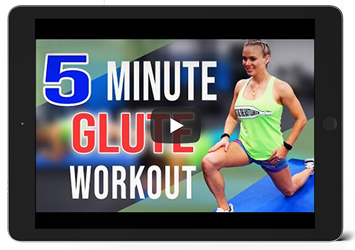
This article will guide you through a 5 Minute Glute Workout—step by step. You’ll get detailed instructions for each exercise, practical tips to maximize your results, and answers to common questions. By the end, you’ll know how to make every minute count, whether you’re at home, at work, or traveling. Let’s get started and unlock your glute strength in just five minutes a day.
Why Glute Workouts Matter
The glutes are more than just the muscles on your backside. They’re a key part of your body’s support system, helping you stand, walk, run, and jump. Weak glutes can lead to back pain, poor posture, and even injuries. Strong glutes, on the other hand, make movements easier and safer.
Studies show that glute activation improves performance in sports, reduces risk of injury, and helps with everyday tasks. According to research published by the National Institutes of Health, strengthening glutes can improve stability and support the lower back. Many people who sit for long hours find their glutes become inactive, which leads to muscle weakness and imbalances.
With the right exercises, you can reverse this trend. Even a short workout can help:
- Improve posture
- Support lower back health
- Boost athletic performance
- Enhance balance and stability
It’s not just about looks. Strong glutes help your body work better, from head to toe.
The 5 Minute Glute Workout: Overview
This workout is designed to fit into any busy schedule. You’ll use five simple exercises, each targeting the glutes from a different angle. These moves require no equipment, making them perfect for home, office, or travel.
Here’s how the workout is structured:
- Five exercises
- One minute per exercise
- No breaks in between (if possible)
If you’re new to exercise, you can start with 30 seconds per move and build up to the full minute. As you get stronger, try to push yourself to maintain good form throughout.
Let’s break down each exercise, how to do it, and why it works.
1. Bodyweight Squats
Squats are a classic for a reason. They target the gluteus maximus, thighs, and hips, helping to build strength and endurance.
How to do a squat:
- Stand with feet shoulder-width apart.
- Keep your chest up and back straight.
- Lower your body by bending your knees, as if sitting in a chair.
- Go as low as you can while keeping your heels on the ground.
- Push through your heels to return to standing.
Repeat for one minute. Aim for a steady pace—about one squat every two seconds.
Tips for better squats:
- Don’t let your knees go past your toes.
- Keep your weight on your heels, not your toes.
- Squeeze your glutes at the top of each movement.
Common mistake: Leaning forward or rounding your back. Focus on keeping your chest lifted.
Why it works: Squats activate the largest glute muscle, building power and shape. They also work the legs and core, making them efficient for a quick routine.
| Squat Variation | Muscle Activation | Difficulty |
|---|---|---|
| Bodyweight Squat | Gluteus Maximus, Quadriceps | Easy |
| Sumo Squat | Inner Thigh, Glutes | Moderate |
| Jump Squat | Glutes, Calves | Challenging |
Non-obvious insight: Breathing is key. Inhale as you lower, exhale as you rise. This helps stabilize your core and keeps your energy up.
2. Glute Bridges
The glute bridge is excellent for activating the glute muscles while protecting your back. It’s easy for beginners and very effective.
How to do a glute bridge:
- Lie on your back with knees bent and feet flat on the floor.
- Place your arms by your sides.
- Push through your heels to lift your hips up, forming a straight line from shoulders to knees.
- Squeeze your glutes at the top.
- Lower back down slowly.
Continue for one minute. Try to keep the movement smooth and controlled.
Tips for better bridges:
- Don’t arch your lower back—lift with your glutes.
- Place your feet hip-width apart.
- Pause for a second at the top for extra activation.
Common mistake: Letting your knees flare out. Keep them in line with your hips.
Why it works: Glute bridges target the glutes directly, as well as the hamstrings and core. They’re gentle on the back and suitable for all fitness levels.
Example: If you feel your hamstrings working more than your glutes, move your feet closer to your body. This shifts the focus to your glute muscles.
| Bridge Type | Glute Activation (%) | Ease for Beginners |
|---|---|---|
| Basic Glute Bridge | 70 | Very Easy |
| Single-Leg Bridge | 85 | Moderate |
| Elevated Bridge | 90 | Challenging |
Non-obvious insight: For even more activation, push your feet into the ground and imagine “pulling” them toward you as you lift. This increases muscle engagement.
3. Reverse Lunges
Reverse lunges challenge balance and coordination, while building glute and thigh strength. They are safer for the knees than forward lunges for many people.
How to do a reverse lunge:
- Stand upright, feet hip-width apart.
- Step backward with your right foot, lowering your hips until both knees are bent about 90 degrees.
- Your front knee should stay above your ankle.
- Push through your front heel to return to standing.
- Alternate legs with each rep.
Continue for one minute, aiming for steady, controlled movements.
Tips for better lunges:
- Keep your torso straight, don’t lean forward.
- Step far enough back so your knees make a right angle.
- Squeeze your glutes as you rise.
Common mistake: Letting your knees collapse inward. Keep them stable and in line with your toes.
Why it works: Reverse lunges stretch and strengthen the glutes, especially the gluteus medius. They also improve stability and balance.
Example: If you struggle with balance, try holding onto a chair or wall until you build confidence.
| Lunge Variation | Primary Muscles | Balance Challenge |
|---|---|---|
| Reverse Lunge | Glutes, Quads | Moderate |
| Forward Lunge | Quads, Glutes | High |
| Side Lunge | Glutes, Inner Thigh | Low |
Non-obvious insight: Reverse lunges also stretch the hip flexors, which get tight from sitting. This helps open up your hips and improve mobility.
4. Donkey Kicks
Donkey kicks are a targeted move for the glutes. They require focus and are great for isolating the muscle, especially if you want to feel a “burn. ”
How to do a donkey kick:
- Start on all fours—hands and knees.
- Keep your core tight and your back flat.
- Lift your right leg, keeping the knee bent, and push your heel up toward the ceiling.
- Squeeze your glute at the top, then lower your leg without touching the floor.
- Repeat on one side for 30 seconds, then switch legs.
Tips for better donkey kicks:
- Don’t swing your leg—move slowly and with control.
- Keep your hips level; avoid twisting.
- Point your toes downward to focus on the glutes.
Common mistake: Arching your back or letting your hips tilt. Keep your spine neutral.
Why it works: Donkey kicks directly target the glutes, especially the gluteus maximus. They’re ideal for adding shape and strength.
Example: If you feel more in your lower back than glutes, check your posture. Keep your abdominal muscles tight to protect your back.
Non-obvious insight: Donkey kicks can help improve mind-muscle connection. Focus on squeezing the glute with each rep, rather than just moving your leg.
5. Fire Hydrants
Fire hydrants work the gluteus medius and help with hip stability. This exercise is helpful for anyone wanting to improve side-to-side movement or reduce risk of injury.
How to do a fire hydrant:
- Start on all fours, hands under shoulders, knees under hips.
- Keep your core tight.
- Lift your right knee out to the side, keeping it bent.
- Pause at the top, then lower back down.
- Repeat for 30 seconds, then switch sides.
Tips for better fire hydrants:
- Don’t let your body shift—keep your hips square.
- Move only your leg; keep your upper body stable.
- Go slow and pause at the top for maximum benefit.
Common mistake: Letting your body rock side to side. Stay steady and focus on the glutes.
Why it works: Fire hydrants target the gluteus medius, which is important for hip stability and preventing injuries, especially in runners.
Example: If you feel the move in your lower back or hip flexors, check your form. Keep your core engaged throughout.
Non-obvious insight: This exercise can help reduce knee pain by strengthening muscles that stabilize the hips and knees.
Putting It All Together
Each exercise lasts one minute, with no rest between moves. In just five minutes, you cover all major glute muscles, improve stability, and work your core.
Sample routine:
- Bodyweight Squats – 1 minute
- Glute Bridges – 1 minute
- Reverse Lunges – 1 minute
- Donkey Kicks – 1 minute
- Fire Hydrants – 1 minute
If you’re new, start with 30 seconds per move and build up. Listen to your body and rest if needed.
Tracking Progress: Try counting your repetitions for each exercise. This helps you see improvement over time. For example, if you start with 15 squats in one minute, aim for 20 next week.

Credit: www.youtube.com
Practical Tips For Maximum Results
A five-minute workout can be powerful if you use the right strategies. Here’s how to get the most from your routine:
- Focus on form: Good technique is more important than speed.
- Squeeze your glutes at the top of each movement.
- Use a timer to stay on track.
- Warm up for 30 seconds (marching in place or light stretching) to prevent injury.
- Try the workout daily or at least three times per week.
Advanced tip: If you’re looking for more challenge, add resistance bands or light weights. But remember, bodyweight exercises work well for most people.
Consistency matters: Short workouts only work if you do them regularly. Make it part of your morning routine, lunch break, or evening wind-down.
Example: One study found that daily glute activation exercises improved muscle tone and reduced pain in office workers after only two weeks.
Common Mistakes And How To Avoid Them
Even simple workouts can go wrong if you’re not careful. Here are mistakes to watch out for:
- Poor posture: Rounding your back or letting your knees collapse can lead to injury.
- Not engaging the glutes: If you don’t feel your glutes working, check your form.
- Going too fast: Fast reps sacrifice quality. Slow, controlled movements are better.
- Skipping warm-up: Always warm up to prepare your muscles.
- Inconsistent routine: Results come from regular practice, not occasional effort.
How to fix mistakes:
- Use a mirror to check your form.
- Pause at the top of each movement to feel the muscle.
- Record your workouts and set reminders.
Non-obvious insight: If you have trouble feeling your glutes work, try tapping them before your workout. This wakes up the muscle and helps with activation.
Benefits Of A 5 Minute Glute Workout
Short, focused workouts offer many benefits:
- Time-saving: Fits into any schedule
- Increased energy: Quick movements boost circulation
- Better posture: Strong glutes support your back
- Reduced injury risk: Improved muscle balance
- Muscle tone: Helps shape and lift your glutes
Data: According to the American Council on Exercise, short workouts are effective for muscle activation and fat loss, especially when done consistently.
Example: Many people report feeling more energized after a quick glute session, making it easier to tackle daily tasks.
Who Should Do This Workout?
This routine is for everyone—beginners, busy professionals, athletes, and older adults. If you want stronger glutes and better function, this workout is for you.
Special cases:
- Beginners: Start slow, focus on form.
- Older adults: Use a chair or wall for balance if needed.
- Athletes: Add weights or bands for extra challenge.
If you have back, hip, or knee pain, check with a medical professional before starting.
How To Progress Over Time
A five-minute routine is a great start, but you’ll want to keep challenging your muscles as you improve.
Ways to increase difficulty:
- Add resistance bands
- Hold each move longer (pause at the top)
- Increase repetition speed (without losing form)
- Try single-leg variations (for bridges and squats)
- Add extra sets (do two rounds, if you have time)
Tracking progress: Write down your reps and note how you feel after each workout. Aim to improve a little each week.
Comparing 5 Minute Glute Workout To Longer Workouts
How does a short routine stack up against traditional workouts? Here’s a quick comparison:
| Workout Length | Muscle Activation | Calories Burned | Time Commitment |
|---|---|---|---|
| 5 Minutes | Moderate | 30-50 | Low |
| 30 Minutes | High | 150-300 | Moderate |
| 60 Minutes | Very High | 350-600 | High |
Insight: Short workouts can activate muscles well, but for advanced goals (like building lots of muscle or burning maximum calories), longer sessions may be needed. For most people, five minutes is enough for maintenance and improvement.
Credit: www.criticalbench.com
Real-life Examples And Success Stories
Many people have seen results from short, regular glute workouts.
Example 1: A busy teacher started the five-minute routine every morning. After three weeks, she noticed less back pain and better posture.
Example 2: An office worker used the routine during lunch breaks. He reported feeling more energetic and his pants fit better after a month.
Example 3: A runner added these exercises to her warm-up. She found her stride improved and she felt stronger during long runs.
Non-obvious insight: Small changes add up. Five minutes daily can bring results that longer, less consistent workouts may not.
Safety Tips For All Levels
While these exercises are safe for most people, it’s important to listen to your body.
- If you feel sharp pain, stop immediately.
- Warm up before starting.
- Stay hydrated.
- Use proper footwear if you have joint concerns.
- Modify exercises if needed (use a chair for support).
Special advice: If you have recent injuries or medical conditions, check with your doctor before beginning any new workout.
How To Make The Workout A Habit
Consistency is key for results. Here are ways to make your five-minute workout stick:
- Set a daily alarm or reminder.
- Link it to another habit (after brushing your teeth, before showering).
- Track your progress in a notebook or app.
- Join a challenge with friends or online groups.
- Reward yourself for sticking with it.
Example: One group found that doing short workouts together helped everyone stay motivated.
Glute Workout Variations For Extra Challenge
Once you’re comfortable, try these variations to keep things fresh:
- Sumo Squats: Wider stance, targets inner thighs.
- Single-Leg Glute Bridge: Lift one leg for more intensity.
- Lateral Lunges: Step to the side to work different muscles.
- Pulse Donkey Kicks: Add small pulses at the top for extra burn.
- Weighted Fire Hydrants: Hold a dumbbell behind your knee.
These add variety and increase difficulty. Mix them into your routine as you get stronger.
Supporting Research And Resources
Science backs up the benefits of short, focused workouts. The American Council on Exercise and Harvard Health both recommend brief routines for busy people.
You can find more research at Harvard Health, which explains why short sessions are effective for muscle activation and overall fitness.
Frequently Asked Questions
How Often Should I Do The 5 Minute Glute Workout?
Aim for at least three times per week. Daily sessions can boost results, but listen to your body and rest if needed. Consistency is more important than frequency.
Will Five Minutes A Day Really Make A Difference?
Yes, especially if you use good form and stick with it. Five minutes a day can build muscle, improve posture, and boost energy. Small efforts add up over time.
Can I Do This Workout If I Have Knee Or Back Pain?
Many of these exercises are safe, but modify as needed. Use a chair for support or skip moves that cause discomfort. If pain persists, consult a healthcare provider.
Do I Need Equipment For This Workout?
No equipment is needed. All exercises use bodyweight. For extra challenge, you can add resistance bands or light weights.
How Long Before I See Results?
Most people notice changes in two to four weeks, such as improved strength, better posture, or less pain. Visible muscle tone may take longer, depending on your routine and diet.

Credit: www.sweatfixx.com
Final Thoughts
Building stronger glutes doesn’t require hours at the gym or expensive equipment. With just five minutes a day and the right exercises, you can feel more powerful, improve your posture, and support your overall health. The key is consistency—make this quick routine a habit, focus on form, and challenge yourself as you progress.
Remember, every small effort counts. Whether you’re a beginner or experienced athlete, the 5 Minute Glute Workout is a smart, efficient way to get results. Stay motivated, track your progress, and enjoy the benefits of stronger, healthier glutes.
