

Workout Clothes Starting to Smell? How to Eliminate Odors Fast
When you open your gym bag after a workout and a strong, sour smell hits you, it’s not just sweat. Many people notice that their workout clothes start to smell even after washing. This is a common frustration that can make you self-conscious, waste money on new gear, and even affect your workout motivation. But why does this happen, and what can you do about it? If you want to keep your sportswear fresh and extend its life, you need to understand both the science and the solutions behind smelly gym clothes.
Why Do Workout Clothes Start To Smell?
After exercise, it’s normal for your body to sweat. Sweat itself is mostly water and salt and doesn’t smell bad. The real problem begins when sweat mixes with bacteria on your skin. These bacteria break down sweat and oils, producing chemicals that create the classic gym smell.
Here’s where things get tricky: modern workout clothes are usually made from synthetic materials like polyester, nylon, and spandex. These fabrics are lightweight and wick moisture away from your skin, but they also provide the perfect environment for bacteria to thrive. Sweat and body oils get trapped in the tiny fibers, making it hard for regular washing to remove all the odor-causing particles.
Synthetic Vs. Natural Fabrics
Natural fibers like cotton absorb sweat but dry slowly and can feel heavy. Synthetic fabrics dry fast and feel light, but their structure holds onto oils and bacteria more stubbornly. That’s why your polyester running shirt might smell even after a wash, while your cotton t-shirt smells less but feels damp.
What Makes The Smell So Persistent?
It’s not your imagination: some smells just won’t go away. There are a few reasons for this:
- Synthetic fibers: They trap sweat and oil deep inside the material, beyond the reach of normal washing.
- Detergent residue: Many laundry detergents are designed for cotton, not synthetics. They can leave a film that traps bacteria.
- Hard water: Minerals in hard water reduce detergent effectiveness, allowing odors to remain.
- Low-temperature washing: Washing in cold water is common for activewear to protect the fabric, but bacteria aren’t always killed at low temperatures.
- Air drying indoors: Damp clothes left in a pile or hung in a humid bathroom can develop mildew-like smells.

Credit: polygiene.com
The Science Behind The Smell
To understand why your workout clothes smell, it’s helpful to look at the science behind it. Sweat is secreted through two types of glands: eccrine glands, which produce watery sweat, and apocrine glands, which are found in areas like your armpits and groin. Apocrine sweat contains more proteins, which bacteria love to eat.
When bacteria break down these proteins, they produce volatile compounds like isovaleric acid (think: old cheese), butyric acid (think: rancid butter), and ammonia. These strong-smelling chemicals get trapped in the fabric and are hard to remove with a simple wash.
Common Mistakes That Make Workout Clothes Smell Worse
Even if you wash your clothes after every workout, you might be making some mistakes that keep them smelly. Let’s look at the most common ones:
1. Leaving Clothes Damp
Throwing sweaty clothes into a gym bag and forgetting them can create the perfect environment for bacteria. Try to air out your clothes as soon as possible.
2. Using Too Much Detergent
More detergent does not mean cleaner clothes. Excess detergent can build up in the fabric, trapping bacteria and odors.
3. Skipping Pre-rinse
Washing heavily soiled clothes without rinsing off sweat first means you’re just mixing all the dirt and bacteria into your wash water.
4. Washing On Cold Only
Cold water protects the fabric but may not kill odor-causing bacteria. Use a warmer setting occasionally if the fabric allows.
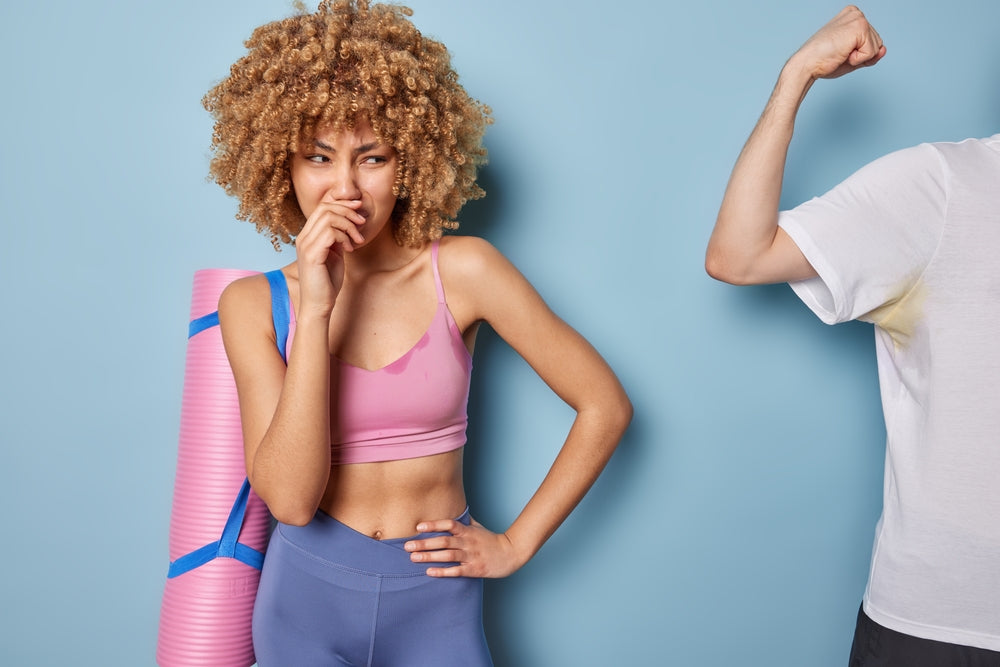
5. Avoiding Vinegar Or Baking Soda
Many people avoid these natural cleaners, but a pre-soak with vinegar or baking soda can break down odors effectively.
Credit: hercleon.com
How To Wash Workout Clothes Properly
Washing gym clothes the right way can make a huge difference in odor control. Here’s a step-by-step approach that works:
Step 1: Air Out Immediately
After your workout, hang your clothes up to dry. Don’t let them sit wet in a bag or hamper.
Step 2: Pre-soak
Soak clothes in a mixture of water and white vinegar (1 cup per basin) or baking soda (half a cup per basin) for 30 minutes. This breaks down oils and kills bacteria.
Step 3: Use The Right Detergent
Choose detergents made for synthetic fabrics or sportswear. These are designed to lift out body oils and bacteria.
Step 4: Don’t Overload The Machine
Give your clothes room to move. Overloading traps dirt and bacteria between layers.
Step 5: Wash On Warm
Check the label, but use a warm setting when possible. Hot water kills more bacteria but can damage some synthetic fabrics.
Step 6: Skip Fabric Softener
Fabric softener leaves a coating on fibers, trapping odors and reducing the “wicking” power of the fabric.
Step 7: Extra Rinse
Add an extra rinse cycle to make sure all detergent and residues are washed away.
Step 8: Dry Thoroughly
Air-dry in the sun if possible. Sunlight helps kill bacteria and freshen fabrics. If you use a dryer, choose a low heat setting.
Comparison Of Cleaning Methods
Below is a comparison of popular odor-fighting methods for workout clothes:
| Method | Effectiveness | Best For | Drawbacks |
|---|---|---|---|
| Vinegar Soak | High | Persistent odors, bacteria | May leave light vinegar smell if not rinsed well |
| Baking Soda Soak | Medium-High | Odor, mild stains | Can reduce color vibrancy |
| Sports Detergent | High | Synthetic fabrics | More expensive than regular detergent |
| Regular Detergent | Low-Medium | Lightly soiled clothes | May not remove deep odors |
| Sun Drying | Medium | All fabrics | Not always possible, risk of fading |
Choosing The Best Workout Clothes To Avoid Odor
Not all workout clothes are equal when it comes to odor control. Some fabrics and features can help keep you fresher, longer.
Best Fabrics For Odor Control
- Merino Wool: Naturally antibacterial, controls odor better than synthetics and stays comfortable even when wet.
- Bamboo: Has natural antibacterial properties, soft, and moisture-wicking.
- Polyester/Polypropylene with Silver Ions: Some brands treat synthetic fibers with silver or copper ions to kill bacteria.
What To Avoid
- 100% cotton for intense workouts (holds moisture and dries slowly)
- Cheap synthetics with no odor-control treatments
Features To Look For
- Mesh panels for breathability
- Flat seams to reduce friction and bacteria buildup
- Quick-dry and moisture-wicking labels
Table: Fabric Comparison For Odor Control
| Fabric | Odor Resistance | Drying Speed | Comfort Level |
|---|---|---|---|
| Merino Wool | Excellent | Fast | High |
| Bamboo | Good | Medium | High |
| Treated Polyester | Good | Very Fast | Medium |
| Regular Polyester | Poor | Very Fast | Medium |
| Cotton | Poor | Slow | High |
Extra Tips For Keeping Workout Clothes Fresh
Even if you follow all the washing steps, these practical habits can help your clothes smell better and last longer.
Rotate Your Workout Gear
Don’t wear the same outfit two days in a row. Rotating allows clothes to dry fully and reduces bacteria growth.
Wash After Every Use
Even if you only wore the clothes for a short workout, bacteria and sweat can multiply quickly. Wash after each use.
Store Clothes Properly
Make sure clothes are completely dry before storing them. Avoid plastic bags or closed containers that trap moisture.
Use A Laundry Booster
Enzyme-based boosters can help break down oils and proteins that regular detergents miss.
Clean Your Washing Machine
Run an empty hot cycle with vinegar or a washing machine cleaner every month. A dirty machine can transfer smells back to your clothes.
Don’t Ignore Underarm Stains
Treat stains with a paste of baking soda and water before washing. This can prevent odor buildup in the most common problem areas.
How Often Should You Replace Workout Clothes?
Even with the best care, workout clothes won’t last forever. Over time, sweat, oil, and bacteria can build up in the fibers. Here are signs it’s time to replace your gear:
- Persistent smell after washing
- Fabric feels rough or sticky
- Visible stains or fading
- Loss of stretch or shape
In general, high-use items like sports bras, base layers, and socks need more frequent replacement than outer layers.
Credit: www.nike.com
Myths About Smelly Workout Clothes
Many people believe things about smelly gym clothes that simply aren’t true. Let’s clear up some common myths:
Myth 1: “more Detergent Means Cleaner Clothes”
As mentioned earlier, extra detergent can make things worse by leaving residue that traps odor. Stick to the recommended amount.
Myth 2: “freezing Clothes Kills Bacteria”
While freezing can stop bacteria from growing, it doesn’t kill them. As soon as clothes warm up, the bacteria become active again.
Myth 3: “you Can’t Get The Smell Out Once It’s There”
With the right techniques—pre-soaking, using sports detergent, and proper drying—you can often restore even very smelly clothes.
The Hidden Dangers Of Not Treating Smelly Clothes
Ignoring odor isn’t just a comfort issue. Persistent bacteria in your clothes can cause skin problems like rashes, acne, and fungal infections. Smelly clothes can also make you self-conscious in group settings or classes, affecting your confidence and performance.
How Sweat And Odor Affect Different Types Of Sports
Depending on your sport or activity, odor can be more or less of a problem. For example:
- Yoga/Pilates: Close physical contact and slow movements mean odor is more noticeable.
- Running/Cycling: High sweat production increases bacteria growth.
- Weightlifting/CrossFit: Frequent movement and shared equipment raise the risk of bacteria transfer.
- Swimming: Chlorine can help kill bacteria, but tight-fitting suits can trap sweat and skin oils.
Table: Odor Risk By Activity
| Sport/Activity | Odor Risk | Main Problem |
|---|---|---|
| Yoga/Pilates | Medium | Close contact, slow drying |
| Running | High | Heavy sweat, synthetic gear |
| Cycling | High | Tight fit, sweat buildup |
| Weightlifting | Medium | Reused gear, bacteria transfer |
| Swimming | Low-Medium | Tight suits, chlorine residue |
Non-obvious Insights Most People Miss
While most guides talk about washing and drying, two less obvious but important insights are:
- Your skin care routine affects odor: Using heavy lotions, oils, or deodorants can add to the residue that gets trapped in your clothes, making odors worse. Try switching to lighter, non-oily products before workouts.
- The type of water in your area matters: Hard water can make detergents less effective, leaving more bacteria behind. If you notice soap scum or stiff clothes, consider using a water softener or special detergent for hard water.
What To Do When Nothing Works
If you’ve tried everything and your clothes still smell, it might be time for a deep clean. Soak clothes overnight in a solution of oxygen bleach (not chlorine bleach) and warm water, then wash as usual. This can break down even stubborn, old odors.
Still smelly? It’s a sign the fabric has broken down and needs to be replaced.
When To Seek Professional Help
If you have sensitive skin, eczema, or repeated skin infections, consult a doctor or dermatologist. Persistent odor could signal a yeast or fungal infection that needs medical attention. Also, if you notice strong, unusual smells that don’t improve with cleaning, check your washing machine for mold.
Eco-friendly Ways To Control Odor
If you care about the environment, you can fight odor without harsh chemicals:
- Vinegar and baking soda are natural, safe, and biodegradable.
- Line drying in the sun uses no energy and naturally kills bacteria.
- Reusable laundry balls can help agitate dirt and bacteria without extra water or detergent.
Final Thoughts
Dealing with smelly workout clothes is a normal part of an active life, but it doesn’t have to ruin your routine. By understanding why smells develop, using the right washing techniques, and choosing better fabrics, you can keep your gear fresh and extend its life. Small changes—like airing out clothes, using the correct detergent, and adding a pre-soak—can make a big difference. Staying fresh isn’t just about comfort; it’s about confidence and health, too.
If you want to go deeper into the science of odor and bacteria, check out this body odor guide on Wikipedia.
Frequently Asked Questions
Why Do My Workout Clothes Smell Even After Washing?
Synthetic fabrics trap sweat, oil, and bacteria more than natural fibers. Standard detergents may not remove these completely, so odors can remain even after washing.
Can I Use Regular Detergent For My Gym Clothes?
You can, but sports detergents are better at removing sweat and bacteria from synthetic fibers. Regular detergent may leave some odor behind or create residue.
Is It Safe To Use Vinegar Or Baking Soda On Workout Clothes?
Yes, both are safe and effective for most fabrics. Vinegar helps kill bacteria and remove smells, while baking soda breaks down odors. Always rinse well to avoid residue.
How Often Should I Replace My Workout Clothes?
Replace items when they stay smelly after washing, lose their shape, or feel rough. High-use items like socks and sports bras usually need more frequent replacement.
Does Air Drying Or Machine Drying Work Better For Odor Control?
Air drying in the sun is best because sunlight kills bacteria. If that’s not possible, machine drying on low heat is fine, but make sure clothes are fully dry before storing.
By following these tips and understanding the science behind smelly workout clothes, you can keep your gear—and yourself—smelling fresh and ready for every workout.
