

Women's Business Casual Shoes: Top Styles for Modern Professionals
Women’s Business Casual Shoes: Complete Guide for Style, Comfort, and Confidence
Finding the right pair of business casual shoes for women is more than just a fashion decision. The shoes you wear shape how you feel, how you walk, and even how others see you in the workplace. Business casual style is about looking professional yet feeling comfortable all day. For many women, choosing shoes that fit both work dress codes and personal comfort can be confusing. There are so many options, styles, and trends. This guide helps you understand what matters most, how to pick the best pair, and how to avoid common mistakes.
What Are Women’s Business Casual Shoes?
Business casual shoes are designed for offices and workplaces where strict formal dress codes are not enforced. You don’t need high heels or shiny dress shoes, but you also shouldn’t wear sneakers or flip-flops. The focus is on balance: smart, neat, and comfortable. Popular types include loafers, ballet flats, low block heels, mules, and sometimes ankle boots. These shoes come in neutral colors, simple designs, and are made from materials like leather, suede, or quality synthetics.
Key Features
- Closed toe styles are usually preferred for most offices.
- Low to mid heel heights are common.
- Neutral colors like black, brown, navy, and beige match most business casual outfits.
- Materials such as leather, suede, or faux leather look professional.
- Designs avoid flashy decorations or bright colors.
Why Comfortable Business Casual Shoes Matter
Comfort is not just a luxury — it’s essential for productivity and health. A study by the American Podiatric Medical Association found that 87% of women have experienced foot pain from uncomfortable shoes at work. Pain can distract you and even cause problems like blisters, bunions, or back pain. Choosing shoes that fit well and provide support helps you focus, move confidently, and feel good all day.
Long-term Benefits
- Fewer foot and leg problems
- Improved posture and energy
- Better job performance
- Higher confidence levels
Signs Of Comfortable Shoes
- Cushioned insoles absorb shock
- Good arch support
- Enough toe space to avoid squeezing
- Flexible, non-slippery soles
Types Of Women’s Business Casual Shoes
Many shoe types fit the business casual category. Each has its own strengths, style, and comfort level. Let’s look at the main options.
Loafers
Loafers are slip-on shoes with a simple shape. They are practical, stylish, and easy to match with pants or skirts. Most loafers have low heels and soft insoles. Penny loafers and tassel loafers are popular choices.
Ballet Flats
Ballet flats are lightweight shoes with thin soles. They offer maximum comfort and flexibility. These are best for jobs where you move around a lot. Some flats have cushioned insoles for extra support.
Block Heels
Block heels are shoes with thick, square-shaped heels. They give height without sacrificing stability. Many women prefer block heels over stilettos because they reduce pressure on the feet.
Mules
Mules are backless shoes that can be flat or have a low heel. They’re easy to slip on and off. Mules work well with cropped pants or midi skirts.
Ankle Boots
Ankle boots are short boots ending just above the ankle. Choose boots with simple designs and low heels for a business casual look. Leather or suede boots in neutral colors are best.
Oxfords And Derby Shoes
These lace-up shoes have a classic design. They are more formal but can be worn in business casual settings, especially with pants or tailored outfits.
Mary Janes
Mary Jane shoes have a strap across the top. They are feminine and comfortable, with low or medium heels.
Sneakers (only Certain Styles)
Some workplaces allow clean, minimal leather sneakers. Avoid sporty or flashy styles. Choose sneakers in simple colors like white or black.
Comparison Of Popular Styles
To help you pick the best shoe, here’s a side-by-side look at comfort, versatility, and price range:
| Shoe Type | Comfort | Versatility | Average Price Range (USD) |
|---|---|---|---|
| Loafers | High | High | $60-$180 |
| Ballet Flats | Moderate to High | High | $40-$140 |
| Block Heels | Moderate | Medium | $70-$200 |
| Mules | Moderate | Medium | $50-$160 |
| Ankle Boots | Moderate | Medium | $80-$250 |
| Oxfords | Moderate | Medium | $90-$200 |
| Mary Janes | High | Medium | $50-$150 |
| Leather Sneakers | High | Medium | $70-$170 |

Credit: www.fablifeforever.com
Materials And Quality: What To Look For
Material quality affects both comfort and durability. Here are the main options and their pros and cons:
- Leather: Strong, flexible, and breathable. Lasts longer but can be expensive.
- Suede: Soft and stylish but harder to clean.
- Faux leather: Cheaper and animal-friendly but not as durable.
- Textile: Lightweight and flexible, but usually less formal.
Choose materials that fit your needs. If you walk a lot, look for flexible soles and strong stitching. Shoes with padded insoles and soft lining prevent blisters and discomfort.
How To Choose The Right Pair
There’s no single “best” shoe. Your perfect pair depends on your workplace, style, and foot shape. Here’s how to make a smart choice:
- Check the dress code. Some offices are more relaxed than others.
- Think about your routine. If you stand or walk often, prioritize comfort.
- Match colors and styles. Neutral colors are safest, but add a touch of personality if allowed.
- Try before you buy. Walk around in the store. Make sure there’s no pinching or slipping.
- Read reviews. Other buyers often mention if shoes run small or are uncomfortable.
Common Mistakes
Many beginners make these mistakes:
- Buying shoes that are too tight, hoping they will stretch.
- Choosing high heels for style, then suffering pain.
- Ignoring sole grip, leading to slipping accidents.
- Picking shoes with poor breathability.
Avoid these errors by focusing on fit and function first.
Best Brands For Women’s Business Casual Shoes
Several brands are known for their quality, comfort, and style. Here are a few top names:
- Clarks: Famous for comfortable loafers and flats.
- Naturalizer: Offers cushioned insoles and wide sizes.
- Cole Haan: Stylish options with flexible soles.
- Sam Edelman: Trendy block heels and mules.
- Dr. Scholl’s: Focuses on comfort and arch support.
- Steve Madden: Modern designs for younger professionals.
- ECCO: Durable leather shoes with great support.
Each brand has its own strengths, so check their collections and customer feedback.
Business Casual Shoes For Different Work Environments
The right shoe depends on your workplace. Here are some examples:
Corporate Offices
Stick to classic loafers, block heels, or ballet flats in neutral colors. Avoid anything too flashy.
Creative Agencies
You can add more style. Try mules, ankle boots, or unique loafers. Colors like burgundy or navy are acceptable.
Healthcare Or Education
Comfort is key. Choose cushioned flats or supportive sneakers if allowed.
Retail Or Hospitality
Look for slip-resistant soles and shoes with good arch support.
Style Tips For Business Casual Shoes
Even with strict dress codes, you can express your style. Here are some tips:
- Match your shoes to your belt or bag for a cohesive look.
- Use shoe polish to keep leather shoes shiny and neat.
- Add insoles for extra comfort, especially in flats.
- Choose pointed or almond toe shapes for a modern touch.
- Avoid open-toe shoes unless your workplace allows them.
Shoe Color Matching Guide
Color is important for business casual style. Here’s a quick guide:
| Shoe Color | Best Matches | Occasion Suitability |
|---|---|---|
| Black | Black, navy, gray outfits | Most formal settings |
| Brown | Earth tones, beige, olive | Less formal offices |
| Navy | Blue, white, gray | Creative or relaxed workplaces |
| Beige | Pastels, light colors | Spring and summer |
| White | All colors except black | Casual Fridays |
Caring For Your Business Casual Shoes
Taking care of your shoes keeps them looking professional and lasting longer. Here’s what you need to do:
- Clean regularly. Wipe off dust and dirt with a soft cloth.
- Polish leather shoes. Use shoe polish every few weeks.
- Protect from water. Spray suede shoes with waterproof spray.
- Store properly. Keep shoes in a cool, dry place. Use shoe trees for leather shoes.
- Rotate pairs. Don’t wear the same pair every day. This helps them last longer and prevents odor.
Fixing Common Shoe Problems
- If shoes feel tight, try a shoe stretcher or wear thick socks to loosen them.
- For slippery soles, use grip pads or rubber sole protectors.
- Blisters can be prevented with gel inserts or band-aids.
How Business Casual Shoes Affect Your Professional Image
Shoes are often noticed before the rest of your outfit. Wearing the right pair shows you care about details and professionalism. According to a survey by CareerBuilder, over 75% of hiring managers say shoes influence their impression of a candidate. Clean, stylish shoes give you confidence and help build trust.
Non-obvious Insight: Shoe Shape And Body Language
One thing many people miss is how shoe shape affects posture and movement. Pointed toes make you stand straighter, while rounded toes are more relaxed. Wearing the right shoes can subtly change your body language, making you appear more confident or approachable.
Business Casual Shoes For Different Foot Types
Not all shoes fit every foot. If you have wide feet, look for brands with “wide fit” options. Flat feet need extra arch support; high arches require cushioned insoles. Some brands offer custom fit or orthotic-friendly shoes.
Fitting Guide
- Stand up when trying shoes. Your feet spread more when standing.
- Shop at the end of the day, when feet are slightly larger.
- Walk around for a few minutes to check comfort.
- Leave space for toes — about half an inch between your longest toe and the shoe tip.
Trends In Women’s Business Casual Shoes
Fashion is always changing, even in business casual shoes. Some recent trends:
- Chunky loafers with thick soles
- Slingback flats for a feminine touch
- Hybrid sneakers that look like dress shoes
- Animal prints (subtle, not flashy)
- Two-tone color schemes (black and white, navy and beige)
Many women now choose shoes with both style and comfort. Brands focus on flexible materials, memory foam insoles, and non-slip soles.
Sustainability And Ethical Choices
More buyers now care about how shoes are made. Sustainable materials like recycled leather, plant-based fibers, and eco-friendly dyes are becoming popular. Some brands use ethical labor practices and support fair trade.
If you want to buy ethical shoes:
- Look for brands with certified sustainable materials
- Check for fair labor standards
- Choose shoes with minimal packaging
For more information on sustainable footwear, visit Sustainable Fashion.
Business Casual Shoe Mistakes To Avoid
Even experienced professionals sometimes make mistakes. Here are a few you should watch for:
- Wearing open-toe shoes in strict offices
- Using shoes with worn-out soles
- Choosing shoes that clash with your outfit colors
- Ignoring comfort for style
- Buying cheap shoes that don’t last
If you avoid these errors, your shoes will support both your look and your confidence.
Pros And Cons Of Different Business Casual Shoe Types
Each type has advantages and disadvantages. Here’s a quick summary:
| Shoe Type | Pros | Cons |
|---|---|---|
| Loafers | Easy to slip on, versatile | Can lack arch support |
| Ballet Flats | Lightweight, comfortable | Less protection for feet |
| Block Heels | Stable, stylish | Heavier than flats |
| Mules | Easy to wear, trendy | Less secure, can slip off |
| Ankle Boots | Good for cold weather | Not ideal for all seasons |
| Oxfords | Classic look, durable | More formal, less casual |
| Mary Janes | Feminine, comfortable | Style not for everyone |
| Leather Sneakers | High comfort, modern | Not always accepted |
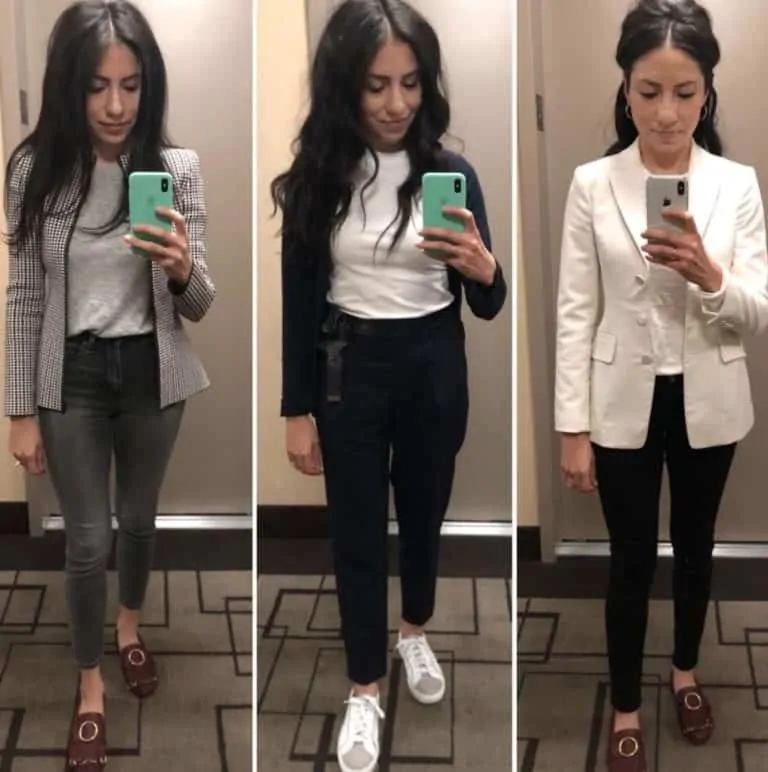
Credit: nilds.gov.ng
Women’s Business Casual Shoes For Travel
If you travel for work, shoes become even more important. Choose:
- Lightweight shoes that are easy to pack
- Slip-on styles for airport security
- Shoes with cushioned insoles for walking
- Neutral colors to match different outfits
Bring two pairs: one for meetings, one for comfort during travel.
Packing Tips
- Use shoe bags to protect shoes
- Stuff shoes with socks to keep their shape
- Avoid packing wet shoes
How To Break In New Business Casual Shoes
New shoes can be stiff and uncomfortable. Here’s how to break them in:
- Wear them for short periods at first
- Use thick socks to stretch tight spots
- Apply shoe stretcher spray for stubborn areas
- Walk indoors before wearing them outside
Breaking in shoes slowly prevents blisters and pain. If you feel discomfort, stop and try again later.
Women’s Business Casual Shoes For Special Needs
Some women need shoes for medical reasons. Look for:
- Orthopedic insoles for arch support
- Wide sizes for bunions or swelling
- Shoes with adjustable straps for easy fit
Many brands now offer stylish options for women with special foot needs.
Frequently Asked Questions
What Styles Are Most Comfortable For All-day Wear?
Loafers, ballet flats, and leather sneakers are usually the most comfortable. Look for shoes with cushioned insoles and arch support. Avoid high heels or shoes with narrow toe boxes.
How Do I Know If My Shoes Fit Properly?
Stand and walk around in the shoes. There should be about half an inch between your longest toe and the shoe tip. Your heel should not slip, and toes should not feel squeezed. Comfort is the top priority.
Can Business Casual Shoes Be Worn With Jeans?
Yes, as long as the jeans are neat and not distressed. Loafers, block heels, and ankle boots match well with slim or straight-leg jeans. Avoid overly casual shoes or sneakers unless your workplace allows them.
How Can I Make My Business Casual Shoes Last Longer?
Clean them regularly, polish leather shoes, protect from water, and store properly. Rotate your pairs and use insoles if needed. Avoid wearing the same shoes every day.
Are There Business Casual Shoes For Wide Feet?
Many brands offer wide fit options. Look for shoes labeled “wide” or “extra wide.” Loafers, Mary Janes, and ballet flats often come in wider sizes. Custom insoles can also help.
Great shoes help you look professional, feel confident, and stay comfortable. With the right pair, you can focus on your work and make the best impression every day.

Credit: www.amazon.com
