

Will Gym Clothes Shrink in the Dryer? What You Need to Know
Will Gym Clothes Shrink In The Dryer
Gym clothes have become a part of daily life for millions of people. Whether you are a professional athlete, a casual runner, or someone who enjoys yoga at home, you probably own at least a few pairs of gym shorts, leggings, or workout shirts. After a sweaty workout, it’s natural to toss your gym clothes into the washer and then the dryer. But have you ever wondered: Will gym clothes shrink in the dryer?
This question is more important than it seems. Shrinking can ruin the fit and performance of activewear. You might notice your favorite leggings getting shorter or your shirt feeling tighter after a few cycles. And unlike regular clothes, gym wear is often more expensive and made of high-tech fabrics that need proper care.
Understanding what happens in the dryer can help you keep your gym clothes in top shape for much longer.
In this article, we will break down why gym clothes shrink, what fabrics are at risk, how dryers affect them, and how you can prevent unwanted shrinking. We will look at real examples, scientific facts, and common mistakes that many people make.
By the end, you will know exactly how to care for your gym clothes so they stay comfortable and last longer.
Why Gym Clothes Shrink: The Science Behind It
Many people blame the dryer for shrinking their gym clothes, but the real answer is a bit more complex. Shrinking is a result of heat, moisture, and fabric structure working together.
When you wash clothes, the heat from the water and the agitation from the machine loosen the fibers in the fabric. The dryer then uses more heat to remove moisture, but this same heat can cause fibers to contract. Natural fabrics like cotton are especially sensitive, but even synthetic fabrics can shrink under certain conditions.
Elastic fibers like spandex (often called Lycra or elastane) are common in gym clothes. These fibers are stretchy, but they can lose their shape and shrink if exposed to high temperatures repeatedly. Polyester, another popular fabric, is usually more resistant, but it’s not immune to shrinking.
One non-obvious fact is that shrinkage can be permanent. Once fibers contract beyond a certain point, no amount of stretching will return them to their original size. This is why some gym clothes feel different after only one wash-and-dry cycle.
Common Fabrics Used In Gym Clothes
Not all gym clothes are made the same. Different fabrics react differently in the dryer. Here are the most common ones:
Cotton
Cotton is soft and breathable, making it a popular choice for T-shirts and sweatpants. However, cotton fibers are known to shrink easily, especially in hot water and high dryer heat. Pure cotton will usually shrink the most, especially after the first wash.
Polyester
Polyester is a synthetic fiber that resists shrinking better than cotton. Many athletic shirts, shorts, and leggings use polyester blends for durability and moisture-wicking. However, very high dryer temperatures can still cause some shrinkage or warping.
Spandex (lycra/elastane)
Spandex is famous for its stretch. It is often blended with other materials to give gym clothes flexibility. While it does not shrink in the same way as cotton, heat can break down the elastic fibers, causing the fabric to lose stretch and fit poorly.
Nylon
Nylon is lightweight and quick-drying. It is commonly found in running shorts, windbreakers, and some leggings. Like polyester, nylon is more resistant but can still shrink or become damaged under high heat.
Bamboo And Modal
Eco-friendly options like bamboo and modal are popular for their softness and moisture control. These fibers can shrink in the dryer, especially if blended with cotton.
Fabric Shrinkage Comparison
To better understand how different fabrics react, see this comparison:
| Fabric Type | Shrinkage Risk (Low/Medium/High) | Recommended Dryer Setting |
|---|---|---|
| Cotton | High | Low/Delicate or Air Dry |
| Polyester | Low-Medium | Low or Permanent Press |
| Spandex | Medium | Low Heat or Air Dry |
| Nylon | Medium | Low Heat |
| Bamboo/Modal | Medium-High | Low/Delicate |
How Dryers Affect Gym Clothes
The dryer is not always the enemy, but using it incorrectly can cause real problems. The main factors are heat, tumble action, and drying time.
Heat
High heat is the most common reason for shrinking. Most dryers have several settings, from air fluff to high heat. Even “medium” settings can be risky for sensitive gym fabrics. High heat can make cotton fibers contract, and it can damage the elasticity of spandex and similar materials.
Tumble Action
The tumbling inside the dryer can stretch or stress delicate fibers, especially if the drum is overloaded. This is why some clothes lose their shape or develop pilling after repeated cycles.
Drying Time
Long drying times mean more exposure to heat. Overdrying is a common mistake that can shrink and damage gym clothes. Many modern dryers have sensors to help prevent this, but not all machines are accurate.
Dryer Vs. Air Dry: Performance Test
To see the difference, here is a simple comparison:
| Method | Result on Gym Clothes | Time Required |
|---|---|---|
| High Heat Dryer | Possible shrinkage, damage to stretch, fading | 30-60 minutes |
| Low Heat Dryer | Less shrinkage, still some risk | 40-70 minutes |
| Air Dry (Flat or Line) | Least shrinkage, preserves fabric and color | 1-6 hours (varies by climate) |
Real Examples: Shrinking Stories
Many people have experienced the disappointment of pulling out a favorite gym shirt only to find it is a size smaller. Here are some real-world scenarios:
- Cotton T-Shirt Shrinks: After one cycle in a hot dryer, a cotton gym shirt can shrink by up to 5%. For a medium shirt, this is often the difference between a comfortable fit and a tight, restrictive one.
- Leggings Lose Stretch: High-quality leggings with spandex can lose up to 15% of their stretch after being dried at high temperatures just a few times. They might look the same, but feel tighter or not snap back into shape.
- Bamboo Blend Shorts: These are often praised for softness, but after repeated heat drying, they can shrink noticeably and lose their smooth texture.
It’s not just about size—the fit, comfort, and performance can all be affected.
How To Prevent Gym Clothes From Shrinking
If you want your workout gear to last, you need to change how you wash and dry it. The good news: a few simple habits can make a big difference.
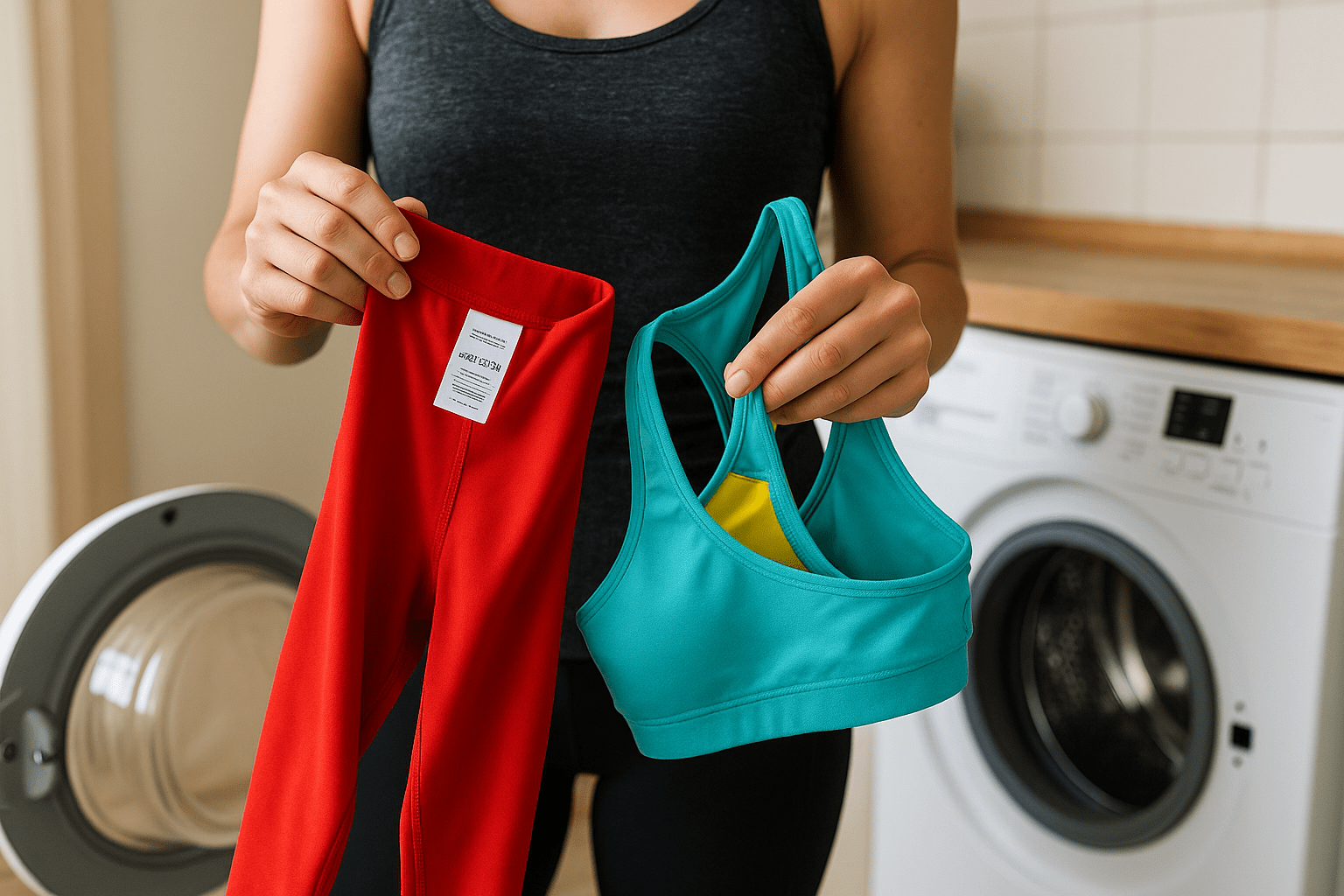
1. Read The Care Label
Every piece of gym clothing comes with a care label. This small tag tells you the best washing and drying methods. Some clothes are marked “tumble dry low” or “do not tumble dry”. Ignore these at your own risk.
2. Wash In Cold Water
Hot water can start the shrinking process. Washing in cold water is gentler on both the fabric and the elastic fibers, reducing the risk of shrinkage.
3. Use Low Heat Or Air Dry
Set your dryer to the lowest possible heat, or better yet, skip the dryer and air dry your gym clothes. Hang them up or lay them flat to dry naturally.
4. Don’t Overload The Dryer
A packed dryer increases friction, which can stretch and stress your gym clothes. Give them space to tumble freely.
5. Remove Clothes Promptly
Take clothes out as soon as the cycle ends to prevent extra heat exposure.
6. Use A Mesh Laundry Bag
For smaller items like bras or compression shorts, use a mesh laundry bag. This reduces stretching and protects the fabric during both washing and drying.
7. Avoid Fabric Softeners
Fabric softeners can coat the fibers and reduce the elasticity of performance fabrics. They can also trap odors and reduce moisture-wicking.
8. Dry Inside Out
Turning clothes inside out can reduce fading and protect prints or logos, but it also helps preserve the surface fibers from direct heat.
9. Spot Clean When Possible
Instead of washing after every use, spot clean sweat marks or stains. This reduces the number of wash and dry cycles your gym clothes go through.
10. Rotate Gym Clothes
Wearing the same outfit every day means more frequent washing and drying. Having a few sets in rotation gives each piece more time to recover.
Special Tips For Popular Gym Clothes
Some gym clothes need extra attention. Here are tips for specific items:
Leggings
- Always wash in cold water.
- Air dry flat to keep the shape.
- Avoid wringing out, as this can stretch the waistband.
Sports Bras
- Use a mesh bag.
- Air dry or use the “delicate” dryer setting.
- Reshape the cups before drying.
Compression Shirts And Shorts
- Don’t use fabric softener.
- Dry on a towel to absorb extra moisture quickly.
Performance T-shirts
- Wash with similar fabrics to prevent pilling.
- Hang dry to avoid collar shrinkage.
Jackets And Windbreakers
- Close all zippers and Velcro to reduce snags.
- Avoid the dryer unless the label says it’s safe.
Credit: sportek.com
Understanding Fabric Labels
Decoding care labels can be confusing, but it’s important for preventing shrinkage. Here are common symbols and what they mean:
- Tumble Dry Low: Safe for low heat in the dryer.
- Line Dry: Hang on a line, avoid the dryer.
- Do Not Tumble Dry: Air dry only; heat will cause damage.
- Do Not Iron: High heat can ruin synthetic performance fabrics.
- Hand Wash Only: Very delicate; machine washing and drying are risky.
If you are unsure, it’s always safer to air dry.
The Role Of Fabric Blends
Many gym clothes are made from fabric blends. This means they mix two or more fibers, like cotton and polyester, or polyester and spandex. Blends can change how a garment reacts to heat.
For example, a shirt that is 60% cotton and 40% polyester will shrink less than a shirt made of 100% cotton, but more than one made of 100% polyester. Adding spandex helps with stretch, but also makes the fabric more sensitive to high heat.
A hidden risk is that different fibers in a blend can shrink at different rates, which can cause clothes to become misshapen or twist out of alignment. This is why some gym clothes look “crooked” after drying.
Credit: www.nike.com
Synthetic Vs. Natural Fabrics: Shrinkage Explained
Understanding the difference between synthetic and natural fabrics helps you avoid surprises.
- Natural fibers (cotton, bamboo, modal) absorb water and expand during washing, then contract and shrink when dried with heat.
- Synthetic fibers (polyester, nylon, spandex) don’t absorb much water and are less likely to shrink, but they can melt, become brittle, or lose stretch with high heat.
Here’s a quick comparison:
| Fabric Group | Sensitivity to Heat | Recommended Care |
|---|---|---|
| Natural | High | Cold wash, air dry |
| Synthetic | Medium | Cold wash, low heat or air dry |
| Blends | Medium-High | Follow most sensitive fiber’s care |
The Hidden Dangers: More Than Just Shrinkage
Shrinkage is not the only risk when drying gym clothes. Here are some other problems caused by improper drying:
- Loss of Stretch: Elastic fibers break down, so the clothes don’t fit snugly.
- Pilling: Small balls of fiber form on the surface, making clothes look old.
- Color Fading: High heat and over-drying can cause bright colors to fade.
- Odor Retention: Heat can “bake in” sweat odors, making them hard to remove.
- Fabric Weakening: Repeated drying at high temperatures wears out the fibers, causing holes or tears sooner.
What About “pre-shrunk” Gym Clothes?
Some brands advertise “pre-shrunk” fabrics. This means the fabric was washed and dried before cutting and sewing, so it should shrink less. However, “pre-shrunk” does not mean “shrink-proof. ” High heat can still cause further changes, especially if the garment is made from blends or includes spandex.
A non-obvious insight: pre-shrunk gym clothes may shrink less in length, but can still lose stretch or shape if dried incorrectly.
How To “unshrink” Gym Clothes
If you accidentally shrink your gym clothes, there are a few tricks to try, but results are not guaranteed.
- Soak in Lukewarm Water with Baby Shampoo: This can relax the fibers.
- Gently Stretch While Wet: Lay flat and pull gently to reshape.
- Air Dry: Never put back in the dryer.
This method sometimes works for cotton and blends, but it won’t restore elastic fibers once they are damaged.
Myths About Gym Clothes And Dryers
Several myths confuse people about gym clothes and shrinkage.
- Myth: Polyester Never Shrinks
Fact: Polyester can shrink at high temperatures and lose its shape.
- Myth: Using the Dryer’s “Cool Down” Setting Prevents Shrinking
Fact: The “cool down” part is short and only helps at the end. If you use high heat first, shrinkage can still occur.
- Myth: Expensive Gym Clothes Don’t Shrink
Fact: Price does not guarantee resistance. Care instructions matter more.
- Myth: Gym Clothes Must Be Washed in Hot Water to Remove Sweat
Fact: Cold water with the right detergent cleans just as well and is safer for fabric.
How Often Should You Wash And Dry Gym Clothes?
Washing after every use is common, but it’s not always necessary unless the clothes are soaked with sweat or visibly dirty. Over-washing and drying can wear out fabrics faster.
If you do a light workout, airing out the clothes and spot cleaning might be enough. For heavy workouts, a gentle wash and air dry is best. Rotating between several outfits helps reduce wear.
Eco-friendly Options For Drying Gym Clothes
Air drying is not just gentle on your clothes; it’s also better for the environment. Dryers use a lot of energy. By air drying, you reduce your carbon footprint and lower your electricity bill.
Some people use dryer balls (wool or plastic) to reduce drying time and static. These can help but don’t prevent shrinkage if the heat is still too high.
Should You Ever Use The Dryer For Gym Clothes?
Sometimes, you need your gym gear dry quickly. In these cases:
- Use the lowest heat setting.
- Remove clothes while still slightly damp and let them finish air drying.
- Never use “high” or “cotton” settings for synthetic or blended gym clothes.
If you must use the dryer, check the care label first.

Credit: sportek.com
Professional Athlete And Laundry Expert Advice
Many professional athletes avoid the dryer for their gym clothes. Instead, they:
- Wash in cold water only.
- Hang dry immediately after washing.
- Store clothes loosely (never crammed in a drawer).
Laundry experts agree: gentle care extends the life of gym clothes. The small extra effort saves money and keeps your clothes comfortable and performing well.
The Cost Of Shrinking Gym Clothes
Replacing gym clothes can get expensive. A single pair of high-quality leggings or a branded sports shirt can cost much more than regular clothes. If you shrink them, you lose both money and comfort.
A non-obvious insight: Shrinking can also affect performance. Compression wear that is too tight can restrict movement, and loose clothes can cause chafing or reduce support.
What To Do If You Already Shrunk Your Clothes
If you’ve already made a mistake:
- Try “unshrinking” methods (see above).
- Use the shrunken item for less demanding activities (like yoga instead of running).
- Donate or recycle if it’s no longer comfortable.
Next time, change your washing and drying routine to prevent it from happening again.
Summary: Key Takeaways
- Most gym clothes can shrink in the dryer, especially if made from cotton, bamboo, modal, or blends.
- Heat is the main cause—use low or no heat when possible.
- Read and follow care labels carefully.
- Air drying is best for preserving fit, stretch, and color.
- Rotate and wash clothes gently to extend their lifespan.
- Even “pre-shrunk” clothes can change size with improper drying.
- Don’t believe myths—no fabric is completely shrink-proof.
For more details about fabric care, you can visit Wikipedia’s Clothing page.
Taking a few simple steps can help your gym clothes last longer and perform better, saving you money and frustration.
Frequently Asked Questions
Can I Put All Gym Clothes In The Dryer?
Not all gym clothes are dryer-safe. Check the care label first. Synthetic blends with spandex should be air dried or dried on the lowest setting to avoid shrinking and damage.
Why Do My Leggings Feel Tighter After Drying?
Leggings often contain spandex. High heat from the dryer can shrink or damage the elastic fibers, making them feel tighter or less stretchy.
Is Air Drying Always Better For Gym Clothes?
Air drying is the safest method for most gym clothes. It prevents shrinkage, color fading, and fabric damage. If you need to use the dryer, choose the lowest heat setting and remove clothes while still slightly damp.
What Happens If I Ignore The Care Label?
Ignoring the care label increases the risk of shrinking, fading, and losing stretch. Each fabric has specific needs, and the label is there to guide you.
How Can I Dry Gym Clothes Quickly Without A Dryer?
Roll the clothes in a clean towel and press gently to remove excess water, then lay flat or hang in a well-ventilated area. A fan can help speed up air drying without using heat.
Caring for gym clothes doesn’t have to be complicated, but a little attention goes a long way. Treat your gear well, and it will keep you comfortable and ready for your next workout.
