

Why Wear a Tshirt Under a Shirt: Surprising Benefits Explained
Why Wear A Tshirt Under A Shirt
Some style habits seem simple but have hidden benefits. Wearing a Tshirt under a shirt is one of them. Many people do this without thinking, while others wonder if it's needed. If you’ve ever asked yourself, “Should I wear a Tshirt under my shirt?”—you’re not alone. This article explores why it’s a smart choice, how it affects comfort and style, and what most people miss when deciding. You’ll discover practical reasons, expert tips, and even some non-obvious insights that help you make the best decision for your daily life.
Comfort And Personal Hygiene
Wearing a Tshirt under a shirt is much more than a fashion habit. It brings real comfort and keeps your body feeling fresh throughout the day. Let’s see why.
Absorbing Sweat
One of the main reasons people wear a Tshirt under their shirt is to absorb sweat. A Tshirt acts as a barrier between your skin and the shirt. It catches sweat before it reaches the outer shirt. This prevents embarrassing sweat marks and keeps your shirt looking clean.
- In warm weather, sweat is unavoidable. A Tshirt made from cotton or moisture-wicking material can absorb up to 25% of its own weight in sweat.
- Without an undershirt, sweat can soak through, leading to visible stains and bad smells.
- The Tshirt also helps manage sudden moments of stress or nervousness, which often cause extra sweating. Even if you rush for a bus or give a presentation, you feel more secure knowing your shirt will stay dry.
Reducing Body Odor
Body odor is caused by bacteria on your skin mixing with sweat. A Tshirt helps by:
- Trapping sweat close to the body, so fewer bacteria reach the shirt.
- Making it easier to wash away odor. Tshirts are easier to clean and dry than shirts.
- If you live in a humid climate or work long hours, you’ll notice your shirts stay fresher for longer. This is especially important if you don’t have time to change or wash clothes daily.
You may notice that shirts worn without an undershirt start to smell faster, especially after a long day. Also, even expensive colognes or deodorants cannot fully block odor if sweat soaks into your shirt. The Tshirt simply adds another layer of defense.
Protecting Skin
Some shirts are made from rough fabrics. These can cause itching or irritation. A Tshirt is softer and acts as a layer of protection. People with sensitive skin often find this extra layer stops chafing.
- For people who shave their chests, a Tshirt can prevent irritation from new hair growth rubbing against the shirt.
- If you have allergies to certain fabrics (like wool), a Tshirt protects your skin from direct contact.
Non-obvious Insight
If you have acne or skin problems, wearing a Tshirt can help by reducing friction and keeping your skin away from rough seams. This is a detail many beginners overlook. Also, a Tshirt can prevent redness or marks caused by backpack straps or seatbelts rubbing on your shirt.
Keeping Shirts In Good Condition
A shirt is often more expensive than a Tshirt. Protecting your shirt saves money and keeps you looking sharp.
Preventing Stains
- Sweat stains: These are hard to remove from shirts, especially light-colored ones. A Tshirt absorbs most of the sweat before it reaches the shirt.
- Deodorant marks: Sometimes, deodorant leaves white marks. These marks can ruin your shirt, but a Tshirt catches them first.
- Food and drink splashes: If you spill coffee or sauce, the Tshirt adds an extra barrier so the stain might not reach your skin or soak through.
Reducing Wear And Tear
Washing shirts too often can damage the fabric and fade the color. With a Tshirt underneath, you can wear your shirt multiple times before washing.
- Frequent washing shortens the shirt’s life.
- Tshirts are easier and cheaper to replace.
- Some shirt fabrics, like linen and silk, are very delicate. The Tshirt helps protect these materials from sweat acids, which can break down fibers over time.
Example
Consider a white dress shirt. After a few months of regular wear without a Tshirt, the collar and underarm areas often turn yellow. With a Tshirt, these stains are much less common. The collar’s inside stays crisp, even if you wear cologne or hair products, because the Tshirt absorbs oils from your neck and hair.
Comparison Table: Shirt Longevity
Here’s a quick look at how wearing a Tshirt affects the life of your shirt:
| Wearing Tshirt | No Tshirt |
|---|---|
| Lasts longer, less staining | Stains, fades faster |
| Needs less frequent washing | Needs frequent washing |
| Collar and armpits stay clean | Collar and armpits discolor |
Non-obvious Insight
If you travel often, wearing a Tshirt makes it easier to pack fewer shirts. You can wear the same shirt several times, changing only the Tshirt underneath. This helps save luggage space and means you always have a fresh layer against your skin, even if laundry is not available.
Temperature Regulation
The right clothing helps your body manage temperature. This is true for both cold and warm weather.
Staying Warm
In colder months, a Tshirt acts as a base layer. It traps body heat and keeps you warmer. Many people underestimate how much warmth a simple Tshirt provides.
- Layering keeps you comfortable without needing bulky clothing.
- A thin Tshirt can make a big difference in how you feel.
- If you move from indoors to outdoors often, the Tshirt helps your body adjust to temperature changes without feeling chilly.
Staying Cool
It might seem strange, but a Tshirt can also keep you cooler. Here’s how:
- Cotton Tshirts absorb sweat, which then evaporates and cools your skin.
- Moisture-wicking Tshirts move sweat away faster, keeping you dry.
- Some modern Tshirts are designed with mesh panels or ventilation zones, further improving airflow and comfort in hot conditions.
Practical Example
If you spend time outdoors or walk between buildings, the weather may change quickly. Having a Tshirt under your shirt helps you adapt. You can remove the shirt if you get too hot, or keep both layers for warmth. For example, you might leave the house in the morning when it’s cold, and by afternoon, it’s hot.
The Tshirt lets you unbutton or remove your shirt without feeling exposed.
Data Table: Temperature Management
| Weather | With Tshirt | Without Tshirt |
|---|---|---|
| Cold | Better insulation | Less warmth |
| Hot | Absorbs sweat, keeps dry | Sweat visible, discomfort |
| Variable | Easy to adjust layers | No flexibility |
Style And Appearance
Some people worry that wearing a Tshirt under a shirt will look bulky. But with the right Tshirt, it can actually improve your appearance.
Smoother Silhouette
A Tshirt helps hide body lines and makes your shirt fit better. It smooths out bumps and keeps your shirt from clinging to your skin.
- Especially useful for light or thin shirts.
- Helps with confidence, as you worry less about how your shirt looks.
- If you have tattoos, body hair, or uneven skin tone, a Tshirt helps create a cleaner, more uniform look under your shirt.
Preventing Transparency
Many shirts, especially white or light colors, can be see-through. A Tshirt underneath solves this problem.
- Keeps you modest.
- Avoids awkward situations.
- If you wear a shirt with a logo or print, a Tshirt prevents it from showing through, maintaining a smart appearance.
Fashion Choices
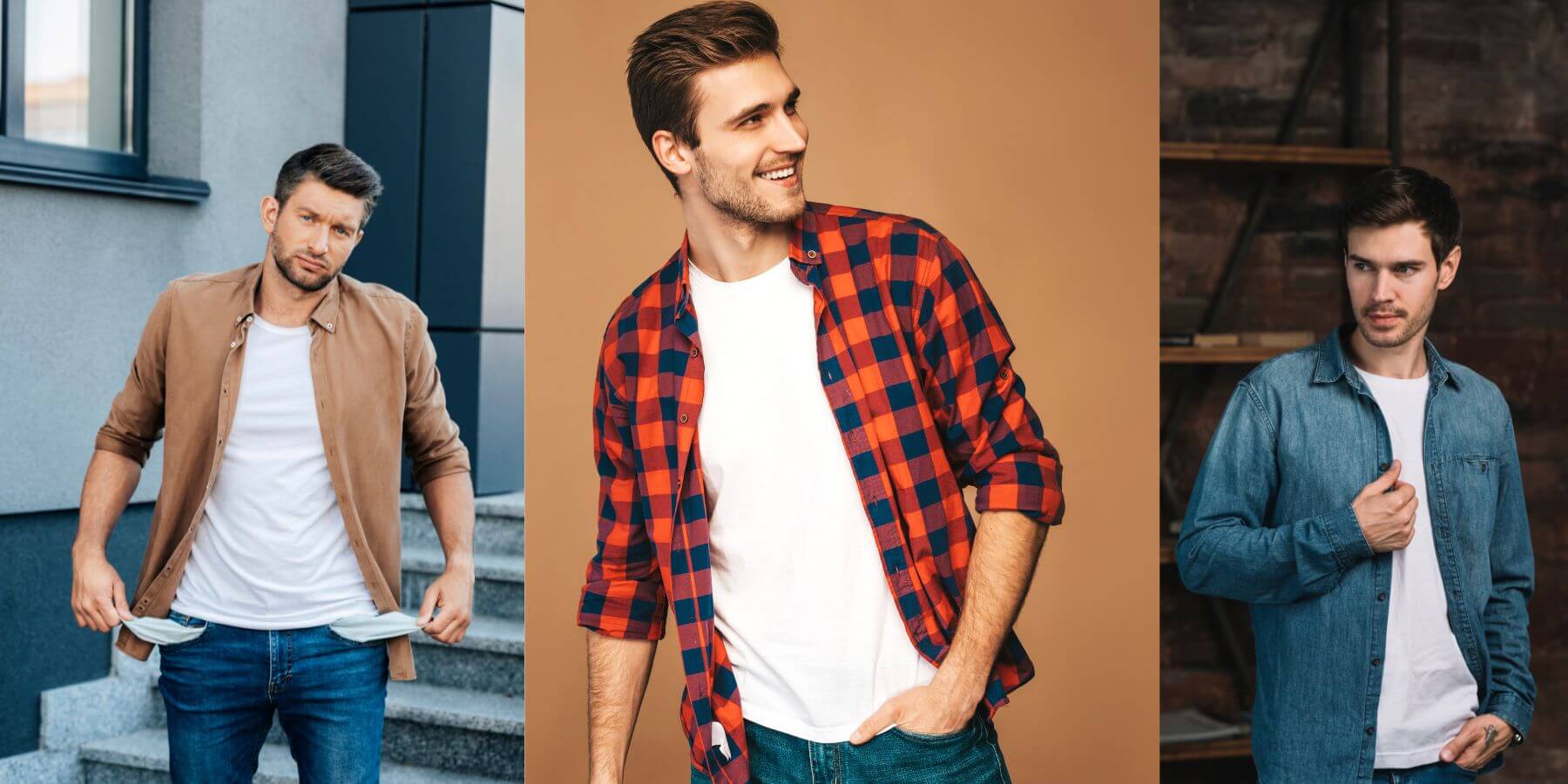
Some styles look better with a visible Tshirt. For example:
- Open-collar shirts with a crew neck Tshirt.
- Bold colored Tshirts under neutral shirts.
- Layering with a Tshirt can add depth to your outfit, especially when the Tshirt has a subtle pattern or texture that complements the shirt.
But sometimes, you want the Tshirt to be invisible. Choose a V-neck Tshirt for that. It won’t show at the collar.
Comparison Table: Tshirt Types For Style
| Tshirt Type | Best Use | Visibility |
|---|---|---|
| Crew neck | Casual, open shirts | Often visible |
| V-neck | Formal, buttoned shirts | Hidden |
| Sleeveless | Summer, tight shirts | Invisible |
Common Mistake
Some people wear thick or colorful Tshirts under thin shirts, making the layers obvious and distracting. Choose a thin, neutral-colored Tshirt for best results. Another mistake is not matching the Tshirt neckline to the shirt style; for example, a crew neck showing under a formal shirt looks out of place.
Professional Settings
In business or formal situations, first impressions matter. Wearing a Tshirt under your shirt gives you a polished look and helps you stay comfortable.
Dress Codes
Many offices expect neat, clean shirts. Sweat stains or visible skin can be seen as unprofessional. A Tshirt solves these problems.
- Keeps your collar and cuffs clean.
- Makes your shirt look crisp.
- If you need to remove your jacket, you don’t have to worry about sweat marks or see-through fabric.
Layering For Meetings
Air conditioning in offices can make rooms cold. A Tshirt helps you stay warm during meetings. If you need to remove your shirt, you’ll still look presentable.
- You can even take a quick break or walk outside in your Tshirt if needed, and not look underdressed.
- For video calls or conferences, a Tshirt helps your shirt stay smooth and sharp, so you look professional on camera.
Example
A banker or lawyer often wears a dress shirt all day. A Tshirt underneath keeps the shirt fresh and professional, even during long hours. This is especially helpful for people who have to wear a suit or tie for many hours without a chance to change clothes.
Non-obvious Insight
If you commute, especially on public transport, you may sweat before reaching the office. A Tshirt lets you change quickly, so you always arrive looking sharp. This is also useful if you cycle or walk to work—your main shirt stays clean for meetings.
Health And Skin Benefits
Wearing a Tshirt under your shirt isn’t just about style—it can improve your health.
Reducing Allergies
Some people are allergic to laundry detergents or fabric dyes. A Tshirt provides a barrier, reducing contact with these irritants.
- Especially important for sensitive skin.
- Helps prevent rashes and itching.
- If you switch detergents, wearing a Tshirt can protect your skin during the adjustment period.
Preventing Acne
Friction from shirts can cause body acne. A Tshirt reduces this friction. It also absorbs sweat and bacteria, keeping your skin cleaner.
- In sports or hot climates, this is even more important, as sweat sits on your skin for long periods.
Hygiene For Sensitive Areas
Areas like armpits and chest are prone to sweat and irritation. A Tshirt protects these areas and makes it easier to wash away sweat.
- For people with chest hair, the Tshirt reduces tangling or pulling from shirt seams.
Common Mistake
Skipping a Tshirt because of hot weather can lead to more skin problems. Choose a moisture-wicking Tshirt for comfort and protection. Don’t forget to change your Tshirt daily—reusing it can cause breakouts or rashes.

Credit: www.artofmanliness.com
Practical Tips For Choosing The Right Tshirt
Not all Tshirts are equal. The right Tshirt makes a big difference in comfort and appearance.
Fabric Matters
- Cotton: Soft, breathable, absorbs sweat. Good for everyday wear.
- Polyester: Moisture-wicking, dries fast. Great for active days.
- Blends: Combine benefits. Look for cotton-poly blends for balance.
- Modal or bamboo: Extra soft and smooth, good for sensitive skin.
Fit And Cut
- Should be snug but not tight.
- Avoid baggy Tshirts—they bunch up under shirts.
- V-neck for hidden look; crew neck for casual style.
- Sleeveless or “athletic cut” is good for tight-fitting shirts or hot weather.
Color Choices
- White: Best for most shirts.
- Grey: Good for darker shirts.
- Avoid bright colors unless you want them to show.
- Nude or skin-tone colors work best under white shirts for a truly invisible look.
Washing And Care
- Wash Tshirts often. They collect sweat and bacteria.
- Replace Tshirts when they lose shape or become stained.
- Use gentle detergent and avoid high heat to extend Tshirt life.
Data Table: Tshirt Selection Guide
| Feature | Best Choice | Common Mistake |
|---|---|---|
| Fabric | Cotton, blends | Synthetic only |
| Fit | Snug | Loose |
| Color | White, neutral | Bright, dark |
| Neck Style | V-neck | Crew for formal |
Cultural And Social Reasons
In many cultures, wearing a Tshirt under a shirt is seen as proper and respectful.
Modesty
Some societies value modesty. A Tshirt prevents shirts from being see-through and helps cover the body.
- Important in religious or traditional settings.
- Shows respect for local customs.
- In some families and communities, parents teach children to always wear an undershirt for these reasons.
Social Norms
In some countries, not wearing an undershirt is seen as sloppy. If you want to fit in, wearing a Tshirt is the easy way.
- Older generations may expect it as a sign of care and upbringing.
- In group settings, like schools or offices, matching these norms avoids standing out in a negative way.
Example
In Japan and South Korea, businesspeople almost always wear an undershirt. It’s a sign of respect and professionalism. In the Middle East, an undershirt is also common for modesty and comfort.
Credit: frenchcrown.com
Saving Money And Time
Wearing a Tshirt under a shirt saves you money and time in the long run.
Less Frequent Shirt Replacement
- Shirts last longer, so you buy fewer.
- Tshirts are cheaper to replace.
- You avoid emergency shopping trips for new shirts before meetings or events.
Easier Laundry
- Tshirts are easy to wash and dry.
- Shirts need careful washing and ironing.
- You can wash several Tshirts together, saving time and energy.
Quick Changes
If you sweat or spill something, you can change your Tshirt without needing to change your shirt. This is helpful for busy days.
- In hot weather, you can swap your Tshirt during a break and feel fresh again.
- For travelers or long workdays, packing extra Tshirts is simpler than packing extra shirts.
Example
If you have a meeting after lunch and notice sweat stains, changing your Tshirt is faster than changing your shirt. This can make the difference between feeling confident or self-conscious in important moments.
Common Mistakes And How To Avoid Them
Many people make errors when wearing Tshirts under shirts. Here’s how to avoid them.
- Wearing thick Tshirts: They make you look bulky and feel hot. Choose thin, breathable fabrics.
- Choosing bright colors: Unless you want the Tshirt to show, stick to white or neutral tones.
- Wearing loose Tshirts: They bunch up and show lines. A snug fit is best.
- Not washing often: Tshirts trap sweat and bacteria. Wash after every use.
- Ignoring neck style: V-neck is best for formal shirts. Crew neck works for casual looks.
- Using old, stretched out Tshirts: These can lose shape and make your shirt look untidy.
- Forgetting sleeve length: If your shirt sleeves are short, a sleeveless undershirt may look better.
Practical Advisor Tip
If you’re unsure, start with a thin, white, V-neck cotton Tshirt. It suits most situations and works for both formal and casual shirts.
Environmental Impact
You might not think about the environment when choosing to wear a Tshirt under a shirt, but it makes a difference.
Lower Water And Energy Use
- Shirts washed less often save water and energy.
- Tshirts dry quickly, reducing electricity use.
- Less ironing is needed for shirts, which saves both time and energy.
Sustainable Choices
Choosing high-quality Tshirts means fewer replacements and less waste. Look for brands that use organic cotton or recycled materials.
- Some brands offer Tshirts made from bamboo or hemp, which are more eco-friendly.
- Donating old but usable Tshirts instead of throwing them away helps reduce landfill waste.
Example
If you wash your shirt half as often by wearing a Tshirt, you reduce water and detergent use. Over time, this lowers your environmental footprint. If millions of people do the same, the savings become even larger.
When Not To Wear A Tshirt Under A Shirt
There are some cases where skipping a Tshirt makes sense.
Super Hot Weather
If you’re outdoors in extreme heat, adding a layer may make you feel hotter. In this case, choose a moisture-wicking shirt or skip the Tshirt.
- For sports or beachwear, breathable shirts alone are often more comfortable.
Tight-fitting Shirts
Some fashion styles use very tight shirts. Extra layers can make them uncomfortable or look awkward.
- For tailored or fitted shirts, choose very thin or sleeveless undershirts if you need one.
Special Events
For some occasions, like casual beach parties, skipping an undershirt is fine.
- Linen shirts at a summer party, for example, may look better without layers.
Non-obvious Insight
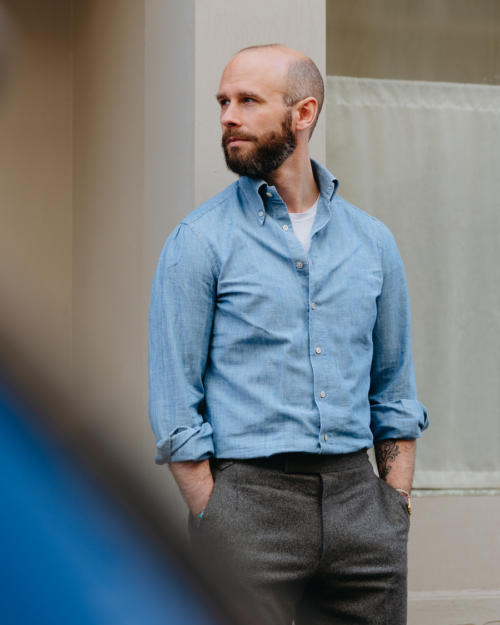
If you want to layer but avoid bulk, try a sleeveless undershirt. It gives protection without extra heat. These are also great under polo shirts or when you want freedom of movement.
Credit: www.permanentstyle.com
Frequently Asked Questions
Should I Wear A Tshirt Under A Dress Shirt?
Yes, especially for formal settings. It keeps your shirt clean, absorbs sweat, and prevents stains. A white, thin, V-neck Tshirt is best for dress shirts.
What Material Is Best For Tshirts Under Shirts?
Cotton is the most popular because it’s soft and absorbs sweat. For active days, moisture-wicking polyester or blends work well. If you have sensitive skin, try modal or bamboo.
Can I Wear Colored Tshirts Under Shirts?
You can, but it’s best to stick with neutral colors unless you want the Tshirt to show. White, grey, or beige are safe choices for most shirts.
Will Wearing A Tshirt Make Me Feel Hotter?
Not always. A thin, breathable Tshirt can actually keep you cooler by absorbing sweat and letting it evaporate. Avoid thick or synthetic Tshirts in hot weather.
How Often Should I Wash My Tshirt If I Wear It Under A Shirt?
Wash after every use. Tshirts collect sweat and bacteria, so regular washing keeps you fresh and healthy.
Wearing a Tshirt under a shirt is a simple habit with many benefits—comfort, style, hygiene, and savings. Whether you want to protect your favorite shirt, stay cool, or look professional, the right Tshirt can make a big difference. By paying attention to fabric, fit, and color, you avoid common mistakes and enjoy all the advantages. If you’re still unsure, try it for a week and notice the change. For more tips on clothing care, visit WikiHow. You’ll find that this small step leads to a smarter, more comfortable wardrobe.
