

Why is Gym Wear Tight? The Surprising Science Explained
Why Is Gym Wear Tight
Getting ready for the gym often means pulling on tight-fitting clothes. If you look around in any fitness center, you’ll notice most people wear snug leggings, shorts, tops, and sports bras. This style is so common that it feels natural, but it often makes beginners ask: Why is gym wear tight? Is it just for looks, or is there something more behind this trend?
Many gym-goers, especially those new to fitness, feel unsure about wearing tight clothes. Some worry it will make them uncomfortable or stand out. Others think it’s just about fashion. But tight gym wear has practical reasons too. It’s not only about appearance; it’s about helping you move, perform, and stay safe.
This article will explain why gym wear is usually tight, the science behind it, how it affects your workout, and what beginners often miss. You’ll learn the key benefits, some risks, and how to choose the right fit for your body.
By the end, you’ll know exactly why tight gym wear matters—and how to make the best choice for yourself.
The Science Behind Tight Gym Wear
Gym clothes are not designed randomly. The tight fit serves several purposes, rooted in biology, movement, and safety. Let’s look at the main reasons.
Muscle Support And Compression
One major reason gym wear is tight is compression. Compression fabrics gently squeeze your muscles, which helps in several ways:
- Improved blood flow: Compression boosts circulation, helping deliver oxygen to muscles.
- Reduced muscle fatigue: Better blood flow means less tiredness during exercise.
- Lower risk of injury: Compression can stabilize muscles, reducing unwanted movements.
A study published in the Journal of Sports Sciences found that athletes wearing compression clothing had less muscle soreness after intense workouts. The snug fit keeps muscles warm and reduces vibration, which can cause fatigue.
Enhanced Movement
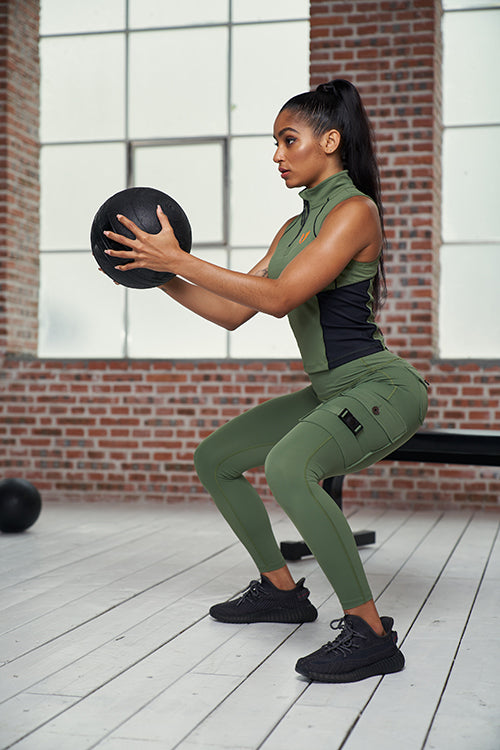
Loose clothes can get in the way. When you move, baggy fabric can catch, slip, or bunch up. Tight gym wear follows your body’s shape, allowing free movement:
- No extra fabric to snag on equipment
- Less distraction during exercise
- More confidence when stretching, jumping, or lifting
For activities like yoga, pilates, or weight training, tight clothes help you see your form. You can check alignment and posture easily.
Sweat Management
Most gym wear uses materials like polyester, spandex, or nylon. These are moisture-wicking fabrics. They pull sweat away from your skin and dry quickly. Tight fits help:
- Keep sweat close to fabric, so it’s absorbed faster
- Reduce chafing or irritation
- Prevent heavy, wet clothing during long workouts
Safety And Injury Prevention
Safety matters in every workout. Loose clothing can cause accidents. For example:
- Baggy pants may trip you on a treadmill
- Loose tops can catch on weights or machines
- Extra fabric hides body parts, making it hard to monitor movements
Tight gym wear makes your body’s outline clear. Trainers or coaches can spot mistakes in your posture and help correct them.
Performance Benefits Of Tight Gym Wear
People often think gym fashion is just about looking good. But the main focus is performance. Tight gym wear helps you exercise better and safer.
Increased Power And Endurance
Compression gear can boost your power. By supporting muscles and reducing fatigue, you can train longer and harder. Some runners notice improved endurance when wearing tight leggings or shorts. Cyclists and sprinters often choose compression gear for high-intensity sessions.
Faster Recovery
The snug fit of compression clothes helps with muscle recovery. After exercise, muscles are tired and sometimes swollen. Compression helps reduce swelling by increasing blood flow and removing waste products.
A review in Sports Medicine found that athletes who used compression wear had less swelling and recovered faster after workouts.
Better Temperature Regulation
Tight gym wear keeps your body temperature steady. It traps a thin layer of air near your skin, which acts as insulation. In colder gyms, this helps you stay warm. In hot gyms, moisture-wicking fabrics keep you cool by drying sweat quickly.
Reduced Chafing
Chafing is a common problem in workouts, especially for runners or those doing repetitive movements. Tight gym wear stops skin from rubbing together and prevents irritation. The smooth, stretchy fabric fits like a second skin.
Credit: www.firmabs.com
Fashion And Confidence
Many people feel more confident in tight gym wear. It shapes your body, showing muscle tone and progress. But confidence is not only about looks—it’s about feeling comfortable and ready.
The Psychology Of Gym Wear
What you wear affects how you feel. Research shows that people who wear fitted, functional gym clothes are more motivated to exercise. Tight gym wear can make you feel “ready” and focused.
Social Trends
Over time, tight gym wear became popular thanks to athletes, celebrities, and influencers. Brands design clothes to be stylish and functional. Many gym-goers follow these trends, but the real reason is comfort and performance.
Body Positivity
Some worry that tight gym wear is only for fit bodies. But today, brands offer sizes for all shapes. Wearing fitted clothes can help you see your progress and feel proud of your efforts.
Materials Used In Tight Gym Wear
Not all gym wear is created equal. The materials play a big role in how tight clothes feel and perform.
Common Materials
- Spandex (Lycra, Elastane): Super stretchy, keeps shape, moves with you
- Polyester: Lightweight, moisture-wicking, durable
- Nylon: Smooth, strong, dries quickly
These fabrics are blended to make leggings, shorts, tops, and bras that stretch and recover.
Why Not Cotton?
Cotton is soft, but it absorbs sweat and stays wet. Tight cotton gym wear becomes heavy and uncomfortable. Synthetic blends are better for workouts because they dry fast.
Fabric Technology
Some brands use special technologies. Examples include:
- Antimicrobial treatments: Reduce odor
- Seamless designs: Prevent rubbing and irritation
- Mesh panels: Add breathability
These features make tight gym wear more comfortable, even during tough workouts.

Credit: www.afvt.org
Comparing Tight Vs Loose Gym Wear
Choosing between tight and loose gym wear depends on your activity and comfort. Here’s how they compare:
| Feature | Tight Gym Wear | Loose Gym Wear |
|---|---|---|
| Movement | Allows free, precise motion | May restrict or distract |
| Safety | Reduces risk of snagging | Can catch on equipment |
| Sweat Management | Wicks moisture quickly | May retain sweat |
| Recovery | Supports muscles | No support |
| Confidence | Shows progress, shapes body | May hide body shape |
Activities That Require Tight Gym Wear
Not every workout needs tight clothing. But some activities benefit more from snug fits.
Yoga And Pilates
These exercises require stretching and twisting. Tight gym wear lets you move freely and check your form. Loose clothes can bunch up or hide body alignment.
Running And Cycling
Tight shorts and leggings reduce chafing and help with aerodynamics. Runners and cyclists often wear compression gear for support and comfort.
Weight Training
When lifting weights, it’s important to watch your posture. Tight tops and leggings make it easy to see your stance and avoid mistakes.
Group Fitness Classes
In classes like aerobics, dance, or HIIT, tight clothes help you move quickly without distraction.
Swimming
Swimwear is always tight. It reduces drag in water and helps swimmers perform better.
Risks And Downsides Of Tight Gym Wear
While tight gym wear offers many benefits, there are some risks if you don’t choose carefully.
Overly Tight Clothing
If gym wear is too tight, it can cause problems:
- Restricted blood flow
- Difficulty breathing
- Skin irritation or rashes
Always choose a fit that is snug but not uncomfortable. You should be able to move and breathe freely.
Choosing The Wrong Fabric
Some cheap gym wear uses poor-quality materials. These can cause sweating, odor, or allergic reactions. Look for moisture-wicking, breathable fabrics.
Body Image Concerns
Some people feel self-conscious in tight gym wear. It’s important to remember that fitness is for everyone. Choose clothes that make you feel good, not just look good.
Hygiene Issues
Tight gym wear should be washed often. Sweat and bacteria can build up quickly. Wear clean clothes for every workout.
How To Choose The Right Tight Gym Wear
Selecting tight gym wear is not just about size. You need to consider activity, fabric, and comfort.
Tips For Choosing
- Try Before You Buy: Test the fit. Move, stretch, and squat to check comfort.
- Check Fabric: Look for moisture-wicking materials like spandex and polyester.
- Consider Activity: Yoga needs flexible clothes; running needs support; weightlifting needs visibility.
- Avoid Overly Tight Clothes: Should be snug but not painful.
- Look for Features: Seamless designs, mesh panels, or pockets for convenience.
Sizing Guide
Brands use different sizing charts. Always check the label. If you’re between sizes, choose the larger for comfort.
| Size | Waist (inches) | Hip (inches) | Recommended Fit |
|---|---|---|---|
| XS | 23-25 | 33-35 | Very snug |
| S | 25-27 | 35-37 | Snug |
| M | 27-29 | 37-39 | Comfortable |
| L | 29-31 | 39-41 | Relaxed |
| XL | 31-33 | 41-43 | Loose |
Practical Examples
- For yoga: High-waist leggings with stretch and support
- For running: Compression shorts with moisture-wicking
- For weightlifting: Fitted tank tops to watch posture

Credit: igrs.itu.edu.tr
Non-obvious Insights Beginners Often Miss
Many people focus only on how gym wear looks. But here are two insights most beginners overlook:
- Performance Over Fashion: Tight gym wear is designed first for function. The style came later. Focus on comfort and movement, not just appearance.
- Layering Matters: In colder weather, you can layer tight gym wear under loose clothes. This keeps you warm and still allows free movement.
Gender Differences In Tight Gym Wear
Both men and women wear tight gym clothes, but there are some differences in design and purpose.
Women’s Gym Wear
- More focus on leggings and sports bras
- High-waisted styles for support and coverage
- Bright colors and patterns
Men’s Gym Wear
- Compression shorts, fitted tees, or tanks
- Longer inseams for support
- Simple colors, less decoration
Some brands now offer unisex options, focusing on fit and function over style.
How Tight Gym Wear Impacts Motivation
What you wear can change how you approach exercise. Studies show that people who wear fitted, comfortable gym clothes are more likely to stick with their routine. Tight gym wear signals that you’re ready to work and helps form a “fitness mindset.
”
Confidence grows when you can see your progress. Tight clothes help you notice muscle tone, posture, and improvements over time.
The Role Of Brands And Marketing
Brands play a big role in making tight gym wear popular. They use athletes, influencers, and ads to show how snug fits help performance.
Brand Innovations
- Seamless leggings for comfort
- Compression tops for recovery
- Smart fabrics that track your movement
Some brands even make eco-friendly gym wear from recycled materials.
Marketing Trends
Brands use social media to show the benefits of tight gym wear. They highlight performance, comfort, and style. Many people buy based on what they see online, but it’s important to choose what works for you.
Real-world Examples
Let’s look at how tight gym wear is used in practice:
- Professional athletes: Sprinters wear compression shorts for speed and recovery.
- Group fitness instructors: Fitted clothes help show movements and correct students.
- Physical therapy: Patients wear tight garments to support injured muscles.
Data: Gym Wear Market Trends
The gym wear market is huge and growing. Most sales are for tight, fitted clothes. According to Grand View Research, the global activewear market is expected to reach over $400 billion in coming years. Tight gym wear is a major part, as more people focus on fitness and health.
Environmental Considerations
Tight gym wear often uses synthetic materials. Some brands now offer recycled fabrics to reduce waste. When choosing gym wear, look for eco-friendly options if you care about sustainability.
Summary Table: Tight Gym Wear Benefits
Here’s a quick summary of the main benefits of tight gym wear:
| Benefit | Description |
|---|---|
| Muscle support | Compression reduces fatigue, aids recovery |
| Free movement | No distractions or restriction |
| Moisture control | Wicks sweat, stays dry |
| Safety | Prevents accidents, shows body shape |
| Confidence | Shows progress, shapes body |
Frequently Asked Questions
Why Is Gym Wear Usually Tight?
Gym wear is tight mainly for performance and safety. Tight clothes support muscles, help manage sweat, allow free movement, and reduce the risk of accidents. They also help you see your posture and progress.
Can Tight Gym Wear Improve My Workout?
Yes, tight gym wear can help improve your workout by supporting your muscles, reducing fatigue, and preventing chafing. It also makes it easier to check your form and avoid mistakes.
Are There Risks To Wearing Tight Gym Clothes?
If gym wear is too tight, it can restrict blood flow, cause irritation, or make it hard to breathe. Always choose a fit that is snug but comfortable. Avoid cheap fabrics that may cause allergies.
Is Tight Gym Wear Only For Certain Body Types?
No, tight gym wear is available for all shapes and sizes. Brands now offer inclusive sizing. The key is to pick what feels comfortable and supports your workout.
What Materials Should I Look For In Tight Gym Wear?
Look for moisture-wicking fabrics like spandex, polyester, and nylon. Avoid cotton for intense workouts, as it absorbs sweat and stays wet. Some brands use special technologies for comfort and odor control. For more on fabric choices, visit Wikipedia Activewear.
Feeling comfortable in the gym is about more than style. Tight gym wear offers real benefits for movement, safety, and confidence. By understanding why gym wear is tight, you can make better choices and get more from every workout. Remember to focus on fit, function, and comfort—your body will thank you.
