

Why Don’t Oversized Shirts Look Good on Me? Styling Secrets
Why Don’t Oversized Shirts Look Good On Me
Oversized shirts are everywhere. You see them on models, influencers, and even your friends. They’re supposed to be comfortable, stylish, and easy to wear. Yet, when you try one on, it just doesn’t look right. Maybe it feels shapeless, or you think it makes you look bigger than you are.
You might wonder, "Is something wrong with me? Why do oversized shirts look good on others but not on me? " If you’ve ever felt this way, you’re not alone.
Many people struggle to make oversized shirts work for their style and body. The truth is, it’s not your body’s fault. There are several reasons why oversized shirts might not look flattering on you, but the good news is that most of them can be fixed with simple changes. This article explores the real reasons behind the struggle, the science of fit and proportions, and practical solutions you can start using today.
Understanding Oversized Shirts: What Are They Really?
Oversized shirts are designed to be looser and larger than standard shirts. They are not just a bigger size of a regular shirt. The cut, shoulder seam, sleeve width, and length are all designed to hang differently from your body. When done right, they give a relaxed, effortless look. When done wrong, they can feel sloppy or overwhelming.
Not all oversized shirts are the same. Some are just a few inches bigger, while others are much wider and longer. The fabric, color, and pattern also change how the shirt looks on you. Understanding these differences is the first step to finding what works for you.
The Most Common Reasons Oversized Shirts Don’t Flatter You
Let’s look at the main reasons why you might not feel good in an oversized shirt.
1. Wrong Fit For Your Body Shape
Everyone’s body is different. Oversized shirts look great on some people because the cut matches their body shape. For others, the same shirt may hide their best features or highlight areas they don’t want to show.
- Rectangle body shapes may find oversized shirts make them look boxy.
- Petite people can be swallowed by too much fabric.
- Curvy figures might lose their waistline and appear larger.
2. Proportion Problems
The key to style is often balance. Oversized shirts can throw off your body’s natural balance. If your shirt is very wide and your pants are also loose, you can look larger than you are. If the shirt is too long, it can make your legs look shorter.
3. Fabric And Weight Issues
Not all fabrics drape the same way. Stiff or heavy fabrics can stand away from the body, creating a tent-like effect. Very thin fabrics can cling in the wrong places or highlight undergarments.
4. Poor Styling Choices
Oversized shirts need careful styling. Wearing them without tucking, rolling sleeves, or adding accessories can make the look messy instead of intentional.
5. Not Enough Structure
A good oversized shirt still needs some structure. If the shoulders, collar, or cuffs are too floppy, the shirt can lose all shape and style.
Credit: www.gymshark.com
How Oversized Shirts Should Fit: The Science Of Proportion
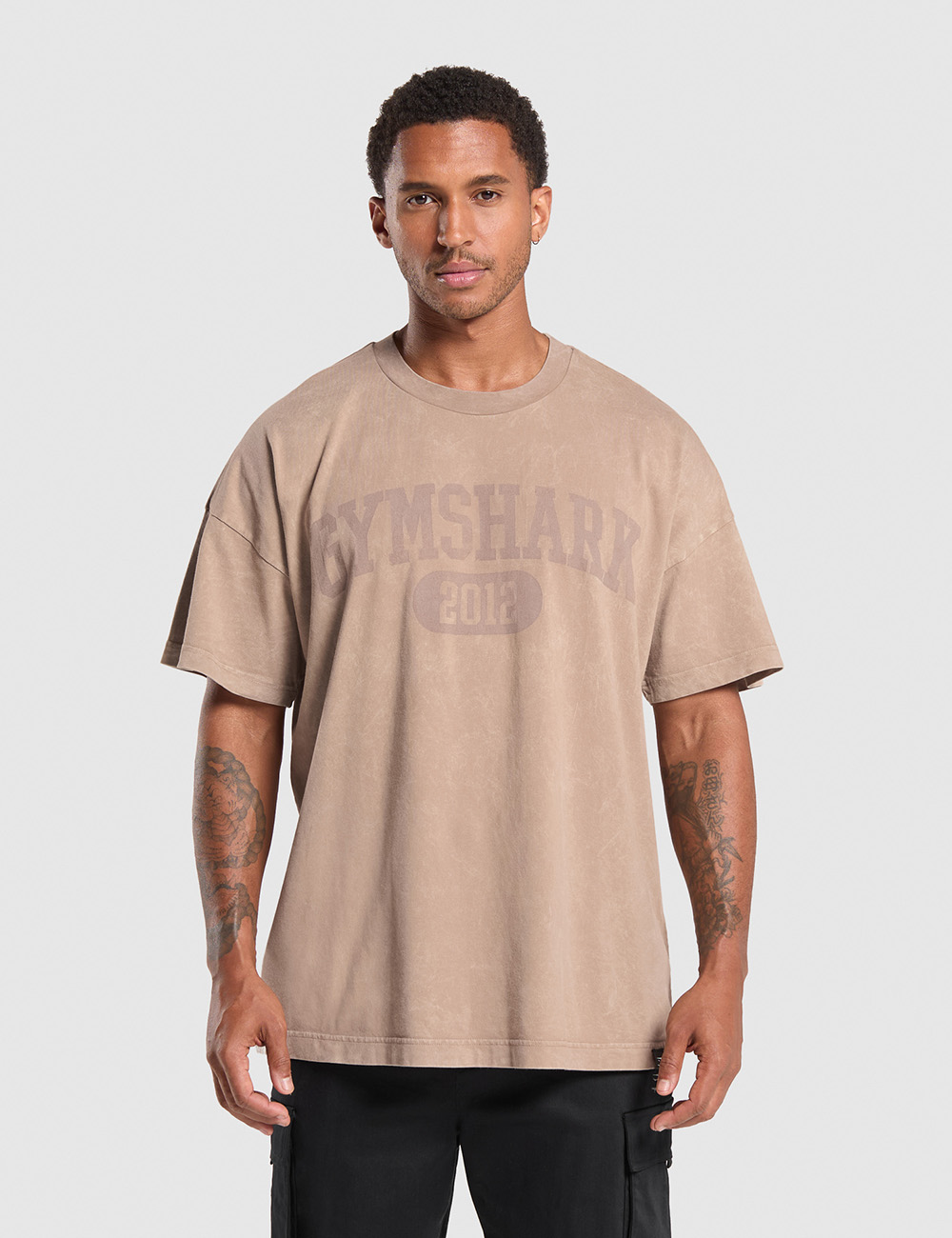
Fit is not just about size. It’s about how the garment sits on your shoulders, chest, and waist. Here’s how a well-designed oversized shirt should look:
- Shoulders: The seam should drop slightly past your natural shoulder, but not too far.
- Sleeves: Should be wide but not cover your entire hand.
- Length: Should cover the waistband and hips, but not go far past the crotch or mid-thigh.
- Body: Should have room, but not look like a blanket.
Compare these two different fits:
| Fit Feature | Well-Fitted Oversized Shirt | Poorly-Fitted Oversized Shirt |
|---|---|---|
| Shoulder Seam | Slightly dropped | Far down upper arm |
| Sleeve Length | Ends at mid-hand | Covers entire hand |
| Shirt Length | Below hips, above mid-thigh | Past mid-thigh or knees |
| Body Width | Loose but shaped | Baggy and shapeless |
A small change in fit makes a big difference in how you look and feel.
Different Body Types And Oversized Shirts
Your body shape changes how clothes look on you. Let’s see why oversized shirts might not suit every body type and how to adjust.
Rectangle Body
If your shoulders, waist, and hips are about the same width, an oversized shirt can make you look boxy. To fix this, look for shirts with:
- A slight taper at the waist
- Shorter length
- Rolled sleeves to add shape
Petite Body
If you are shorter, oversized shirts can overwhelm your frame and make you look shorter. Try these tips:
- Tuck the shirt in the front or all around
- Choose cropped oversized shirts
- Pair with high-waisted pants to lengthen your legs
Curvy Body
For curvier shapes, oversized shirts can hide your waist and make you appear wider. Solutions:
- Add a belt at the waist
- Pick shirts with slits at the sides
- Choose soft fabrics that drape, not stiff ones
Athletic Or Inverted Triangle
If your shoulders are wider than your hips, oversized shirts can add unwanted volume to your top half. Balance your shape by:
- Rolling up the sleeves
- Pairing with straight or wide-leg pants
- Choosing V-neck or open collars
Pear Shape
If your hips are wider than your shoulders, an oversized shirt can hide your shape. Look for:
- Structured shoulders or details near the collar
- Shirts that end above the widest part of your hips
- Layering with a fitted jacket
Styling Mistakes That Make Oversized Shirts Look Worse
Even the best shirt can look wrong if styled poorly. Here are common mistakes:
1. Wearing Everything Loose
Oversized on top and bottom can make you look lost in fabric. Instead, pair oversized shirts with fitted pants, leggings, or shorts.
2. Forgetting To Tuck
A simple tuck, even just at the front (the “French tuck”), helps show your waist and adds shape.
3. Ignoring Accessories
Belts, necklaces, or even a structured bag can break up the space and add detail.
4. Wrong Shoes
Chunky shoes or boots balance out oversized looks. Very slim shoes can make you look top-heavy.
5. Skipping Layers
Layering with a jacket or cardigan adds shape and interest.
The Role Of Fabric And Color
Fabric and color change everything. Heavy cotton or denim can look stiff. Soft linen, silk, or rayon drape better and move with your body.
Color also matters. Light colors can make you look larger, while dark shades slim down the look. Prints, stripes, or bold patterns can draw attention to or away from different parts of your body.
See how fabric and color affect the look:
| Fabric | Effect on Body | Best For |
|---|---|---|
| Heavy Cotton | Adds bulk, stiff | Tall, slim frames |
| Soft Linen | Drapes, relaxed | All body types |
| Denim | Structured, holds shape | Rectangle, athletic |
| Rayon/Silk | Flowy, smooth | Curvy or petite |
Try different fabrics to see what works for your body.

Credit: www.youtube.com
Cultural And Fashion Influences
Why do some people look good in oversized shirts? Sometimes it’s about trends and what you’re used to seeing. Fashion magazines and social media often show tall, slim models in oversized clothes. This can set a standard that doesn’t fit everyone.
Cultural ideas about style also play a role. In some places, loose clothing is seen as cool and modern. In others, fitted clothing is the norm. Don’t be afraid to try new things, but remember that comfort and confidence always matter most.
Psychological Reasons: Why You Might Not Like The Look
Sometimes, the problem is not the shirt itself, but how you feel in it. Oversized shirts can:
- Make you feel less “put together”
- Remind you of clothes that are too big or don’t fit
- Feel like you’re hiding your body
It’s normal to need time to adjust to a new style. If you’re used to fitted clothes, an oversized shirt can feel strange at first. Try wearing it at home before going out. Take photos and see if you like the look from different angles.
One non-obvious insight: self-perception changes how others see you. If you feel awkward, you may hold yourself in a way that makes the shirt look worse. Stand tall, relax your shoulders, and give yourself time to get used to the new look.
How To Make Oversized Shirts Look Good On You
Not every oversized shirt is for everyone. But with the right tricks, you can make most shirts look better.
1. Choose The Right Shirt
- Look for shirts labeled as “relaxed” or “boyfriend” fit, not just a bigger size
- Check the shoulder seam – it should not fall halfway down your arm
- Avoid shirts with too much fabric around the waist or sleeves
2. Use A Tuck
The “French tuck” (tucking just the front) is a favorite of stylists. It defines your waist but keeps the relaxed look.
3. Add A Belt
A thin or wide belt at the waist turns a boxy shirt into a stylish top. Try different belt positions to see what flatters your shape.
4. Roll The Sleeves
Shortening the sleeves adds structure and shows your arms. It’s a small change with a big effect.
5. Pair With Fitted Bottoms
Skinny jeans, leggings, or fitted skirts balance the loose top. It’s all about proportion.
6. Layer Smartly
A fitted jacket, vest, or even a tucked-in tank top under the shirt can give shape. Layering creates depth and makes the look more interesting.
7. Pick The Right Accessories
Long necklaces, bold earrings, or chunky shoes can balance the oversized look and draw attention to your face.
8. Try Different Lengths
If a long oversized shirt looks wrong, try a cropped version. Sometimes just a few inches make a big difference.
Real-life Examples: Before And After
Let’s look at some real examples. Imagine a person tries on a large men’s shirt. It’s long, wide, and the sleeves are too big. They wear it with baggy jeans and flat shoes. The result: they look lost in fabric.
Now, the same person tries these changes:
- Rolls up the sleeves to the elbow
- Tucks the shirt in at the front
- Switches to slim-fit jeans and chunky sneakers
- Adds a thin belt at the waist
Suddenly, the look is modern, stylish, and balanced. The changes are small but powerful.
Common Myths About Oversized Shirts
Let’s bust some myths that confuse people:
- Myth: Only tall, thin people can wear oversized shirts.
- Fact: Anyone can wear them with the right fit and styling.
- Myth: Going up two sizes is the same as “oversized.”
- Fact: Oversized shirts are designed differently, not just bigger.
- Myth: Oversized always means sloppy.
- Fact: With good styling, oversized can look sharp and intentional.
- Myth: If it feels big, it looks good.
- Fact: Comfort matters, but so does proportion.
Mistakes To Avoid When Buying Oversized Shirts
If you want to try oversized shirts, avoid these shopping mistakes:
- Choosing a random big size instead of a shirt designed to be oversized.
- Ignoring the shoulder seam and sleeve length.
- Picking heavy, stiff fabrics for your first try.
- Not trying the shirt on with different pants or accessories.
- Buying without checking how it looks from all angles.
Finding The Best Oversized Shirt For Your Style
Oversized shirts come in many forms. Here’s a quick guide to popular types:
- Button-down: Classic and easy to dress up or down.
- T-shirt: Casual and comfortable, but needs careful styling.
- Denim shirt: Structured and holds shape, great for layering.
- Shacket (shirt-jacket): A hybrid, good for outerwear.
Try different styles to see what fits your lifestyle and taste. Don’t be afraid to ask for help in stores or look for style guides online, like this one from Vogue.
How To Build Confidence With Oversized Shirts
Sometimes, the biggest barrier is confidence. Here’s how to build it:
- Start small: Try an oversized shirt at home first.
- Take photos: Sometimes mirrors lie, but photos show the full look.
- Ask for feedback: Friends can see things you miss.
- Practice posture: Good posture always improves any outfit.
- Remember: Fashion should be fun, not stressful.
Credit: www.etsy.com
Quick Solutions For Common Problems
Shirt Looks Too Big
- Try a smaller oversized fit
- Add a belt or tuck the shirt
Shirt Hides Your Shape
- Roll sleeves, tuck in front, add accessories
Shirt Feels Uncomfortable
- Try softer fabrics or different styles
Shirt Makes You Look Short
- Pair with high-waisted pants and heeled shoes
What If Oversized Shirts Just Aren’t For You?
It’s okay. Not every trend fits every person. If you try all the tips and still feel wrong, wear what makes you happy. Fashion is about expressing yourself, not following every rule.
Some people look better in fitted, cropped, or regular shirts—and that’s perfectly fine. The most stylish people know what works for them and stick to it.
Final Thoughts: Make The Style Work For You
Oversized shirts are not magic. They don’t suit everyone straight out of the store, but with a few smart changes, anyone can make the trend work. Remember, the key is proportion, fit, and confidence. Use the tips above to experiment. If you still don’t love the look, it’s not a failure—it’s just personal style.
The best outfits are the ones that make you feel good. If oversized shirts don’t, that’s okay—move on to something that does. But if you’re willing to try, you may discover a new favorite look.
Frequently Asked Questions
Why Do Oversized Shirts Make Me Look Bigger?
Oversized shirts add volume. If not styled well, they can hide your shape and make you appear larger. Fix this by tucking in the shirt, adding a belt, or wearing fitted bottoms.
Can Short People Wear Oversized Shirts?
Yes, but with care. Choose cropped or shorter oversized shirts, tuck them in, and pair with high-waisted pants to add height.
Should I Just Buy A Bigger Size For The Oversized Look?
No. Oversized shirts are designed differently from regular shirts. Buying a bigger size can lead to odd shoulder seams and sleeves. Look for shirts labeled as “oversized” or “relaxed fit. ”
What Accessories Work Best With Oversized Shirts?
Belts, chunky shoes, long necklaces, and structured bags all help balance the look. Accessories break up the space and add detail.
How Do I Know If An Oversized Shirt Fits Right?
Check the shoulder seam, sleeve length, and overall drape. The shirt should be loose but not shapeless, and the length should not go too far past your hips or thighs.
Oversized shirts can be tricky, but with these tips, you can find a style that works for you. If you want more inspiration, see guides from trusted sources like Vogue.
