

Why Don’t Dress Shirts Have Pockets? Surprising Style Secrets
Why Don’t Dress Shirts Have Pockets
Why do so many dress shirts skip the pocket? If you have ever shopped for a formal shirt, you may have noticed that many options, especially the most stylish or high-end ones, come with no chest pocket. This design choice is not random. It has a history, a purpose, and even a bit of controversy.
For many people, shirt pockets seem practical. They are a place to put a pen, tickets, or glasses. But for designers and style experts, leaving out the pocket is about more than just looks. There are important reasons behind this tradition, and understanding them can help you choose the right shirt for each occasion. Let’s explore why dress shirts often go pocketless, what that means for fashion and function, and how it affects your wardrobe.
The History Of Dress Shirt Pockets
Dress shirts have evolved over many decades. In the past, pockets on shirts were not common. Early shirts were undergarments, never meant to be seen. As shirts became outerwear, especially for working men, pockets appeared as a handy feature.
However, in formal settings, pockets were seen as informal. They were linked to utility and labor, not elegance. Over time, the absence of a pocket became a symbol of sophistication. It showed that the shirt was not for work, but for special occasions. This tradition continues today, especially in business and evening wear.
A less obvious fact is that shirt pockets became popular with the rise of the ready-to-wear clothing industry. Brands added pockets to attract a wider range of buyers who wanted practicality. High-end, custom shirts held to the no-pocket tradition as a sign of class and attention to detail.
The Influence Of Formality And Style
Dress shirts are a key part of formal clothing. In formal dress codes, every detail matters. The lack of a pocket on a dress shirt is not just about history, but about clean lines and a polished appearance.
Clean Lines And Structure
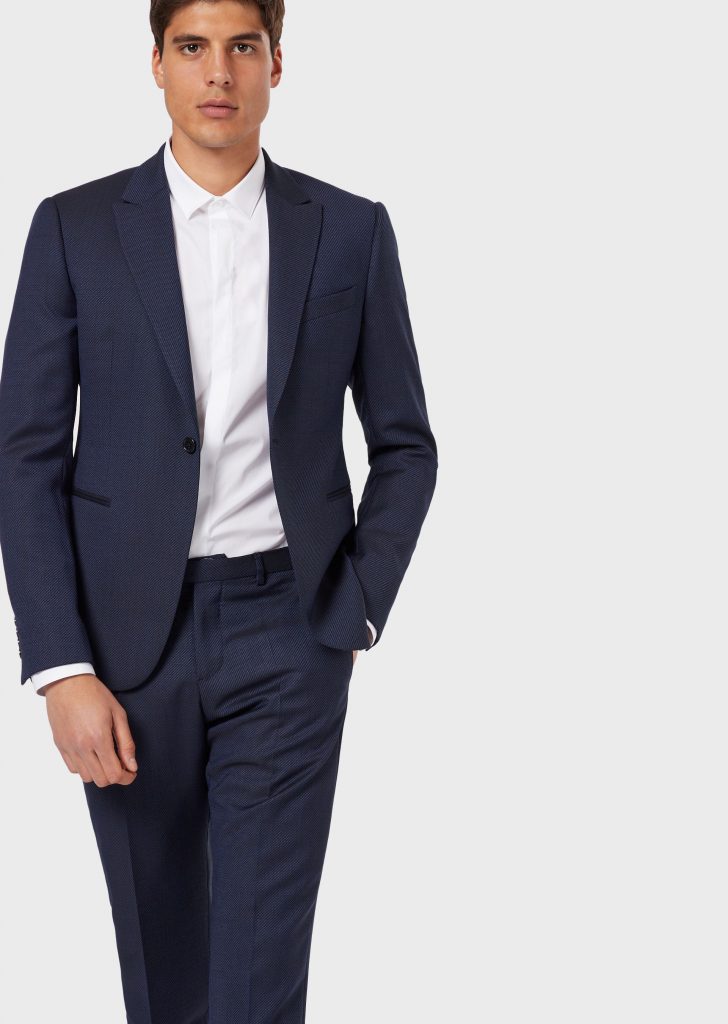
A pocket breaks up the smooth front of a shirt. For tailored shirts, designers want the fabric to sit flat, without any extra bulk. Pockets, especially when filled, can create an uneven look. This is more obvious under a suit jacket or blazer, where even small bulges are visible.
Symmetry And Balance
Without a pocket, the shirt remains perfectly balanced. Adding a pocket only to one side, usually the left, creates asymmetry. While this is fine for casual shirts, formal shirts aim for harmony. Designers believe that a pocketless shirt creates the most elegant silhouette.
The Tuxedo Rule
One of the strongest traditions is that tuxedo shirts and other evening shirts never have a pocket. This is a strict rule in traditional menswear. The idea is simple: there is no need for utility at a black-tie event. Every part of the outfit is chosen for looks, not function.
Function Versus Fashion
Some people argue that a pocket is useful. It can hold a pen, a ticket, or even a pair of glasses. So why sacrifice function for form? The answer depends on the situation.
Dress Shirts As Statement Pieces
When you wear a dress shirt, especially with a suit or tie, you are often making a statement about attention to detail. A pocket can make the shirt look less sharp. For people who value style over utility, this is a clear choice.
Everyday Needs
For daily office wear, some people prefer the practicality of a pocket. That’s why many brands offer both options. However, most business leaders and style experts recommend no pocket for the most professional look. The message is that you are not planning to use your shirt as a tool, but as part of a polished outfit.
The Hidden Message
There is also a silent message in a pocketless shirt: status. It says that you do not need to carry small items in your shirt. You have other ways (like a briefcase or jacket) to carry your things. This subtle signal is part of the reason many executives and leaders prefer no pocket.
The Role Of Shirt Pockets In Different Cultures
Not all countries or cultures see dress shirt pockets the same way. In some parts of the world, pockets on formal shirts are more common, while in others, they are rare.
For example, in the United States, many business shirts have a pocket. This is partly due to the country’s focus on practicality. In Europe and parts of Asia, especially in high fashion, pocketless shirts are seen as more refined.
In places with hotter climates, a pocket can be useful for holding small items, since jackets are worn less often. But in most global business centers, the no pocket rule is still strong for key events and important meetings.
Credit: www.putthison.com
Dress Shirts: Pocket Or No Pocket? A Comparison
When choosing a dress shirt, you might wonder whether to pick one with or without a pocket. Here is a simple comparison of the two styles:
| Feature | Pocketless Dress Shirt | Dress Shirt with Pocket |
|---|---|---|
| Appearance | Clean, sleek, formal | Casual, practical, less formal |
| Common Use | Business, formal events, evening wear | Daily office, casual events |
| Suitability for Ties/Jackets | Best choice | May show bulge under jacket |
| Perceived Status | Higher, more refined | More practical, less exclusive |
| Storage | None | Can hold small items |
The table shows that pocketless shirts are linked to formality and clean style, while shirts with pockets are seen as more practical.
The Impact On Fabric And Construction
A pocket is not just a piece of fabric sewn onto a shirt. It changes the way the whole shirt is made.
Fabric Drape
On a high-quality shirt, the way the fabric falls or “drapes” matters a lot. Adding a pocket, especially with a flap or stitching, can change how the fabric sits on your chest. This is more noticeable with finer materials like Egyptian cotton or silk blends.
Construction Complexity
Making a shirt without a pocket is actually harder for the tailor. The front must be perfectly smooth, with careful attention to seams and buttons. Any mistake is visible. Adding a pocket can hide some small flaws, so pocketless shirts are a sign of better tailoring.
Ironing And Care
Shirts without pockets are easier to iron and keep crisp. Pockets can wrinkle, especially if used often. This is a detail many people miss when buying shirts, but it matters for a sharp look.

Credit: ashirtstory.com
Gender Differences In Dress Shirt Pockets
The pocket debate is not limited to men’s shirts. Women’s dress shirts often follow different rules.
Women’s formal shirts rarely include pockets. The reason is partly style—women’s shirts are often designed for a more fitted look, where a pocket would add bulk or create a less smooth shape. Also, women’s business attire traditionally includes a jacket or bag, making shirt pockets less useful.
However, in casual women’s shirts and blouses, pockets can be a popular feature, sometimes as a style accent or for a relaxed look.
The Pocket Trend In Modern Fashion
Fashion changes, and so do opinions about pockets on dress shirts. Some designers have experimented with new types of pockets—angled, hidden, or even double pockets—but these are rare in classic formalwear.
Recently, more brands offer “hybrid” shirts: formal enough for business, but with a small, neat pocket for those who want it. These shirts are popular with younger buyers who want the best of both worlds.
But for weddings, interviews, or black-tie events, the pocketless shirt is still the top choice.
The Influence Of Celebrity And Media
Many people look to celebrities, politicians, and business leaders for style cues. If you watch red-carpet events, you’ll notice that almost all the best-dressed men wear pocketless shirts with their suits and tuxedos. This has a strong effect on what is seen as “correct” style.
In TV shows and movies, the hero or main character often wears a shirt with no pocket when he needs to look his best. These subtle choices shape what people think is formal or stylish.
Common Myths About Dress Shirt Pockets
There are several myths about why dress shirts do or do not have pockets. Let’s clear up a few:
1. “all Expensive Shirts Have No Pocket.”
Not true. Some high-end brands offer both styles, but pocketless is more common in formal lines.
2. “pockets Are Only For Blue-collar Workers.”
Not accurate. Many professionals prefer a pocket for practical reasons, but the pocketless look is just more formal.
3. “a Pocket Makes No Difference.”
Even an empty pocket changes the way a shirt looks and fits, especially under a jacket.
4. “no One Cares About Pockets.”
In high-level business or formal events, people do notice—even small details.
Understanding these myths can help you make smarter choices and avoid style mistakes.
Data: Dress Shirt Pocket Preferences
Surveys of shirt buyers and fashion experts reveal strong preferences. Here’s an overview:
| Group | Prefer Pocketless (%) | Prefer Pocket (%) |
|---|---|---|
| Formalwear Buyers | 87 | 13 |
| Business Professionals | 69 | 31 |
| Casual Shirt Buyers | 41 | 59 |
This data shows that pocketless shirts are the clear choice for formal and business use, while pockets are more common in casual wear.
Pocketless Shirts And Accessories
One non-obvious reason for pocketless shirts is the use of accessories. When you wear a tie clip, lapel pin, or suspenders, a pocket can get in the way or make the shirt look cluttered.
A clean shirt front allows these accessories to stand out. For this reason, stylists recommend pocketless shirts when you want to add other details to your outfit.
Environmental And Cost Factors
You might think that skipping the pocket saves money, but in fact, the difference is small. The cost of adding a pocket is tiny compared to the overall price of a good shirt. The real value is in the look and feel, not the materials.
However, sustainable fashion brands sometimes remove extra features, like pockets, to reduce waste and keep production simple. This is more common in eco-friendly lines, where every detail is considered.
Mistakes To Avoid When Choosing A Dress Shirt
If you are buying a dress shirt, here are common mistakes people make about pockets:
- Choosing a shirt with a pocket for a black-tie event.
- Assuming a pocketless shirt is always better—sometimes, for travel or daily work, a pocket is useful.
- Not checking how the pocket looks under a jacket—bulges are obvious.
- Picking a shirt with a big or decorative pocket for business—simple is better.
A practical tip: if you must have a pocket, look for a small, flat pocket with minimal stitching. Avoid flaps, buttons, or extra details.
How To Style A Dress Shirt Without A Pocket
Wearing a pocketless shirt is simple, but a few style tips can help you look your best:
- Pair with a tailored suit for the cleanest look.
- Choose slim ties or traditional ties; both work well.
- Add cufflinks or a tie bar for a touch of personality.
- Avoid overfilling your jacket pockets—too many items can still ruin the silhouette.
Pocketless shirts work for almost all formal and business events, but they also look sharp with smart-casual outfits.
What If You Really Want A Pocket?
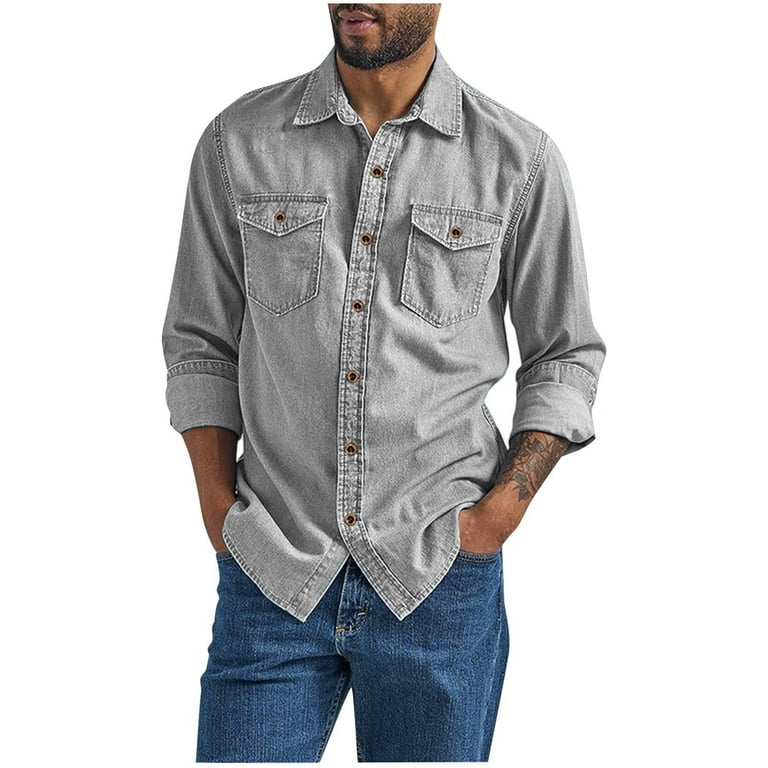
If you like the look or use of a pocket, that’s fine—style rules are not laws. Some modern brands offer removable pockets or “invisible” pockets sewn inside the shirt. These features are rare but show that fashion is always changing.
If you order custom shirts, you can request a pocket placed lower, higher, or even on the right side. Just remember that these choices are less traditional and may stand out.
Credit: www.walmart.com
When A Pocket Is Best
There are times when a pocket is the smart choice:
- Travel: Hold a boarding pass or small papers.
- Work: For engineers, doctors, or teachers who use pens all day.
- Casual Friday: For a relaxed look at the office.
In these cases, choose a shirt with a simple, neat pocket. Avoid extra stitching or flaps.
The Future Of Dress Shirt Pockets
With changes in technology and work styles, the need for shirt pockets is shrinking. People carry fewer small items in their shirts, thanks to smartphones and other tools. Still, pockets will never disappear completely. Some designers are even adding smart pockets for cards or tech gadgets.
Fashion is always a mix of tradition and change. For now, pocketless dress shirts remain the standard for anyone who wants a classic, sharp look.
Frequently Asked Questions
Why Do Most Formal Dress Shirts Not Have Pockets?
Most formal dress shirts skip the pocket to keep the front clean and smooth. Pockets add bulk and break up the shirt’s lines, which matters in formal settings. Style experts believe a pocketless shirt looks sharper with suits and ties.
Is It Ever Okay To Wear A Dress Shirt With A Pocket?
Yes, for everyday office wear or casual events, a pocket can be practical. However, for weddings, interviews, or black-tie events, a pocketless shirt is the best choice for a polished look.
Do Women’s Dress Shirts Have Pockets?
Usually, women’s formal shirts do not have pockets. Pockets can add bulk and change the shape of fitted women’s shirts. In casual women’s wear, pockets are more common as a style detail.
Are Pockets On Dress Shirts A Sign Of Lower Quality?
No, a pocket is not always a sign of lower quality. Some high-end brands add pockets for buyers who want them. However, the most formal shirts are almost always pocketless.
Where Can I Learn More About Dress Shirt Traditions?
A good resource for classic men’s style is the Wikipedia page on dress shirts, which covers history, design, and cultural differences.
Dress shirts are more than just clothing. The choice to add or skip a pocket is about history, culture, and style. Whether you prefer a pocket or not, understanding the reasons helps you dress with confidence and make smarter choices for every occasion.
