

Why Does My Gym Clothes Smell? Tips to Keep Them Fresh
Why Does My Gym Clothes Smell
You finish a workout, toss your gym clothes in the laundry, and wash them as usual. But later, there’s a problem: that sweaty, musty odor is still there. It’s frustrating and embarrassing—especially if you notice the smell when you’re just putting on your “clean” gym gear. Why do workout clothes sometimes hold onto bad smells, even after washing? And what can you do to fix it? Let’s dive into the real reasons behind stinky gym clothes, how you can prevent these odors, and what you might be missing.
Why Gym Clothes Are Different From Regular Clothes
At first glance, you might think all clothes are the same. But gym clothes are made with special materials, and these fabrics behave differently than your everyday cotton shirts or jeans. Most workout clothes are made from synthetic fibers like polyester, nylon, or spandex. These materials are lightweight, stretchy, and wick moisture from your skin to keep you cool and dry during exercise.
However, these benefits also come with a downside. Synthetic fabrics have a unique structure with tiny pores and grooves. These small spaces can trap sweat, skin oils, and bacteria deep inside the fibers—much deeper than natural fabrics. Once trapped, these substances are hard to remove with a normal wash.
Also, many gym clothes are designed to fit close to your body. This makes it easier for sweat and bacteria to transfer from your skin to the fabric, increasing the risk of odors. So, gym clothes create the perfect environment for smells to develop and linger.
The Science Of Sweat And Smell
To understand why your gym clothes smell, you need to look at what happens when you sweat. Sweat itself is mostly water and salt, and it doesn’t have a strong odor. The real problem starts when sweat mixes with bacteria on your skin.
Your body is covered with millions of tiny bacteria. When you exercise, sweat and skin oils provide the perfect food for these bacteria. As they break down sweat and oils, they release chemicals known as volatile organic compounds. These compounds are responsible for the classic “gym smell”—a sharp, sour, or even cheesy odor.
Synthetic fabrics trap sweat and bacteria more easily than natural fibers. The bacteria can multiply inside the fabric, protected from washing and air. As a result, every time you re-wear your gym clothes, the smell gets stronger.
Why Does The Odor Stay After Washing?
Many people believe that washing clothes will remove all smells. But with gym clothes, washing does not always reach the bacteria and sweat deep in the fibers. This is especially true if you:
- Wash in cold water only
- Use too much or too little detergent
- Skip pre-treating stains and sweat spots
- Overload your washing machine
Regular laundry habits, which work well for most clothes, might not be enough for sweaty gym gear.
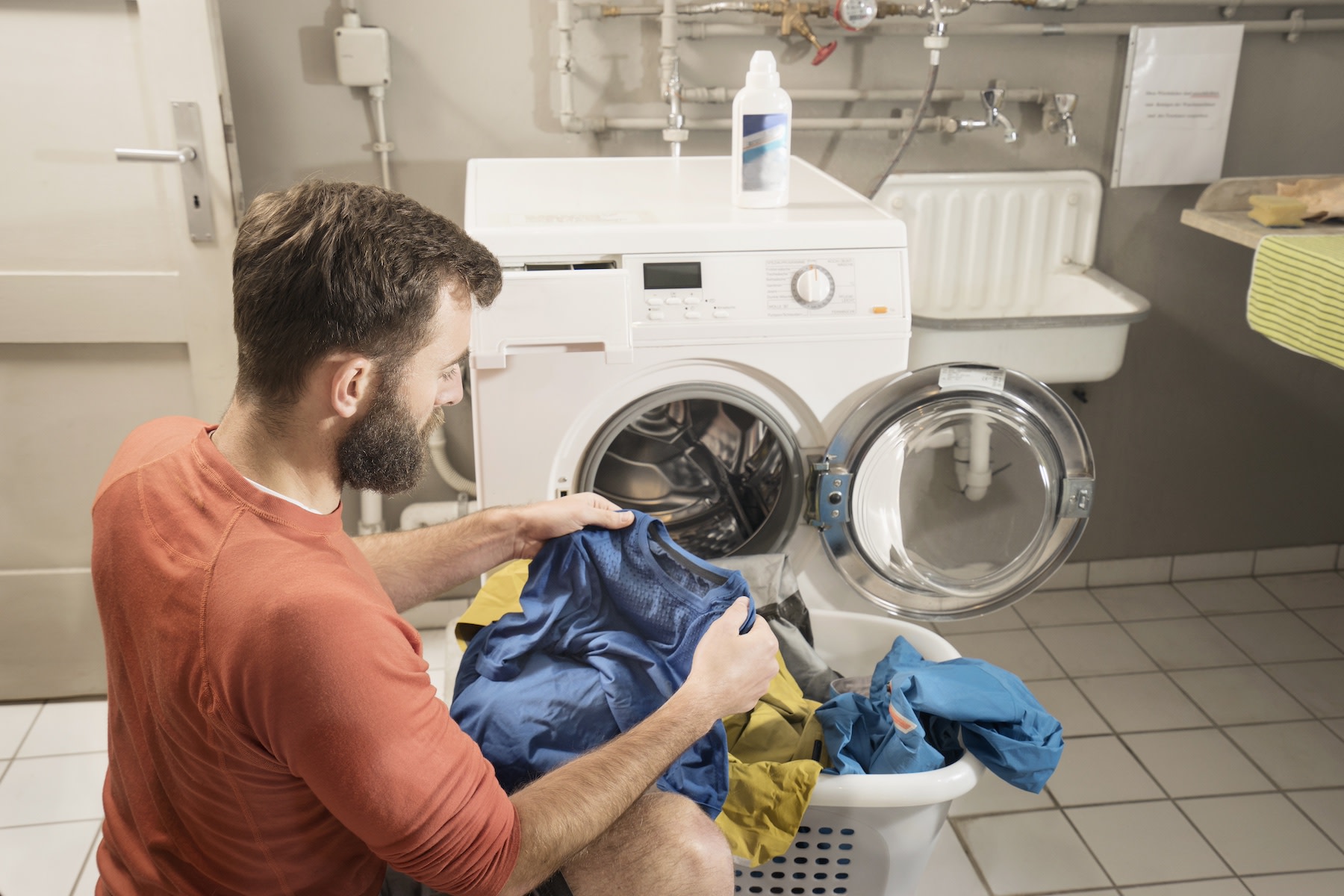
Credit: www.onepeloton.com
Common Causes Of Lingering Odors In Gym Clothes
Let’s break down the main reasons why your gym clothes keep smelling, even after washing:
1. Trapped Bacteria And Sweat
As mentioned, synthetic fabrics can trap bacteria and sweat in tiny spaces. Over time, these build up, creating a strong, lasting smell.
2. Using The Wrong Detergent
Many laundry detergents are designed for cotton and other natural fibers. They may not break down oils and bacteria trapped in synthetic materials. Some detergents even leave residue, which makes odors worse.
3. Washing In Cold Water
Cold water is gentle on fabrics and saves energy, but it does not always remove body oils and bacteria. For gym clothes, warm or hot water is often better—if the care label allows.
4. Overloading The Washing Machine
Stuffing your washer full means clothes can’t move freely. Detergent and water can’t reach every part of each garment, so sweat and bacteria stay trapped.
5. Skipping Pre-treatment
Sweat stains and body oils often need extra attention. If you don’t pre-treat underarms, collars, or other sweaty spots, smells can remain even after washing.
6. Not Drying Completely
Damp gym clothes can become a breeding ground for mold and mildew. If you leave clothes in the washer or let them air dry slowly in a humid room, they can develop a musty smell.
7. Fabric Softeners And Dryer Sheets
Many people use fabric softeners to make clothes feel nice. But with gym clothes, softeners leave a coating on the fibers. This coating traps sweat, bacteria, and smells, making the problem worse.
8. Reusing Gym Clothes Without Washing
Wearing gym clothes multiple times before washing lets bacteria and sweat build up. The more you delay washing, the harder it is to remove odors.
9. Hard Water Issues
If you live in an area with “hard” water (water with lots of minerals), detergent can have a harder time working. This leaves sweat and bacteria behind, causing lingering smells.
10. Poor Airflow In Storage
Storing gym clothes in a closed gym bag or drawer while they’re still damp is an easy way to create odors. Bacteria and mold thrive in warm, moist, dark places.
The Role Of Sweat Chemistry
Not everyone’s sweat smells the same. Some people notice their gym clothes stink more than others, even after similar workouts. This can be due to differences in sweat chemistry:
- Hormones: Hormonal changes affect sweat production and odor. For example, stress or diet changes can make sweat smell stronger.
- Diet: Foods like garlic, onions, or spices can change the smell of your sweat.
- Medications: Some medicines change how your body produces sweat or how it smells.
- Genetics: Your DNA affects how your sweat interacts with bacteria.
If you notice a sudden or dramatic change in how your gym clothes smell, consider if your diet, health, or routine has changed.

Credit: tripulse.co
How To Stop Gym Clothes From Smelling
Now that you know why the smell happens, here are practical steps you can take to keep your gym clothes fresh:
1. Wash Immediately After Wearing
Don’t let dirty gym clothes sit for hours or days in your bag or hamper. The longer sweat and bacteria stay on the fabric, the deeper the smell gets.
- If you can’t wash right away, hang clothes to air out and dry first.
- Don’t leave sweaty clothes in a closed bag or pile.
2. Turn Clothes Inside Out
Most sweat and bacteria are on the inside of your gym gear. Turn clothes inside out before washing so water and detergent reach the dirtiest areas.
3. Use The Right Detergent
Choose a detergent made for sportswear or synthetic fabrics. These detergents are designed to break down body oils and bacteria better.
- Avoid using too much detergent—it can leave residue.
- For extra odor-fighting, add one cup of white vinegar to the rinse cycle. Vinegar helps kill bacteria and remove smells.
4. Wash In Warm Or Hot Water
Check the care label, but most synthetic gym clothes can handle warm water. Warm or hot water cleans deeper and removes more bacteria and oils.
5. Don’t Overload The Machine
Give your gym clothes plenty of space to move in the washer. This lets water and detergent reach all parts of the fabric.
6. Skip Fabric Softeners
Avoid softeners and dryer sheets when washing gym clothes. They leave a coating that traps smells.
- If you want a softer feel, use a little white vinegar instead.
7. Pre-treat Problem Areas
Spray or rub a little detergent on the underarms, collars, or other sweaty spots before washing. Let it sit for 10-15 minutes for best results.
8. Dry Clothes Completely
After washing, dry your gym clothes fully—either in the dryer (if safe) or in a well-ventilated space. Damp clothes can smell musty fast.
9. Wash Gym Clothes Separately
Wash your gym gear in a separate load. Mixing them with towels or regular clothes can spread bacteria and reduce washing effectiveness.
10. Use Baking Soda For Extra Odor Removal
Add half a cup of baking soda to the wash to help neutralize tough smells.
11. Address Hard Water Issues
If you have hard water, use a water softener or add washing soda to your laundry. This helps your detergent work better.
12. Store Gym Clothes Properly
Make sure your gym clothes are completely dry before putting them away. Store them in a cool, dry place with good airflow.
13. Replace Old Gym Clothes
Even with the best care, gym clothes eventually wear out. If your gear still smells after every trick, it might be time for a new set.
What Most People Miss: Two Key Insights
Even with all the advice above, many people overlook two important factors:
- Washing Machines Need Cleaning: Over time, your washing machine can build up residue and bacteria, which spread to your clothes. Run a monthly empty cycle with hot water and vinegar or a washing machine cleaner to keep it fresh.
- Air Quality and Ventilation Matter: If your laundry area is damp or lacks airflow, gym clothes won’t dry well. Humid air encourages bacteria and mold. Use fans, open windows, or a dehumidifier if needed to help clothes dry faster.
Comparing Gym Clothes Materials And Odor Problems
Not all gym clothes are equal when it comes to odor. Here’s how different fabrics stack up:
| Fabric Type | Odor Resistance | Drying Speed | Feel on Skin |
|---|---|---|---|
| Polyester | Poor | Fast | Smooth, lightweight |
| Nylon | Moderate | Fast | Silky, durable |
| Merino Wool | Excellent | Moderate | Soft, natural |
| Cotton | Good (when clean) | Slow | Soft, absorbent |
| Bamboo | Good | Moderate | Soft, breathable |
Merino wool is a special case. It naturally resists odor, but it’s more expensive and less common in gym wear. Polyester dries quickly but holds onto smells. Cotton absorbs sweat but dries slowly and can smell musty if not washed soon.
Mistakes To Avoid When Washing Gym Clothes
Even if you wash often, a few common mistakes can make odors worse:
- Too Much Detergent: This leaves residue that traps bacteria.
- Not Cleaning the Washer: Dirty machines spread odors.
- Using Scent Maskers Only: Strong-smelling fabric sprays hide, not remove, the problem.
- Skipping Care Labels: Some gym clothes need special care (like air drying only).
- Drying in Humid Spaces: Clothes can pick up new odors if not dried in fresh air.
Credit: www.nike.com
Effective Gym Clothes Washing Routine
Here’s a simple routine to keep your workout gear smelling good:
- After Exercise: Hang clothes to dry right away. Don’t leave them in your bag.
- Pre-Treat: Spray underarms and sweaty areas with a mix of water and vinegar or a sport detergent.
- Wash: Use a sports detergent, warm water, and don’t overload the machine.
- Add Baking Soda or Vinegar: For extra odor control.
- Dry: Use a dryer (if allowed) or air dry in a well-ventilated space.
- Store: Make sure clothes are completely dry before storing.
Diy Odor-fighting Sprays For Gym Clothes
Between washes, you can use simple homemade sprays to freshen up your gym gear:
- Vinegar Spray: Mix 1 part white vinegar with 3 parts water. Spray inside clothes and let air dry.
- Baking Soda Spray: Mix 1 tablespoon baking soda in 2 cups water. Spray on sweaty spots.
- Essential Oil Freshener: Add a few drops of tea tree or lavender oil to water for a pleasant scent and antibacterial boost.
Test any spray on a small spot first to avoid damaging the fabric.
How Odor-resistant Technologies Work
Some modern gym clothes have antimicrobial treatments. These use silver, copper, or other substances to slow bacteria growth.
Here’s how common treatments compare:
| Treatment Type | How It Works | Downsides |
|---|---|---|
| Silver Ions | Disrupts bacteria cell walls | Can fade with washing |
| Copper Infusion | Blocks bacteria growth | Expensive, may stain |
| Natural Fibers (e.g., wool) | Resist bacteria naturally | Requires gentle care |
| Chemical Coatings | Repel sweat and bacteria | May wash off over time |
These technologies help, but regular washing and care are still necessary.
When To Replace Your Gym Clothes
No matter how well you care for your gear, gym clothes have a limit. Over time, the fabric fibers stretch, thin out, and hold more bacteria. Signs it’s time to replace your gym clothes include:
- Persistent odor after washing
- Visible wear, thinning, or holes
- Loss of stretch or shape
- Fabric feels sticky or rough
Replacing old gym clothes is not just about looks—it’s about hygiene and feeling good during your workout.
Environmental Impact Of Smelly Gym Clothes
Washing gym clothes more often to fight odors can use extra water, energy, and detergent. To reduce your impact:
- Wash only full loads
- Air dry when possible
- Use eco-friendly detergents
- Don’t replace clothes before necessary
Some brands are now making gym clothes from recycled materials or with better odor resistance, reducing the need for frequent washing.
Real-world Example: A Case Of Persistent Odor
Consider Lisa, a regular gym-goer who noticed her favorite workout top always smelled, no matter how she washed it. She tried more detergent, stronger fragrances, and even soaking it overnight. Nothing worked.
Finally, Lisa learned her washing machine was the problem—it had built-up residue that spread bacteria back onto clothes. After cleaning the machine with hot water and vinegar, switching to a sports detergent, and drying clothes thoroughly, the smell disappeared.
This shows that the source of gym clothes odor is not always obvious. Sometimes, the solution is outside the clothing itself.
Expert Tips For Long-term Freshness
- Rotate your gym clothes. Don’t wear the same set for back-to-back workouts.
- Air out shoes, bags, and gear along with your clothes.
- Wash gym towels and headbands with the same odor-fighting steps.
- If you travel, bring a mesh laundry bag for sweaty gear.
Should You Use Scented Sprays Or Deodorizers?
Scented sprays can mask odors for a short time, but they don’t solve the root problem. Overuse of sprays can irritate skin or damage some fabrics. Use sprays as a temporary fix, not a main solution.
The Role Of Good Hygiene
Fresh gym clothes start with good personal hygiene:
- Shower before and after workouts when possible
- Use antibacterial soap in sweaty areas
- Dry your skin fully before dressing in gym gear
Taking care of your skin helps reduce how much sweat and bacteria transfer to your clothes.
Comparing Gym Clothes Odor Solutions
Here’s a quick look at how different odor solutions compare:
| Solution | Effectiveness | Cost | Ease of Use |
|---|---|---|---|
| Sports Detergent | High | Medium | Easy |
| Vinegar Rinse | High | Low | Easy |
| Baking Soda Additive | Medium | Low | Easy |
| Fabric Softeners | Poor (avoid) | Medium | Easy |
| Antimicrobial Clothes | Medium-High | High | Easy |
When To Seek Medical Advice
If your gym clothes develop new, unusual, or very strong odors, and you notice changes in your sweat, it could be a sign of a health condition. Some metabolic or skin issues can change body odor. If you are concerned, talk to your doctor.
For more information on the science behind body odor and sweat, you can visit the Wikipedia Body Odor page.
Frequently Asked Questions
Why Do My Gym Clothes Smell Even After Washing?
Synthetic fibers in gym clothes trap sweat and bacteria deep inside. Regular washing may not remove all the odor-causing bacteria, especially if you wash in cold water or use the wrong detergent.
Can I Use Regular Detergent For Gym Clothes?
You can, but sports detergents work better. They are made to break down sweat, oils, and bacteria in synthetic fabrics, which regular detergents may miss.
Is It Safe To Use Vinegar Or Baking Soda On Gym Clothes?
Yes. White vinegar and baking soda are safe for most gym clothes. They help neutralize odors and kill bacteria without damaging the fabric. Always check the care label first.
How Often Should I Replace My Gym Clothes?
Replace gym clothes if they still smell after washing, lose their shape, or show signs of wear. Good gym gear can last many months with proper care.
Do Antimicrobial Gym Clothes Really Work?
Antimicrobial treatments help slow down bacteria growth and reduce odors, but they are not a total solution. You still need to wash your gym gear regularly and follow good laundry practices.
Your gym clothes don’t have to smell bad. With the right washing routine, smart fabric choices, and a bit of extra care, you can keep your workout gear fresh and ready for action. Proper cleaning and storage make a big difference, so don’t settle for “clean enough”—go for truly fresh every time.
