

Why Do Tank Tops Shrink? Uncover the Hidden Causes
Why Do Tank Tops Shrink
Tank tops are a popular choice for warm weather, workouts, or simply relaxing at home. But many people notice a common problem: after a few washes, their favorite tank top seems to get smaller. Sometimes, it feels like a brand-new top fits perfectly, but after laundry day, it is suddenly tight or shorter. This shrinking can be frustrating, especially if you spent money on quality clothing or really love the style. Why does this happen? Is it just bad luck, or is there a science behind shrinking tank tops? Understanding the reasons can help you avoid mistakes and keep your clothes fitting as they should.
Shrinking is not just about one thing; it is caused by a mix of fabric types, washing habits, dryer settings, and even the way tank tops are made. Many people do not realize that even expensive tank tops can shrink if you are not careful.
If you want your tank tops to last longer and keep their shape, learning the real reasons behind shrinking is essential. This guide explains, in simple terms, why tank tops shrink, how it happens, and what you can do to prevent it.
The Science Behind Fabric Shrinkage
Shrinkage is not a random event. It happens because of the way fibers in your tank top react to water, heat, and movement. Most tank tops are made from cotton, polyester, rayon, or blends. Each material behaves differently when washed or dried.
When you wash clothes, the fibers absorb water and swell. Heat from the dryer or hot water causes these fibers to relax and then tighten as they dry. This tightening pulls the fabric together, making the tank top smaller. This process is called felting (for wool) or relaxation shrinkage (for cotton and other plant fibers).
Here is a simple example: imagine a cotton rope. When it gets wet, it becomes flexible and can stretch. If you dry it quickly with heat, the rope becomes tighter and shorter. Fabrics act in a similar way. The amount of shrinkage depends on the type of fiber, the way it was made, and how it is washed and dried.
Different Fabrics, Different Shrinking
Let’s look at how common tank top fabrics react to washing and drying:
| Fabric Type | Shrinkage Risk | Common Uses |
|---|---|---|
| Cotton | High | Basic tank tops, undershirts |
| Polyester | Low | Sports tanks, blends |
| Rayon | Very High | Fashion tanks, soft styles |
| Spandex/Elastane | Low | Stretchy tanks, athletic wear |
| Blends (e.g. Cotton/Polyester) | Medium | Everyday wear |
Cotton is the most common fabric for tank tops, and it is also the most likely to shrink, especially if it is not pre-shrunk. Polyester is more resistant to shrinking, but it can still lose shape if exposed to high heat. Rayon can shrink even in cold water and low heat because it is made from regenerated plant fibers. Spandex or elastane gives tank tops stretch and helps prevent shrinking, but only if used in high amounts (10% or more).
Why Do Tank Tops Shrink? The Main Reasons
Understanding the specific reasons will help you see what causes the problem and how you can avoid it.
1. Heat Exposure
The number one reason for shrinking is heat. Washing in hot water or drying on high heat makes the fibers contract. Cotton and rayon are especially sensitive to heat. Even one wash in hot water can make a tank top noticeably smaller.
Dryer heat is more intense than most washing machines. When you use a dryer, air temperature can reach very high levels, causing the fabric to shrink quickly. This is even worse if you leave the tank top in the dryer for a long time.
2. Water And Moisture
Water causes fibers to swell, loosen, and then shrink as they dry. If your tank top soaks for a long time, especially in hot water, the risk of shrinking increases. The process is natural: fibers absorb water, relax, and when they dry, they try to return to their original length (which is shorter than when stretched during manufacturing).
3. Mechanical Agitation
Washing machines, especially top loaders with agitators, twist and turn your clothes. This movement can cause fibers to tangle and tighten. The more aggressive the machine, the higher the chance of shrinkage.
Front-load washers are usually gentler, but even they can cause shrinking if you overload the machine or use long cycles. For tank tops, delicate cycles are usually best.
4. Poor Fabric Quality Or Construction
Not all tank tops are made equally. Low-quality fabric is more likely to shrink. Why? Because the fibers are not as tightly spun or woven, so they move more during washing and shrink more after drying.
Manufacturing processes like pre-shrinking or sanforizing can help prevent shrinkage. Brands that skip these steps to save money sell tank tops that shrink more easily.
5. Incorrect Washing And Drying Settings
Using the wrong settings can shrink even the best tank tops. Washing on “hot” or drying on “high” is a common mistake. Some people think hotter means cleaner, but with tank tops, it just means smaller.
Also, drying for too long or forgetting to remove clothes promptly can cause extra shrinking. Overdrying removes too much moisture, making fibers contract even more.
6. Not Following Care Labels
Most tank tops come with tags that explain how to care for them. These labels are not just suggestions; they are based on how the fabric behaves. Ignoring them is one of the fastest ways to shrink your tank tops.
For example, some labels say “lay flat to dry” or “cold wash only. ” Not following these instructions leads to shrinkage or even damage.
7. First Wash Shrinkage
Many tank tops shrink the first time you wash them. This is because the tension in the fabric from manufacturing is released. Some brands pre-shrink tank tops, but not all. If your tank top is not pre-shrunk, expect it to get smaller after the first wash.
8. Fiber Memory And Tension
During manufacturing, fibers are stretched tight to give a smooth, flat look. Washing and drying let those fibers “relax” and snap back to their natural length. This means the tank top gets shorter and tighter.
Some fibers have more “memory” than others. Cotton remembers its original length better than polyester, so it shrinks more.
9. Repeated Washing And Drying
Shrinkage is not always a one-time event. With every wash and dry, a tank top can lose a bit more size. Over time, you may notice your favorite top is much tighter or shorter than when you bought it.
10. Chemical Treatments And Finishes
Some tank tops are treated with chemicals to add softness, color, or water resistance. These treatments can break down over time, making the fibers more likely to shrink. For example, softeners can wash out and leave the fabric more exposed to heat and moisture.
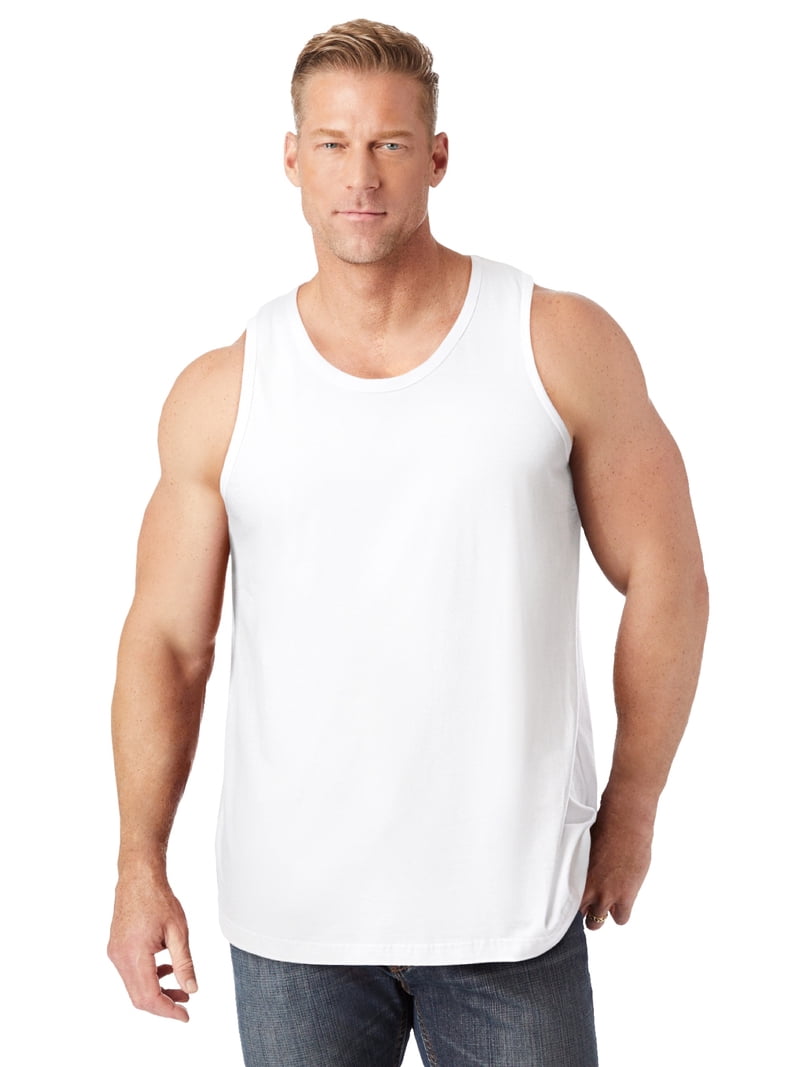
Credit: www.walmart.com
How To Prevent Tank Tops From Shrinking
Knowing why tank tops shrink is only half the story. What can you do to avoid this problem? Here are practical steps to protect your favorite tops:
1. Read The Care Label
Always check the tag before washing. If it says “cold wash only” or “lay flat to dry,” follow these instructions. These labels are based on how the fabric reacts to washing and drying.
2. Wash In Cold Water
Hot water is the enemy of most tank tops. Use cold water for washing. It cleans just as well for most clothes and reduces the risk of shrinkage. Modern laundry detergents work well even in cold water.
3. Use Gentle Wash Cycles
Pick the “delicate” or “gentle” setting on your machine. This reduces agitation and helps keep fibers from shrinking. If you have a choice, use a front loader or hand wash for the best results.
4. Avoid The Dryer When Possible
Air drying is the safest method. Lay your tank top flat on a clean, dry towel or hang it up. Avoid direct sunlight, which can fade colors. If you must use a dryer, use the lowest heat setting and remove the top while it’s still slightly damp.
5. Do Not Overload The Washer
Crowding the machine leads to more friction and twisting, which can cause shrinking. Wash tank tops with similar fabrics and colors, and give them room to move.
6. Choose High-quality Tank Tops
Look for tank tops labeled as pre-shrunk or sanforized. These have already gone through a process to reduce shrinking. Brands that use better materials and quality controls usually have less shrinkage.
7. Wash Less Often
Washing wears out fabric and increases shrinkage risk. Unless your tank top is dirty or sweaty, you can often wear it more than once before washing.
8. Use Laundry Bags
For delicate tank tops, use a mesh laundry bag. This reduces friction and stretching in the wash.
9. Use Gentle Detergents
Harsh chemicals can weaken fibers. Choose a mild or gentle detergent, especially for natural fabrics like cotton and rayon.
10. Iron With Care
If you need to iron your tank top, use a low setting and avoid direct contact with the fabric. High heat from the iron can also cause shrinking.
The Role Of Fabric Blends In Shrinking
Many modern tank tops are made from fabric blends. Why do brands use blends? The goal is to get the best qualities from each fiber. For example, cotton is soft and breathable but shrinks easily. Polyester resists shrinking but is less breathable.
Blending them can create a more balanced fabric.
But blends can be tricky. A tank top that is 50% cotton and 50% polyester will shrink less than 100% cotton, but it can still shrink if exposed to heat. The more natural fibers (cotton, rayon) in the blend, the higher the risk.
Here’s a comparison of how common blends perform:
| Blend | Shrinkage Risk | Comfort Level | Best Use |
|---|---|---|---|
| 100% Cotton | High | Very Soft | Everyday, casual |
| 50/50 Cotton/Polyester | Medium | Soft, durable | Active wear, basics |
| 65% Polyester/35% Cotton | Low | Less soft, more durable | Sports, heavy use |
| Rayon Blends | Very High | Silky, drapes well | Fashion tops |
| Spandex Blends | Low | Stretchy | Fitness, fitted tanks |
Non-obvious insight: Even a small amount of spandex (around 5%) can help a tank top keep its shape, but it won’t prevent all shrinking if the main fiber is cotton or rayon.

Credit: www.reddit.com
Why Expensive Tank Tops Can Still Shrink
Many people think buying a premium tank top will solve the shrinking problem. This is not always true. High price does not always mean pre-shrunk or shrink-proof. Some designer brands use delicate or fashionable fabrics (like rayon or modal) that are actually more sensitive to heat and water.
Non-obvious insight: Expensive tank tops may have more detailed care instructions—ignoring them can lead to worse shrinking than with a cheap basic cotton top.
Also, fashion tank tops may be cut or sewn with less allowance for shrinkage. This means even a small amount of shrinkage will affect the fit more noticeably.
How Much Do Tank Tops Shrink?
The amount of shrinkage depends on the fabric, washing method, and how the tank top was made. On average, a cotton tank top can shrink by 3-5% after the first wash and dry. That means a tank top with a chest width of 50 cm can lose 1.5 to 2.5 cm across the chest.
Rayon tank tops can shrink up to 8-10% if washed or dried incorrectly. Polyester shrinks the least—usually less than 2%.
Example: Shrinkage By Fabric Type
| Fabric | Average Shrinkage (%) | First Wash Shrinkage |
|---|---|---|
| Cotton | 3-5 | High |
| Polyester | 0-2 | Low |
| Rayon | 8-10 | Very High |
| Cotton/Polyester Blend | 2-3 | Medium |
| Modal | 4-6 | High |
Common Myths About Shrinking Tank Tops
There are many myths about why tank tops shrink. Let’s clear up some of the most common:
Myth 1: Only cheap clothes shrink.
Even expensive tank tops can shrink if washed or dried incorrectly.
Myth 2: Washing in cold water stops all shrinking.
Cold water reduces shrinking but does not eliminate it, especially for rayon or poorly made cotton.
Myth 3: Stretching a tank top after washing will “unshrink” it.
You might get a little extra length, but most shrinking is permanent because of fiber memory.
Myth 4: Dry cleaning prevents all shrinking.
Dry cleaning can help, but it is not practical for everyday tank tops and does not always stop shrinking in delicate fabrics.
How To Fix A Shrunken Tank Top
If your tank top has already shrunk, you may be able to stretch it back a little. Here’s a simple method:
- Fill a basin with lukewarm water and add a tablespoon of gentle hair conditioner or baby shampoo.
- Soak the tank top for 15-20 minutes.
- Gently squeeze out water (do not wring).
- Lay the top flat on a towel and roll it up to absorb more water.
- Gently stretch the tank top to its original size, especially in the areas that shrank the most.
- Lay flat to dry.
Note: This works best on cotton and cotton blends. If the tank top shrank a lot, it may not return to its full original size.

Credit: jijamas.com
How To Shop For Shrink-resistant Tank Tops
If you want tank tops that last, look for these features when shopping:
- Pre-shrunk label: Means the fabric was washed before making the tank top.
- Sanforized: Special process to prevent shrinking.
- Polyester or spandex blends: More resistant to shrinking.
- High-quality stitching: Less likely to distort in the wash.
- Clear care instructions: Brands that give detailed washing and drying advice usually use better materials.
What If You Want A Tank Top To Shrink?
Sometimes, you buy a tank top that is too large. If you want it to shrink, wash it in hot water and dry it on high heat. This works best with 100% cotton tank tops. Be careful: shrinking is not always even, and you may end up with a top that is tight in some areas and loose in others.
Environmental Impact Of Shrinking Clothes
Clothes that shrink and become unwearable often end up as waste. Studies show that millions of tons of clothing are thrown away each year, much of it because it no longer fits. Choosing tank tops made from quality materials and caring for them properly helps reduce environmental impact.
For more on sustainable clothing and fabric care, the Good On You website offers helpful guides.
Frequently Asked Questions
Why Do Some Tank Tops Shrink More Than Others?
Some tank tops shrink more because of the type of fabric, how tightly the fabric is woven, or whether the top was pre-shrunk during manufacturing. Natural fibers like cotton and rayon are more likely to shrink, especially if the tank top is not pre-treated.
Tank tops with a loose weave or poor stitching also shrink more.
Can I Stop A Tank Top From Shrinking After The First Wash?
You can reduce shrinking by always washing in cold water, using gentle cycles, and air drying. Once a tank top has shrunk, it is usually difficult to return it to its original size. Preventing shrinkage is easier than fixing it after it happens.
Are Blended Fabrics Always Better For Avoiding Shrinkage?
Blended fabrics (for example, cotton and polyester) are less likely to shrink than 100% cotton, but they are not shrink-proof. The amount of shrinkage depends on the ratio of fibers and the quality of the fabric. Always check the care label for best results.
How Do I Know If A Tank Top Is Pre-shrunk?
Look for the term “pre-shrunk” or “sanforized” on the label or product description. If you cannot find this information, you can ask the retailer or brand. Pre-shrunk tank tops are less likely to change size after washing.
What Is The Best Way To Dry Tank Tops To Avoid Shrinking?
The best way is to lay the tank top flat on a towel to air dry, away from direct sunlight. If you use a dryer, choose the lowest heat setting and remove the tank top while it is still slightly damp.
Avoid over-drying, as this increases the risk of shrinkage.
Tank tops are a staple in many wardrobes, but shrinking can turn a perfect fit into a disappointment. By understanding the reasons behind shrinking and following simple care steps, you can keep your tank tops looking and fitting great for a long time.
Proper care is not just about saving money—it is also about reducing waste and getting the most from your favorite clothes.
