

Why Do Sports Clothes Smell? Causes, Solutions, and Tips
Why Do Sports Clothes Smell
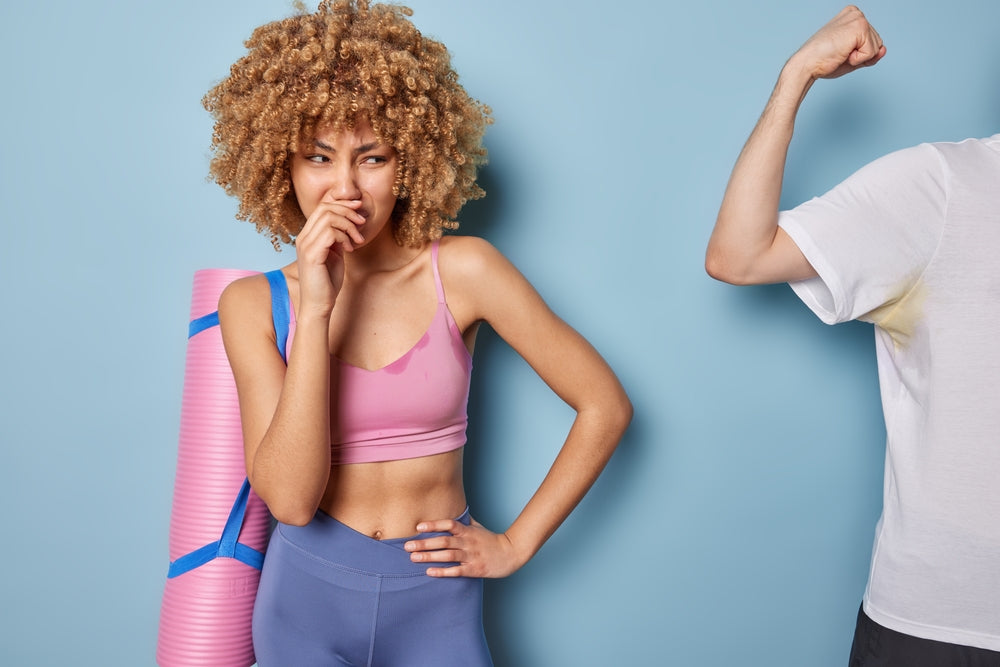
Have you ever opened your gym bag after a tough workout and nearly recoiled from the strong smell of your sports clothes? It’s a common experience for anyone who exercises regularly. Even after a good wash, some sportswear seems to hold on to that stubborn, unpleasant odor.
Many people wonder why this happens and if it’s possible to get rid of the smell for good. The answer isn’t as simple as “it’s just sweat. ” The real reasons are a mix of biology, fabric science, washing habits, and even the way you store your clothes.
Understanding the causes behind smelly sports clothes can help you care for your gear better and enjoy your workouts without embarrassment.
This article goes deep into the science of why sports clothes smell, the role of sweat and bacteria, differences between fabric types, and why some odors are so hard to remove. You’ll also learn about common mistakes that make things worse, what actually works for removing odors, and practical tips you can use right now.
By the end, you’ll know much more than just how to mask smells—you’ll understand how to prevent them, for good.
The Science Behind Sweat And Odor
Sweating is a normal body function. It helps cool your body when you’re hot or exercising. But sweat itself isn’t what makes your sports clothes smell. The real story is a bit more complex.
Why Sweat Alone Doesn’t Smell
Fresh sweat is almost odorless. Sweat is mostly water with tiny amounts of salt, proteins, and other substances. When it first leaves your skin, it doesn’t have a strong smell. Problems start when sweat mixes with bacteria on your skin.
The Role Of Bacteria
Your skin is covered with bacteria, both good and bad. These bacteria love warm, damp places—like sweaty armpits or tight-fitting sportswear after a workout. When sweat soaks into your clothes, bacteria break down the proteins and fats in sweat. This process creates volatile organic compounds (VOCs), which are the real cause of bad smells.
Common bacteria that cause odor include:
- Staphylococcus hominis
- Corynebacterium species
These bacteria thrive in the moist, salty environment of sports clothes. The more they multiply, the stronger the smell gets.
Why Odors Stick To Sports Fabrics
Unlike regular cotton shirts, most sportswear is made from synthetic fibers like polyester, nylon, or spandex. These materials are designed to wick away moisture, but they also trap body oils and bacteria deep in the fabric. The result: even after washing, some smells stay behind.
Types Of Fabrics And How They Affect Odor
Not all clothes smell the same after a workout. The type of material makes a big difference in how much odor builds up.
Cotton Vs. Synthetic Materials
| Fabric Type | Moisture Absorption | Odor Retention | Drying Speed |
|---|---|---|---|
| Cotton | High | Lower | Slow |
| Polyester | Low | High | Fast |
| Nylon | Medium | Medium | Fast |
| Wool | High | Low | Medium |
Synthetic fabrics like polyester are great for keeping you dry because they move sweat away from your skin. But they also create the perfect environment for bacteria. The smooth surface of polyester fibers doesn’t hold water, but it does hold on to oils and bacteria, making it harder to wash away the smell.
Cotton absorbs more water and takes longer to dry, but it’s easier to clean. Odors are less likely to stick after washing.
Wool is a natural fiber that resists odors better than both cotton and synthetics, thanks to its unique structure and natural lanolin.
Why Synthetics Smell More
Studies show that synthetic sportswear holds up to three times more odor than cotton after exercise. This is because synthetic fibers:
- Trap oils and bacteria deep inside
- Provide less airflow, keeping bacteria active longer
- Don’t release odors easily during washing
Special Coatings And Anti-odor Treatments
Some sports clothes have antimicrobial coatings or silver threads. These are designed to kill bacteria and reduce smells, but their effects wear off over time, especially after many washes.
The Journey Of Sweat: From Skin To Stink
Let’s break down what happens step by step, from the moment you start sweating to when you finally notice your gym shirt smells.
- Sweat is produced by your sweat glands during exercise or heat.
- Sweat soaks into your sports clothes, which are usually synthetic.
- Bacteria on your skin and in the fabric begin to break down the sweat.
- Bacteria produce odor molecules (like isovaleric acid), which get trapped in the fibers.
- Odor builds up the longer clothes stay damp and unwashed.
If you leave sweaty clothes in a gym bag or laundry basket, you give bacteria more time to multiply and create stronger odors.
Why Washing Doesn’t Always Help
Many people are frustrated when their sportswear still smells after being washed. There are several reasons for this.
The Limits Of Regular Detergent
Most laundry detergents are made for cotton clothes and may not clean synthetic fibers well. Detergents can struggle to break down body oils and bacteria stuck deep in polyester or nylon. Sometimes, regular washing only removes surface dirt, not the real source of odor.
Washing Machine Temperatures
Cold water is often used to protect sports fabrics, but it doesn’t kill bacteria as well as hot water. However, using hot water can damage or shrink many performance clothes. This leaves a challenge: how to clean clothes without ruining them.
Fabric Softeners Can Make Things Worse
Fabric softeners leave a coating on clothes that can trap bacteria and odors. This makes sportswear smell even worse over time.
Overloading The Washer
Putting too many clothes in the machine means there’s not enough room for water and detergent to move through the fabric. This leaves sweat and bacteria behind, especially in thick seams or underarm areas.
Skipping Pre-treatment
Stubborn odors often need extra steps before washing. Pre-soaking in vinegar or using a sports-specific detergent can help, but many people skip this.
Credit: hercleon.com
The Hidden Factors: Body Chemistry And Diet
Not everyone’s sports clothes smell the same. There are personal factors that make a big difference.
Individual Body Chemistry
Some people have more apocrine sweat glands, which produce sweat that is rich in proteins and fats. This type of sweat feeds bacteria more, creating stronger smells.
Diet And Hydration
Eating spicy foods, garlic, or onions can change the smell of your sweat. Dehydration makes your sweat more concentrated, which can also increase odor.
Hormones And Medications
Changes in hormone levels (like during stress or puberty) can make sweat smell stronger. Some medications also affect how your body produces sweat.
Storage Mistakes That Make Odor Worse
How you handle your sweaty sports clothes after exercise is just as important as how you wash them.
Leaving Clothes In Bags
Damp, sweaty clothes left in a closed gym bag or hamper give bacteria the perfect dark, warm environment to grow. Even a few hours can make smells much stronger.
Not Drying Before Washing
Putting wet clothes straight into the laundry basket means they stay damp for longer. If you can’t wash them right away, hang them up to dry first.
Storing Clothes In Humid Rooms
Bathrooms and basements are often humid. Storing sportswear here can trap moisture and make odors worse.
How To Actually Remove Odors From Sports Clothes
If you’re tired of clothes that still smell, even after washing, there are proven ways to fight back.
Use The Right Detergent
Look for sports-specific detergents designed for synthetic fabrics. These break down body oils and bacteria better than regular detergents.
Wash In Smaller Loads
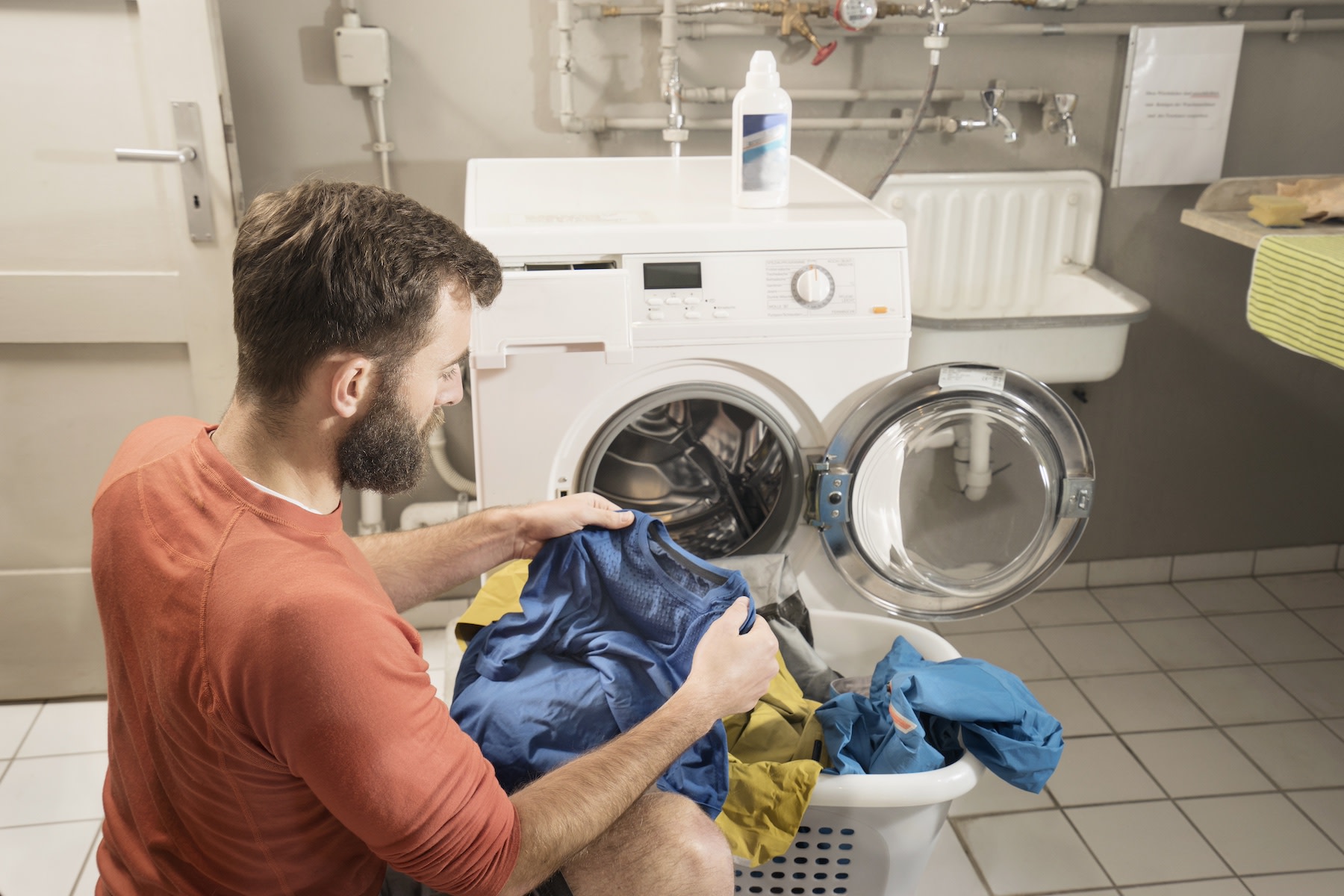
Give your clothes space to move in the washing machine. This helps water and detergent reach every part of the fabric.
Add A Pre-soak
Soak smelly clothes in a mix of water and white vinegar (1 cup vinegar to 1 gallon water) for 30 minutes before washing. Vinegar is a natural bacteria killer and helps release odors.
Avoid Fabric Softeners
Skip the softener. If you want softer clothes, use a half-cup of baking soda in the wash instead. Baking soda also helps neutralize smells.
Wash Right After Exercise
The faster you wash sweaty clothes, the less time bacteria have to grow.
Dry Clothes Completely
Hang sportswear to dry in a well-ventilated area or use a dryer if the fabric allows. Never leave them damp.
Comparing Odor Resistance By Fabric
Here’s a quick look at how different common sportswear fabrics handle odor:
| Fabric | Odor Resistance | Care Required |
|---|---|---|
| Polyester | Poor | High |
| Nylon | Average | Medium |
| Cotton | Good | Low |
| Wool (Merino) | Excellent | Medium |
| Bamboo | Good | Low |
Merino wool and bamboo are naturally odor-resistant. If you struggle with smelly sportswear, you might want to try these options.
Advanced Solutions: What The Experts Recommend
For people with extra stubborn sportswear smells, here are some expert-backed tricks.
Use Enzyme Cleaners
Some laundry boosters use enzymes to break down proteins and fats in sweat. These are especially good for polyester and nylon.
Oxygen-based Bleach
Oxygen bleach (not regular chlorine bleach) is safe for most colored sportswear and helps remove deep odors.
Sun Drying
Hanging clothes in direct sunlight helps kill bacteria and freshens fabrics. Sunlight is a natural disinfectant.
Turn Clothes Inside Out
Odors and sweat collect inside your clothes. Turning them inside out before washing helps the water reach the smelliest parts.
Wash With Less Detergent
More detergent isn’t better. If you use too much, it can build up in the fabric and trap odors. Use the amount recommended for your load size.
What Not To Do (common Mistakes)
Many people try home remedies or shortcuts that actually make odor problems worse.
- Don’t freeze your clothes. Freezing kills some bacteria, but not all, and it doesn’t remove the odor molecules.
- Don’t use too much detergent. This leaves residue in the fabric.
- Don’t skip washing after pre-soaking. Vinegar or baking soda soaks should always be followed by a full wash.
- Don’t iron sportswear to kill smells. High heat can damage synthetic fibers and make odors permanent.
- Don’t use bleach on spandex or Lycra. It damages the fabric and reduces performance.
Credit: www.onepeloton.com
Why Some People’s Sports Clothes Smell More
It’s not just about how much you sweat. Some people notice their gym clothes smell worse than others. Here’s why:
Sweat Gland Differences
Everyone has two types of sweat glands: eccrine (mostly water and salt, less smell) and apocrine (proteins, fats, more smell). Some people have more active apocrine glands, especially in the underarms and groin.
Skin Microbiome
Your unique mix of skin bacteria affects how much odor is produced. Some people naturally have more bacteria that create smelly VOCs.
Personal Habits
Wearing the same clothes more than once, not washing gear quickly, and using the wrong detergent all add up.
Hormonal And Health Factors
Changes in hormones, certain medications, and even stress can change the smell of your sweat.
How Gyms And Teams Handle Smelly Sportswear
Professional sports teams and gyms have their own strategies for dealing with odor:
- Using high-powered washing machines with special sports detergents
- Providing anti-microbial gear for athletes
- Air drying gear immediately after use
- Rotating between several sets of clothes to reduce wear and tear
These tips can work for regular gym-goers too.
Myths About Removing Odors
There’s a lot of advice online about getting rid of sportswear smells. Not all of it is true.
- Myth: Freezing kills odor. It only works on some bacteria, not the odor molecules.
- Myth: Hot water always works. Many sports fabrics can’t handle high temperatures.
- Myth: More detergent means cleaner clothes. Extra detergent can trap more smells.
- Myth: Fragrance boosters solve the problem. They just cover up the smell, not remove it.
Practical Tips For Odor-free Sports Clothes
Here are some proven tips you can use right away:
- Change out of sweaty clothes quickly after exercise.
- Air dry clothes if you can’t wash them immediately.
- Wash with a sports detergent or add a cup of vinegar to your regular wash.
- Don’t overload the washing machine.
- Hang clothes to dry in sunlight when possible.
- Rotate your gear so each item gets fully clean and dry between uses.
- Try wool or bamboo if you struggle with odor in synthetic fabrics.

Credit: www.nytimes.com
When To Replace Sports Clothes
No matter how carefully you wash them, sports clothes don’t last forever. Over time, fibers break down and odors become impossible to remove. If your clothes still smell bad after several washes and treatments, it’s time to replace them.
Signs you need new sports clothes:
- Persistent odor after washing
- Fabric feels thin or stretched out
- Visible sweat stains that won’t fade
- Loss of stretch or fit
Buying a few extra pieces and rotating them can make each item last longer.
Why Odor-control Matters
Smelly sportswear isn’t just embarrassing. It can also mean your clothes aren’t clean, which could lead to skin irritation or infections over time. Taking proper care of your gear keeps you comfortable, healthy, and confident.
The Big Picture: Odor Is Normal, But Manageable
Every athlete and gym-goer deals with smelly sports clothes at some point. The main cause isn’t sweat alone, but the combination of sweat, bacteria, and the type of fabric. Synthetic materials trap more odor, and regular detergents may not clean deeply enough.
How you store and wash your sportswear makes a big difference.
By using the right products, washing habits, and even choosing better fabrics, you can control odor and make your workout clothes last longer. Don’t fall for myths—focus on proven methods. Smell is normal, but you don’t have to live with it.
For more on the science of odor and fabrics, check out this Wikipedia article on body odor.
Frequently Asked Questions
Why Do My Sports Clothes Smell Even After Washing?
Smells remain because bacteria and body oils get trapped deep inside synthetic fibers. Regular detergents and cold washes may not remove these completely. Use a sports-specific detergent, pre-soak with vinegar, and don’t overload your washer for better results.
Can I Use Hot Water To Wash All Sports Clothes?
Not always. Many synthetic fabrics, like polyester and spandex, can shrink or lose their shape with hot water. Check the label. If hot water isn’t safe, use a sports detergent and add vinegar to help kill bacteria.
Are Natural Fibers Like Wool Better For Odor Control?
Yes. Wool, especially Merino wool, naturally resists bacteria and odor. It’s a good choice if you want less smell in your workout gear. Bamboo is another natural fiber with good odor resistance.
How Soon Should I Wash My Sweaty Sports Clothes?
As soon as possible. The longer you wait, the more time bacteria have to multiply and produce odors. If you can’t wash right away, air dry your clothes before putting them in the hamper.
Do Anti-odor Treatments In Sportswear Really Work?
They help reduce bacteria and odor, but the effect wears off with repeated washing. Over time, even treated clothes can start to smell. Washing and drying properly is still the most important step.
Smelly sports clothes are a common problem, but with the right knowledge and habits, you can keep your gear fresh and ready for your next workout.
