

Why Do People Wear Gym Gloves? Top Reasons You Should Know
Why Do People Wear Gym Gloves
Stepping into a gym, you quickly notice a common accessory: gym gloves. Some lifters pull on fingerless gloves before grabbing a barbell. Others slip on padded grips before a set of pull-ups. Newcomers often ask, “Why do people wear gym gloves?” The reasons are more practical than you might think. These simple pieces of gear offer comfort, support, and sometimes confidence. But gym gloves also come with trade-offs and myths. If you want to understand why so many people wear them, and whether you should too, keep reading.
The Main Reasons People Wear Gym Gloves
Protecting Hands From Calluses And Blisters
One of the biggest reasons people wear gym gloves is to protect their hands from calluses and blisters. Frequent lifting, especially with rough metal bars, can lead to hard patches of skin or painful sores. Gym gloves add a barrier between your skin and the equipment. This helps prevent friction, which is the main cause of these issues.
For people who work with their hands outside the gym, such as musicians or office workers, hand protection is important. Calluses can interfere with playing instruments or typing. By wearing gloves, you reduce the risk of developing these problems during regular gym sessions.
Improving Grip Strength And Stability
Sweaty palms are common during workouts. When your hands are wet, it’s harder to hold onto dumbbells, barbells, or pull-up bars. Grip loss increases the risk of dropping weights or failing a lift. Gym gloves, especially those with rubberized or textured palms, help keep your hands secure.
Good grip also means you can focus on the exercise, not on holding onto the bar. This is especially helpful during pulling exercises like deadlifts, rows, and chin-ups. Some gloves have extra wrist wraps for even more support.
Reducing Wrist Strain
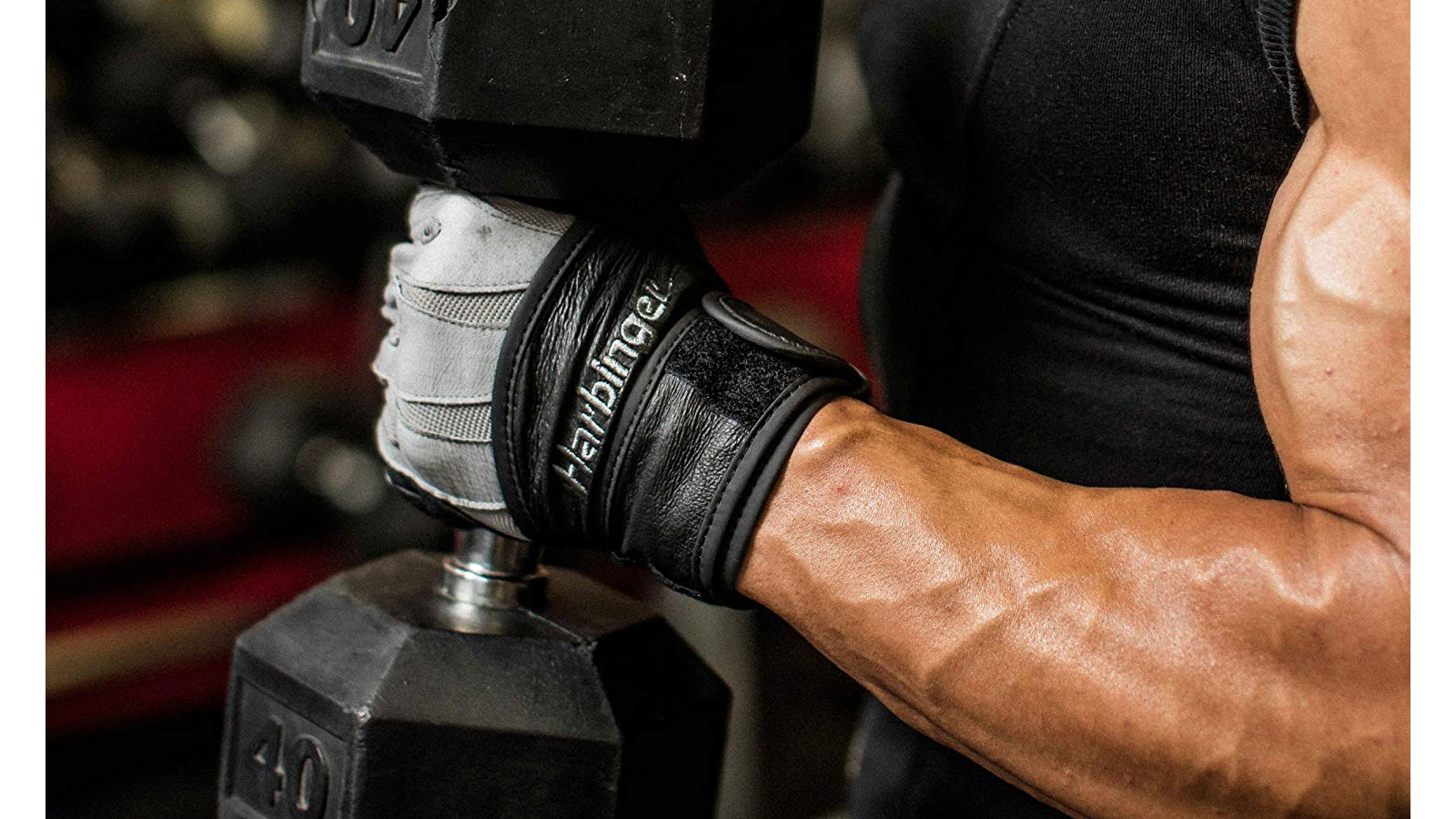
Many gym gloves come with built-in wrist support. When lifting heavy, your wrists can bend or twist in uncomfortable ways, leading to strain. Gloves with attached wraps stabilize the wrist joint and keep it in a neutral position. This can reduce injury risk, especially for people with weak wrists or those recovering from previous injuries.
Wrist support is valuable during pushing movements like bench presses, overhead presses, and push-ups. Beginners often grip bars incorrectly, putting more pressure on the wrists. Wearing gloves with wraps helps maintain better form.
Providing Extra Comfort
Gym gloves add a layer of cushioning. Bars and dumbbells are often made of knurled steel, which can dig into your palms. Over time, this causes discomfort and may limit how much you can lift. Padded gloves absorb some of this pressure, making workouts more comfortable.
People with sensitive skin or certain medical conditions (like eczema) may find gloves especially helpful. Some gloves use gel or foam padding for extra softness.
Hygiene And Cleanliness
Gym equipment is touched by many people, and not every gym-goer wipes down machines or bars. Wearing gloves creates a barrier between your skin and shared surfaces, reducing the risk of picking up germs. This is important in busy gyms, especially during cold and flu seasons.
For those who care about cleanliness or have sensitive skin, gloves can help prevent contact with bacteria, sweat, and even harsh cleaning chemicals used on equipment.
Boosting Confidence And Focus
Wearing gym gloves can give a psychological boost. Some people feel more secure and ready to lift when wearing their favorite pair. This small routine can become part of their warm-up, helping them shift into workout mode.
Confidence matters in the gym. If gloves make you feel stronger or more protected, you’re likely to focus better and push harder during your workout.
Different Types Of Gym Gloves
Not all gym gloves are the same. They vary in design, coverage, and features. Here are the main types you’ll see in fitness centers:
- Full-Palm Gloves: Cover the entire palm and fingers, offering maximum protection and padding.
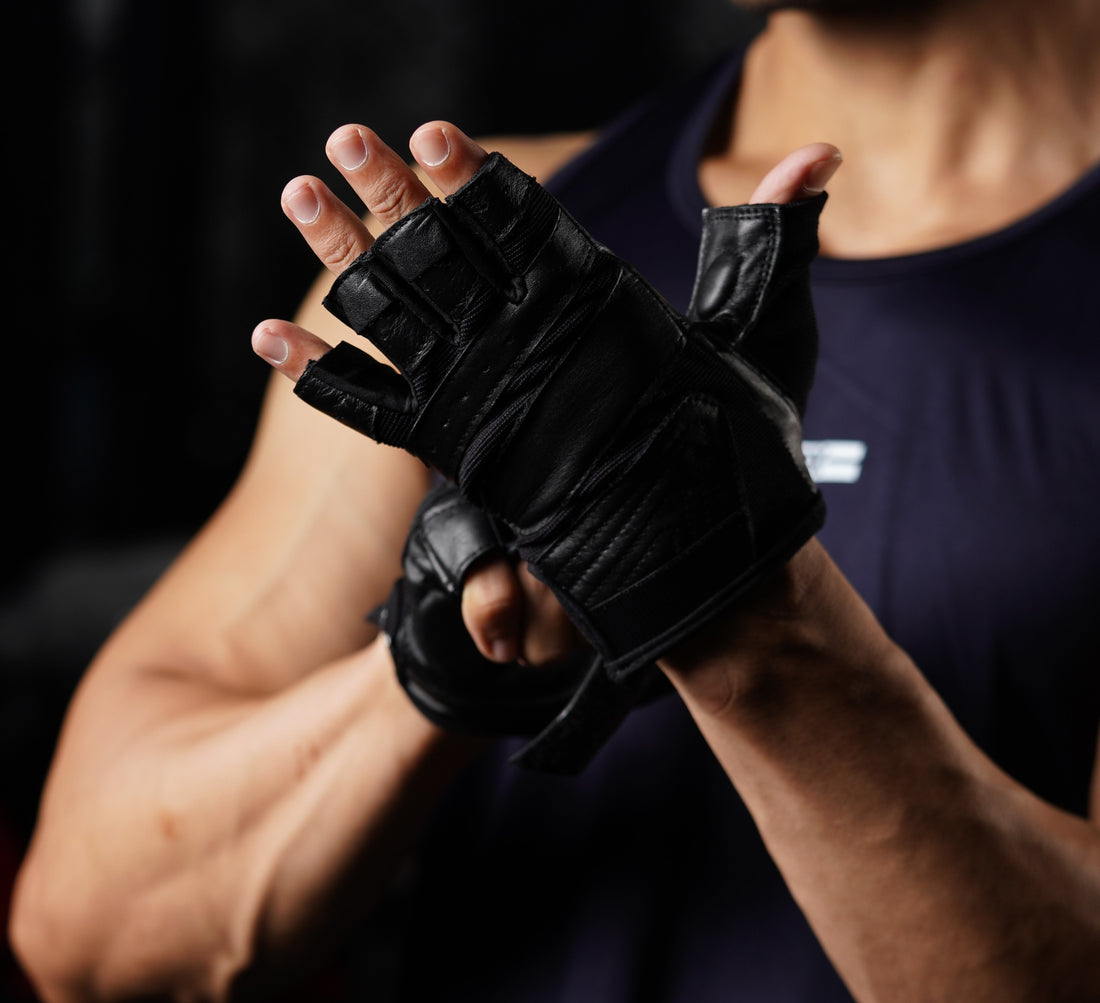
- Fingerless Gloves: End at the first or second knuckle, giving more finger flexibility and better ventilation.
- Grip Pads: Small pads that cover only the palm, good for minimalists who want protection but not full gloves.
- Wrist Wrap Gloves: Include built-in wrist support for heavy lifts.
- Specialty Gloves: Designed for activities like cycling, cross-training, or specific sports.
Each type has advantages. For example, full-palm gloves are best for heavy lifters, while grip pads are great for quick workouts or people who dislike full gloves.
Credit: www.wyoxsports.com
Common Exercises Where Gym Gloves Help
Certain exercises are more uncomfortable without gloves, especially as weights get heavier. Gloves can make a big difference in:
- Deadlifts: Reduce palm pain and help with grip.
- Pull-Ups/Chin-Ups: Prevent blisters from the bar.
- Bench Press: Support wrists and cushion the bar.
- Rows: Improve grip, especially when hands get sweaty.
- Kettlebell Swings: Protect against friction burns.
However, some lifters avoid gloves for Olympic lifts or competitions, because they want to train their grip directly. For most gym-goers, though, gloves make these exercises safer and more enjoyable.
Who Needs Gym Gloves Most?
Not everyone needs gym gloves, but some groups benefit more than others:
- Beginners: New lifters often have softer hands and weaker grip. Gloves protect skin and help build confidence.
- People with Sensitive Skin: Anyone prone to blisters, eczema, or hand pain may find gloves essential.
- People Training with High Volume: If you lift often or do many sets, gloves reduce wear and tear on hands.
- Those with Wrist Issues: Gloves with wraps can reduce wrist pain and strain.
- Hygiene-Conscious Lifters: People who worry about germs or share equipment with many others.
More advanced lifters sometimes skip gloves to toughen their hands and strengthen grip, but even they may use gloves during long training cycles.
Pros And Cons Of Wearing Gym Gloves
To make an informed decision, it helps to compare the benefits and drawbacks side by side.
| Pros | Cons |
|---|---|
| Protect hands from calluses & blisters | May reduce direct grip strength over time |
| Improve grip on sweaty bars | Can feel bulky or hot |
| Support wrists during heavy lifts | Gloves require cleaning or replacement |
| Increase comfort on hard bars | May slip if not sized correctly |
| Protect against germs | Not allowed in some competitions |
Most beginners focus on the pros, but as you gain experience, the cons become more important—especially if your goal is to develop maximum grip strength.
Common Myths About Gym Gloves
There’s a lot of debate around gym gloves. Let’s clear up some common misunderstandings:
Myth 1: Gloves Are Only For Beginners
This is not true. Many advanced lifters use gloves, especially for high-rep workouts or when training with injuries. Gloves are a tool—like any piece of equipment, their value depends on your needs.
Myth 2: Gloves Make You Weak
Some people believe that gloves reduce grip strength development. While it’s true that gloves add a layer between your hand and the bar, they don’t “make you weak. ” If grip strength is your top goal, you can train without gloves sometimes.
But for comfort and safety, gloves are still useful for many people.
Myth 3: All Gloves Are The Same
There are big differences in glove design, materials, and fit. Cheap gloves wear out quickly or don’t fit well. Investing in a well-made pair can change your experience.
Myth 4: Gloves Prevent All Hand Injuries
Gloves reduce, but do not eliminate, the risk of blisters, calluses, or strains. Poor lifting form or using too much weight can still cause injuries even with gloves.

Credit: www.menshealth.com
How To Choose The Right Gym Gloves
With so many options, choosing the right gym gloves can feel overwhelming. Here’s how to make a smart decision:
1. Consider Your Main Activities
If you mostly lift weights, look for gloves with good palm padding and wrist support. For cross-training or functional fitness, lighter gloves or grip pads might work better.
2. Get The Right Fit
A glove should fit snugly but not cut off circulation. Too loose, and it will slip. Too tight, and it becomes uncomfortable. Try gloves on if possible, or check sizing charts for online buys.
3. Material Matters
Leather gloves are durable and offer good grip, but can be hot. Synthetic materials breathe better and dry faster. Some gloves use mesh backs for ventilation.
4. Check For Wrist Support
If you have wrist pain or lift heavy, choose gloves with wrist wraps. These wrap around your wrist and add stability.
5. Look At Padding And Grip
Thick padding adds comfort but may reduce “feel” on the bar. Thin gloves or grip pads keep you closer to the equipment but offer less protection. Find the balance that suits your needs.
6. Easy On And Off
Some gloves have quick-release tabs or Velcro closures. These make it easier to take gloves off after a sweaty workout.
7. Maintenance
Gym gloves get sweaty and dirty. Choose gloves that are easy to wash. Some are machine washable; others need hand cleaning.
Real-world Examples: When Gloves Make A Difference
Imagine you’re training for your first pull-up. After a few tries, your palms hurt, and you notice red spots. Wearing gloves can help you practice longer without pain, making progress faster.
Or consider someone recovering from a wrist injury. Lifting with bare hands might cause pain or risk re-injury. Gloves with wrist wraps provide the extra support needed to continue training safely.
Another example: a nurse who lifts weights to stay fit but needs soft hands for work. Gloves protect her palms, so she doesn’t worry about calluses affecting her job.
Credit: www.t3.com
How Gym Gloves Compare To Other Hand Protection
Some people use alternatives to gym gloves, like chalk, lifting straps, or athletic tape. Here’s a quick comparison:
| Hand Protection | Main Benefit | Main Drawback |
|---|---|---|
| Gym Gloves | All-around protection, grip, comfort | May limit direct grip sensation |
| Chalk | Improves grip, absorbs sweat | Messy, some gyms ban it |
| Lifting Straps | Helps with very heavy lifts | Does not protect palms |
| Athletic Tape | Custom coverage, prevents blisters | Time-consuming to apply |
Each option has its place. Some lifters use gloves for most workouts and switch to chalk or straps for max lifts.
Common Mistakes When Using Gym Gloves
People sometimes use gym gloves incorrectly. Here are common mistakes:
- Wearing the wrong size: Loose gloves slip; tight gloves cut off blood flow.
- Not cleaning gloves: Dirty gloves smell and can cause skin irritation.
- Ignoring wrist support: Using gloves without needed wrist wraps for heavy lifts.
- Over-relying on gloves: Never training grip strength without gloves.
- Choosing the wrong material: Leather in hot gyms can cause sweating; synthetic gloves may wear out faster.
To get the best results, match your gloves to your needs and use them alongside good lifting technique.
How To Care For Your Gym Gloves
Proper care extends the life of your gloves and keeps them hygienic.
- Air Dry After Each Workout: Don’t leave sweaty gloves in your gym bag. Hang them up to dry.
- Wash Regularly: Follow the manufacturer’s instructions. Most synthetic gloves are machine washable. Leather gloves usually need hand washing.
- Avoid Direct Sunlight: This can crack or fade materials.
- Check for Wear and Tear: Replace gloves if padding breaks down or if they develop holes.
- Use Glove Deodorizers: These absorb moisture and control odor.
Taking care of your gloves means they’ll protect you longer and smell better.
Insights Most Beginners Miss
Most people focus on comfort and callus prevention. But there are a few non-obvious benefits and drawbacks:
- Gloves can hide early signs of bad form. If you always wear gloves, you might not notice if your grip is wrong or if the bar is digging into your palm in a risky way. Sometimes, a little discomfort is a useful warning.
- Gloves may help with grip endurance, but not maximum grip strength. If you plan to compete or do grip-dependent sports, mix in some bare-handed training.
- The confidence effect is real. For many, having a “ritual” of putting on gloves signals the body and mind to prepare for work, just like lacing up running shoes.
Should You Wear Gym Gloves? A Balanced Perspective
There’s no universal answer. The choice depends on your goals, skin type, training style, and personal comfort. Here’s a quick guide:
- Wear gloves if you get frequent blisters, want to avoid calluses, need wrist support, or care about gym hygiene.
- Skip gloves if you want to maximize grip strength, are preparing for a lifting competition, or prefer direct contact with the bar.
You can also use gloves for some exercises but not others. For example, wear gloves for high-rep pull-ups, but go bare-handed for heavy deadlifts to train grip.
Frequently Asked Questions
What Are The Main Benefits Of Gym Gloves?
Gym gloves offer hand protection, improve grip, add comfort, and support wrists. They also help with hygiene by creating a barrier between your skin and gym equipment. Many people find they can train longer and with more confidence when wearing gloves.
Do Gym Gloves Weaken Your Grip Strength?
Wearing gloves can reduce the amount of direct work your grip muscles do during exercises. If you always use gloves, your grip may not develop as quickly. However, you can balance glove use with some bare-handed training to keep your grip strong.
Are Gym Gloves Necessary For Everyone?
Not everyone needs gym gloves. They are most useful for beginners, people with sensitive skin, or those who want extra wrist support or protection from germs. Advanced lifters sometimes skip gloves to toughen their hands and train grip directly.
How Do I Clean Gym Gloves?
Most synthetic gym gloves are machine washable. Leather gloves should usually be hand washed with mild soap and air-dried. Always check the care label. Let gloves dry completely before storing to prevent odor or bacteria growth.
Can I Use Chalk And Gym Gloves Together?
It’s possible but not common. Chalk absorbs moisture and improves grip, while gloves add a physical barrier. Using both can feel bulky, but some people with very sweaty hands use a light dusting of chalk inside their gloves for extra grip.
For more information on sports equipment and hand protection, you can visit Wikipedia's weight training page.
Gym gloves are a simple tool with real benefits. If you value comfort, protection, and confidence, they’re worth trying. Choose the right pair, use them correctly, and you’ll likely enjoy your workouts more. Remember, the best training gear is the one that helps you reach your goals safely and consistently.
