

Why Do People Wear Gym Gloves: Top Benefits for Your Workout
Why Do People Wear Gym Gloves
Stepping into a gym, it’s hard not to notice that many lifters, athletes, and even beginners choose to wear gym gloves. Some see them as a style statement, while others consider them a basic tool, much like a water bottle or towel. But is there more to these gloves than meets the eye? Understanding why people wear gym gloves is not just about following trends. It’s about knowing how small choices impact performance, comfort, and safety.
If you’ve ever wondered about their true benefits, or if you should use them yourself, this article covers everything you need to know. We’ll look at the main reasons people wear gym gloves, the science behind their use, how they compare to bare hands, and some practical tips that even experienced gym-goers sometimes miss. Whether you’re new to fitness or a seasoned athlete, this guide will help you make an informed decision about gym gloves.
Main Reasons People Wear Gym Gloves
There’s more than one reason people choose to wear gloves in the gym. Let’s break down the main benefits and motivations.
1. Better Grip
Many people find that sweaty hands make it hard to hold onto weights, bars, or machines. Gym gloves use special materials—like rubber or textured leather—to create a non-slip surface. This extra grip helps prevent weights from slipping, which is especially important during exercises like deadlifts, pull-ups, or bench presses.
A better grip means you can focus on your form instead of worrying about dropping equipment. It also reduces the chance of accidents, especially when lifting heavy.
2. Protection From Calluses And Blisters
Repetitive friction between your hands and workout equipment can quickly lead to calluses and blisters. These skin problems are not just uncomfortable—they can become painful, tear open, and even limit your ability to train.
Wearing gym gloves acts as a barrier. The glove material absorbs much of the rubbing, so your skin stays smoother and healthier. For people who want to avoid rough hands or who work in professions where soft hands matter, this is a big plus.
3. Improved Hygiene
Gym equipment is touched by many people throughout the day. Sweat, bacteria, and sometimes even fungus can live on surfaces like dumbbells and bars. Gym gloves create a protective layer between your skin and the equipment, reducing the risk of picking up skin infections.
For people with sensitive skin or those who are extra cautious about cleanliness, gym gloves offer peace of mind. Washing gloves is often easier than constantly washing your hands or worrying about germs.
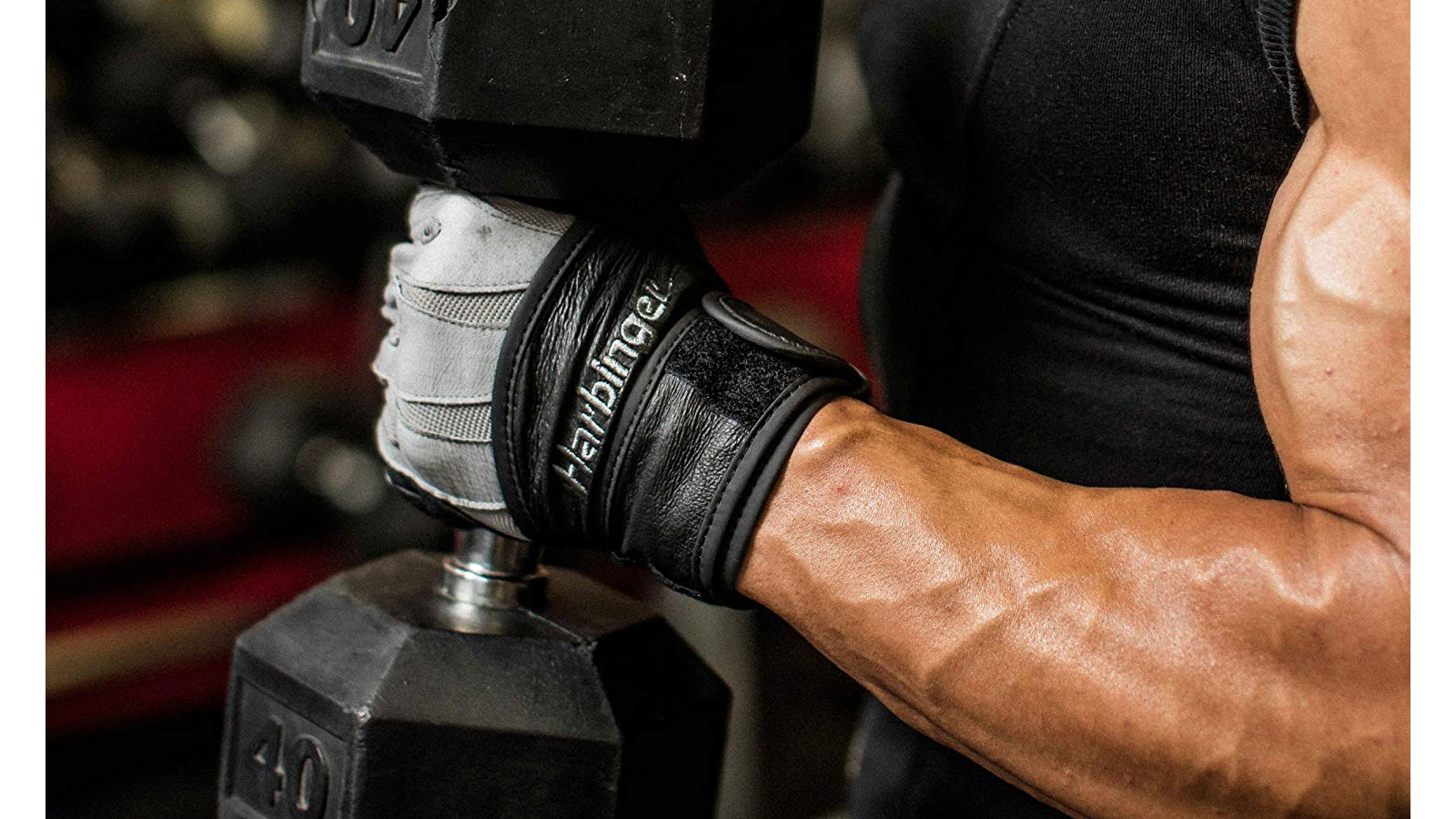
4. Wrist Support
Some gym gloves come with built-in wrist wraps. These wraps provide extra support to your wrists during heavy lifts, such as bench presses or overhead presses. By keeping the wrist stable, gloves can help prevent overextension, sprains, or strain injuries.
People recovering from wrist injuries or those with naturally weak wrists often find this feature essential. Even for healthy lifters, added support can improve confidence during challenging sets.
5. Reduced Hand Fatigue
Lifting weights without gloves can sometimes make your hands feel sore or tired. Gloves add a thin layer of cushioning, which absorbs pressure from the equipment. This means your hands tire less quickly, and you can focus your energy on the target muscles.
Especially during longer workouts or high-repetition exercises, reducing hand fatigue can help you maintain better technique and train more effectively.
6. Confidence And Mental Focus
For many, gym gloves are more than just physical protection—they offer psychological benefits. Knowing your hands are protected can boost your confidence, allowing you to push harder and try new exercises.
Wearing gloves can also signal a mental shift: you’re ready to work out seriously. This sense of routine or ritual helps some people get “in the zone” more quickly, leading to better workouts.
7. Style And Personal Expression
Some people simply like how gym gloves look. They come in many colors, materials, and designs, allowing you to express your personality or match your workout gear. While style may not affect performance, feeling good about your appearance can indirectly boost motivation.
8. Preventing Slips During Cardio
Gym gloves aren’t just for lifting weights. Many use them during cardio workouts—like rowing or cycling—where hands can get sweaty and slip off handles. Gloves keep your grip secure, which is important for both safety and performance.
9. Support For Medical Conditions
People with certain medical conditions, such as eczema or arthritis, may use gym gloves to avoid skin irritation or to keep joints warm and less stiff. For them, gloves are not just a convenience—they’re a necessity for pain-free exercise.
10. Enhanced Training Longevity
Regular use of gym gloves can help extend your training “career. ” By minimizing injuries, skin issues, and hand fatigue, gloves allow you to train more consistently over time. Consistency is key for real results in fitness.
The Science Behind Gym Gloves
Understanding the science of grip and hand protection helps explain why gloves are popular. When lifting, your skin and muscles work together to control weight. If your grip slips before your muscles tire, you can’t get the best results.
Studies show that grip strength is often the limiting factor in exercises like pull-ups or deadlifts—not back or arm strength. By improving grip, gloves allow you to train the target muscles longer and more intensely.
Also, the skin on your hands is thin and sensitive. Repeated friction causes small injuries, which over time become calluses or blisters. Wearing gloves absorbs much of this friction, reducing damage.
For hygiene, studies have found that shared gym equipment can carry bacteria like staphylococcus aureus, which can cause skin infections. Using gloves lowers your risk, especially if you clean them regularly.
Comparing Gym Gloves To Bare Hands
Some people argue that bare hands are better for developing “real” grip strength and feeling the weights directly. Others say gloves are essential for protection and performance. The best choice depends on your goals.
Here’s a comparison of gym gloves and bare hands in different situations:
| Situation | Gym Gloves | Bare Hands |
|---|---|---|
| Heavy Lifting | Better grip, wrist support | More natural feel, stronger grip development |
| High Repetition | Less hand fatigue, protects skin | Higher risk of blisters, more fatigue |
| Hygiene Concerns | Protects from germs | Direct contact, higher risk |
| Outdoor Training | Protects from weather and rough surfaces | Exposed to elements |
Different Types Of Gym Gloves
Not all gym gloves are the same. Choosing the right pair depends on your needs and training style.
Full-finger Gloves
These gloves cover the entire hand, including fingers. They offer maximum protection from friction, weather, and germs. However, they may feel less “natural” and reduce your sense of touch.
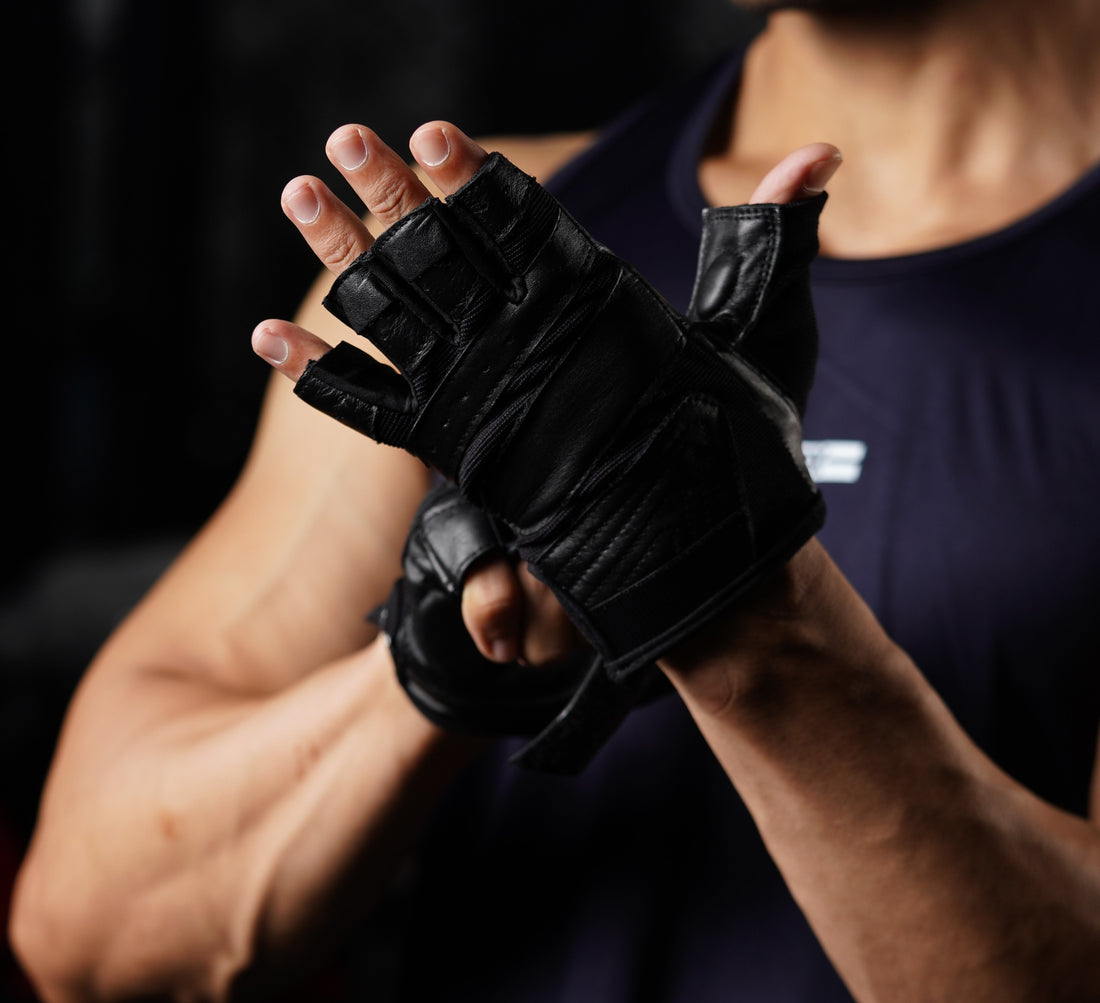
Half-finger Gloves
Most common in gyms, these gloves leave the fingers exposed but cover the palm and lower fingers. They balance protection with flexibility and are good for most weightlifting exercises.
Padded Gloves
Designed with extra padding in the palm, these gloves absorb more shock and are ideal for heavy lifters. They can be bulkier, which may reduce grip sensitivity.
Wrist-wrap Gloves
These include a built-in wrap that supports the wrist. They are popular among people doing heavy pressing or those with weak wrists.
Minimalist/grip Pads
Some people prefer thin pads or “grip enhancers” that cover only the palm. These are light, easy to carry, and offer basic protection without the bulk of full gloves.
Specialized Gloves
There are gloves designed for specific sports, like cycling, rowing, or CrossFit. These may include extra features like gel padding, ventilation, or sweat-wicking material.
| Type | Best For | Main Benefit |
|---|---|---|
| Full-Finger Gloves | Outdoor, winter training | Maximum protection |
| Half-Finger Gloves | General gym use | Flexibility, grip |
| Padded Gloves | Heavy lifters | Shock absorption |
| Wrist-Wrap Gloves | Pressing movements | Wrist support |
| Minimalist Pads | Quick workouts | Lightweight, portable |
Credit: www.t3.com
Common Mistakes When Using Gym Gloves
Wearing gym gloves seems simple, but many people make mistakes that reduce their benefits. Here’s what to avoid:
1. Wearing The Wrong Size
Gloves that are too tight cut off circulation; too loose and they slip, causing blisters. Try different sizes and brands until you find a snug, comfortable fit.
2. Not Cleaning Gloves Regularly
Sweat can build up inside gloves, causing odors and even skin irritation. Wash your gloves often, following the manufacturer’s instructions. Let them dry completely before using them again.
3. Using The Wrong Type For Your Workout
Heavy padded gloves for cardio can feel clumsy, while thin pads for heavy lifting may not protect enough. Match your glove type to your exercise needs.
4. Ignoring Wear And Tear
Gloves lose their grip and support over time. Replace them when you notice worn-out palms, loose stitching, or lost elasticity.
5. Relying Too Much On Gloves
Gloves are helpful, but don’t let them be a crutch. Practice good form, train your grip occasionally with bare hands, and listen to your body.
How To Choose The Right Gym Gloves
Selecting the right gym gloves means considering your workout style, hand size, and personal preferences. Here’s what to look for:
Material
Leather, neoprene, and synthetic fabrics are common. Leather is durable but less breathable. Neoprene is flexible and sweat-resistant. Synthetic gloves often combine the best features but may wear out faster.
Fit
Try gloves on if possible. Look for a snug fit that doesn’t pinch or squeeze. Fingers should move freely, and the palm area should cover pressure points.
Padding
Some people prefer minimal padding for a “bare hand” feel, while others want extra cushioning. If you do a lot of pressing exercises, more padding can help.
Wrist Support
If you have weak wrists or do a lot of heavy pressing, choose gloves with wrist wraps. Otherwise, basic gloves should be enough.
Ventilation
Sweaty hands are uncomfortable. Look for gloves with breathable material or mesh panels to keep your hands cool and dry.
Price And Durability
Better materials and construction cost more but last longer. Cheap gloves may save money at first but wear out quickly.
Non-obvious Insights And Advanced Tips
Even experienced gym-goers can overlook these details about gym gloves:
1. Breaking In Your Gloves
New gloves can feel stiff and uncomfortable. Wear them during light workouts first to “break them in. ” This helps the material mold to your hand shape, giving a better fit and grip.
2. Alternate Gloves And Bare-hand Days
Relying only on gloves can weaken your natural grip strength. Try using gloves for heavy or high-rep days and training bare-handed for lighter days. This keeps your grip strong while still protecting your skin.
3. Watch For Skin Reactions
Some materials can cause allergic reactions or irritation. If you notice redness or itching, switch to gloves made from hypoallergenic or natural materials.
4. Don’t Ignore Washing Instructions
Gloves last longer and stay fresher if you follow the washing instructions. Some gloves can be machine washed, but others need hand washing. Always air-dry; heat can damage the material.
5. Rotate Between Two Pairs
If you train often, buy two pairs and rotate their use. This gives each pair time to dry completely, reducing odor and bacteria growth.
Who Benefits Most From Gym Gloves?
While anyone can use gym gloves, some people benefit more than others:
- Beginners who are not used to gym equipment and want to avoid hand pain or blisters.
- Heavy lifters who need extra grip and wrist support.
- People with sensitive skin or medical conditions.
- Outdoor athletes training in rough or cold conditions.
- Those who value hygiene and want to avoid germs.
But gym gloves are not a must for everyone. If you like the feeling of direct contact with weights, have tough skin, or train for grip sports (like rock climbing), gloves may not be necessary.
Alternatives To Gym Gloves
Gloves are not the only way to protect your hands or improve grip. Here are some alternatives:
Lifting Straps
Straps wrap around your wrist and the bar, taking most of the load off your hands. They’re great for heavy deadlifts but limit grip development.
Liquid Chalk
Chalk dries sweat and improves grip. It’s messy but very effective, especially for powerlifting or climbing.
Grip Pads
Small pads that cover just the palm. Lightweight and easy to carry, but less protective than gloves.
Athletic Tape
Tape can be wrapped around fingers or palms to protect small areas. It’s customizable but takes time to apply and remove.
| Alternative | Best Use | Main Drawback |
|---|---|---|
| Lifting Straps | Heavy pulling exercises | Reduces grip strength gains |
| Liquid Chalk | Climbing, powerlifting | Messy, not allowed in all gyms |
| Grip Pads | Quick workouts | Less protection, can slip |
| Athletic Tape | Spot protection | Time-consuming to apply |
Real-world Examples And Data
The popularity of gym gloves is not just a fashion trend. Surveys show that nearly 40-50% of regular gym-goers use some type of hand protection, especially those who lift weights three times a week or more.
In another study, people who used gloves or grip aids reported less hand pain and fewer calluses compared to those who trained bare-handed. The same research found that people who used gloves were less likely to skip workouts due to hand injuries or discomfort.
Personal trainers often recommend gloves to beginners, especially those prone to blisters. In sports like CrossFit, gloves are common during high-rep workouts to prevent torn skin.
Myths And Misunderstandings About Gym Gloves
There are many myths about gym gloves that can confuse people:
- Myth: Gloves make your grip weak.
Truth: Gloves can reduce natural grip training if overused, but combining glove and bare-hand workouts keeps your grip strong.
- Myth: Only beginners need gloves.
Truth: Even advanced athletes use gloves for heavy lifts or long workouts.
- Myth: Gloves are only for weightlifting.
Truth: Gloves help in rowing, cycling, and even some yoga exercises where grip is important.
- Myth: Gloves prevent all hand injuries.
Truth: Gloves reduce, but do not eliminate, the risk of blisters, calluses, or strains. Good technique is still essential.
When Not To Wear Gym Gloves
There are times when gloves may be less helpful:
- Grip-focused sports: Rock climbing or certain martial arts require a natural grip.
- Competition rules: Some weightlifting competitions ban gloves.
- Short, low-intensity workouts: For light weights, gloves may not be necessary.
- When gloves are worn out: Old, slippery gloves can be more dangerous than bare hands.
Listen to your body and training needs when deciding whether to use gloves.
How To Care For Your Gym Gloves
Proper care extends the life of your gloves and keeps them hygienic:
- Wash regularly: At least once a week if you train often.
- Dry completely: Air-dry in a well-ventilated area; avoid direct sunlight or dryers.
- Check for damage: Replace gloves when padding wears thin or stitching comes apart.
- Store properly: Keep gloves in your gym bag, but out of sealed plastic bags where moisture can build up.
Frequently Asked Questions

Credit: www.menshealth.com
What Are The Main Benefits Of Wearing Gym Gloves?
Wearing gym gloves improves grip, protects your hands from blisters and calluses, offers extra wrist support, and keeps your hands cleaner. They also help reduce hand fatigue and boost confidence during heavy or long workouts.
Are Gym Gloves Necessary For Everyone?
No, gym gloves are not necessary for everyone. People with tough skin, those who train for grip sports, or those who prefer direct contact with equipment may not need them. Gloves are most helpful for beginners, heavy lifters, or anyone prone to hand discomfort.
How Do I Clean And Maintain My Gym Gloves?
Most gym gloves can be hand washed with mild soap and water. Some can go in the washing machine, but always check the label. Air-dry them fully before use to avoid odor and bacteria growth. Rotate between two pairs if you train often.
What Should I Look For When Choosing Gym Gloves?
Look for a comfortable fit, the right amount of padding, good ventilation, and wrist support if needed. Choose materials that suit your training style—leather for durability, neoprene for sweat resistance, or synthetic for flexibility.
Credit: www.wyoxsports.com
Can Gym Gloves Prevent All Hand Injuries?
No, gym gloves reduce the risk of blisters, calluses, and some strains, but they do not eliminate all injuries. It’s important to use good technique and listen to your body. Replace worn-out gloves to keep your hands protected.
Wearing gym gloves is a personal choice that depends on your goals, training style, and preferences. By understanding the real benefits and how to use them properly, you can get the most from your workouts—whether you wear gloves every day or only for special exercises.
For more on gym hygiene and hand protection, you can visit Wikipedia: Weight Training.
