

Why Do People Wear Gym Gloves? Benefits You Need to Know
Why Do People Wear Gym Gloves
Stepping into a gym, you might notice some people gripping dumbbells or pulling on cables with their hands wrapped in gloves. Others work out barehanded. The choice to wear gym gloves is personal, but it’s not just about style or preference.
There are many practical reasons why people put on gym gloves before they start lifting weights or using exercise machines. If you’ve ever wondered what’s behind this common habit, you’re not alone. Many beginners are curious if gloves are necessary, helpful, or just a trend.
This article takes you deep into the world of gym gloves—explaining the real benefits, potential drawbacks, and important details that many people miss. Whether you are new to fitness or have been training for years, understanding why people wear gym gloves can help you decide if they’re right for you.
The Main Reasons People Wear Gym Gloves
Most people don’t start wearing gym gloves just to look cool. There are several clear, practical reasons. Knowing these can help you understand if gloves will improve your workout experience.
1. Grip Enhancement
One of the biggest reasons people wear gym gloves is for better grip. When you lift heavy weights, your hands can get sweaty. Sweat makes metal bars slippery, which can be dangerous. Gloves add a layer of material between your skin and the equipment. This extra layer helps you hold onto weights more securely.
Some gloves have special textured palms made of rubber or silicone. These textures increase friction, so weights are less likely to slip. For exercises like deadlifts or pull-ups, a strong grip is essential. If your grip fails before your muscles do, you won’t get the most out of your workout.
2. Hand Protection
Gym equipment is rough. Repeatedly gripping dumbbells, barbells, and pull-up bars can cause calluses—hard, thickened skin on your palms and fingers. While some weightlifters see calluses as a badge of honor, many people find them uncomfortable or unattractive.
Gloves create a soft barrier. This barrier can help prevent blisters, cuts, and skin irritation. For people who have to shake hands often at work, or who simply don’t like rough skin, gloves are a simple solution.
3. Injury Prevention
Your hands and wrists are made of small, sensitive bones and tissues. Lifting heavy weights puts pressure on these areas. Some gym gloves have built-in wrist support—a band that wraps around your wrist and helps keep it stable.
When you do exercises like bench presses or overhead lifts, your wrists are under extra strain. Wrist support in gloves can help reduce the risk of strains, sprains, or even more serious injuries. Even gloves without wrist support offer some protection by spreading pressure more evenly across your hand.
4. Hygiene And Cleanliness
Gym equipment is used by many people every day. Sweat, skin cells, and bacteria build up on surfaces. Even with regular cleaning, gyms can be a place where germs spread easily.
Wearing gym gloves adds a protective barrier between your skin and shared equipment. This is especially important if you have cuts or open skin on your hands, as it helps lower the risk of infections. For people who are sensitive to germs or have skin conditions, gloves offer peace of mind.
5. Comfort And Confidence
Some people simply feel more comfortable with gloves. If you’re new to lifting, bare metal bars can feel harsh or awkward. Gloves can make weights feel less intimidating. They also cushion your hands, making longer workouts more comfortable.
Wearing gloves can also boost your confidence. When you feel secure holding weights, you’re less likely to drop them or stop early because your hands hurt. This mental comfort can help you focus on your workout and push a little harder.
Types Of Gym Gloves
Not all gym gloves are the same. There are different styles, each with unique benefits. The right type depends on your needs, workout style, and preferences.
Full-finger Gloves
These gloves cover your entire hand, including your fingers. They offer the most protection against blisters, cuts, and germs. Full-finger gloves are popular with people who do outdoor workouts or who want maximum coverage.
Half-finger Gloves
The most common type in gyms. These cover your palm and half of each finger, leaving your fingertips exposed. Half-finger gloves offer a balance between protection and flexibility. They give you a good grip while still allowing you to feel the equipment.
Gloves With Wrist Support
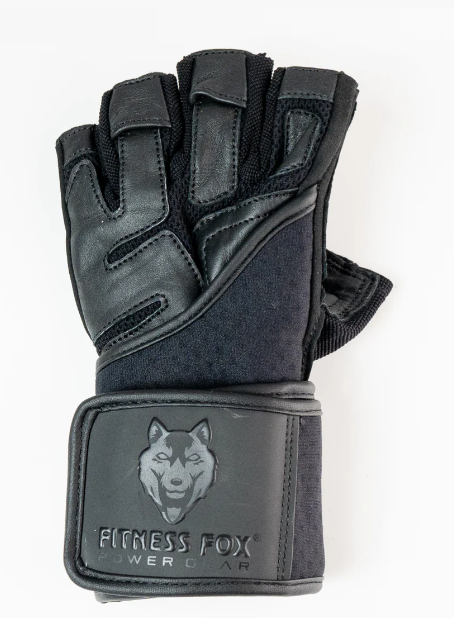
Some gloves have a built-in strap that wraps around your wrist. This provides extra stability during heavy lifts. These are popular with serious weightlifters and people who have had wrist injuries.
Grip Pads
Grip pads are small pads that cover only the palm. They are lightweight and easy to put on and take off. Grip pads are a good choice for people who want minimal coverage but still want some protection from calluses and slipping.
Specialized Gloves
Some gloves are made for specific activities, like cycling, rowing, or CrossFit. These may have extra padding, ventilation, or special grip patterns. If you do a specific sport, you might find these specialized gloves helpful.
Gym Gloves Vs. Bare Hands
Is it better to wear gloves or go barehanded? This debate is common in fitness circles. Both approaches have pros and cons. The right choice depends on your goals and preferences.
| Aspect | Gym Gloves | Bare Hands |
|---|---|---|
| Grip | Improved, less slipping | More natural, sometimes less secure |
| Hand Protection | Prevents calluses and blisters | Higher risk of skin damage |
| Wrist Support | Available in some gloves | None |
| Hygiene | Barrier from germs | Direct contact with equipment |
| Comfort | Cushioning, less pain | More "feel" of the bar |
| Skill Development | May limit grip strength adaptation | Builds natural grip strength |
Some trainers believe that lifting with bare hands helps you develop natural grip strength. Others argue that gloves let you lift heavier, train longer, and avoid injuries. For most people, the choice is about comfort and safety. You can even switch between both methods depending on your workout.
When Should You Wear Gym Gloves?
Gym gloves are not needed for every exercise. They are most useful during exercises that put a lot of stress on your hands or wrists. Here are some common situations where gloves make a difference:
- Heavy Lifting – Deadlifts, bench presses, and rows put a lot of pressure on your hands and wrists.
- High Repetition Workouts – Doing many reps can quickly cause blisters or calluses.
- Pulling Movements – Pull-ups, chin-ups, or lat pulldowns often cause slipping or skin tears.
- Outdoor Workouts – Bars and equipment outside can be dirty, rusty, or hot/cold.
- If You Have Sensitive Skin – People with eczema or other skin issues may need extra protection.
For lighter exercises, stretching, or cardio, gloves are usually not necessary.
How To Choose The Right Gym Gloves
Picking the right gloves can feel overwhelming. With so many options, how do you know what matters most? Here are the key things to look for:
Material
Gloves are made from different materials, such as leather, synthetic fabrics, and neoprene. Leather is durable and offers a good grip, but can feel stiff. Synthetic materials are lighter and often more breathable but may wear out faster.
Fit And Comfort
A glove should fit snugly, but not be too tight. Loose gloves will slip, while tight gloves can cut off circulation. Try on different sizes and styles. Check for adjustable straps or closures.
Padding
Some gloves have thick padding on the palm, while others are thin. Padding protects your hands from pressure and shock, but too much padding can make it hard to grip small weights. Choose padding based on your main exercises.
Wrist Support
If you lift heavy or have a history of wrist pain, look for gloves with built-in wrist wraps. These provide extra stability and can help prevent injuries.
Breathability
Your hands will sweat during workouts. Gloves with mesh panels or ventilation holes help keep your hands cool and dry. This prevents odors and skin irritation.
Durability
Look at the quality of stitching and materials. Cheap gloves may fall apart quickly, especially if you train often. Spending a little more on quality can save you money in the long run.
| Feature | Why It Matters | Best For |
|---|---|---|
| Leather Material | Strong, durable, good grip | Heavy lifters, frequent gym users |
| Mesh Panels | Increases airflow, reduces sweat | Hot climates, long workouts |
| Wrist Wraps | Extra wrist stability | People with weak wrists, heavy lifting |
| Thick Padding | More protection from calluses | Beginners, high-rep training |
| Silicone Grips | Non-slip, helps with sweaty hands | Pulling exercises, humid gyms |
Common Mistakes When Using Gym Gloves
Wearing gym gloves may seem simple, but there are mistakes that can reduce their benefits or even cause problems.
Using The Wrong Size
Gloves that are too loose will bunch up and reduce your grip. Gloves that are too tight can cause numbness or restrict movement. Always try gloves before buying if possible.
Not Washing Gloves
Gloves absorb sweat and bacteria. If you don’t wash them regularly, they can start to smell and may even cause skin infections. Most gloves can be washed by hand or in a gentle machine cycle. Let them air dry completely.
Ignoring Wrist Support
Some people buy gloves without wrist support, even if they lift heavy. Others use wrist wraps incorrectly, making them too loose or too tight. Make sure your gloves offer the support you need and that you use it properly.
Over-relying On Gloves
Gloves are helpful, but don’t use them as a crutch. For some exercises, like farmer’s walks or grip training, it’s good to train without gloves to build natural grip strength. Mix it up for the best results.
Choosing Cheap, Low-quality Gloves
Low-quality gloves wear out fast, offer poor grip, and may even cause blisters. Investing in a good pair saves money and hassle in the long run.
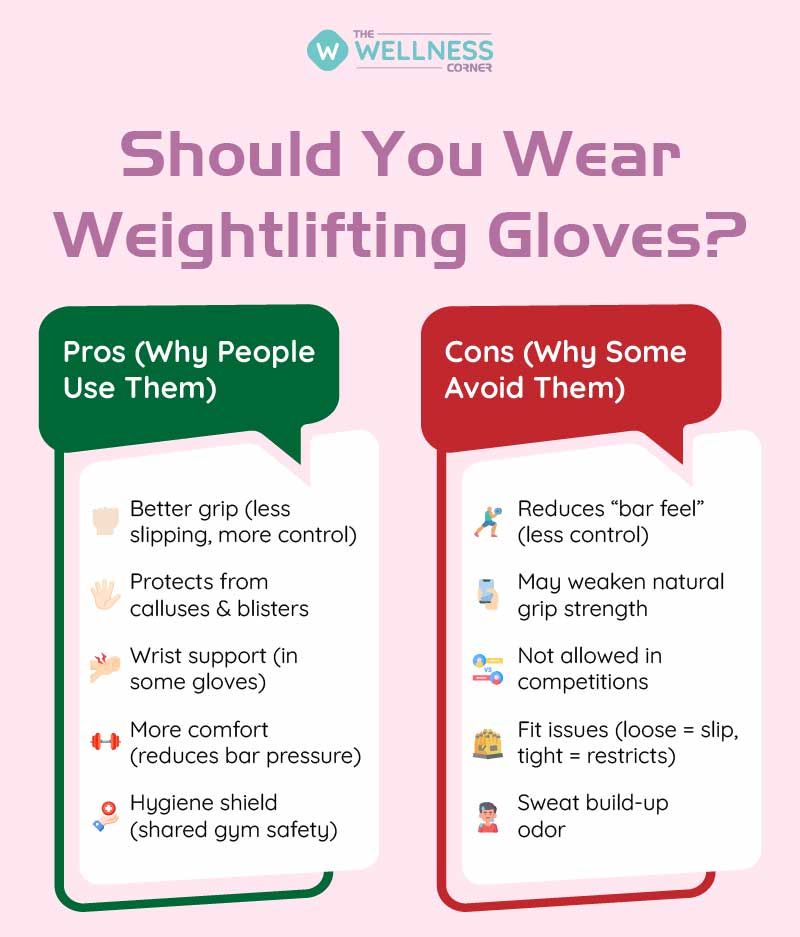
Credit: www.thewellnesscorner.com
The Science Behind Gym Gloves
Research has looked at how gym gloves affect performance and safety. While there is no universal answer, studies show some clear trends.
- Grip strength: Gloves with textured palms can increase grip friction, especially when hands are sweaty. This helps people lift heavier weights safely.
- Skin protection: Regular use of gloves reduces the formation of calluses and blisters. This is especially true for beginners, whose skin is not used to heavy lifting.
- Wrist support: Gloves with integrated wraps help reduce wrist extension during pressing movements, lowering injury risk. This is important for people with weak or recovering wrists.
- Hygiene: Gloves provide a barrier against bacteria and viruses found on shared gym equipment. While not perfect, they lower the risk of skin infections.
However, some studies suggest that gloves may reduce tactile feedback, making it harder to "feel" the bar. This can affect technique, especially in Olympic lifting or powerlifting. Some athletes prefer bare hands for maximum control.
Not-so-obvious Insights Most Beginners Miss
Many beginners buy gloves without thinking about these deeper factors:
- Hand Anatomy Matters: If you have naturally wide or narrow palms, standard glove sizes may not fit well. A poor fit can lead to slipping or chafing. Try different brands or look for adjustable options.
- Gloves Don’t Solve All Grip Problems: If your grip is weak, gloves can help, but they shouldn’t replace grip training. Use grip exercises (like farmer's carries or static hangs) to build lasting strength.
- Padding Placement Affects Performance: Some gloves have thick padding in the wrong areas, which can actually make gripping bars harder. Test gloves with your usual equipment before buying.
- Material Allergies: Some people are allergic to materials like latex or certain dyes. If you notice itching or redness, try a different material.
- Proper Glove Care Extends Lifespan: Letting gloves air out after every session and washing them weekly prevents odor and breakdown of materials.

Credit: www.menshealth.com
Who Should Avoid Gym Gloves?
While gloves offer many benefits, they are not ideal for everyone.
- Competitive Powerlifters and Olympic Lifters: These athletes need maximum tactile feedback for perfect technique. Most competitions also require bare hands.
- People Training Grip Strength: If your main goal is to improve grip, training without gloves may be better.
- Those with Hand Injuries: Some injuries (like nerve pain or severe blisters) may require special medical gloves or a break from gripping entirely.
If you’re unsure, consult a personal trainer or physical therapist.
The Social And Psychological Side Of Wearing Gloves
It’s easy to think of gym gloves as a simple tool, but they also have a social and psychological impact.
Boosting Confidence
For many, wearing gloves reduces anxiety about hand pain or dropping weights. This small confidence boost can help you try new exercises or use heavier weights.
Overcoming Self-consciousness
Some people feel embarrassed by calluses or blisters, especially if they have jobs that require soft hands (like musicians or healthcare workers). Gloves allow these people to train hard without worrying about their appearance.
Social Signals
Wearing gloves can signal to others that you take your workouts seriously. In some gym cultures, gloves are a sign of dedication. In others, they might be seen as unnecessary. Don’t let others’ opinions decide for you—choose what makes you comfortable.
Real-world Examples And Stories
Example 1: The Beginner’s Journey
Maria started lifting weights to get stronger and healthier. After her first week, she noticed painful blisters forming on her palms. She almost quit, thinking her hands would always hurt. After a friend suggested gym gloves, Maria found she could train longer and with less pain.
Over time, she built up her grip strength and only used gloves for the toughest workouts.
Example 2: The Outdoor Athlete
Jamal loves outdoor workouts. Pull-up bars in the park are often rusty or dirty. After getting a mild skin infection, Jamal switched to full-finger gloves. He now trains without worrying about germs or rough surfaces.
Example 3: The Serious Lifter
Kevin lifts heavy weights and has weak wrists from an old injury. Gloves with built-in wrist support let him push himself safely. He found that the right gloves made a big difference in his progress.
Caring For Your Gym Gloves
Proper care keeps your gloves effective and long-lasting. Here’s how to keep them in top shape:
- Wash Regularly – Sweat and bacteria build up quickly. Follow manufacturer instructions, but most gloves can be hand-washed with mild soap.
- Air Dry – Never put gym gloves in the dryer. High heat damages materials. Hang them up to air dry after each use.
- Avoid Leaving in Bag – Leaving sweaty gloves in a gym bag causes odors and mold. Take them out as soon as possible.
- Inspect for Damage – Check for holes, loose stitching, or worn-out padding. Replace gloves when they no longer offer protection or grip.
Alternatives To Gym Gloves
Not everyone likes gloves. Here are some alternatives for improving grip and protecting hands:
- Chalk: Absorbs sweat and improves grip for heavy lifts. Used in powerlifting and CrossFit.
- Lifting Straps: Help with heavy pulling exercises but don’t protect palms from calluses.
- Grips or Pads: Small pads that only cover the palm, offering some protection without full gloves.
- Taping: Athletic tape can be wrapped around fingers or palms to protect specific areas.
Each option has pros and cons. Try different methods to see what works best for you.
How Gym Gloves Have Evolved
Gym gloves have changed a lot since their early days. Modern gloves use advanced materials, better designs, and more options for customization. Some brands now offer gloves with touchscreen compatibility, antimicrobial coatings, or eco-friendly materials.
New designs also focus on specific needs, like gloves for women with smaller hands or for people with arthritis. This variety means you can find a glove that fits your lifestyle and workout routine.
For more on gym equipment evolution and innovations, you can read this Wikipedia article about exercise equipment.
Credit: www.fitnessfox.co.nz
Frequently Asked Questions
Are Gym Gloves Necessary For Beginners?
No, gym gloves are not required for beginners, but they can help prevent blisters and make workouts more comfortable. If you find your hands hurting or slipping, gloves can make starting out easier.
How Often Should I Replace My Gym Gloves?
Replace gym gloves when they show signs of wear—holes, loose stitching, or loss of grip. For regular users, this might be every 6–12 months. Quality gloves last longer with proper care.
Do Gym Gloves Reduce Grip Strength?
Gym gloves can slightly reduce tactile feedback, which may affect grip strength development. However, they help prevent early fatigue from slipping, allowing you to train longer. Mix glove and barehanded training for best results.
Can Gym Gloves Prevent All Hand Injuries?
No, gym gloves reduce the risk of blisters and calluses, and some offer wrist support. But they cannot prevent all injuries. Use correct form and appropriate weights for your level.
Are There Downsides To Wearing Gym Gloves?
The main downsides are less tactile feedback and, sometimes, over-reliance on gloves. Some people may also find gloves hot or uncomfortable. Try different options to find what works best for you.
Gym gloves are more than just an accessory—they’re a useful tool for many gym-goers. They protect your hands, improve grip, and add comfort and confidence to your workouts. The right gloves can help you train harder and longer while avoiding common injuries and frustrations.
However, they are not magic. Good training habits, proper care, and listening to your body matter just as much. By understanding the real reasons people wear gym gloves, you can make the best choice for your fitness journey.
