

Why Do People Wear Gym Belts? Benefits, Myths, and Tips
Why Do People Wear Gym Belts
Walking into any gym, you’ll notice lifters wrapping thick belts around their waists before heavy sets. Some people swear by these gym belts, while others never touch them. Why do so many choose to wear gym belts during workouts? Is it just a fashion statement, or is there real science behind the practice?
If you’ve ever wondered whether you should wear a gym belt, or if you want to understand the logic behind this popular accessory, you’re in the right place.
This article explores the reasons lifters wear gym belts, the benefits and risks, the types of belts, how and when to use them, and the common myths around their use. You’ll find practical advice, detailed explanations, and real examples—so you can make informed decisions for your own training.
What Is A Gym Belt?
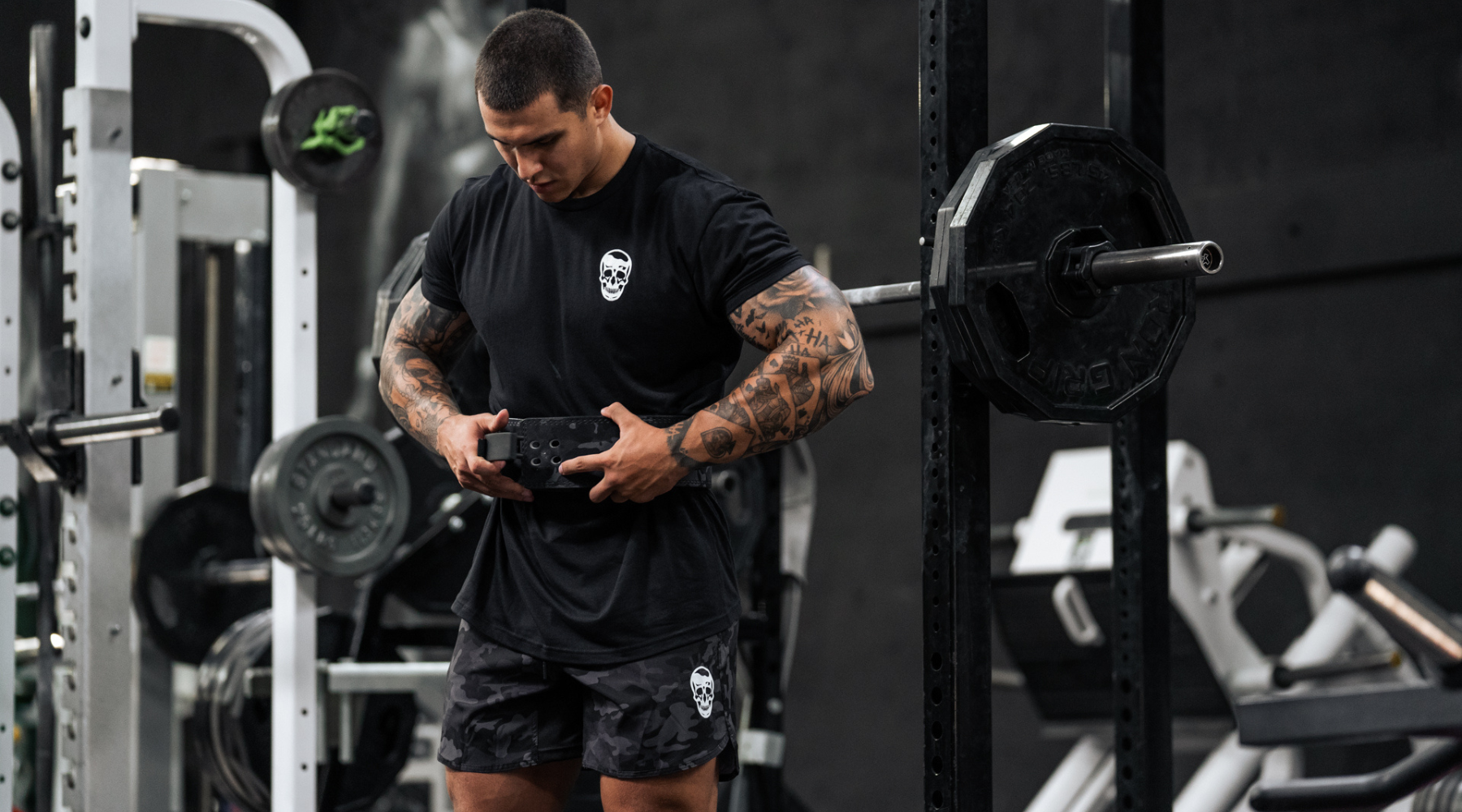
A gym belt is a thick band, usually made of leather or durable fabric, worn around the waist during weightlifting. Its main function is to support the lower back and core. The belt is fastened tightly before performing exercises that put stress on the lower back, especially when lifting heavy weights.
These belts come in various widths and thicknesses. Some have a simple buckle, while others use lever or Velcro closures. While many people call them “weightlifting belts” or “powerlifting belts,” the basic idea is the same: provide support to your midsection during heavy lifts.
The Main Reasons People Wear Gym Belts
People wear gym belts for several key reasons. Some are based on science, others on personal experience, and a few on misconceptions. Let’s look at the real reasons lifters reach for a gym belt.
1. Increase Intra-abdominal Pressure
The biggest reason people use gym belts is to increase intra-abdominal pressure. When you brace your core and push your stomach against the belt, the pressure inside your abdomen rises. This pressure acts like an internal “airbag” that stabilizes your spine.
With more pressure, your lower back is less likely to round or collapse under heavy weight. This is especially important during squats, deadlifts, and overhead presses.
2. Lower Back Support
A gym belt provides external support to the lower back. The extra layer of stiffness acts as a barrier, reminding you to keep your core tight and your back straight. For many lifters, this support reduces the risk of injury—especially for those with a history of back problems.
While the belt doesn’t do all the work for you, it helps keep your spine in a safer position when lifting near your max.
3. Improved Lifting Performance
Many studies and lifters report that wearing a gym belt can improve performance. You may be able to lift more weight, do more reps, or move the bar faster. The belt helps you brace harder, making you feel more powerful and confident.
This performance boost is most noticeable during one-rep max attempts or very heavy sets.
4. Injury Prevention
A common reason people wear gym belts is for injury prevention. By supporting the lower back and increasing core tightness, the belt lowers the risk of strains and other injuries.
However, it’s important to note that a belt is not a magic shield. Good technique and proper programming are still more important for safety.
5. Boosting Confidence
There’s a psychological side to wearing a gym belt. Many lifters feel more confident and less anxious when using one. This mental boost can help you approach heavy lifts with less hesitation, which sometimes translates to better performance.
6. Cue For Good Technique
A gym belt can act as a cue for proper lifting technique. When you push your abs against the belt, you’re reminded to brace your core and keep your back neutral. This habit, over time, can improve your overall lifting form.
7. Support For Heavy And Maximal Lifts
Most lifters reserve gym belts for their heaviest sets. When you’re attempting a personal record or pushing near your limit, the margin for error gets smaller. The belt adds an extra layer of safety and support during these high-risk moments.
8. Aid For Those With Previous Injuries
People with a history of lower back injuries often use gym belts to reduce fear and discomfort. The belt gives them a sense of protection and can sometimes help them return to lifting after recovery.
9. Support During Fatigue
As you get deeper into a tough workout, form can break down due to fatigue. A gym belt provides support when you’re tired, helping you maintain good posture even when your muscles are running out of energy.
10. Habit And Gym Culture
Some lifters wear a gym belt simply because it’s part of their routine or gym culture. They see others using belts, or their coach recommends it. This “everyone does it” mentality is common in strength sports.
Credit: www.gymreapers.com
How A Gym Belt Works: The Science
Understanding how a gym belt works can help you decide when and why to use one. It’s not about making your back invincible—it’s about helping your body stabilize heavy loads.
Intra-abdominal Pressure Explained
When you take a deep breath and brace your core, your abdominal muscles contract. This raises the pressure inside your abdomen, creating a solid base for your spine. The gym belt acts like a wall—when you push your abs against it, pressure increases even more.
The result? Your lower back is better protected against bending or twisting forces.
The Core-bracing Effect
The belt doesn’t hold you upright by itself. Instead, it helps you engage your core muscles harder. Think of the belt as a reminder to brace. Without proper bracing, the belt does little to protect you.
Limiting Spine Movement
By making the midsection more rigid, a gym belt reduces excessive movement in the lower back. This helps keep your posture strong during lifts like squats and deadlifts, where poor form can lead to injury.
When Should You Wear A Gym Belt?
Not every exercise requires a gym belt. In fact, overusing one can do more harm than good. Here’s when a belt is most helpful.
- Heavy Compound Lifts: Exercises like squats, deadlifts, overhead presses, and clean & jerks benefit most from belt use—especially at high intensity.
- Near-Maximum Efforts: When lifting above 80% of your max, or going for a PR, a belt can provide extra support.
- Low-Rep Sets: Sets of 1-5 reps with heavy weight are where belts shine.
- Back-Intensive Movements: Any movement that puts a lot of stress on your lower back, such as bent-over rows or strongman carries, may warrant a belt.
You don’t need a belt for light warm-up sets, isolation exercises (like bicep curls), or cardio.

Credit: www.socalpowerlifting.net
Types Of Gym Belts
There are several main types of gym belts, each with its own pros and cons. Choosing the right one depends on your goals, sport, and comfort.
| Type of Belt | Main Features | Best For |
|---|---|---|
| Powerlifting Belt | Thick, uniform width; lever or prong buckle; very stiff | Squats, deadlifts, max lifts |
| Olympic Weightlifting Belt | Tapered; wider in back, narrower in front; more flexible | Clean & jerk, snatch, dynamic lifts |
| Bodybuilding Belt | Usually softer, contoured for comfort; Velcro or prong | General gym use, variety of exercises |
| Velcro Belt | Lightweight, easy to adjust, less stiff | CrossFit, beginners, light support |
Choosing The Right Belt
When picking a belt, consider:
- Width: Most lifters do best with a 4-inch wide belt. Very narrow belts offer less support.
- Thickness: Thicker belts (10-13mm) provide more support but can feel stiff.
- Material: Leather is durable and stiff; nylon/Velcro is more comfortable but less supportive.
- Closure: Prong and lever buckles are most secure for heavy lifting. Velcro is easier to adjust but may not handle max weights.
Benefits Of Wearing A Gym Belt
Wearing a gym belt offers several benefits, especially for strength athletes and serious gym-goers.
1. Greater Core Stability
A gym belt helps you brace your core harder, leading to better stability during lifts. This keeps your spine in a safer position and reduces unwanted movement.
2. Lifting Heavier Weights
Studies show that lifters wearing a belt can often lift 5-15% more weight compared to lifting beltless. This is a significant boost, especially for competitive athletes.
3. Improved Lifting Mechanics
A belt encourages good form by reminding you to keep your core tight and back neutral. Over time, this can translate to better technique even when lifting without a belt.
4. Reduced Risk Of Acute Injury
By supporting the lower back and increasing intra-abdominal pressure, a belt lowers the chance of acute injuries like muscle strains or herniated discs—especially during heavy lifts.
5. Increased Training Confidence
Wearing a belt often gives lifters a psychological edge, allowing them to approach heavy lifts with more confidence and less fear of injury.
6. Faster Strength Progress (if Used Wisely)
Because you can train with heavier weights safely, a belt may help you build strength faster—as long as you don’t rely on it for every set.
7. Helpful For Returning From Injury
For those recovering from a back injury, a gym belt can make returning to lifting safer and less stressful.
8. Reduced Fatigue On High-volume Days
A belt can help reduce lower back fatigue during high-volume workouts, letting you train harder for longer.
9. Support For Tall Or Long-limbed Lifters
Lifters with long torsos or legs often find a gym belt especially useful, since their bodies put more stress on the lower back during big lifts.
10. Encourages Proper Breathing And Bracing
The physical feedback from the belt teaches lifters to breathe and brace correctly, an essential skill for heavy lifting.
Risks And Downsides Of Gym Belts
While gym belts have clear benefits, they also come with some risks and drawbacks if used incorrectly.
1. Over-reliance
Relying on a belt for every set can lead to weak core muscles. If you never train without a belt, your body doesn’t learn to stabilize naturally.
2. False Sense Of Security
A belt is not a magic fix. Poor technique or lifting too heavy can still cause injury, even with a belt. Some people push themselves too hard because they feel “protected. ”
3. Discomfort Or Breathing Problems
Wearing a belt too tightly can cause discomfort, bruising, or trouble breathing. A poorly fitted belt can pinch or dig into the skin.
4. Not Suitable For All Exercises
Using a belt for every exercise, especially isolation movements or warm-ups, is unnecessary and may limit natural core development.
5. Can Hide Mobility Problems
A belt should not be used to “cheat” poor hip or ankle mobility. Fixing movement issues is always better than masking them with equipment.
6. Not A Substitute For Good Form
No belt can fix bad technique. It only works when used with proper bracing and movement.
7. Potential For Overuse Injuries
If a belt allows you to lift more than your body can handle, you may develop overuse injuries in other areas, like the knees or hips.
Common Myths About Gym Belts
Many myths surround the use of gym belts. Let’s clear up some of the most common misunderstandings.
Myth 1: Belts Make Your Back Weak
Some people claim that using a belt will make your core or back muscles weaker. In reality, a belt allows you to lift heavier, which can actually build stronger muscles, as long as you also do beltless work.
Myth 2: You Should Wear A Belt For Every Exercise
Belts are not needed for every movement. You don’t need one for curls, leg extensions, or even light squats. Save the belt for heavy, compound lifts where your spine needs the most support.
Myth 3: Belts Prevent All Injuries
A belt reduces risk but does not guarantee safety. Good technique, smart programming, and listening to your body are still most important.
Myth 4: Only Powerlifters Need Belts
Anyone lifting heavy weights can benefit from a belt, not just powerlifters. Olympic lifters, strongmen, and even some bodybuilders use belts for their hardest sets.
Myth 5: All Belts Are The Same
There are big differences in belt design, material, and fit. Choosing the right belt for your body and sport is key.
How To Use A Gym Belt Properly
Using a gym belt correctly is as important as choosing the right one. Here’s how to get the most out of your belt.
Step 1: Choose The Right Size And Type
Measure your waist (not your pant size) where the belt will sit. The belt should be snug but not painfully tight. Pick a style that fits your sport and comfort needs.
Step 2: Position The Belt Correctly
Place the belt around your waist, above your hip bones and below your ribcage. It should cover the lower back and the front of your abs. Make sure it doesn’t pinch or restrict breathing.
Step 3: Tighten The Belt
Pull the belt tight enough that you can push your abs against it, but not so tight you can’t breathe deeply. You should be able to fit a finger or two between the belt and your body.
Step 4: Brace Your Core
Take a deep breath into your belly, not your chest. Push your abs out against the belt and hold your breath briefly as you lift. This creates the intra-abdominal pressure that protects your spine.
Step 5: Use Only When Needed
Don’t wear the belt for every set. Save it for your heaviest lifts or when your back needs extra support.
Mistakes To Avoid When Using A Gym Belt
It’s easy to misuse a gym belt, especially as a beginner. Watch out for these common mistakes.
- Wearing the belt too loosely or too tightly: A loose belt does nothing, while an overly tight belt restricts breathing and movement.
- Using the belt all the time: This prevents your core from developing naturally.
- Not bracing properly: Simply wearing a belt isn’t enough—learn how to brace your core.
- Relying on the belt to fix poor form: Always focus on technique first.
- Ignoring discomfort or pain: If the belt causes pain, adjust its position or try a different style.
Who Should (and Shouldn’t) Wear A Gym Belt?
Not everyone needs a gym belt, and some people may do better without one.
Who Benefits Most
- Powerlifters and Olympic weightlifters: Who lift near their max regularly.
- Strongman competitors: Who perform heavy carries and lifts.
- Bodybuilders: During big lifts, but not for all exercises.
- People with back injury history: For extra confidence and support.
Who May Not Need One
- Beginners: Who should first learn proper technique and build core strength.
- People doing light weights or high reps: Where spine loading is low.
- Those with mobility issues: Who should fix movement patterns before adding equipment.
Real-world Examples And Data
To see how gym belts affect performance, researchers have studied both trained and untrained lifters. In several studies, lifters wearing belts showed:
- Higher bar speed during squats and deadlifts
- Lower perceived effort (lifts felt easier)
- More reps performed at a given weight
For example, a study published in the Journal of Strength and Conditioning Research found that lifters completed more reps and kept better form when wearing a belt on heavy squats. However, they also found that wearing a belt all the time is not necessary for progress.
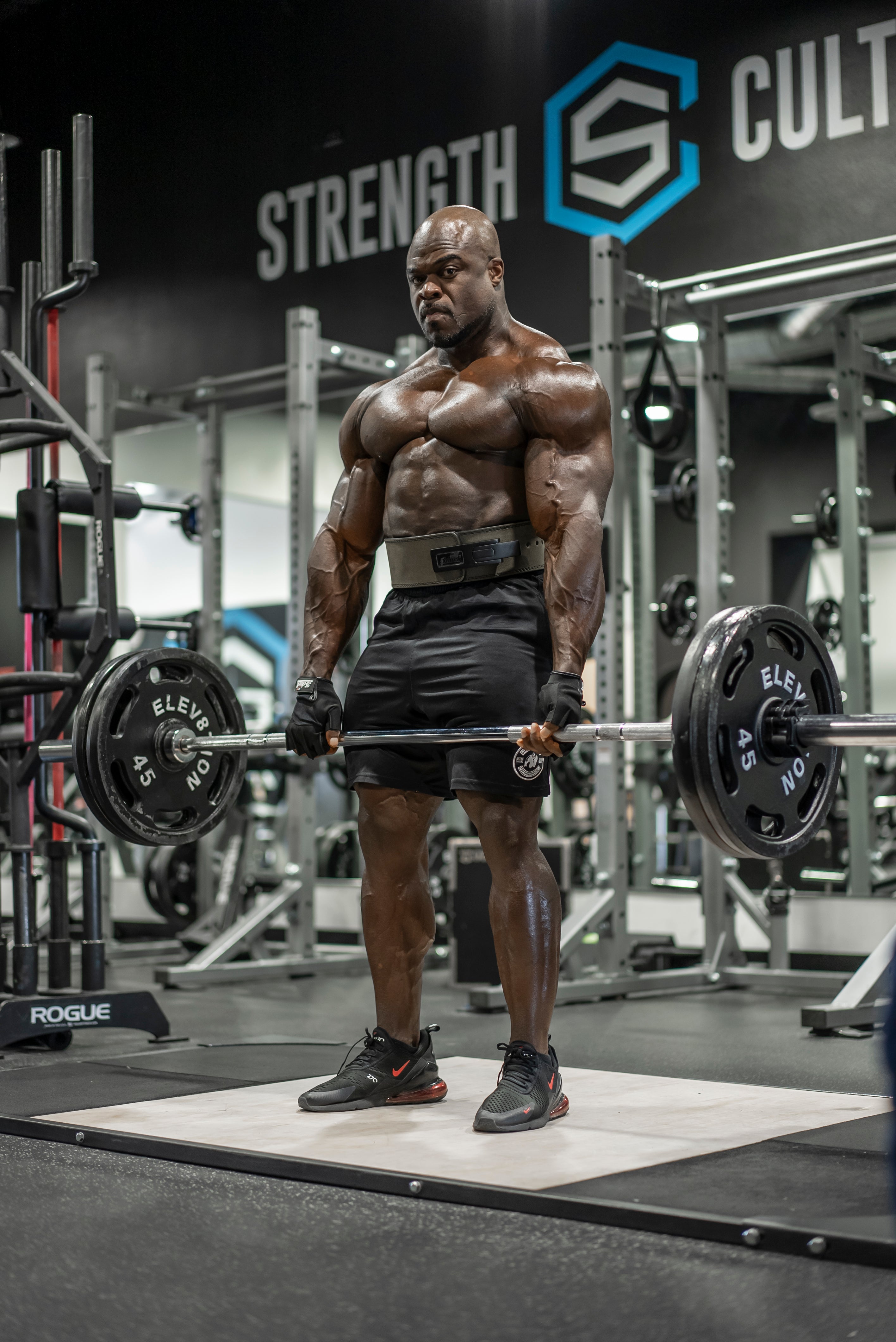
Athletes in powerlifting and Olympic weightlifting nearly always wear belts for their heaviest attempts. In CrossFit, athletes often use softer Velcro belts for quick on-and-off support during high-rep workouts.
Credit: schiek.com
Comparing Lifting With And Without A Belt
To understand the difference, here’s a simple comparison:
| Aspect | With Belt | Without Belt |
|---|---|---|
| Intra-Abdominal Pressure | Higher, more stable core | Lower, requires stronger core activation |
| Maximum Weight Lifted | 5-15% more | Lower, limited by core strength |
| Risk of Acute Back Injury | Reduced (with proper use) | Higher at max loads |
| Core Strength Development | May be less if overused | Improved with proper training |
| Comfort | Can be restrictive or uncomfortable | More freedom, but less support |
Practical Tips For Gym Belt Use
If you decide to use a gym belt, these tips will help you get the best results:
- Use a belt for sets above 80% of your max or when you feel your back needs extra support.
- Train your core without a belt for most exercises and warm-ups.
- Practice bracing your core—don’t rely on the belt alone.
- Try different belt types to find what fits best.
- Replace worn-out belts—a broken belt can be dangerous.
- Listen to your body—if the belt causes pain or restricts breathing, adjust or stop using it.
Common Questions Beginners Have (with Non-obvious Insights)
- Should I wear a belt as a beginner?
- Most beginners should focus on learning good technique and building core strength without a belt. Relying too soon on a belt can slow your progress. Start using a belt only when you’re lifting heavy enough that your core can’t keep up.
- Can a gym belt prevent all back injuries?
- No. A belt reduces risk but does not make you injury-proof. Most back injuries come from poor form, fatigue, or trying to lift too much. Use a belt as one tool among many for safe lifting.
- How tight should my gym belt be?
- The belt should be snug enough that you can press your abs against it, but not so tight that it hurts or stops you from breathing deeply. If you feel pain or dizziness, loosen it.
- What’s the best way to learn to brace my core?
- Practice “breathing into your belly.” Take a deep breath, feel your stomach expand, and then tense your abs as if you’re about to get punched. Do this with and without the belt to build the habit.
- Is it normal to feel uncomfortable when first using a belt?
- Some discomfort is normal, especially if the belt is new or stiff. However, you should not feel pain or numbness. Try wearing the belt for short periods first and break it in over time.
Frequently Asked Questions
What Is The Main Purpose Of A Gym Belt?
The main purpose of a gym belt is to increase intra-abdominal pressure and provide support to the lower back during heavy lifts. This helps stabilize the spine, reduce the risk of injury, and allow you to lift heavier weights safely.
Can Wearing A Gym Belt Make My Core Weaker?
If you use a belt for every exercise, your core may not develop as well as it could. However, if you use the belt only for heavy sets and train without it most of the time, your core will still get stronger.
Do I Need A Gym Belt For All Exercises?
No. You only need a gym belt for heavy compound lifts that stress the lower back, such as squats and deadlifts. For isolation exercises and light weights, it’s better to go without a belt.
How Do I Know If I Should Start Using A Gym Belt?
If you’re lifting heavy weights (above 80% of your max), feel your back struggling during big lifts, or are preparing for a competition, it may be time to try a belt. Beginners should focus on form and core strength first.
Where Can I Learn More About Gym Belt Research?
For more scientific information about gym belts and their effects, visit Wikipedia’s weight training belts page.
Final Thoughts
Wearing a gym belt is more than just a trend—it’s a proven tool for supporting your lower back and improving performance during heavy lifts. By understanding when, why, and how to use a belt, you can make smarter choices in your training.
Remember, a gym belt is not a shortcut to strength or safety. Focus on good technique, build your core, and use the belt as a helpful aid—not a crutch. With the right approach, you’ll gain the benefits of belt use while building a strong, resilient body for years to come.
