

Why Do People Wear Gym Belts: Benefits, Myths, and Tips
Why Do People Wear Gym Belts
Stepping into any gym, you’ll probably notice a few people wrapping thick, sturdy belts around their waist before lifting heavy weights. These gym belts often spark curiosity, especially among beginners who wonder if they’re necessary or just a fitness fashion statement. The truth is, gym belts have a specific purpose, and understanding why people wear them can help you train smarter and safer.
This article dives deep into the real reasons for using gym belts, how they work, and when you should (or shouldn’t) strap one on. You’ll discover practical benefits, hidden risks, and common misconceptions. Whether you’re new to strength training or a seasoned athlete, you’ll find clear answers and expert advice to guide your lifting journey.
Understanding Gym Belts: What Are They?
A gym belt, also called a weightlifting belt or lifting belt, is a wide band made from leather, nylon, or other strong materials. It wraps tightly around the waist and is secured with a buckle, velcro, or prong system. Most belts are between 4 to 6 inches wide at the back, sometimes tapering at the front for comfort.
The main goal of a gym belt is to provide support to the lower back and core during heavy lifts. But how does it actually work? A gym belt increases pressure in your abdominal area, which stabilizes the spine and helps you lift heavier weights with better form.
The Science Behind Gym Belts
When you lift a heavy object, your body naturally tries to protect your spine. It does this by creating intra-abdominal pressure—you take a deep breath and brace your core muscles. This internal pressure acts like a natural “belt” for your spine.
Wearing a gym belt boosts this effect. The belt gives your abs something to push against, letting you generate even more pressure. This extra support helps keep your spine in a safe, neutral position, reducing the risk of injury.
Research has shown that using a gym belt can:
- Increase intra-abdominal pressure by up to 40%
- Improve spinal stability during heavy lifts
- Allow lifters to generate more force, leading to heavier lifts
But belts are not magical. They don’t make you stronger by themselves. Instead, they help you use the strength you already have, more safely and efficiently.
Main Reasons People Wear Gym Belts
1. Protecting The Lower Back
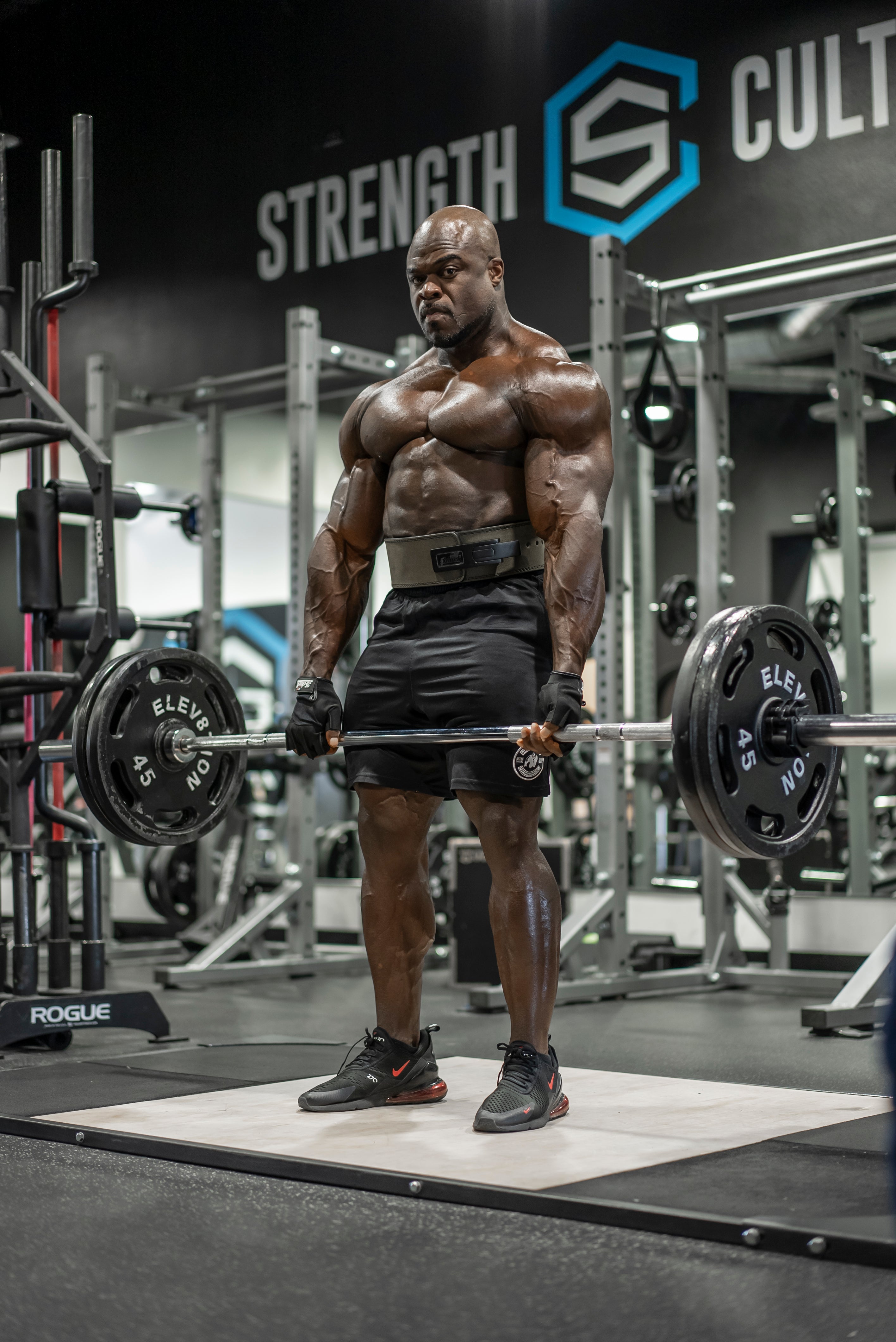
The lower back is one of the most common injury spots for lifters. Movements like squats, deadlifts, and overhead presses put a lot of stress on this area, especially under heavy loads. A gym belt acts as a protective layer, helping you keep your back straight and reducing the chance of strains or herniated discs.
For example, competitive powerlifters almost always wear a belt when attempting their heaviest lifts. This isn’t just tradition—it’s a proven way to lower injury risk.
2. Increasing Lifting Performance
Wearing a gym belt can help lifters move more weight. Studies and real-world results show that people often lift 5–15% more when using a belt compared to lifting without one. This boost isn’t just about confidence; it’s about better force transfer and core stability.
A lifter who normally squats 100 kg might be able to hit 105 kg or even 115 kg safely with a belt. Over time, this can lead to faster strength gains.
3. Supporting Proper Form
Technique matters more than weight. Belts remind lifters to brace their core and keep their torso upright. This is especially important for beginners, who may round their backs or lean forward during tough lifts.
A gym belt gives instant feedback. If you relax your core, you’ll feel the belt move or loosen. This cue helps you maintain good posture and avoid dangerous positions.
4. Boosting Confidence
Many lifters feel more confident when wearing a belt, especially when trying a new personal best. This mental boost can help you focus, commit to the lift, and push through sticking points. Confidence doesn’t replace good technique, but it can make a big difference under heavy weights.
5. Reducing Fatigue In Long Workouts
When training sessions are long and intense, a gym belt can help reduce muscle fatigue in the lower back and core. By sharing the load, the belt allows you to do more sets or reps before getting tired.
However, it’s important not to use the belt as a crutch. Over-reliance can weaken your core muscles over time.
When Should You Use A Gym Belt?
Not every exercise requires a gym belt. In fact, for most movements, it’s better to train without one. Here’s when using a gym belt makes sense:
- Heavy compound lifts: Squats, deadlifts, overhead presses, and barbell rows
- When lifting at or above 80% of your max weight
- During powerlifting or strongman competitions
- If you have a history of lower back injuries (with your doctor’s approval)
For light weights, warm-ups, or isolation exercises (like bicep curls or tricep pushdowns), belts are not needed. Your body needs to build its own stability.
Types Of Gym Belts And How They Differ
There isn’t just one kind of gym belt. Choosing the right one depends on your goals, body shape, and training style.
| Type | Main Features | Best For |
|---|---|---|
| Leather Belt | Thick, stiff, very durable, often with a single or double prong buckle | Powerlifting, heavy squats, deadlifts |
| Nylon Belt | Lighter, more flexible, usually with velcro closure | CrossFit, Olympic lifting, general fitness |
| Lever Belt | Fast to put on and take off, very secure fit, requires exact sizing | Powerlifting, competition use |
| Tapered Belt | Wide at the back, narrow at the front for comfort | General gym use, people with short torsos |
| Contoured Belt | Shaped to fit natural waist curve, offers comfort and support | All-around support, daily training |
Leather belts are the most popular for heavy lifting, but they can be uncomfortable for new users. Nylon belts are more comfortable and flexible, making them a good choice for dynamic movements or beginners.
Correct Way To Wear A Gym Belt
Wearing a gym belt might look simple, but there are a few key steps to get the most benefit:
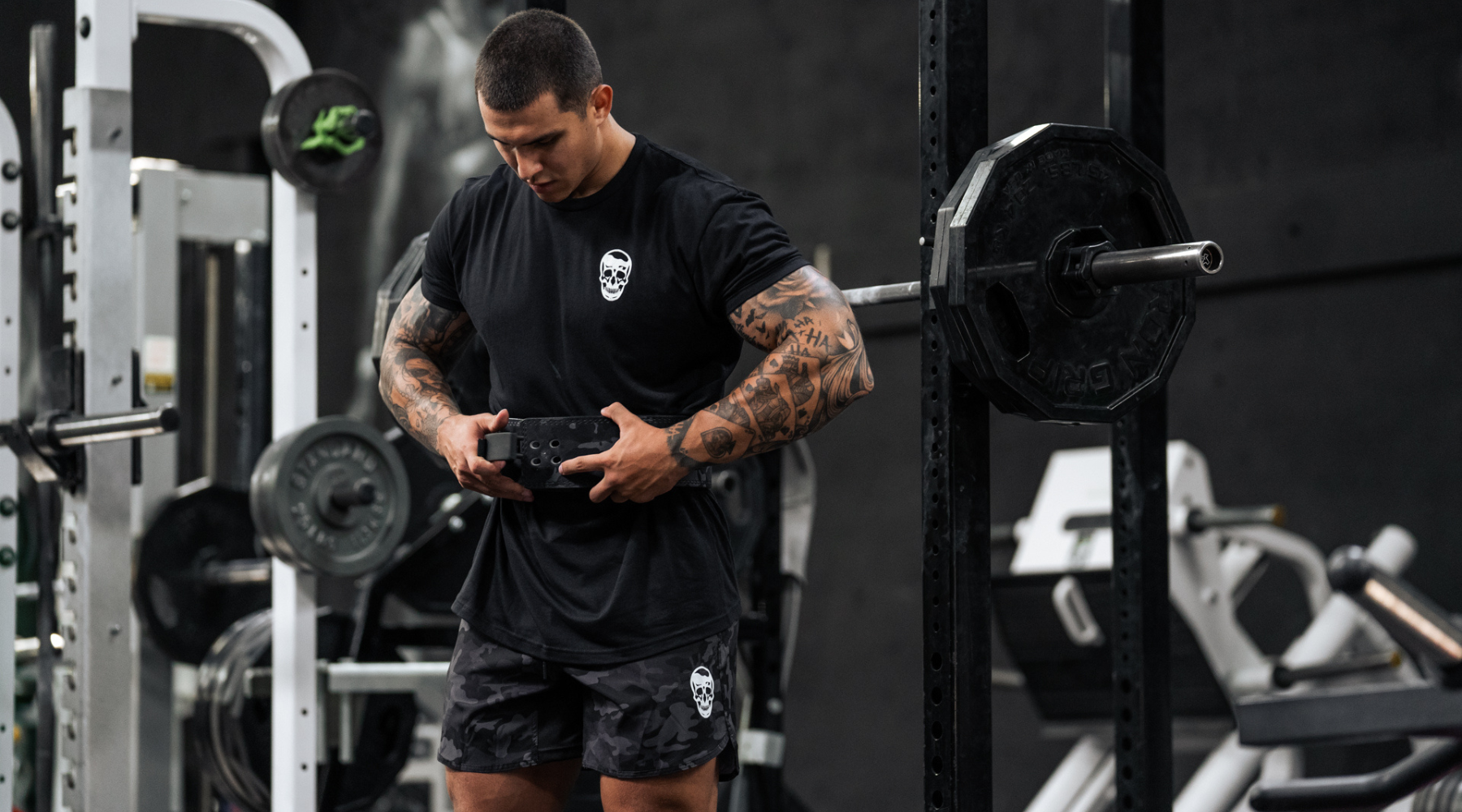
- Position the belt just above your hip bones, covering your lower back and front core.
- Tighten the belt so it’s snug but not so tight that you can’t take a deep breath.
- Brace your core by taking a big breath into your belly, pushing out against the belt.
- Lift with proper technique, keeping your core engaged throughout the movement.
- Loosen or remove the belt between sets to allow normal blood flow and breathing.
A belt that’s too loose won’t help. One that’s too tight can make you dizzy or restrict breathing, increasing injury risk.
Common Misconceptions About Gym Belts
Many gym-goers misunderstand how belts work. Let’s clear up some myths:
“belts Fix Bad Technique”
A gym belt is not a magic fix for poor form. If you lift with a rounded back or don’t brace your core, a belt won’t save you. In fact, it can give a false sense of security, leading to bigger mistakes.
Always learn correct technique first.
“wearing A Belt Makes You Stronger”
Belts do not build muscle or increase strength by themselves. They help you use your existing strength more safely, but the real gains come from consistent, smart training.
“everyone Should Wear A Belt For All Lifts”
Most lifters don’t need a belt for every exercise. Overusing a belt can weaken your core muscles, making you more dependent on support. Use it only for heavy, risky lifts.
“belts Protect Against All Injuries”
While a belt reduces the risk of lower back injuries, it does not protect against muscle strains, joint problems, or poor programming. Belts are just one part of safe lifting.
Pros And Cons Of Using A Gym Belt
Let’s break down the advantages and disadvantages.
| Pros | Cons |
|---|---|
|
|
Credit: www.gymreapers.com
Who Should (and Shouldn’t) Use A Gym Belt?
Best Candidates For A Gym Belt
- Powerlifters and strongman athletes who regularly lift near their max
- Olympic weightlifters for certain lifts (clean and jerk, snatch)
- Bodybuilders during heavy compound movements
- People with previous lower back injuries (with doctor approval)
Who Should Avoid Or Limit Belt Use
- Beginners: Focus on learning proper form and building core strength first.
- People doing light or moderate lifting: Save the belt for your hardest sets.
- Those with heart or blood pressure issues: Belt use increases pressure, so consult a doctor.
Real-world Examples: How Belts Help In Different Sports
Powerlifting
Powerlifters use belts for squats and deadlifts to maximize stability and lift heavier weights. A study of competitive lifters found almost all use a belt for their biggest attempts.
Olympic Weightlifting
Olympic lifters use belts for the clean and jerk but often skip them for the snatch to allow for more mobility. The belt gives support during the explosive lift, where the risk of back injury is high.
Bodybuilding
Many bodybuilders use belts during heavy compound lifts, but not during isolation exercises. For example, a bodybuilder might wear a belt for their heaviest squat set but remove it for leg extensions.
Crossfit
CrossFit athletes use belts during max lifts or high-rep workouts with heavy weights. They prefer quick-release or velcro belts for fast transitions.
Everyday Gym-goers
Some recreational lifters wear a belt as a confidence boost or safety net. But experts recommend limiting use to challenging lifts, not every set.
The Hidden Downsides Of Belt Overuse
While belts are helpful, too much use can be harmful. Here’s why:
Core Muscle Weakness
Your body has natural stabilizers—transverse abdominis, erector spinae, and other core muscles. Relying on a belt for every lift can cause these muscles to weaken over time. When you train without a belt, you may feel unstable or even hurt yourself.
A smart approach is to use the belt only when needed. Do warm-ups and lighter sets belt-free to keep your core strong.
Reduced Mobility
Some belts, especially thick leather ones, can restrict movement and make breathing harder. This is a problem for exercises that require bending, twisting, or fast transitions.
If you train for sports or functional fitness, balance belt use with free movement.
False Sense Of Security
Wearing a belt may make you feel “invincible,” leading you to take risks you wouldn’t otherwise. Remember, a belt cannot fix poor programming or bad habits.
How To Choose The Right Gym Belt For You
Picking the right belt isn’t just about brand or style. Consider these factors:
- Material: Leather for maximum support; nylon for comfort and flexibility.
- Width: Most lifters do well with 4-inch belts; taller lifters may prefer wider.
- Closure: Prong buckles are secure, lever belts are easy to use, velcro belts are convenient but less durable.
- Fit: The belt should fit snugly but not restrict breathing. Try before you buy if possible.
- Purpose: Heavy powerlifting needs maximum support; CrossFit or dynamic sports need flexibility.
If you’re unsure, ask a coach or experienced lifter for recommendations.
Gym Belt Myths That Can Hurt Your Progress
“belts Are Only For Men”
Anyone can benefit from a gym belt, regardless of gender. Many top female athletes use belts for heavy lifts.
“belts Are Cheating”
Using a belt is not cheating. It’s a tool, like lifting shoes or wrist wraps. As long as you use proper technique and don’t rely on the belt for every set, it’s a smart addition to your training.
“you’ll Never Need A Belt If You Have A Strong Core”
Even the strongest cores can fail under extreme loads. Belts are for safety during maximal efforts, not everyday training.
Non-obvious Insights Most Beginners Miss
- Timing Matters: The way you breathe and brace against the belt is more important than how tight it is. Practice bracing with lighter weights before trying heavy lifts with a belt.
- Different Belts for Different Goals: A powerlifter’s leather belt may not work well for a CrossFit athlete. Match the belt to your sport, not just your size.
- Belt Position Varies: Some people get better support with the belt higher or lower on their waist, depending on their torso length and lift type.
- Belts Need Breaking In: New leather belts can be stiff and uncomfortable. Over time, they mold to your body and become more comfortable.

Credit: www.socalpowerlifting.net
Practical Tips For Safe Belt Use
- Only use the belt for your hardest sets (usually above 80% of your max).
- Practice bracing your core with and without the belt.
- Remove the belt between sets to allow normal movement and breathing.
- Clean your belt regularly to prevent odor and bacteria buildup.
- Replace old or damaged belts to ensure safety.
Data: Gym Belt Use In The Fitness Community
To give you a better picture, here’s how different groups use gym belts.
| Group | Percentage Who Use Belts | Typical Usage |
|---|---|---|
| Powerlifters | 95% | Heavy squats, deadlifts, bench press |
| Olympic Lifters | 70% | Clean and jerk, some snatch sets |
| Bodybuilders | 60% | Heavy compounds, not isolation work |
| CrossFit Athletes | 50% | Max lifts, high-intensity sets |
| Casual Gym-Goers | 30% | Personal bests, confidence |
These numbers are based on gym surveys and may vary by country and gym culture.
Credit: schiek.com
What If You Don’t Use A Gym Belt?
You can absolutely train without a belt and still get strong. Many lifters build impressive bodies and strength without ever using one. The key is to focus on proper technique, progressive overload, and core training.
However, as you reach heavier weights, a belt can help you push further with less injury risk. If you have a history of back problems or want to compete in strength sports, a belt becomes more important.
Final Thoughts: Should You Wear A Gym Belt?
Gym belts are valuable tools, but not everyone needs one all the time. If you’re lifting near your max or want extra support for your lower back, a quality belt can make a big difference. But remember, no piece of equipment replaces good technique, smart programming, and a strong core.
Start by mastering your lifts without a belt. When you’re ready to push your limits, add a belt for your heaviest, riskiest sets. Choose the right belt for your body and sport, and use it wisely—not as a crutch, but as a safety tool.
For more in-depth research on gym belts and their effects, you can check resources like Wikipedia: Weight Training Belts.
Frequently Asked Questions
What Is The Main Purpose Of A Gym Belt?
The main purpose of a gym belt is to support your lower back and core during heavy lifts. It increases intra-abdominal pressure, stabilizing your spine and helping you lift more safely and efficiently.
Should Beginners Use A Gym Belt?
Most beginners should focus on learning proper technique and building core strength before using a gym belt. It’s best to use a belt only when lifting heavy and after you’ve mastered basic form.
Can Wearing A Gym Belt Weaken Your Core?
Yes, overusing a gym belt can cause your natural core muscles to weaken. That’s why it’s important to use the belt only for your heaviest lifts and train without it most of the time.
How Tight Should A Gym Belt Be?
A gym belt should be snug but not so tight that you can’t breathe or brace your core. You should be able to take a deep breath and push your abs against the belt without pain.
Are There Any Risks To Using A Gym Belt?
Risks include over-reliance, weakened core muscles, and a false sense of security. Belts are safe if used properly, but they can’t fix bad technique or prevent all injuries. Always prioritize form and smart training.
