

Why Do My Gym Clothes Smell? Proven Solutions to Eliminate Odor
Why Do My Gym Clothes Smell
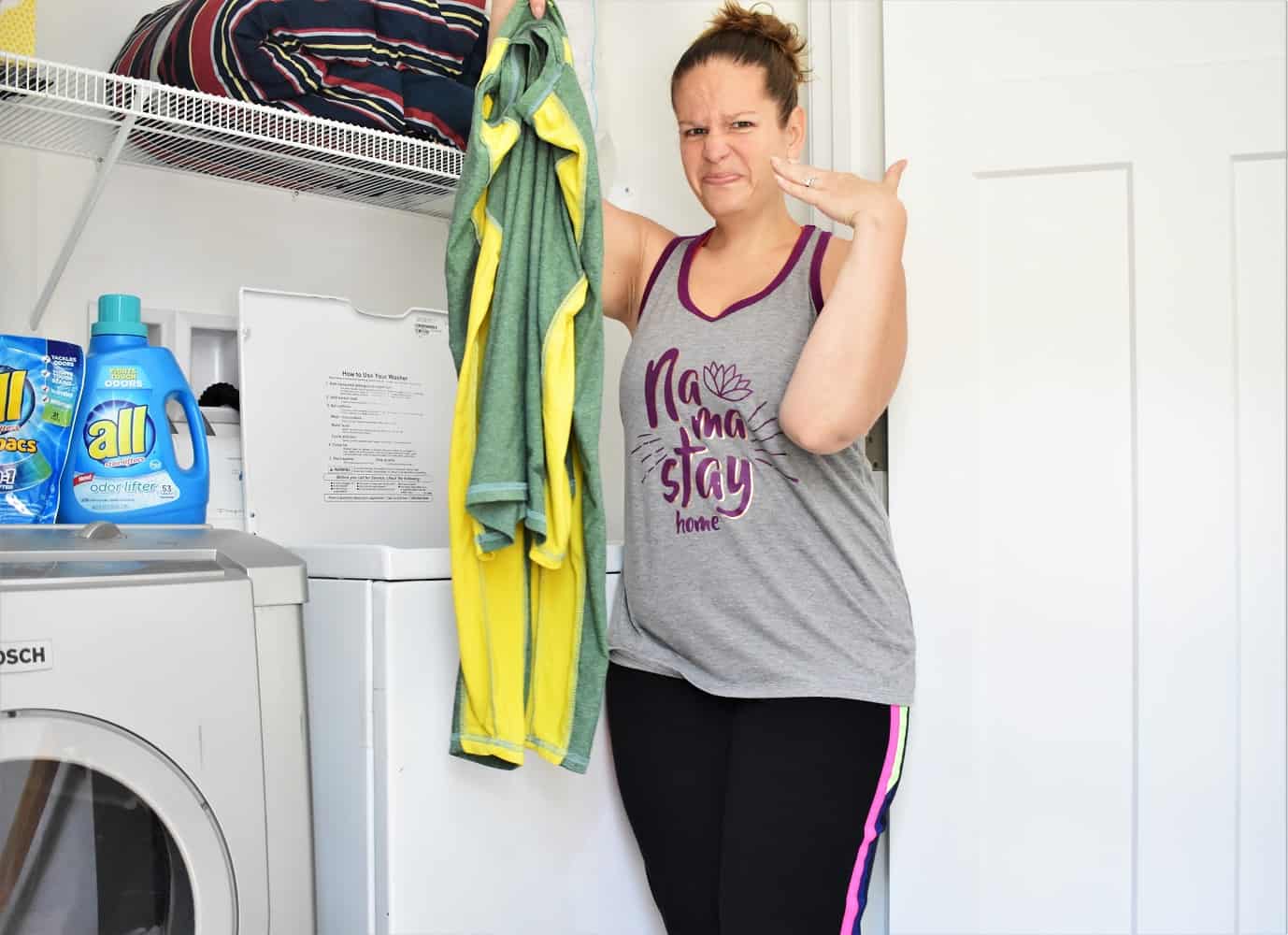
No matter how often you wash them, sometimes gym clothes still have a strong, stubborn odor. Many people notice that their workout shirts, leggings, or sports bras smell even after a fresh wash. If you’ve ever pulled a clean shirt from your closet only to catch a whiff of sweat, you’re not alone. This is a common problem for anyone who exercises regularly. Understanding why your gym clothes smell and what you can do about it can help you keep your gear fresher and more comfortable.
Sweat is not the only reason for these odors. There are several causes, some of which are surprising. Sweat mixes with bacteria, laundry mistakes, and even the type of fabric you wear can create long-lasting smells. By learning more about the science behind these odors, you can take practical steps to stop them.
Let’s explore why your gym clothes smell, the hidden factors that make it worse, and smart solutions that work.
What Causes Gym Clothes To Smell?
Sweat And Bacteria
Sweat itself is mostly water and does not have a strong odor. The real problem starts when sweat meets bacteria on your skin. These bacteria break down sweat and other organic materials, creating smelly compounds like isovaleric acid. The more you sweat, the more bacteria grow, and the stronger the smell.
Synthetic gym fabrics like polyester and nylon, often used in sportswear, trap sweat and bacteria more than natural fibers. This creates a perfect environment for odor-causing bacteria to thrive. When you leave your sweaty clothes in a gym bag or laundry basket, the bacteria continue to multiply, making the smell even worse.
Fabric Types And Odor Retention
Not all clothing materials are the same. Synthetic fabrics are lightweight and quick-drying, but they are notorious for holding onto smells. Cotton, on the other hand, absorbs sweat but dries slowly and can become heavy. Wool is naturally resistant to odors, but it’s less common in gym wear.
Here is a comparison of how different fabrics hold odors:
| Fabric | Odor Retention | Notes |
|---|---|---|
| Polyester | High | Traps bacteria and sweat deep in fibers |
| Cotton | Medium | Absorbs sweat, but can become musty if not dried quickly |
| Nylon | High | Similar to polyester, holds odors |
| Wool | Low | Natural anti-bacterial properties |
| Bamboo | Medium-Low | Breathable, less odor retention |
Laundry Habits That Make Odors Worse
Washing gym clothes seems simple, but common laundry mistakes make smells worse. Many people use too much detergent, thinking it will clean better. However, excess detergent can remain in the fabric, trapping bacteria and odor. Cold water washes save energy but may not remove oils and bacteria as effectively as warm water.
Drying clothes poorly is another problem. If gym wear does not dry completely, it becomes a breeding ground for bacteria and mildew. Leaving damp clothes in a pile—even for a few hours—can cause smells to set in.
Build-up Of Body Oils And Detergent Residue
Over time, gym clothes collect more than just sweat. Body oils, dead skin cells, and deodorant can build up in the fabric. Standard laundry cycles may not fully remove these materials, especially in synthetic fibers. This build-up acts as food for bacteria, creating a cycle of bad smells.
Detergents and fabric softeners often leave residue. This residue attracts dirt and bacteria, making it harder to get your clothes truly clean. Using the wrong kind of detergent or too much softener can make odor issues worse.
Leaving Clothes Damp
One big mistake is leaving sweaty clothes in a gym bag, locker, or laundry basket. Even a few hours in a warm, damp place gives bacteria the perfect environment to grow and multiply. This not only increases odor but can also damage the fabric.
Hard Water And Washing Machines
If your home has hard water—water with high levels of minerals like calcium and magnesium—it can make washing less effective. Minerals can stick to fabric and trap dirt and bacteria, leading to musty smells. Washing machines themselves can also become dirty inside, spreading odors to your clothes.
The Science Of Odor: Why Synthetic Fabrics Smell More
Synthetic fabrics like polyester and nylon are chosen for gym clothes because they are lightweight, stretchy, and wick moisture away from the skin. But these same properties also create odor problems.
How Synthetics Hold Smells
- Hydrophobic fibers: Polyester and nylon do not absorb water. Sweat, oils, and bacteria stay on the fabric surface or get trapped inside the fibers.
- Electrostatic charge: Synthetic fabrics can build up static electricity, which attracts more dirt and oils.
- Microscopic texture: These fabrics have tiny grooves and spaces where bacteria can hide, making it hard for water and soap to wash them away.
What Makes Synthetic Odor Hard To Remove
Even after washing, bacteria and oils can remain inside the fibers. Over time, the smell becomes “locked in” and normal washing may not work. This is why some gym shirts never seem to lose their odor, no matter how often you clean them.
Surprising Insight: Deodorant And Antiperspirant
Many people use deodorant or antiperspirant before working out. While these products stop sweat and mask odor, they can also leave chemical residues on your clothes. These residues combine with sweat, making it even harder to remove the smell during washing.
Why Some People’s Gym Clothes Smell More Than Others
It may seem unfair, but some people have much smellier gym clothes than others. There are real reasons for this, and most have nothing to do with hygiene.
Individual Sweat Chemistry
Every person’s sweat is different. Some people have more apocrine sweat glands, which produce a thicker, oilier sweat. This type of sweat is more likely to feed odor-causing bacteria. Diet, hormones, and genetics all play a role in sweat chemistry.
Diet And Supplements
What you eat can affect how your sweat smells. Foods like garlic, onions, spicy food, and red meat can give sweat a stronger odor. Protein supplements, common among gym-goers, can also change body odor by affecting how your body breaks down amino acids.
Frequency Of Workouts
People who exercise more often naturally wear and wash their gym clothes more. Frequent washing can wear out fabrics, making them thinner and more likely to trap smells. People who sweat heavily may also have more stubborn odors in their workout gear.
Laundry Habits
Simple habits like how quickly you wash clothes after wearing them, whether you use a high-efficiency washer, and how you dry your clothes all matter. People who let their gym wear sit for hours before washing often have stronger odors.
Myths And Misconceptions About Gym Clothes Odor
There’s a lot of bad advice and misunderstanding about why gym clothes smell. Let’s clear up some common myths.
Myth 1: “sweat Alone Causes Odor”
Sweat is mostly water and salts. It’s bacteria breaking down sweat that causes most of the odor, not the sweat itself.
Myth 2: “hot Water Always Removes Odor”
While hot water can help, it’s not always the best choice. Some synthetic fabrics are damaged by high heat, and certain odors are caused by oils that need special detergents, not just heat.
Myth 3: “fabric Softener Makes Clothes Smell Better”
Fabric softeners can actually make odors worse by coating fibers, which traps bacteria and prevents a full clean.
Myth 4: “more Detergent Means Cleaner Clothes”
Using too much detergent can leave residue in your gym clothes, which traps dirt and bacteria.
Myth 5: “natural Fabrics Don’t Smell”
While wool and bamboo resist odor better, all fabrics can develop smells if not cared for properly.

Credit: tripulse.co
How To Prevent Gym Clothes From Smelling
Now that you know the causes, here’s how you can prevent odor in your workout gear.
1. Wash Gym Clothes Promptly
Try to wash your gym clothes as soon as possible after wearing them. If you can’t wash right away, let them air out instead of tossing them in a closed bag or hamper.
2. Turn Clothes Inside Out
Most sweat and bacteria collect on the inside of your clothes. Washing them inside out allows water and detergent to reach the dirtiest areas.
3. Use The Right Detergent
Choose a detergent designed for sportswear or one that targets odors. These detergents break down oils and bacteria better than regular ones.
4. Avoid Fabric Softener
Fabric softener can create a coating on synthetic fibers that traps odor. Skip it for your gym clothes.
5. Use Vinegar Or Baking Soda
Add one cup of white vinegar or half a cup of baking soda to your wash cycle. These natural ingredients can help break down bacteria and neutralize smells.
6. Wash In Warm Water
Check the care label first, but most gym clothes can handle warm water. Warm water helps break down oils and bacteria better than cold.
7. Dry Clothes Completely
Hang your clothes in a well-ventilated area or use a dryer on low heat if safe for the fabric. Never leave damp clothes in a pile.
8. Don’t Overload The Washer
Give your clothes enough space in the washer so water and detergent can clean them thoroughly.
9. Clean Your Washing Machine
Washing machines can collect dirt, detergent, and bacteria over time. Run an empty cycle with hot water and a cup of vinegar or a special cleaner once a month.
10. Try Sportswear-specific Products
Some brands offer sprays or laundry boosters designed to remove gym odors. These can be helpful if regular washing does not work.
Hidden Factors That Make Odor Worse
Residual Odor From Previous Washes
If your clothes already have a bad smell, regular washing may not be enough. The smell can become trapped in the fibers over time, especially with synthetic fabrics.
Environmental Humidity
High humidity in your home or gym locker makes it harder for clothes to dry, which increases bacteria growth and odor.
Storing Clothes With Other Odorous Items
Storing gym clothes with shoes, dirty towels, or other sweaty items can spread and worsen odors.
Reusing Clothes Without Washing
Some people wear the same gym shirt or shorts for several workouts before washing. This creates strong, layered odors that are hard to remove later.
How Different Laundry Methods Compare
Different laundry methods can have a big effect on how clean your gym clothes smell. Here’s a side-by-side look:
| Laundry Method | Effectiveness Against Odor | Best For |
|---|---|---|
| Regular Detergent, Cold Water | Low | Lightly worn clothes |
| Sports Detergent, Warm Water | High | Heavily soiled, synthetic fabrics |
| Vinegar/Baking Soda Additive | Medium | Removing stubborn smells |
| Fabric Softener | Very Low | Not recommended for gym wear |
| Line Drying Outside | Medium-High | Natural odor removal, fresh air |
Special Tips For Long-lasting Freshness
Deep Clean Occasionally
Every few months, soak your gym clothes in a mixture of warm water and vinegar for 30 minutes before washing. This helps remove deep-set odors.
Alternate Your Gym Outfits
Don’t wear the same outfit every workout, even if it looks clean. Give each item time to air out fully between uses.
Invest In Anti-odor Gym Wear
Some brands use antimicrobial technology in their fabrics. These clothes are designed to resist bacteria growth and odors, making them a smart choice if you struggle with smells.
Store Clothes Properly
Keep your gym clothes in a dry, open area. Avoid sealed bags or plastic containers unless the clothes are totally dry.
Pay Attention To Your Diet
If you notice a sudden change in body odor, look at your diet. Certain foods and supplements can make sweat smell stronger.
Watch For Mold And Mildew
If your gym clothes have a musty or sour smell, they may have mildew. Wash them with vinegar, and make sure they dry fully before storing.
Don’t Ignore Stubborn Odors
If a shirt or pair of leggings smells even after multiple washes, it might be time to replace them. Old clothes with thin fabric can trap odor permanently.
Credit: www.snackinginsneakers.com
Common Mistakes To Avoid
- Using too much detergent or softener
- Washing in cold water only
- Letting clothes sit damp for hours or days
- Overloading the washer
- Not drying gym clothes fully
- Wearing gym clothes multiple times before washing
What Research Says About Gym Clothes Odor
Studies show that synthetic fibers like polyester can hold up to 10 times more odor than cotton. Research also finds that special sports detergents remove more bacteria and oils than regular detergents, especially when used with warm water.
A study published by the American Society for Microbiology found that the bacteria Staphylococcus hominis and Micrococcus species are the main cause of sweat odor on clothes. These bacteria are especially common on synthetic fibers.
For more detailed science behind textile odor, the Wikipedia page on body odor offers good background.
How To Build A Smell-proof Gym Routine
- Always have a backup set of gym clothes
- Keep a small bag of baking soda in your gym bag to absorb moisture
- Shower and dry off before putting on gym clothes if possible
- Use anti-bacterial wipes on your skin after workouts if you can’t shower immediately
- Clean your gym bag and shoes often
Frequently Asked Questions
Why Do My Gym Clothes Still Smell After Washing?
Even after washing, gym clothes can keep odors because of bacteria, sweat, and oils trapped deep in synthetic fibers. Regular detergents and cold water often do not remove these fully, especially if detergent residue builds up.
Can I Use Bleach To Get Rid Of Gym Clothes Odor?
Bleach can help remove odor from white cotton, but it can damage synthetic fabrics and colored clothes. It’s better to use sports detergents, vinegar, or baking soda for smell removal.
How Often Should I Wash My Gym Clothes?
Ideally, wash after every workout. The longer sweat and bacteria stay on your clothes, the harder it is to remove the odor.
Is It Safe To Use Vinegar Or Baking Soda On Gym Clothes?
Yes, both vinegar and baking soda are safe for most fabrics and help neutralize odors. Check your garment’s care label before using them, especially with sensitive fabrics.
Why Do My Gym Clothes Smell Worse Than Regular Clothes?
Gym clothes are usually made from synthetic fabrics that trap sweat, oils, and bacteria more than regular clothing. Plus, workout intensity creates more sweat, making odors worse.
A fresh-smelling gym outfit is possible with the right habits and care. By understanding why gym clothes smell and taking smart steps, you’ll enjoy more confidence and comfort every time you work out.
Credit: www.nike.com
