

Why Do My Gym Clothes Smell After Washing? Causes & Solutions
Why Do My Gym Clothes Smell After Washing
You finish your workout, throw your sweaty gym clothes into the wash, and expect them to come out fresh and clean. But sometimes, even after washing, your gym clothes still smell bad—sometimes worse than before. This can feel embarrassing and frustrating, especially if you take care to follow good hygiene.
If you’re tired of fighting lingering odors in your athletic gear, you’re not alone.
Why does this happen? The answer is more complex than you might think. There are scientific, practical, and even laundry technique reasons behind those stubborn smells. Let’s break down the main causes, what you might be doing wrong, and—most importantly—how to fix it for good.
Understanding Why Gym Clothes Trap Odors
Most people notice that gym clothes smell different from regular clothes after washing. This is not just your imagination. Modern athletic wear is designed with special materials to help you perform better, but these same materials can create unique challenges in the laundry room.
The Science Of Sweat And Bacteria
Sweat itself doesn’t actually smell. The odor comes from bacteria that live on your skin. When you exercise, you sweat, and bacteria break down the chemicals in your sweat, creating body odor. This odor easily gets trapped in gym clothes, especially in tight, synthetic fabrics.
Why Synthetic Fabrics Hold Odor
Most gym clothes are made from synthetic fibers like polyester, spandex, and nylon. These materials are chosen because they are lightweight, stretch easily, and help wick moisture away from your skin.
However, these fibers have tiny holes and grooves where bacteria and sweat can hide. Regular washing often doesn’t reach deep into these fibers, so the smell stays even after cleaning. In fact, research has shown that polyester traps more odor than cotton because bacteria cling to the surface of synthetic fibers.
Moisture-wicking: A Double-edged Sword
Moisture-wicking technology pulls sweat away from your skin, keeping you dry during workouts. The problem is, these fabrics don’t always dry completely in the wash, especially if you use a gentle cycle or low heat. Moisture left in the fibers creates a perfect environment for bacteria to grow and produce more odor.
Common Laundry Mistakes That Make Odors Worse
Even with the best gym gear, laundry mistakes can make smells worse or stop them from going away. Here are some of the most common errors:
1. Overloading The Washer
Stuffing too many clothes in the machine means water and detergent can’t move freely. Dirty water can get trapped, and your clothes don’t get rinsed properly. This leaves behind sweat, detergent, and bacteria.
2. Using Too Much Detergent
More soap doesn’t mean cleaner clothes. In fact, using too much detergent creates buildup in the fabric. This buildup traps sweat and bacteria, making odors harder to remove.
3. Washing With Cold Water Only
Cold water saves energy and is gentle on clothes, but it doesn’t always break down sweat and body oils. Gym clothes, especially after a hard workout, often need a warm or hot cycle to fully remove odor-causing grime.
4. Skipping Pre-treatment
Sweaty areas like armpits and collars need extra attention. Skipping pre-treatment means the worst smells stay in your clothes, even after washing.
5. Not Drying Clothes Properly
Leaving gym clothes in the washer too long or letting them dry slowly can lead to mildew. Dampness encourages bacteria and mold, making smells stronger.
How Fabric Types Affect Odor
The type of fabric plays a big role in how much odor remains after washing. Let’s compare some common materials in gym clothes:
| Fabric Type | Odor Retention | Ease of Cleaning |
|---|---|---|
| Polyester | High | Harder |
| Nylon | Medium | Moderate |
| Spandex | High | Harder |
| Cotton | Low | Easier |
| Blends | Varies | Varies |
Polyester and spandex are the biggest odor traps. If you notice your cotton t-shirts smell less after washing, this is why.
Why Regular Detergent Isn’t Enough
Many regular laundry detergents are made for everyday cotton clothes, not for high-tech athletic wear. They often do not break down the oils and bacteria that get deep into synthetic fibers.
Here’s why:
- Enzymes in regular detergent may not be strong enough for tough odors.
- Many detergents leave behind perfumes that mask smells but don’t remove them.
- Some detergents leave residue on synthetic fabrics, making the problem worse.
The Role Of Hard Water In Odor Problems
If you live in an area with hard water (water with high levels of calcium and magnesium), your gym clothes may smell more after washing. Hard water makes it harder for detergent to dissolve, so more soap and sweat stay in the fabric.
Signs You Have Hard Water
- Clothes feel stiff after washing
- Soap doesn’t create much foam
- White spots on clean dishes or glass
Using a water softener or special detergent for hard water can help.
Sweat, Bacteria, And Skin Oils: The Real Odor Source
Your sweat contains not just water, but also proteins, fatty acids, and ammonia. When these mix with bacteria, they create strong smells. The more you exercise and sweat, the more these compounds collect in your clothes.
Skin oils also stick to synthetic fibers. Over time, they build up and create a layer that normal washing cannot break down. This is why gym clothes often smell even when they look clean.
Comparing Cleaning Methods For Gym Clothes
Let’s look at how different washing methods affect odor removal:
| Cleaning Method | Effectiveness | Best For |
|---|---|---|
| Cold Water | Poor for odor | Delicate fabrics |
| Warm Water | Better for odor | Most gym clothes |
| Hot Water | Best for odor | Cotton and tough fabrics |
| Sports Detergent | High | Synthetic gear |
| Pre-Soak | Very high | Heavily soiled clothes |
Using the right temperature and products makes a big difference.
How Laundry Habits Impact Odor
Many bad smells come from laundry habits before you even start washing. Here are some mistakes people don’t realize they’re making:
Leaving Gym Clothes In A Bag
After your workout, if you stuff your sweaty gear in a gym bag and leave it for hours (or days), bacteria have time to grow. This makes smells much worse and much harder to remove.
Not Washing Right Away
The longer sweat and bacteria stay on your clothes, the deeper they go into the fibers. Washing soon after working out is key.
Using Fabric Softener
Fabric softener may make clothes feel nice, but it leaves a coating on synthetic fibers. This coating traps bacteria and sweat, making odors worse over time.
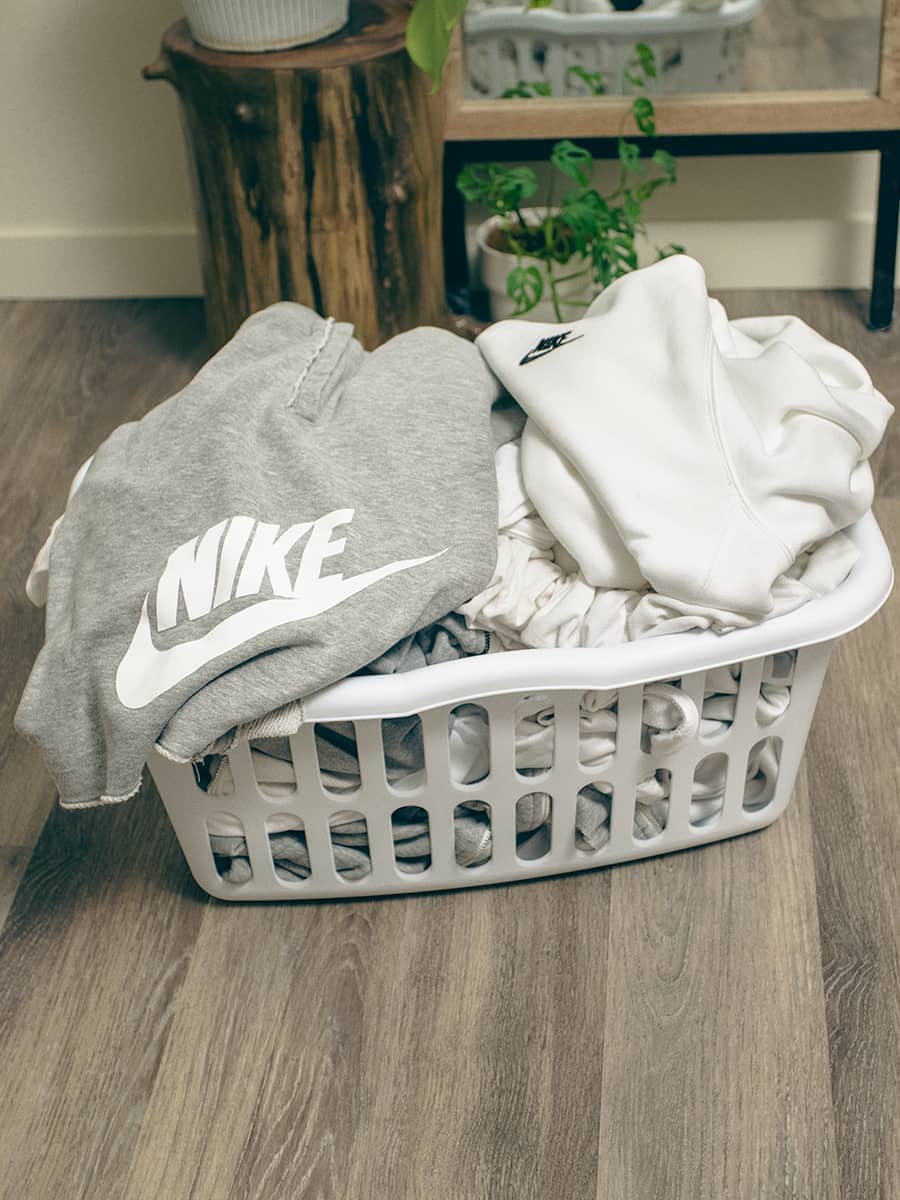
Washing All Clothes Together
Mixing sweaty gym clothes with other laundry spreads bacteria. It’s better to wash gym gear separately, especially if it smells very bad.
Credit: www.nike.com
How To Get Rid Of Odors For Good
You can fix smelly gym clothes with the right steps. Here’s a complete plan:
1. Wash As Soon As Possible
Don’t let sweat sit. Wash your gym clothes soon after wearing them. If you can’t wash them right away, let them air out first.
2. Turn Clothes Inside Out
Odor-causing bacteria collect on the inside. Turning clothes inside out helps the wash reach these areas.
3. Use A Sports Detergent
Special detergents for athletic wear contain enzymes that break down sweat, oils, and bacteria better than regular soap.
4. Avoid Fabric Softener
Skip fabric softener for gym clothes. It leaves a layer that traps odor.
5. Use The Right Water Temperature
Check the label, but usually, warm water is best for synthetic gym gear. Hot water is best for towels and cotton but can damage stretchy fabrics.
6. Don’t Overload The Washer
Give your clothes space to move. This helps water and detergent reach all areas.
7. Double Rinse
A second rinse removes leftover detergent and bacteria.
8. Dry Completely
Use the dryer or hang clothes in a sunny, airy place. Make sure they dry fully to prevent new smells.
9. Pre-soak When Needed
For very bad smells, soak gym clothes in a mix of water and a little vinegar or baking soda for 30 minutes before washing.
Home Remedies That Actually Work
Some simple solutions can make a big difference:
- White vinegar: Add half a cup to the rinse cycle. It kills bacteria and removes smells.
- Baking soda: Add half a cup to the wash cycle. It helps neutralize odor.
- Sun drying: Sunlight is a natural disinfectant. Drying outside can help kill bacteria and remove smells.
Two Surprising Mistakes Most People Make
Most people know about not using too much detergent or fabric softener, but there are two less obvious mistakes:
- Not cleaning the washing machine: Odor-causing bacteria can live in your washer, especially if you mostly use cold water. Run an empty hot wash with some vinegar or a washing machine cleaner once a month.
- Wearing gym clothes more than once: Even if you don’t see sweat, bacteria stay in the fibers after each wear. Wearing again without washing makes odors build up fast.
Are Athletic Detergents Worth It?
Specialty sports detergents claim to remove tough odors better than standard products. Here’s a quick look at their benefits:
| Feature | Sports Detergent | Regular Detergent |
|---|---|---|
| Odor Removal | Very High | Medium |
| Removes Sweat/Stains | Yes | Sometimes |
| Safe for Synthetics | Yes | Not always |
| Residue-Free | Yes | Not always |
While they cost more, sports detergents are a good investment if you exercise often.
How Often Should You Wash Gym Clothes?
Wash gym clothes after every use. Even if you only did a light workout, bacteria and sweat can build up quickly. This is especially true for tight or moisture-wicking gear.
What About Gym Shoes And Accessories?
Smells can also come from shoes, socks, and accessories like hats or wristbands. Wash these regularly, following the care instructions. For shoes, take out the insoles and let them dry in the sun.
Credit: www.onepeloton.com
Special Tips For Different Types Of Gym Clothes
For Yoga Pants And Leggings
These are often made of stretchy blends. Turn inside out and avoid fabric softener. Wash on a gentle cycle but use warm water if possible.
For Sports Bras
Fasten hooks or zippers, use a mesh bag, and wash with similar fabrics. Sports bras can hold a lot of sweat, so don’t skip pre-soaking if they smell.
For Compression Shirts And Shorts
Use sports detergent and avoid high heat when drying. These hold bacteria tightly due to their snug fit.
For Socks And Headbands
Wash after every use. These small items can collect a surprising amount of sweat and bacteria.
Preventing Odors Between Washes
Sometimes you can’t wash gym clothes right away. Here’s how to prevent smells from getting worse:
- Hang clothes to air out as soon as you remove them.
- Avoid plastic bags; use a mesh or ventilated bag for storage.
- Use a deodorizing spray designed for sports gear.
- If you must store dirty clothes, keep them in a dry, cool place—not your car or a humid bathroom.
When To Replace Gym Clothes
No matter how well you clean, gym clothes have a lifespan. If your gear still smells after all these methods, it may be time to buy new ones. Over time, bacteria and sweat can permanently change the fibers. As a rule of thumb, replace athletic wear when it stays smelly, feels sticky, or loses stretch.
What Science Says About Gym Clothes Odor
Studies show that synthetic gym clothes can hold six times more odor-causing bacteria than cotton. That’s why your new polyester shirt might smell worse than your old cotton one, even if you wash them the same way. Research also finds that washing with warm or hot water and using sports detergents greatly reduces odor.
For more detailed scientific background, you can check this resource on activewear.
Long-term Strategies For Fresh Gym Clothes
To keep your gym gear fresh, make these habits part of your routine:
- Wash after every use
- Use sports detergent regularly
- Avoid overloading your washer
- Clean your washing machine monthly
- Store dirty clothes in a dry, airy place
Small changes can make a big difference.
Frequently Asked Questions
Why Do My Gym Clothes Still Smell After Washing?
This happens because synthetic fabrics trap sweat, oils, and bacteria deep in the fibers. Regular detergent and cold water may not remove these completely. Overloading the washer or using fabric softener can also make the problem worse.
How Can I Remove Stubborn Odors From Athletic Wear?
Pre-soak clothes in a mix of water and vinegar or baking soda before washing. Use a sports detergent and wash with warm water. Make sure to dry clothes fully after washing.
Is It Safe To Use Vinegar Or Baking Soda On Gym Clothes?
Yes, using white vinegar or baking soda is safe for most gym clothes. They help break down bacteria and neutralize odors without damaging synthetic fibers. Always check the care label first.
Can I Use Bleach On My Gym Clothes?
Bleach can damage synthetic fibers and reduce the lifespan of gym clothes. It is not recommended for most athletic wear. Instead, use sports detergent or vinegar for odor removal.
How Often Should I Clean My Washing Machine?
Clean your washing machine at least once a month. Run an empty hot cycle with vinegar or a washing machine cleaner to kill bacteria and remove detergent buildup.
Stubborn gym clothes odor is a common problem, but it is not impossible to solve. With the right cleaning methods, habits, and products, you can finally enjoy fresh, clean athletic gear every time you work out. Remember: the key is acting quickly, using the right detergent, and making sure your clothes dry completely. Fresh-smelling gym clothes are possible—once you know the secrets behind the science.
Credit: www.onepeloton.com
