

Why Do Gym People Wear Pump Covers? The Surprising Reason
Why Do Gym People Wear Pump Covers
If you spend any time in a gym, you might notice something interesting: many people wear oversized shirts, hoodies, or jackets, even when they have impressive physiques. These are known as pump covers. But why do gym people wear pump covers instead of showing off their hard-earned muscles right away? The answer goes much deeper than just style or modesty. Wearing a pump cover has practical, psychological, and cultural reasons that matter to both beginners and experienced athletes.
Understanding the purpose of pump covers can help you feel more comfortable in the gym, avoid common mistakes, and maybe even improve your own workouts. In this article, you’ll learn the many reasons behind this trend, how it affects training and confidence, and whether you should try it yourself.
You’ll also discover how pump covers fit into gym culture and what makes them so popular today.
What Is A Pump Cover?
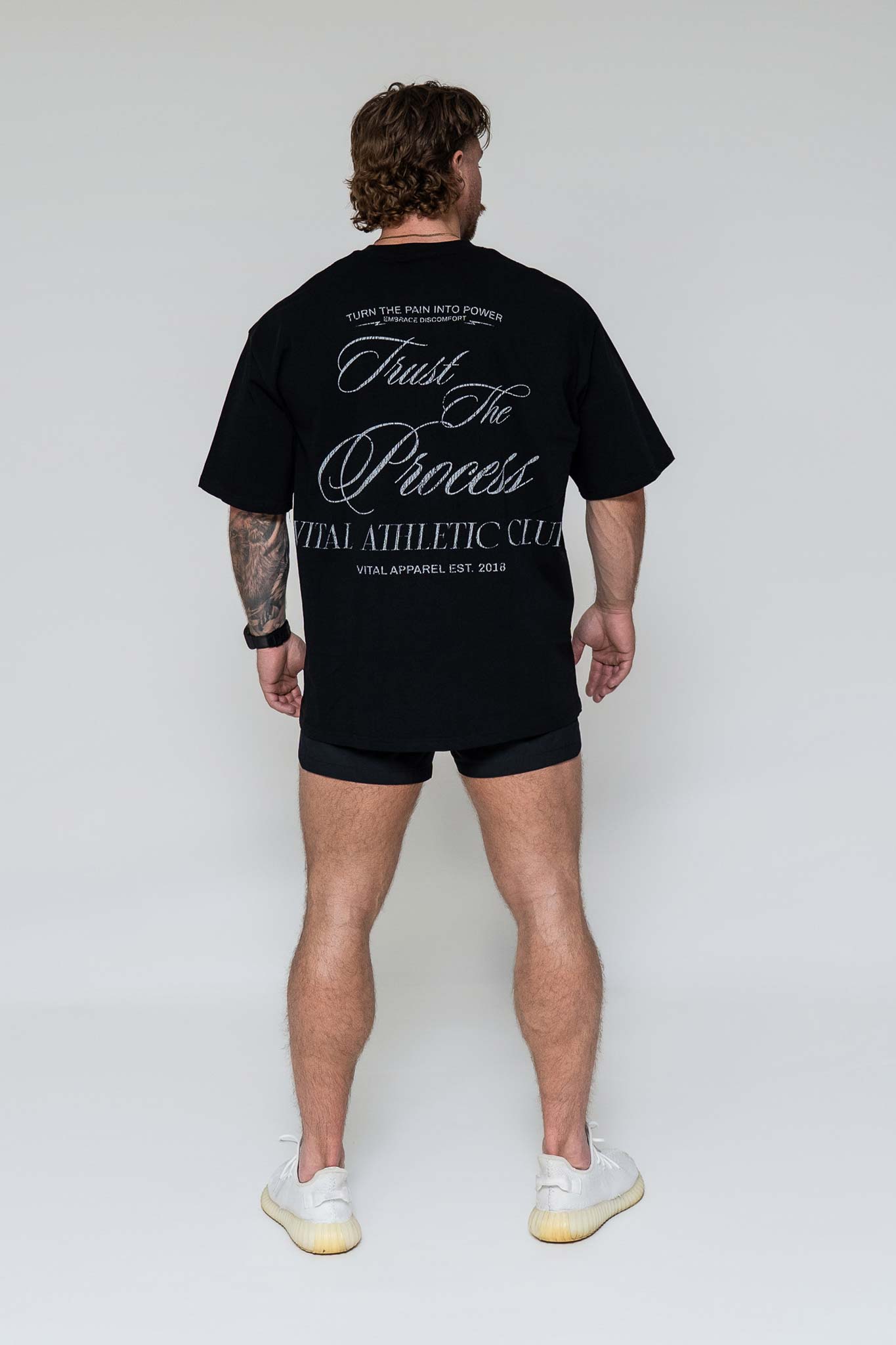
A pump cover is any loose or oversized clothing item worn over gym attire, usually before or during the first part of a workout. Most commonly, pump covers are:
- Baggy t-shirts
- Hoodies
- Sweatshirts
- Zip-up jackets
The idea is simple: you wear something over your normal gym clothes, then remove it after your muscles get “pumped” from exercise. The term “pump” refers to the temporary swelling and hardness of muscles after you lift weights or do intense activity. Many people like to reveal their more defined physique after warming up.
The Physical Reasons Behind Pump Covers
Staying Warm To Prevent Injury
One of the biggest reasons people wear pump covers is to keep their muscles warm. When your body temperature is higher, blood flows better and your muscles are more flexible. This lowers the risk of injury, especially at the start of a workout.
Wearing a hoodie or sweatshirt helps your body stay warm during the first sets. Cold muscles are more likely to get strained or torn. Warm clothes create a comfortable environment for your joints and tendons, making it easier to move and stretch.
Boosting Blood Flow And Muscle Pump
Pump covers can help you sweat more and increase blood circulation. Many athletes believe that keeping the body warm at the start of a workout helps them get a better pump, which is that full, tight feeling in the muscles after exercise.
The science behind this is simple: warmth causes blood vessels to expand. This allows more blood to reach your muscles, which means more nutrients and oxygen. As a result, your muscles can perform better, and you might even see faster gains.
Hiding Flaws And Imperfections
Not everyone feels confident showing their body, especially at the beginning of a workout. A pump cover provides a sense of privacy and helps people avoid feeling self-conscious. It hides sweat stains, uneven muscle development, or body fat.
Even experienced athletes use pump covers to avoid unwanted attention or to surprise others with their physique after taking off the cover later in the session.
Psychological And Emotional Factors
Managing Gym Anxiety
Many new gym-goers feel nervous about being judged. Wearing a pump cover can help reduce gym anxiety. Baggy clothes draw less attention, so people can focus on their workout instead of worrying about how they look.
For some, the pump cover acts as a security blanket. It provides comfort and helps them blend in until they feel more confident.
Building Anticipation And Motivation
There’s a unique psychological effect when you wear a pump cover and then remove it after a good workout. Many people feel a boost in motivation by saving the “big reveal” for after their muscles are pumped.
This tradition is often a form of self-reward. You work hard, get a great pump, and then finally show off your progress. It makes the workout feel more satisfying and encourages you to push harder.
Creating A Focused Mindset
For some, putting on a pump cover is like putting on a uniform. It signals to their mind that it’s time to work. This ritual can help people switch from a distracted state to a focused, ready-to-train mindset.
Wearing a certain hoodie or shirt might even be a lucky charm, helping athletes perform better by associating it with past good workouts.
The Social Side Of Pump Covers
Fitting Into Gym Culture
Gym culture is full of trends, and pump covers are one of the most popular. Wearing a pump cover helps people feel like part of the fitness community. It’s a way to express that you take your training seriously.
You’ll notice that many influencers and experienced lifters wear pump covers, which influences newcomers to do the same. It’s become a symbol of dedication and belonging.
Avoiding Unwanted Attention
Some people wear pump covers to avoid stares or compliments, especially in co-ed gyms. Oversized clothes help people focus on their workouts without feeling watched or judged.
Others use pump covers to avoid comparisons. If everyone sees only your covered-up figure, there’s less pressure to compete or compare bodies.
Making The “reveal” Special
Many gym-goers enjoy the moment when they take off their pump cover and reveal their pumped muscles. This is often shared on social media or with friends. It’s a way to celebrate progress and share achievements in a fun, dramatic way.
The Science Of Body Temperature And Performance
How Warmth Affects Muscles
When your muscles are warm, they contract more efficiently and are less likely to get injured. A raised body temperature also helps enzymes work faster, which aids energy production.
Let’s compare body performance at different temperatures:
| Muscle Temperature | Performance Level | Injury Risk |
|---|---|---|
| Cold | Lower power, stiffness | Higher |
| Warm | Optimal power, flexibility | Lower |
Wearing a pump cover during your warm-up helps you reach the “warm” state faster, so you can lift heavier and move better.
Sweat And Detox: Fact Or Myth?
Some believe that sweating more under a pump cover helps “detox” the body. While sweating does help remove some waste, most detox happens in your liver and kidneys. However, sweating more can help you lose water weight temporarily, which may make muscles look more defined after removing the cover.
Clothing Material And Breathability
Not all pump covers are the same. Some are made from cotton, which absorbs sweat, while others use synthetic fabrics that wick moisture and dry quickly. The right material can make a big difference in comfort and hygiene.
Here’s a quick comparison of popular pump cover materials:
| Material | Pros | Cons |
|---|---|---|
| Cotton | Soft, comfortable | Holds sweat, dries slowly |
| Polyester | Wicks moisture, dries fast | Can trap odor |
| Blends | Balance of comfort and performance | Varies by brand |
The Fashion Element: Style Meets Function
Oversized Clothing As A Trend
Pump covers are not only practical—they’re also a big part of gym fashion. Oversized shirts and hoodies have become a staple for many because they look good and feel comfortable. Many brands now design clothing specifically as pump covers, with bold logos and unique designs.
Personal Expression
For some gym-goers, the pump cover is a way to show personality. You might see vintage band tees, sports team jackets, or hoodies from favorite brands. This adds fun and individuality to the gym routine.
Gender Differences
Men and women sometimes use pump covers differently. Men often wear them to look bigger or more intimidating, while women might use them for privacy or to avoid unwanted attention. However, both genders use pump covers for similar reasons: warmth, confidence, and style.
Influencer Effect
Social media influencers often share their pump cover routines and outfit choices. This inspires their followers to copy the look. What starts as a personal habit quickly becomes a widespread trend.
The Role Of Pump Covers In Workout Routines
When To Wear A Pump Cover
Most people put on a pump cover before leaving home or at the start of their workout. They keep it on during warm-up sets, cardio, or until they feel their muscles are ready.
Some athletes keep the pump cover on the entire session, especially during colder months or in air-conditioned gyms. Others remove it as soon as they feel “pumped. ”
How To Use A Pump Cover Effectively
If you want to try using a pump cover, here are some tips:
- Choose the right material for your climate and sweat level.
- Start your workout with the cover on to warm up faster.
- Remove the cover after you feel your muscles are full and pumped.
- Wash pump covers regularly to avoid odor and bacteria.
- Have fun with style—pick designs or colors that motivate you.
Mistakes To Avoid
Beginners often make these mistakes with pump covers:
- Wearing clothes that are too thick, causing overheating
- Keeping the cover on too long and getting dehydrated
- Not washing the cover often enough
- Focusing only on looks instead of performance
Remember, the pump cover is a tool, not a requirement. Use it in a way that helps your workout, not just for appearances.
Who Should Wear Pump Covers?
Beginners
If you’re new to the gym, a pump cover can help you feel less exposed and more confident. It’s a great way to ease into the gym environment and focus on your routine.
Intermediate And Advanced Lifters
Experienced athletes use pump covers to maximize their warm-up, protect their joints, and enjoy the pump-reveal ritual. For those who care about performance and injury prevention, pump covers are a smart choice.
Those Training In Cold Environments
If your gym is chilly or you work out early in the morning, pump covers help you stay comfortable and avoid stiffness.
People With Body Image Concerns
Anyone who feels self-conscious or anxious in gym clothes may benefit from wearing a pump cover until they feel ready to remove it.
Credit: vtlapparel.com
Pump Covers Vs. Compression Gear
It’s important not to confuse pump covers with compression clothing. Compression gear is tight and designed to support muscles, improve circulation, and reduce soreness. Pump covers are loose and focus on warmth and privacy.
Here’s a quick comparison:
| Feature | Pump Cover | Compression Gear |
|---|---|---|
| Fit | Loose | Tight |
| Main Purpose | Warmth, privacy | Support, circulation |
| When Worn | Start of workout | All workout |
| Effect on Pump | Helps warm up | Enhances muscle function |
Wearing both together is common: a compression shirt under a pump cover, for example.
The Cultural Evolution Of Pump Covers
Early Beginnings
The tradition of covering up in the gym has roots in old-school bodybuilding. Athletes often wore sweatshirts and pants to keep muscles warm and to hide their bodies until competition time.
Rise Of Social Media
Social platforms made the pump cover “reveal” popular. People started sharing before-and-after pump photos, turning it into a fun, viral moment.
Brands And Marketing
Sportswear companies noticed the trend and started making clothing specifically for this purpose. Now, many brands offer pump covers in different styles, colors, and materials.
Gym Etiquette
In some gyms, wearing a pump cover is a sign of respect. It shows you’re there to train, not just to show off. In others, it’s purely about personal comfort and style.
Pump Covers And Self-image
Boosting Confidence
Many people feel more confident when they can control when and how they show their bodies. Pump covers give you the power to decide when you’re comfortable being seen.
Avoiding Comparison
Gyms are full of people at different fitness levels. Wearing a pump cover helps you focus on your progress instead of comparing yourself to others.
Reducing Pressure
The pressure to look a certain way can harm motivation. Pump covers help reduce this pressure, making the gym a more positive place for everyone.
Are Pump Covers For You?
Benefits To Consider
- Better warm-up
- Reduced injury risk
- More confidence
- Improved focus
- Fun gym fashion
Possible Downsides
- Overheating if worn too long
- More laundry
- May hide form errors from trainers
Tips For Choosing A Pump Cover
- Pick the right size: Oversized but not so big it gets in your way.
- Choose breathable fabric: Especially if you sweat a lot.
- Select a motivating design: Something that makes you feel good.
- Layer smartly: Use a tank top or compression shirt under the pump cover.
- Listen to your body: Remove the cover if you feel too hot.

Credit: www.amazon.com
Real Stories: Why Lifters Love Pump Covers
Alex’s Story: Beating Gym Anxiety
Alex started going to the gym but felt uncomfortable in tight clothes. Wearing a pump cover helped Alex focus on workouts instead of worrying about others' opinions. After a few months, Alex felt confident enough to train in a tank top.
Priya’s Story: Performance Boost
Priya noticed fewer joint pains after warming up with a hoodie. The extra warmth helped her lift heavier and recover faster. Now, Priya always starts with a pump cover before switching to lighter gear.
Sam’s Story: Social Connection
Sam joined a group that all wore matching pump covers for motivation. The group’s tradition made workouts more fun and helped everyone feel like part of a team.
Non-obvious Insights Most Beginners Miss
The Psychological Ritual Matters
It’s not just about staying warm—putting on a pump cover signals your brain to switch into training mode. This ritual effect can boost focus and performance, especially if you build it into your routine.
Pump Covers Can Hide Progress
While they help with confidence, always wearing a pump cover can make it easy to ignore your own progress or bad form. It’s helpful to check your body in the mirror sometimes to see if your exercise technique is correct.

Credit: www.wikihow.com
Frequently Asked Questions
What Does “pump Cover” Mean In Gym Slang?
A pump cover is any loose clothing, like a hoodie or t-shirt, worn over gym gear. People keep it on during the warm-up or early sets, then remove it after their muscles are pumped and look more defined.
Do Pump Covers Really Help Performance?
Yes, especially during warm-up. Pump covers help keep muscles warm, boost blood flow, and reduce injury risk. This can improve performance in the early stages of a workout.
Should I Always Wear A Pump Cover In The Gym?
Not necessarily. Pump covers are useful for warming up or if you feel self-conscious. But if you overheat or feel uncomfortable, it’s better to remove them. Listen to your body and do what feels best for your workout.
Are Pump Covers Only For Bodybuilders?
No, anyone can wear a pump cover. Beginners, runners, lifters, and even people doing yoga use them. The main reasons are warmth, comfort, and confidence, not just muscle size.
Where Can I Find Good Pump Covers?
You can find pump covers at most sportswear stores, online fitness brands, or even use old oversized shirts or hoodies from your closet. For more ideas, check fitness communities or trusted retailers like Nike.
Wearing a pump cover is more than just a gym fashion statement. It’s a blend of science, psychology, and community. By understanding why gym people wear pump covers, you can decide if this trend fits your style and training needs.
Whether you want to boost your confidence, protect your muscles, or just fit in with the gym crowd, the pump cover is a simple tool with powerful benefits. Try it for yourself and see how it changes your next workout.
