

Why Do Gym People Wear Hoodies? Surprising Reasons Explained
Why Do Gym People Wear Hoodies
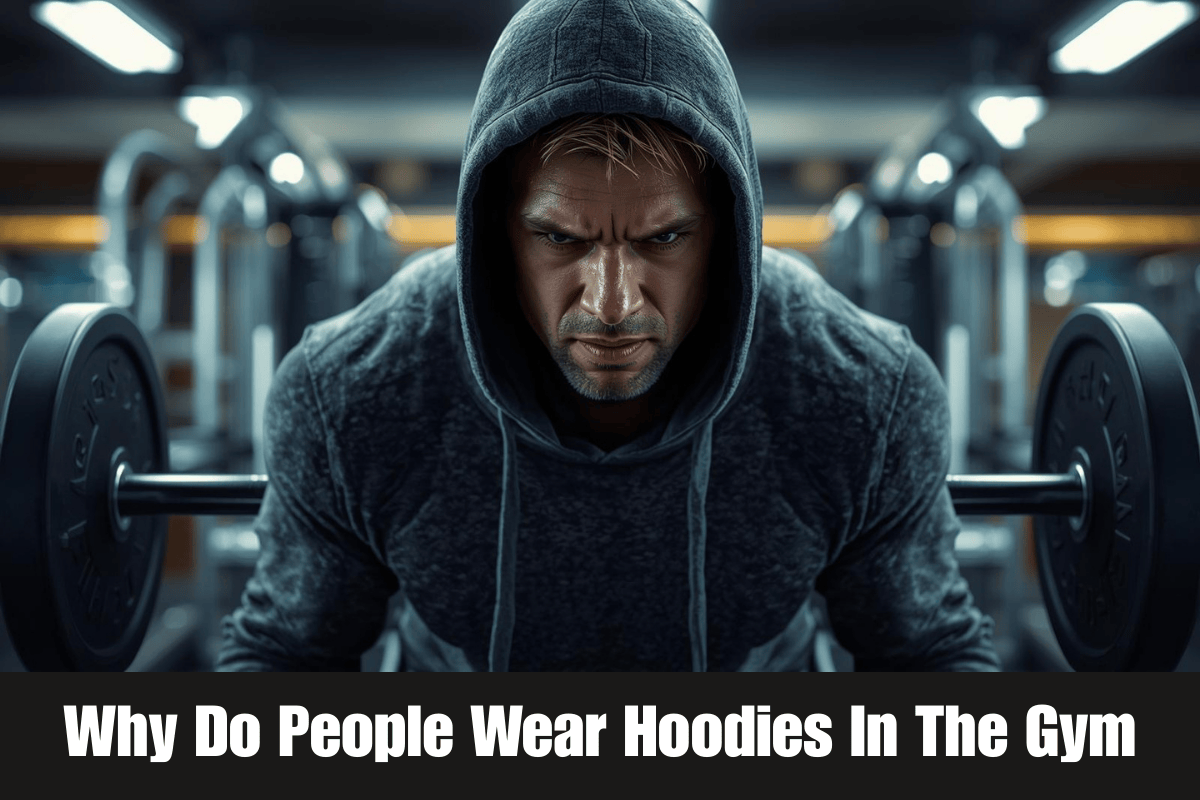
Stepping into a gym, you’ll notice something interesting—many people are working out in hoodies. Some pull the hood over their heads, others keep it down, but it’s common to see sweatshirts with hoods everywhere from weightlifting areas to cardio zones. For someone new to fitness or just starting out, this might look odd or even uncomfortable. After all, gyms are often warm, and exercising already makes you sweat. So why add an extra layer?
The truth is, the hoodie is more than just a fashion statement in gyms. It serves several practical, psychological, and even social purposes. Whether you’re a beginner or a seasoned athlete, understanding these reasons can help you make smarter choices about your own gym wear. This article will explain why gym people wear hoodies, the benefits and drawbacks, and what you should consider before following this trend.
Physical Benefits: More Than Just Warmth
Wearing a hoodie in the gym isn’t only about looking cool. There are genuine physical benefits that athletes and fitness lovers take advantage of.
Warming Up Muscles Faster
One of the main reasons people wear hoodies is to warm up their muscles faster. When your body is cold, your muscles are stiff and more prone to injury. A hoodie traps your body heat, making it easier for your muscles to reach the right temperature for exercise.
This is especially helpful during warm-up sets or when starting an early morning workout.
Enhanced Sweating And Detox
A hoodie increases your body’s core temperature, which means you’ll sweat more. Sweating can help remove some toxins from your skin, though it’s important to remember that sweating is not the same as fat loss. The extra sweat might make you feel like you’re working harder, and for some, this is motivating.
Reduced Risk Of Muscle Strain
Muscles that are kept warm stay flexible and less likely to be injured. Hoodies help keep your body heat even when you take breaks between sets, reducing the risk of sudden muscle pulls or strains.
Supporting Joint Health
Warm joints function better and are less likely to be injured. This is why you often see older gym members or people with joint issues wearing hoodies or other warm clothing. The extra layer helps keep elbows, shoulders, and knees warm and ready for action.
Psychological Reasons: The Mind Behind The Hoodie
The benefits of hoodies go beyond the physical. There’s a strong psychological aspect that explains their popularity in the gym.
Creating A Mental ‘bubble’
Wearing a hoodie, especially with the hood up, creates a sense of privacy. It’s like building a small mental bubble, helping you focus on your workout and block out distractions. For people who get nervous or self-conscious in busy gyms, this can be a big confidence booster.
Boosting Workout Motivation
For some, putting on a hoodie signals the start of “work mode. ” It’s a small ritual that tells their mind it’s time to focus and push hard. This can help you build a routine and stay motivated, even on days when you feel tired or unmotivated.
Reducing Social Pressure
Not everyone is comfortable being watched while they exercise. A hoodie helps you blend in or even hide your body if you’re feeling shy or self-conscious. This is especially true for beginners who might feel insecure about their appearance or fitness level.
Encouraging Consistency
When you have a “uniform” for the gym, it’s easier to get into the habit of working out. For many, the hoodie is part of that uniform. It becomes a signal to their brain that it’s time to exercise, making it easier to stick with their fitness routine.
Fashion And Culture: The Hoodie As A Statement
The hoodie has become a part of gym culture. It’s not just about function; it’s about identity, style, and sometimes even status.
Trends Set By Athletes And Influencers
Many well-known athletes, bodybuilders, and fitness influencers wear hoodies in their social media posts and videos. Their followers copy this style, leading to a trend that spreads quickly across gyms worldwide.
Showing Dedication
A sweaty hoodie can show that you’re working hard. Some people wear it as a badge of honor, letting others know they’re serious about their training.
Individual Style
Hoodies come in all colors, designs, and brands. Some people use them to express their personal style or show support for their favorite gym, team, or brand.
Signaling Experience
In some gym circles, wearing a hoodie—especially one that’s well-worn—can signal that you’re experienced or part of the “serious” fitness crowd. It’s a subtle way to show you’re not a beginner.
Practical Uses In Different Workouts
Not all workouts are the same. The hoodie serves different purposes depending on the exercise or fitness activity.
Weightlifting
Weightlifters often rest between sets. During these short breaks, body temperature can drop quickly, especially in a cool gym. A hoodie helps keep muscles warm so you’re ready for your next set.
Cardio Sessions
Wearing a hoodie during cardio makes you sweat more. Some people believe this helps with water weight loss (though it’s temporary). Others simply find it helps them feel like they’re pushing harder.
Boxing And Martial Arts
In sports like boxing, athletes often wear hoodies to cut water weight before a competition. The extra sweat helps them reach their target weight. Even outside competitions, many boxers train in hoodies to build mental toughness and keep their muscles warm.
Outdoor Workouts
If you train outside, a hoodie protects you from wind, cold, or even light rain. This is important for runners, cyclists, or anyone training outdoors year-round.
Credit: lovie.vn
The Science: What Research Says
The idea of wearing extra clothing during exercise has been studied by scientists and sports experts.
Body Temperature And Performance
Studies show that keeping muscles warm helps with performance and reduces the chance of injury. When your body is warm, blood flows more easily to your muscles, delivering oxygen and removing waste products.
Sweat And Toxin Removal
Sweating does help remove some waste from your skin, but most toxins are handled by your liver and kidneys. Wearing a hoodie can help you sweat more, but don’t confuse this with fat loss or deep detoxification.
Effects On Endurance
Some research suggests that training in warmer conditions (like under a hoodie) can improve endurance over time. This is why some athletes use “heat training” to prepare for tough events.
Dangers And Downsides: When A Hoodie Can Be A Problem
While hoodies offer benefits, they’re not always the best choice. Here’s what you need to watch out for.
Overheating Risks
Wearing too much clothing can lead to overheating, especially in a hot gym or during intense workouts. This can cause dizziness, dehydration, or even heat exhaustion.
Hygiene Concerns
A sweaty hoodie can trap bacteria, leading to skin problems like acne or rashes. It’s important to wash your hoodie often and never wear the same sweaty one for days.
Restriction Of Movement
If your hoodie is too tight or bulky, it can limit your range of motion. This is a problem for exercises that need full movement, like pull-ups, push-ups, or yoga.
False Sense Of Progress
Sweating more does not mean you’re burning more fat. Some people focus too much on sweat as a sign of a “good workout,” which is misleading. Real progress comes from consistent training and good nutrition.
Comparing Hoodies To Other Gym Wear
Let’s see how hoodies stack up against other common gym clothing in terms of warmth, comfort, and usefulness.
| Clothing Item | Warmth | Breathability | Movement | Best For |
|---|---|---|---|---|
| Hoodie | High | Medium | Medium | Warm-ups, weightlifting |
| T-shirt | Low | High | High | Cardio, general training |
| Tank Top | Very Low | Very High | Very High | Bodybuilding, hot gyms |
| Compression Shirt | Medium | High | High | Running, cycling |
Choosing The Right Hoodie For Your Workout
Not all hoodies are created equal. Here’s what you should look for when picking a gym hoodie.
Fabric Matters
Choose hoodies made from moisture-wicking material. These fabrics pull sweat away from your skin, helping you stay dry and comfortable.
Fit And Flexibility
Your hoodie should be loose enough for movement but not so baggy that it gets in the way. Try a few on and move your arms to see how they feel.
Breathability
Some hoodies have vents or lighter fabric in certain areas. This helps air circulate and prevents you from overheating.
Weight
Lightweight hoodies are good for indoor workouts, while heavier ones are better for outdoor training or very cold gyms.
Pockets And Features
Pockets can be useful for holding your phone, keys, or gym card. Some hoodies even have headphone holes or thumb loops for extra convenience.
Common Mistakes When Wearing Hoodies To The Gym
Even experienced gym-goers make errors when it comes to workout clothing. Here are a few to avoid:
- Wearing Heavy Cotton: Cotton absorbs sweat and stays wet, making you feel cold and uncomfortable. Choose synthetic blends instead.
- Ignoring the Weather: If your gym is hot or you’re doing high-intensity cardio, a hoodie might be too much. Dress for the conditions.
- Not Washing Regularly: Sweaty hoodies need regular washing to prevent odors and bacteria.
- Choosing the Wrong Size: Hoodies that are too tight restrict movement, while overly large ones can get caught on equipment.
- Focusing Only on Style: It’s fine to look good, but comfort and safety should come first.
Social And Emotional Impact: Beyond Exercise
Wearing a hoodie at the gym isn’t just about physical benefits. It can affect your confidence and emotions, too.
Building A Routine
For many, putting on a hoodie is the first step in their workout routine. This small action can help build discipline and get your mind ready to exercise.
Handling Social Anxiety
Gyms can be intimidating, especially for beginners. A hoodie offers a sense of protection, making it easier for shy or anxious people to feel comfortable.
Creating A Gym Persona
Some people use their gym clothes to become a different version of themselves—stronger, more focused, and less self-conscious. The hoodie is part of this transformation.
Credit: texasia.com
Real-world Examples: Who Wears Hoodies And Why?
You’ll find all kinds of people wearing hoodies in gyms, each with their own reasons.
- Competitive athletes: To stay warm between events or sets.
- Beginners: To feel less noticed and more confident.
- Boxers and fighters: To sweat off water weight before a match.
- Older adults: To protect joints and keep muscles loose.
- Fitness models: For style and branding in photos and videos.
Sometimes, gym staff wear branded hoodies to show their role and connect with members.
How To Care For Your Gym Hoodie
A good hoodie is an investment. Here’s how to keep it in great shape:
- Wash after every 1-2 uses, especially if you sweat a lot.
- Avoid fabric softeners, which can block moisture-wicking features.
- Dry on low heat or hang to air dry to prevent shrinking.
- Check for tears or loose threads, especially if you use machines with rough surfaces.
Hoodie Myths: What You Shouldn’t Believe
There are some common myths about hoodies in the gym world. Let’s clear them up.
Myth 1: Sweating More Burns More Fat
Sweating under a hoodie only helps you lose water weight, not fat. Once you rehydrate, your weight returns to normal.
Myth 2: Hoodies Are Only For Winter
Many people wear lightweight hoodies year-round, even in warmer gyms. It’s about comfort and focus, not just temperature.
Myth 3: Only Beginners Wear Hoodies
Experienced athletes use hoodies for serious training, injury prevention, and even competition prep.
Myth 4: Hoodies Are Unhygienic
As long as you wash your hoodie regularly, it’s as clean as any other gym wear.
Myth 5: Hoodies Are Unsafe
Hoodies are safe if you choose the right fit and fabric for your workout and avoid overheating.
Hoodie Brands And Options: What’s Popular?
There are many brands known for quality gym hoodies. Here’s a quick comparison of popular choices:
| Brand | Key Features | Typical Price | Best For |
|---|---|---|---|
| Nike | Moisture-wicking, lightweight | Mid-high | All-around training |
| Adidas | Breathable, fitted design | Mid-high | Cardio, gym classes |
| Under Armour | HeatGear tech, stretchy | Mid | Weightlifting, outdoor |
| Gymshark | Trendy, stylish, fitted | Mid | Bodybuilding, casual |
| Reebok | Classic, durable | Low-mid | General gym use |
Hoodie Alternatives: When You Might Want Something Else
Hoodies are popular, but they’re not for everyone. Here are some alternatives and when they might be better:
- Long-sleeve T-shirts: Good for light warmth without overheating.
- Sweat-wicking jackets: For outdoor running or cycling in cool weather.
- Compression tops: For those who want support and moisture control.
- Layered outfits: Wearing a t-shirt under a zip-up hoodie gives you flexibility to remove layers.
Choose based on your workout type, gym temperature, and personal comfort.
What Science And Experts Recommend
Sports experts suggest warming up in layers and removing them as your body heats up. This helps avoid overheating while still protecting your muscles at the start of your workout. Listen to your body—if you start feeling dizzy or too hot, take off the hoodie.
The American Council on Exercise and other fitness organizations recommend moisture-wicking fabrics and proper hygiene for all gym wear, including hoodies. For more on their guidelines, check out this ACE Fitness overview.
Non-obvious Insights: What Beginners Often Miss
Many newcomers to the gym think a hoodie is just for warmth, but there are two important points they often don’t realize:
- Body awareness: A hoodie covers your muscles, so you can’t see them flex or move as easily. While this can help with focus, it also means you might miss signs of bad form. If you’re working on technique, try removing your hoodie for some sets.
- Gradual adjustment: If you’re not used to working out in extra layers, start slow. Wear your hoodie for warm-ups and remove it as you get hotter. Jumping straight into intense exercise with a hoodie on can lead to overheating, especially for beginners.
Final Thoughts: Should You Wear A Hoodie To The Gym?
Wearing a hoodie in the gym is more than just a trend. It’s about comfort, focus, and sometimes a bit of style. There are real physical and psychological reasons why so many people choose this piece of clothing. At the same time, it’s important to listen to your body and make smart choices for your health and performance.
If you like the feeling of a hoodie and it helps you get in the zone, go for it. But don’t be afraid to take it off if you get too hot or uncomfortable. The best gym wear is what makes you feel strong, safe, and ready to work hard.

Credit: squatwolf.com
Frequently Asked Questions
Why Do So Many Bodybuilders Wear Hoodies?
Bodybuilders often wear hoodies to keep their muscles warm and ready for heavy lifting. The warmth helps prevent injuries and supports better blood flow. Hoodies also help them focus by reducing distractions from their surroundings.
Does Wearing A Hoodie Help Burn More Fat In The Gym?
No, wearing a hoodie does not increase fat burning. You may sweat more, but this is mainly water loss. Fat loss comes from exercise and nutrition, not from sweating under extra layers.
Is It Safe To Wear A Hoodie During Cardio?
Wearing a hoodie during cardio is safe if you pay attention to your body. If you feel dizzy, overheated, or short of breath, remove the hoodie to cool down. Always choose breathable fabrics for intense workouts.
What Kind Of Hoodie Is Best For Gym Workouts?
Look for hoodies made from moisture-wicking, lightweight, and flexible material. Avoid heavy cotton and choose a fit that allows you to move easily. Features like pockets or thumb holes can add convenience.
Can Wearing A Hoodie Help With Gym Anxiety?
Yes, a hoodie can help reduce anxiety for some people. It creates a sense of privacy and helps you feel less exposed. This can make it easier for beginners or shy people to feel comfortable in a busy gym.
