

Why Do Gym Clothes Smell? Causes and Easy Fixes
Why Do Gym Clothes Smell
Anyone who works out knows the frustration: you finish your session, toss your gym clothes in your bag, and later notice a strong, unpleasant odor. Even after washing, sometimes the smell remains. This problem confuses many people and can even make them feel embarrassed. So, why do gym clothes smell so stubbornly bad? The answer is not simple—sweat, bacteria, fabric type, washing habits, and even what you eat all play a role. Understanding these factors can help you prevent odors and keep your workout gear fresh.
The Science Behind Sweat And Odor
Sweat itself is mostly water and salt, so it doesn’t smell much. The problem starts when sweat meets the skin and fabric. Your body has two main types of sweat glands: eccrine and apocrine. Eccrine glands cover most of your body and release clear, odorless sweat. Apocrine glands, found in areas like the armpits and groin, produce a thicker fluid. This fluid is rich in proteins and fats, which is exactly what bacteria on your skin love to eat.
When these bacteria break down sweat, they produce volatile organic compounds. These compounds are what give off the classic "gym smell"—a sour, musky, or even ammonia-like scent. The sweat itself isn’t the real problem; it’s the bacteria and their waste products.
Why Gym Clothes Hold Odor More Than Everyday Clothes
One common question is why regular clothes don’t usually stink as much as gym clothes after a workout. The answer lies in the unique properties of workout fabrics and the conditions in which they are used.
Moisture-wicking Fabrics Trap Odors
Most gym clothes are made from synthetic materials like polyester, nylon, or spandex. These fabrics are designed to pull moisture away from your skin—a process called "moisture wicking." While this keeps you feeling dry, it also means sweat is pulled into the fabric and held there, where it can mix with bacteria.
Synthetic fibers have tiny spaces and grooves that trap sweat and bacteria deep inside. Over time, these build up and create a "reservoir" of odor-causing molecules that are hard to remove in a regular wash.
Natural Fibers Vs. Synthetics
Let’s compare how different fabrics handle sweat and smell:
| Fabric Type | Odor Absorption | Moisture Management | Ease of Cleaning |
|---|---|---|---|
| Cotton | Low | Poor | Easy |
| Polyester | High | Excellent | Difficult |
| Merino Wool | Very Low | Good | Easy |
Cotton absorbs sweat but dries slowly, which can lead to a "damp" feeling but usually not as strong a smell. Merino wool, a natural fiber, resists odor much better because it naturally fights bacteria. Polyester is most likely to hold onto smell, especially if not washed properly.
The Role Of Bacteria And Microbes
You might be surprised to learn that thousands of types of bacteria live on your skin. When you exercise, the warm, moist environment inside your gym clothes becomes the perfect place for these bacteria to multiply. The types of bacteria often found in smelly gym clothes include Corynebacterium and Staphylococcus. These microbes break down sweat and dead skin cells, releasing strong-smelling byproducts.
What most people miss: even after washing, some bacteria survive inside the fibers. Over time, these colonies become harder to kill and the clothes develop a "permanent" smell. This is why old gym shirts often smell bad right after you start sweating, even if they just came out of the wash.
Body Chemistry: Why Some People’s Gym Clothes Smell Worse
Not everyone produces the same amount or type of sweat. Your personal body chemistry—including your diet, hormones, and genetics—affects how you smell.
- High-protein diets can increase the amount of ammonia in sweat, making odors sharper.
- Hormonal changes (like puberty, menstruation, or certain medications) can change sweat’s composition.
- Genetics determines how much sweat your apocrine glands produce and what kind of bacteria live on your skin.
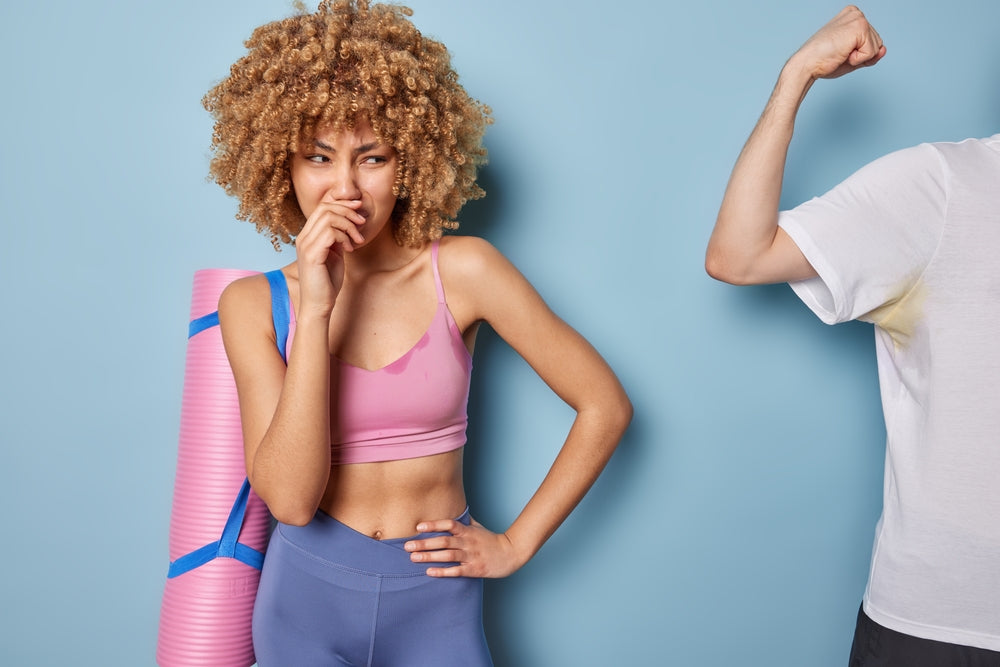
This is why two people can do the same workout, wearing the same clothes, but only one ends up with really smelly gym gear.
Credit: hercleon.com
How Washing Habits Make Odors Worse (or Better)
Many people think washing is enough to remove gym odors, but this isn’t always true. The way you wash your clothes can actually make things worse.
Using Too Much Detergent
It’s a common mistake to add extra detergent, thinking more soap will mean cleaner clothes. In fact, too much detergent leaves residue in the fibers. This soapy buildup traps bacteria and sweat, causing even more odor over time.
Washing In Cold Water
Most people wash gym clothes in cold water to prevent damage, but cold water isn’t as effective at killing bacteria or removing oils. Warm or hot water helps break down sweat and bacteria better. However, always check the care label first, since high heat can damage some synthetics.
Skipping Pre-treatment
Many stubborn odors come from sweat and oils that have soaked deep into the fabric. Without pre-treating with a product designed to break down these molecules (like enzyme-based sprays or vinegar), regular washing often isn’t enough.
Overcrowding The Machine
When too many clothes are packed into the washing machine, there’s not enough water and space for the clothes to get truly clean. Odors can stay trapped in the middle layers.
Using Fabric Softener
Fabric softener can coat fibers and make them feel nice, but it also locks in oils and bacteria. This coating makes it even harder for the next wash to remove odor.
The Impact Of Drying On Gym Clothes Odor
How you dry your gym clothes also matters. Dampness is a breeding ground for bacteria, so letting clothes sit wet (in a gym bag, laundry basket, or even after washing) gives odors a chance to grow.
- Air drying in a well-ventilated area is best for most synthetic fabrics.
- Drying in the sun can help kill bacteria naturally thanks to UV light.
- Machine drying at low or medium heat is usually safe, but high heat can damage elastic fibers.
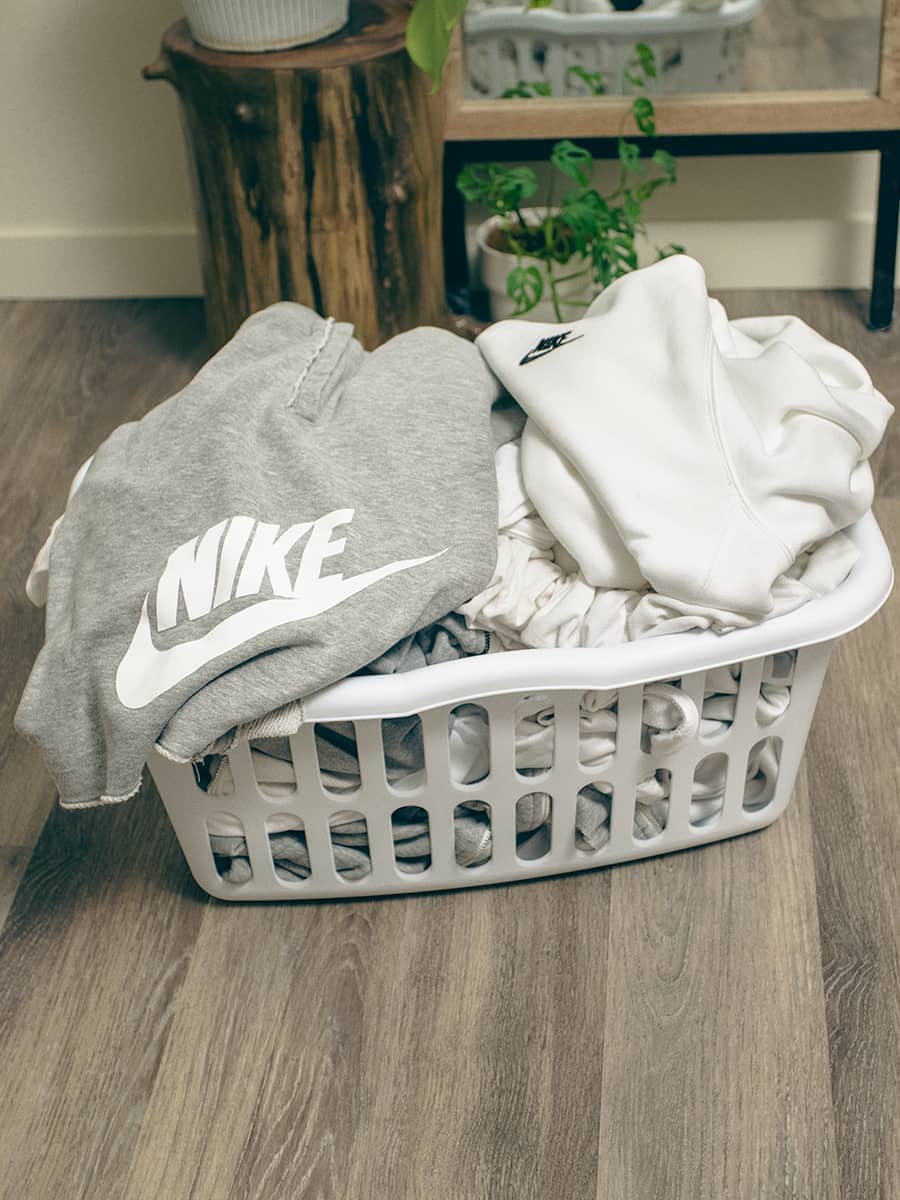
Leaving gym clothes in a heap or pile, even for a few hours, can make smells worse—even after you finally wash them.
Credit: www.nike.com
Sweat, Diet, And Their Effects On Clothing Odor
Your sweat’s chemical makeup depends on what you eat and drink. High-protein foods, spicy foods, alcohol, and some vegetables (like broccoli and onions) can make sweat smell stronger. Coffee and certain medications can also change body odor.
Another non-obvious factor: dehydration. If you don’t drink enough water, your sweat becomes more concentrated, and the odor can be more intense.
How Often Should You Wash Gym Clothes?
Many people wonder if it’s okay to wear gym clothes more than once. The truth is, the more often you wash them, the less time bacteria have to build up. But overwashing can also wear out the fabric.
A good rule is:
- Wash after every workout if you sweat a lot or the clothes are tight-fitting.
- Hang to air out if you didn’t sweat much and plan to wear them again soon.
- Never leave sweaty clothes in a bag for more than a few hours.
Credit: shbamovement.com
Common Mistakes That Make Gym Clothes Smell
Even people who exercise regularly make mistakes that lead to smelly workout gear. Here are some common ones:
- Letting clothes sit in the bag for hours (or days) before washing.
- Not turning clothes inside out before washing—most sweat and bacteria are on the inside.
- Skipping a rinse cycle—leftover detergent can trap odors.
- Using perfumed sprays to cover up odor instead of removing it.
- Washing everything together—mixing towels, socks, and gym clothes can transfer bacteria.
Avoiding these mistakes can make a big difference in keeping gym clothes fresh.
Advanced Solutions For Persistent Odors
If regular washing isn’t enough, there are other steps you can try:
Enzyme-based Laundry Additives
Special laundry boosters use enzymes to break down protein-based odors. These are especially effective for sweat and body oil.
Vinegar And Baking Soda
Adding half a cup of white vinegar or baking soda to your wash can help neutralize smells. Vinegar kills bacteria, while baking soda absorbs odors.
Sports-specific Detergents
Some detergents are made specifically for athletic gear. They contain ingredients to break down sweat, oil, and bacteria.
Deep Cleaning Soaks
For really stubborn smells, soak gym clothes in a mixture of water and oxygen bleach before washing. This can remove buildup that regular washing leaves behind.
The Role Of New Technologies In Odor Control
Clothing companies are aware of the odor problem and have developed new types of fabrics and treatments:
- Antimicrobial finishes: Some gym clothes are treated with silver ions or other agents that stop bacteria from growing.
- Carbon-infused fibers: These trap odor molecules and release them in the wash.
- Nano-coatings: Tiny particles create a barrier that makes it harder for sweat and bacteria to stick.
However, these treatments wear off over time and don’t replace good washing habits.
Comparing Cleaning Methods For Gym Clothes
Let’s look at how different cleaning methods perform:
| Cleaning Method | Bacteria Removal | Odor Removal | Fabric Safety |
|---|---|---|---|
| Standard Wash | Moderate | Low-Moderate | Safe |
| Hot Water Wash | High | High | Risk of Damage |
| Enzyme Wash | Very High | Very High | Safe |
| Vinegar/Baking Soda | High | High | Safe |
Enzyme washes and natural boosters like vinegar provide the best balance of odor control and fabric safety.
Environmental And Lifestyle Factors
Where and how you work out can impact how your gym clothes smell:
- Outdoor exercise: Sweat dries faster in the sun, which can reduce odor.
- Hot and humid climates: More sweating and slower drying mean more odor.
- Gym equipment: Machines and mats can transfer bacteria to your clothes.
Also, people who sweat less may notice that their gym clothes stay fresh longer, even with the same washing routine.
How To Prevent Gym Clothes From Smelling
Prevention is always better than cure. Here are practical steps:
- Change out of sweaty clothes immediately after your workout.
- Hang clothes to dry before tossing them in the hamper.
- Wash gym clothes separately from regular laundry.
- Avoid fabric softeners and excess detergent.
- Use a sports detergent or add vinegar to your wash.
- Try antimicrobial socks and underwear.
- Rotate your workout gear so you’re not wearing the same items every day.
A non-obvious tip: Shower before you exercise if possible. Starting with clean skin reduces the bacteria that cause odor.
How Long Should Gym Clothes Last?
Even with the best care, gym clothes don’t last forever. Over time, fibers break down and become more likely to hold odor. If your gear still smells after every wash and you’ve tried all solutions, it’s probably time to replace it.
Signs you need new gym clothes:
- Persistent odor that doesn’t go away after washing
- Fabric feels rough or thin
- Elastic is stretched out
- Visible stains that don’t wash out
Regularly updating your workout gear is part of staying healthy and comfortable.
Cultural And Social Aspects Of Gym Clothes Odor
Odor is not just a personal concern; it can affect your confidence in public spaces like gyms or yoga studios. People often judge others based on smell, even if it’s not your fault. Many gyms now offer scent-free policies and recommend immediate clothing changes to keep shared spaces fresh.
Some cultures are more tolerant of body odor, while others see it as a sign of poor hygiene. Understanding these differences can help reduce embarrassment and encourage better hygiene habits.
Real-life Examples And Data
Research shows that up to 70% of gym-goers have noticed their workout clothes smelling bad, even after washing. In tests comparing cotton and polyester, polyester held on to 40% more odor molecules after a single wear. These findings highlight why choosing the right fabrics and washing methods is so important.
A study from a major sportswear brand found that using an enzyme-based detergent reduced odor by over 60% compared to regular detergent alone.
When To Seek Medical Advice
In rare cases, very strong or unusual body odors can signal a health problem, such as an infection or a metabolic disorder. If you notice a sudden change in the way your sweat smells, or if clothing odor is affecting your social life, talk to a healthcare professional.
Summary Of Key Points
- Sweat itself is not smelly; bacteria cause odor.
- Synthetic fabrics hold onto odor more than natural fibers.
- Body chemistry, diet, and hormones can make some people’s clothes smellier.
- Washing habits play a big role—too much detergent, cold water, or fabric softener can make things worse.
- Prevention and proper care are the best ways to keep gym clothes fresh.
- New technologies help, but don’t replace good hygiene and cleaning habits.
For more information on sweat and body odor, you can visit the Wikipedia page on body odor.
Frequently Asked Questions
Why Do My Gym Clothes Still Smell After Washing?
Smell can remain after washing because bacteria and sweat get trapped deep inside synthetic fibers. Regular detergent and cold water may not fully remove these. Try using enzyme-based detergents, vinegar, or baking soda, and always wash gym clothes inside out.
Can I Use Regular Detergent For Gym Clothes?
You can, but regular detergent sometimes isn’t strong enough to break down sweat and body oils. Sports-specific detergents or laundry boosters are more effective for athletic gear.
How Often Should I Replace My Gym Clothes?
Replace gym clothes when they hold a persistent odor, even after washing, or if the fabric feels worn out and elastic is stretched. On average, active gym-goers need new gear every few months to a year.
Is It Safe To Air-dry Gym Clothes?
Yes, air drying is safe and often better for synthetic fabrics. Drying in the sun can help kill bacteria. Just avoid leaving clothes damp for long periods, as this encourages odor.
Does Diet Affect How Much My Gym Clothes Smell?
Yes. Foods high in protein, certain spices, and even coffee can make sweat and gym clothes smell stronger. Drinking enough water can help reduce odor by diluting sweat.
The bottom line: Smelly gym clothes are a common, fixable problem. Understanding the science behind sweat, bacteria, and fabrics will help you choose better gear, clean it more effectively, and feel more confident every time you work out.
