

Why Do Gym Clothes Smell After Washing? Causes and Solutions
Why Do Gym Clothes Smell After Washing
Many people expect gym clothes to smell fresh after washing, but often, they don’t. You take your workout gear out of the machine, and instead of a clean scent, you catch a whiff of sweat or something sour. This situation is frustrating, especially if you put effort into cleaning your clothes.
Why does this happen? The answer is not as simple as you might think. Several factors come together to create persistent odors in gym clothing, and understanding them can help you finally get rid of the problem.
Let’s dive deep into the science behind why gym clothes smell after washing, what makes athletic fabrics different, common mistakes in washing routines, and proven ways to keep your gear truly clean. By the end, you’ll know exactly why this problem happens and how to fix it for good.
What Makes Gym Clothes Different From Regular Clothing
Gym clothes are not like your everyday T-shirt or jeans. Most athletic wear is made from synthetic fabrics like polyester, nylon, and spandex. These materials are chosen for their moisture-wicking abilities, stretchiness, and durability. They help you stay comfortable during intense activity, but they also have properties that make them more likely to hold onto smells.
The Role Of Synthetic Fabrics
Synthetic fibers are engineered to pull sweat away from your skin so it can evaporate faster. Unlike cotton, which absorbs moisture, synthetics push sweat to the surface. While this keeps you dry, it also means that sweat, body oils, and bacteria can get trapped inside the tiny spaces of the fabric. Over time, these residues can build up, especially if your clothes are not washed properly.
Why Odors Stick To Synthetic Fibers
The structure of synthetic fibers is different from natural fibers. Synthetics are hydrophobic, which means they repel water. This makes them fast-drying, but it also means that water and detergent have a harder time penetrating the fibers during washing. As a result, bacteria and oils can remain inside the fabric, even after a normal wash cycle.
Quick Comparison: Cotton Vs. Synthetic Fabrics
Here’s how cotton and synthetic fabrics compare when it comes to holding onto odors:
| Fabric Type | Odor Retention | Moisture Handling | Ease of Cleaning |
|---|---|---|---|
| Cotton | Low | Absorbs sweat | Easy |
| Polyester/Nylon | High | Wicks sweat | Difficult |
As you can see, the very qualities that make gym clothes good for workouts make them harder to clean.
The Science Of Sweat And Bacteria
To truly understand why gym clothes smell after washing, it helps to know what causes the odor in the first place. The problem isn’t just sweat—it’s what happens to sweat after it leaves your body.
How Sweat Becomes Odor
Sweat itself is almost odorless. The smell comes when sweat mixes with bacteria on your skin. These bacteria break down the proteins and fatty acids in sweat, producing compounds that have a strong, unpleasant smell. When you exercise, you sweat more, giving bacteria more to work with. This leads to stronger odors.
Bacteria And Synthetic Fabrics
Bacteria don’t just stay on your skin. They get transferred to your clothes during a workout. Synthetic fabrics, with their tiny pores and grooves, provide the perfect place for bacteria to hide and multiply. Even after washing, some bacteria can survive deep inside the fibers, especially if you use a quick wash or cold water.
The Problem Of Body Oils
Along with sweat, your skin produces body oils. These oils can stick to synthetic fabrics and act as a food source for bacteria. Oils are also harder to remove from synthetics than from cotton, which means they can build up over time, making the smell worse.
Common Washing Mistakes That Make Smells Worse
Many people believe that washing gym clothes with the rest of their laundry is enough. However, some habits can actually make odor problems worse.
Using Too Much Detergent
It might seem logical to use extra detergent to get rid of stubborn smells. However, using too much can backfire. The excess detergent may not rinse out completely, leaving a residue on the fabric. This residue can trap bacteria and odors, making the problem worse, not better.
Washing In Cold Water
Cold water is gentle on clothes and saves energy, but it isn’t always effective at removing oils and bacteria. Hotter water helps break down oils and kills more bacteria, making it more effective for cleaning gym gear. If your washing machine has a sportswear or sanitize cycle, use it for athletic clothing.
Skipping The Pre-soak
If you throw sweaty gym clothes straight into the machine, you miss a key step. Pre-soaking helps loosen tough residues, making it easier for detergent to do its job. Skipping this step can leave bacteria and oils behind.
Leaving Clothes Damp For Too Long
Letting gym clothes sit damp in your gym bag or laundry hamper creates a perfect environment for bacteria and mildew. The longer clothes stay wet, the more time bacteria have to grow and create stubborn smells.
Overloading The Washing Machine
When you stuff too many clothes into the machine, water and detergent can’t circulate well. This means your gym clothes won’t get as clean, and odors can linger.
The Chemistry Behind Persistent Odors
Understanding the chemical reasons behind lingering smells can help you fight them more effectively.
Bacterial Biofilms
Some bacteria produce a protective layer called a biofilm. This slimy layer helps bacteria stick to surfaces and makes them harder to remove. In gym clothes, biofilms can form inside the fibers, trapping smells and making them resistant to normal washing.
Chemical Reactions With Detergents
Standard laundry detergents are designed for everyday dirt and stains, not for the unique challenges of athletic wear. Some detergents can actually react with body oils to create new odor compounds. These compounds can be even harder to remove.
Build-up Of Fabric Softeners
Fabric softeners coat clothes with a thin film to make them feel soft. However, this coating can block the pores in synthetic fabrics, trapping bacteria, sweat, and oils. Over time, this makes odors even harder to remove.
Credit: www.onepeloton.com
Proven Methods To Remove Odors From Gym Clothes
Now that you know why the problem happens, let’s look at ways to fix it. The good news is that with the right approach, you can get your gym clothes truly clean and fresh.
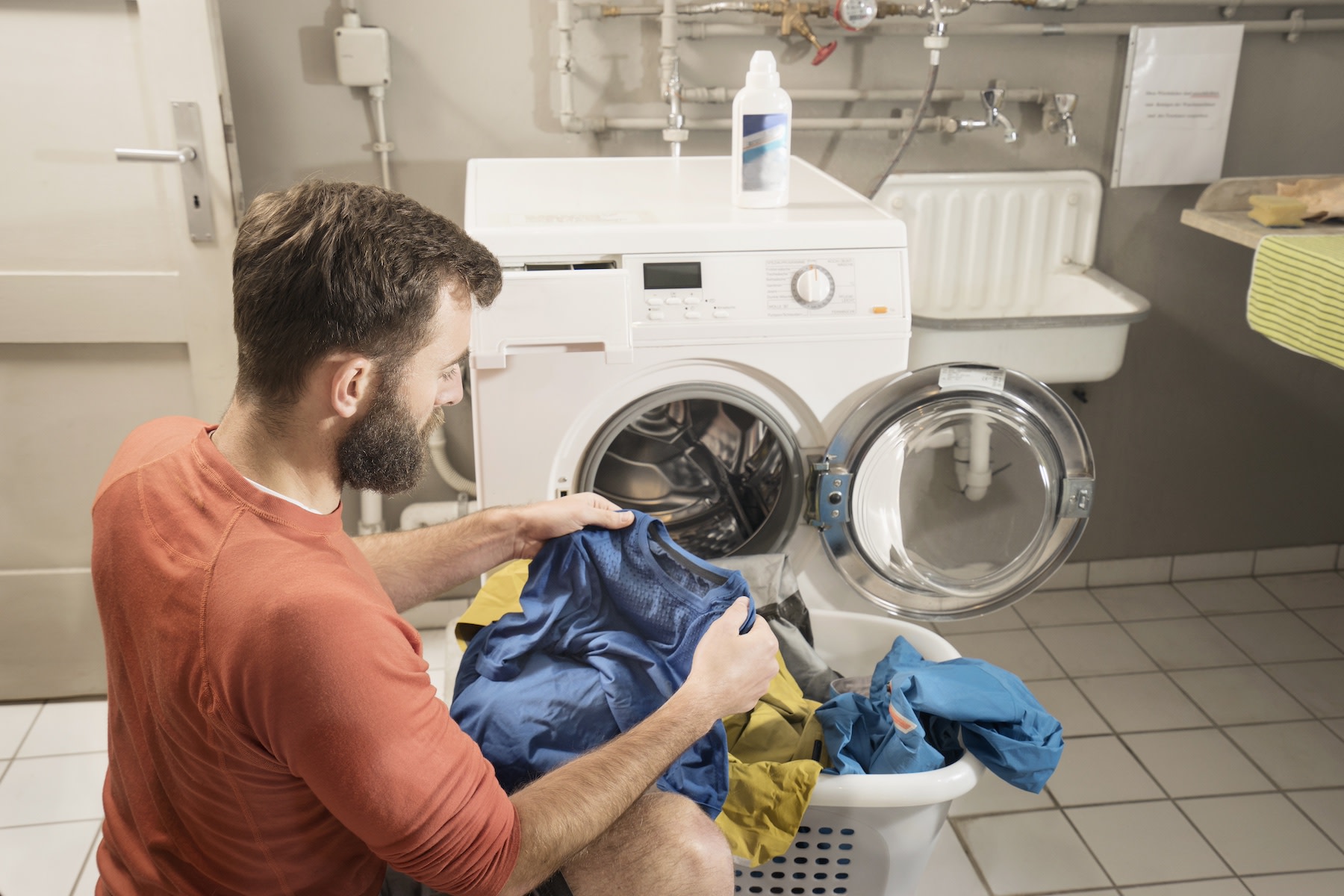
1. Wash Gym Clothes Immediately
The longer sweat and bacteria sit on your gym clothes, the harder they are to clean. Try to wash your workout gear as soon as possible after use. If you can’t wash them right away, let them air dry instead of leaving them in a sweaty pile.
2. Use A Pre-soak
Soaking your gym clothes before washing can help loosen dirt, sweat, and oils. Fill a sink or bucket with warm water and add a small amount of sports detergent or a cup of white vinegar. Let the clothes soak for 30 minutes before washing.
3. Turn Clothes Inside Out
Most of the sweat and bacteria are on the inside of your gym clothes. Turning them inside out before washing helps the detergent reach the dirtiest parts.
4. Choose The Right Detergent
Look for detergents made specifically for athletic wear or odor removal. These products are designed to break down oils and remove bacterial biofilms. Avoid using fabric softener on gym clothes.
5. Wash In Warm Or Hot Water
Hotter water is more effective at killing bacteria and removing oils. Check the care label to see how hot the water can be without damaging the fabric. For most synthetics, a warm wash is safe and effective.
6. Don’t Overload The Washer
Leave enough space for your clothes to move freely in the machine. This allows water and detergent to reach every part of the fabric, helping to remove all the trapped odors.
7. Use An Extra Rinse Cycle
An extra rinse helps remove any remaining detergent or residue, which can trap odors. Many washing machines have this option.
8. Air Dry In The Sun
Sunlight is a natural disinfectant. Hanging your gym clothes outside to dry not only leaves them smelling fresher but also helps kill bacteria with ultraviolet (UV) light.
9. Try Natural Odor Removers
White vinegar and baking soda are both effective at neutralizing odors. Add half a cup of either to your wash cycle. Vinegar helps break down oils and kills bacteria, while baking soda absorbs odors.
10. Avoid Fabric Softeners
As mentioned earlier, fabric softeners can make odor problems worse by coating the fibers. If you want softer clothes, use a small amount of vinegar in the rinse cycle instead.
Comparing Popular Odor Removal Methods
Here’s how some common odor removal methods stack up:
| Method | Effectiveness | Best For | Drawbacks |
|---|---|---|---|
| White Vinegar | High | General odors, bacteria | Strong smell during wash |
| Baking Soda | Moderate | Absorbing smells | Can leave residue |
| Special Detergents | High | Synthetic fabrics | Cost |
| Fabric Softener | Poor | Softness (not odor) | Traps odors |
Advanced Tips For Odor-free Gym Clothes
If you’re still struggling with smelly gym wear, these advanced tips can help:
Deep Clean Periodically
Every few months, give your gym clothes a deep clean. Soak them overnight in a mixture of water, vinegar, and a sports detergent. Then wash as normal. This helps remove built-up oils and bacteria that regular washing can miss.
Use Enzyme Cleaners
Enzyme-based detergents are especially effective for breaking down protein-based stains and odors. These are the same compounds found in sweat. Look for laundry products that mention enzymes on the label.
Wash Separately From Regular Laundry
Washing gym gear with regular clothes can transfer bacteria and odor compounds. Keeping them separate helps prevent cross-contamination and ensures your athletic wear gets the attention it needs.
Dry Thoroughly Before Storing
Never put damp gym clothes in a drawer or gym bag. Make sure they are completely dry to prevent mildew and new odors from forming.
Replace Old Clothes
Sometimes, even the best cleaning won’t remove the smell from old gym clothes. Over time, fabrics can break down and hold onto odors permanently. If you notice certain pieces always smell, it may be time to replace them.
How Sweat, Bacteria, And Detergent Choices Interact
Let’s bring everything together with a closer look at the relationship between sweat, bacteria, and your washing routine.
When you exercise, sweat mixes with bacteria and body oils. These get trapped in the synthetic fibers of gym clothes. If you wash with a standard detergent, especially in cold water, much of the bacteria and oil can stay behind.
Over time, this leads to stubborn odors that are hard to remove.
Using too much detergent or fabric softener can make things worse by leaving behind a film that traps more bacteria. On the other hand, using the right products and methods—such as a sports detergent, warm water, and pre-soaking—can break down the biofilms and oils, making it much easier to remove both the bacteria and the smell.
Real-world Data: Laundry Mistakes And Odor
Research shows that more than half of gym-goers report persistent odors in their workout gear, even after washing. In one survey, 67% of participants said they noticed smells returning within a day of wearing freshly washed clothes. The most common causes were using too little or too much detergent, washing in cold water, and leaving clothes damp for too long.
A lab study found that synthetic athletic fabrics can hold up to 13 times more odor compounds than cotton after washing. This helps explain why regular laundry routines often fail for gym wear.
Non-obvious Insights For Keeping Gym Clothes Fresh
There are a few key points that most beginners don’t realize:
- Detergent residue can actually feed bacteria. Using more detergent than needed can leave behind a film that becomes a food source for odor-causing microbes.
- Laundry machine cleanliness matters. If your washing machine isn’t clean, bacteria can transfer back onto your clothes during the wash cycle. Run a cleaning cycle with hot water and vinegar once a month.
- Gym bag hygiene is important. If you put clean gym clothes into a dirty or damp gym bag, they can pick up odors before you even wear them.
Expert-recommended Products For Fighting Gym Odors
Some products make a real difference in keeping gym clothes odor-free:
- Sports detergents: Brands designed for athletic wear, such as HEX Performance or Win Sports Detergent, are formulated to break down oils and remove bacteria.
- Enzyme boosters: Additives like OxiClean or Biokleen Bac-Out can enhance your regular detergent’s cleaning power.
- Odor sprays: Products such as Febreze Fabric Refresher can be sprayed on gym gear after workouts to neutralize smells until you get home.
When To Seek Professional Help
If you have tried every method and your gym clothes still smell, it could be time to consult a dry cleaner. Professional cleaners have access to stronger chemicals and advanced machines that can remove stubborn odors. However, this is usually only necessary for expensive or hard-to-replace items.
Credit: www.nike.com
Environmental Factors That Affect Gym Clothes Odor
The climate where you live can also make a difference. In humid environments, clothes dry more slowly, giving bacteria extra time to multiply. If you live in a humid place, consider using a dehumidifier or drying your clothes in direct sunlight whenever possible.
Myths About Gym Clothes And Odor
It’s easy to fall for common myths about washing gym clothes. Let’s clear up some of the most popular ones:
- Myth: “More detergent means cleaner clothes.” Fact: Too much detergent can trap odors.
- Myth: “Fabric softener helps remove smell.” Fact: Fabric softener can make odor problems worse for synthetic fabrics.
- Myth: “Any detergent works for gym clothes.” Fact: Regular detergents often fail to remove oils and bacteria from synthetics.
- Myth: “Cold water is always best.” Fact: Warm or hot water is better for removing sweat and bacteria.
The Role Of Proper Storage
Even after washing, how you store your gym clothes matters. Make sure clothes are completely dry before putting them away. Store them in a cool, dry place, and avoid plastic bags or containers that trap moisture. Proper storage helps prevent new odors from developing.
The Future Of Odor-free Gym Clothing
Scientists are working on new fabrics and treatments that resist odors. Some companies now offer gym clothes made with antimicrobial coatings or silver ions to stop bacteria from growing. While these products can help, they still need to be washed properly to stay effective.
For more about the future of odor-resistant textiles, visit Antimicrobial Fabric.
Frequently Asked Questions
How Can I Stop My Gym Clothes From Smelling After Washing?
To prevent odors, wash gym clothes as soon as possible after use, use a sports detergent, wash in warm or hot water, and avoid fabric softeners. Pre-soaking in vinegar or using an extra rinse can also help remove trapped bacteria and oils.
Why Do My Gym Clothes Still Smell After Using Detergent?
Detergent alone may not remove all the oils and bacteria trapped in synthetic fibers. Using too much detergent or washing in cold water can also leave residues that trap odors. Try a sports detergent, pre-soak, and wash in warmer water.
Is It Better To Air Dry Or Machine Dry Gym Clothes?
Air drying in sunlight is often best because UV light helps kill bacteria and remove odors. If you use a dryer, choose a lower heat to avoid damaging synthetic fabrics. Always make sure clothes are completely dry before storing.
Credit: thesteamshop.uk
Can I Use Bleach On Gym Clothes To Remove Odors?
Bleach can damage synthetic fabrics and may not be effective against oils and certain bacteria. Instead, try white vinegar or enzyme-based cleaners for odor removal. Always check care labels before using any strong chemicals.
How Often Should I Replace Gym Clothes?
Replace gym clothes when they have persistent odors that washing can’t remove, or when the fabric becomes worn, stretched, or loses its elasticity. On average, active gym-goers find they need to replace workout gear every several months, depending on usage and care.
Taking these steps will help you keep your gym clothes fresh, comfortable, and odor-free, so you can focus on your workout, not on worrying about smells. By understanding the unique challenges of athletic fabrics, the science of sweat and bacteria, and the best cleaning methods, you can finally solve the problem of smelly gym clothes for good.
