

Why Are Workout Clothes So Expensive? Uncovering the Real Reasons
Why Are Workout Clothes So Expensive
Stepping into any sportswear store or browsing online, you may notice something surprising: workout clothes often cost as much—or more—than regular fashion. A simple pair of leggings or a branded T-shirt can feel shockingly expensive. Many people wonder why. Are these clothes really worth the price, or is it just about the logo?
Understanding the real reasons behind the high price tags can help you make smarter buying choices. This article uncovers every factor that influences the cost of workout clothes, from the materials used to the marketing strategies behind them. If you have ever felt confused at the checkout or thought about buying cheaper options, you are not alone.
Let’s explore what drives up the price, and whether expensive workout clothes are truly better.
The Evolution Of Workout Clothes
Workout clothing is no longer just about comfort or covering up. In the past, people wore simple cotton T-shirts and shorts. Today’s athletic wear is packed with advanced features, stylish designs, and high-tech materials.
Modern workout clothes are designed to do more: they wick away sweat, stretch with your body, keep out odors, and even protect your skin from the sun. The rise of athleisure—clothes that work for both gym and daily life—has pushed brands to combine fashion with function. This shift means more research, better fabrics, and complex designs, all of which add to the cost.
High-performance Materials
One of the main reasons workout clothes are expensive is the use of high-performance fabrics. These materials are different from regular cotton or polyester.
What Makes These Fabrics Special?
- Moisture-wicking: Pulls sweat away from the skin, keeping you dry and comfortable.
- Breathability: Allows air to flow, reducing overheating.
- Four-way stretch: Moves with your body, providing flexibility for yoga, running, or lifting.
- Odor resistance: Some fabrics use silver or other treatments to stop bacteria and bad smells.
- Compression: Offers support and may help muscle recovery.
Producing these fabrics is not simple. For example, making a shirt that wicks moisture and dries quickly can cost much more than making a basic cotton tee. Even the dyes used are often better quality, so the color lasts after many washes.
Cost Of Raw Materials
High-quality synthetic fibers like nylon, spandex, and polyester blends are more expensive to produce than basic cotton. Advanced treatments, such as anti-microbial finishes or UV protection, add another layer of cost.
Some brands use recycled materials, which are eco-friendly but often even pricier to produce. Transforming old plastic bottles into soft, wearable fabric is an expensive process, but it appeals to eco-conscious shoppers.
Example: Comparing Fabric Cost
| Fabric Type | Cost per Meter (Approx.) | Common Use |
|---|---|---|
| Basic Cotton | $2-4 | Casual T-shirts |
| High-Performance Polyester Blend | $8-12 | Activewear Tops |
| Compression Spandex | $15-20 | Leggings, Shorts |
As you can see, advanced fabrics cost much more right from the start.
Research And Development
Top workout brands invest heavily in research and development (R&D). They test new fabrics, study how clothes affect performance, and even use labs to measure sweat, stretch, and temperature control.
Why R&d Adds Cost
- Prototyping: Creating and testing new designs requires many samples.
- Lab testing: Ensures durability, safety, and performance.
- Athlete feedback: Top brands pay athletes to test new gear and give advice.
For example, a company might spend months perfecting a new type of running short. They might test dozens of fabrics, adjust the fit, and run trials with real athletes. All these steps cost money, which is reflected in the final price.
Sustainable And Ethical Production
Many consumers now care about how and where their clothes are made. Brands that focus on sustainable and ethical manufacturing often have higher costs.
What Makes Production Ethical Or Sustainable?
- Fair wages: Paying workers more than the legal minimum.
- Safe factories: Investing in good working conditions.
- Eco-friendly processes: Using less water, reducing waste, or recycling materials.
Producing clothes in countries with strict labor laws or environmental rules is more expensive than in places with lower standards. Some brands are transparent about their factories and even allow you to trace where your clothes were made.
Real Cost Difference
If a brand pays its workers well and uses green energy, the price of each item can be much higher. Yet, many shoppers are willing to pay more for ethical activewear.
Brand Image And Marketing
The logo on your workout shirt or leggings is not just decoration. Brand reputation and marketing play a huge role in pricing.
Building A Premium Image
Top brands spend millions on advertising, celebrity sponsorships, and social media. They create an image of quality, success, and lifestyle. This image can make people feel more confident and motivated when they wear the brand.
The Cost Of Marketing
Sponsoring athletes or running big campaigns is expensive. Brands pass these costs to the buyer. Even the experience in the store—fancy displays, helpful staff, attractive packaging—adds to the price.
Example: Price Difference By Brand
| Product | High-End Brand | Mid-Range Brand | Generic Brand |
|---|---|---|---|
| Running Tights | $90-120 | $40-60 | $20-30 |
| Sports Bra | $50-70 | $25-35 | $10-20 |
Much of the difference is not just about materials, but the brand value.
Design And Functionality
Workout clothes are not just about looks. Good design takes time and skill. Features like flat seams, smart pockets, reflective strips, or laser-cut ventilation panels all add to the complexity.
Smart Features That Cost More
- Seamless construction: Reduces chafing and looks smooth.
- Zipped pockets: For keys or cards, without bouncing.
- Reflective details: For visibility at night.
- Adjustable waists or straps: For a custom fit.
Designers must test and perfect these features, which can slow down production and increase costs.
Limited Production Runs
Unlike fast fashion, many activewear brands do not mass-produce millions of each item. Smaller production runs mean each piece costs more to make.
Why Limited Runs Raise Prices
- Higher per-item cost: Factories charge more for small batches.
- Unique designs: Brands can offer special prints or fits, but these are costly to develop and sell in small numbers.
- Inventory risk: If a style does not sell, the brand loses money.
This is why you might see “limited edition” collections or seasonal colors, all at a premium price.
Quality Control
Expensive workout clothes often go through strict quality control checks. Brands want to avoid returns, bad reviews, or clothes that fall apart after a few washes.
What Quality Control Means
- Fabric checks: Testing for shrinkage, fading, or pilling.
- Stitching tests: Making sure seams stay strong.
- Fit assessments: Ensuring the size is accurate and comfortable.
All these tests cost money, but they help deliver gear that lasts longer.

Credit: www.youtube.com
Supply Chain Complexity
From raw materials to final sale, supply chains for workout clothes can be complex. Sourcing special fabrics, using ethical factories, and shipping products globally all add layers of cost.
Shipping And Logistics
- Import taxes and fees: Especially for special fabrics not made locally.
- Global distribution: Shipping to different countries, managing warehouses.
- Delays and risks: Weather, politics, or supply shortages can raise prices.
Some brands even use local production to avoid these issues, but this often costs more.
The Cost Of Innovation
Innovation is a key driver in the sportswear world. Brands race to offer the next big thing—whether it’s a lighter shoe, an anti-odor shirt, or a smart fabric that changes with temperature.
Examples Of Innovation
- Smart textiles: Fabrics that measure heart rate or body temperature.
- Thermoregulation: Materials that keep you cool or warm as needed.
- Zero-waste design: Patterns that use every bit of fabric.
These innovations require skilled workers, new machines, and lots of testing, all of which push up the price.
Market Demand And Willingness To Pay
People are willing to spend more on workout clothes for several reasons:
- Health and fitness trend: More people see fitness as a lifestyle, not just a hobby.
- Social media influence: Seeing influencers in stylish gear makes people want to buy the same.
- Belief in performance: Many believe higher-priced clothes will improve results.
When demand is high, brands know they can charge more.
The Psychology Of Pricing
Pricing is not just about cost—it’s also about how people see value. Some brands use psychological pricing to make products seem exclusive or high-quality.
Examples Of Pricing Strategies
- Odd pricing: $99 instead of $100 feels cheaper.
- Premium pricing: Setting a high price to signal top quality.
- Bundle deals: Offering a discount if you buy a set.
These strategies make buyers feel they are getting something special, even if the actual cost is not much higher.

Credit: colosseumathletics.com
The Role Of Endorsements And Sponsorships
When you see a famous athlete or celebrity wearing certain workout clothes, it is rarely by accident. Brands pay big money for endorsements.
How This Impacts Price
- Sponsorship fees: Large part of a brand’s marketing budget.
- Limited editions: Special lines with athlete names cost more.
For example, a pair of shoes worn by a popular athlete may sell for double the price of a similar, non-endorsed product.
Packaging And Presentation
Premium workout clothes often come in special packaging—boxes, reusable bags, or with tags that explain the technology inside.
Why Packaging Matters
- Protects the product: During shipping and in-store.
- Adds to the experience: Makes the item feel like a treat.
- Communicates value: Explains the features and benefits.
Better packaging costs more, but it can make you feel like you are buying something high-end.
After-sales Service And Warranties
Some brands offer warranties or generous return policies on their workout clothes. If something goes wrong—like a seam unravels or fabric fails—they may replace or refund the item.
Service Adds Cost
- Customer support teams are needed to handle returns and questions.
- Easy returns mean brands must plan for some losses.
This extra peace of mind is part of what you pay for with a premium brand.
Hidden Costs Most People Miss
- Import/export fees: Some fabrics come from overseas and have high taxes.
- Exchange rates: If a brand buys materials in another currency, price changes can affect costs.
- Licensing fees: Some prints, characters, or collaborations require payment to other companies.
These hidden expenses are rarely discussed but play a real part in the final price.
Comparing Expensive And Cheap Workout Clothes
It can help to see how expensive workout gear compares to cheaper options.
| Feature | Expensive Workout Clothes | Cheap Workout Clothes |
|---|---|---|
| Fabric Quality | High-tech blends, durable, soft | Basic cotton or polyester |
| Fit & Comfort | Tailored, stays in place | Can stretch out, less supportive |
| Special Features | Moisture-wicking, pockets, UV protection | Few or none |
| Longevity | Lasts many washes, holds color | May fade, pill, or lose shape quickly |
| Ethical Production | Often transparent, fair wages | Rarely disclosed |
Are Expensive Workout Clothes Worth It?
This is the big question for many shoppers. The answer depends on your needs, how often you exercise, and what matters most to you.
When It Might Be Worth Paying More
- You work out often: High-quality clothes last longer and feel better.
- You need performance: Runners, athletes, or people in hot climates benefit from advanced features.
- Comfort is important: Better fabrics reduce irritation and fit better.
- You care about ethics: Supporting fair labor and green practices can justify a higher price.
When You Can Save
- You exercise rarely: Basic gear may be enough.
- You don’t need special features: For simple stretching or walking, cheap clothes may do the job.
- You buy secondhand: Many quality items are available at lower prices if you shop used.
Non-obvious Insights Most People Miss
- Brand “drops” create artificial scarcity: Limited editions are often produced in small batches on purpose, driving up demand and price even if the cost to make them is not much higher.
- Not all “performance” features are equal: Some brands add buzzwords like “cooling” or “muscle support” that may have little effect. Always check real reviews or third-party testing.
- Fit can affect motivation: Studies show people are more likely to stick with exercise if they feel good in their workout clothes. The right fit and look can boost your confidence and keep you coming back.
- Technology patents add cost: Some brands pay to use patented fabric tech, which increases the price compared to basic materials.
- Returns and exchanges are built into the price: Brands expect some customers to return items, so they set prices to cover these costs.
How To Shop Smart For Workout Clothes
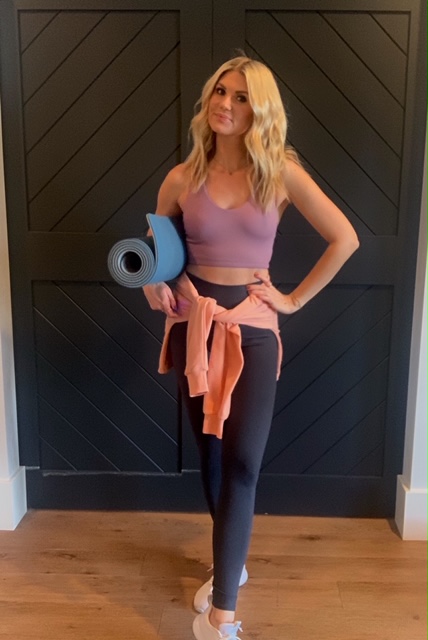
If you want to get the most for your money, here are some practical tips:
- Shop off-season: Buy winter gear in summer or vice versa for lower prices.
- Look for outlet stores: Many brands sell last season’s styles at big discounts.
- Check for multi-packs: Buying sets (like three shirts at once) can be cheaper per item.
- Read real reviews: Focus on feedback about comfort, durability, and fit.
- Try before you buy: If possible, test the fit and feel in-store.
- Look for warranty: Some brands offer free replacements if the item fails early.
Credit: www.twistmepretty.com
The Impact Of Counterfeit And Knock-off Gear
Cheaper versions of popular workout clothes are everywhere, but buying counterfeit gear has risks:
- Lower quality: May look good but fall apart quickly.
- No warranty: If it fails, you lose your money.
- Ethical concerns: Fake products often come from poor working conditions.
Buying from trusted sellers protects you from these problems.
The Future Of Workout Clothing
Expect prices to keep rising as brands compete on technology and sustainability. Smart fabrics, recycled materials, and ethical production will continue to drive costs. However, as technology spreads, more affordable options may appear with time.
For those who want the latest features or care about how their clothes are made, investing in quality brands makes sense. For occasional exercisers, affordable options are still widely available.
Frequently Asked Questions
Why Do Some Workout Clothes Cost More Than Regular Clothes?
Workout clothes often use advanced fabrics, special designs, and go through extra testing. Brands also spend more on marketing, ethical production, and innovation, all of which increase the price compared to regular clothes.
Are Expensive Workout Clothes Really Better For Exercise?
In many cases, yes. Premium workout gear offers better comfort, durability, and features like moisture-wicking or compression. However, for light exercise or infrequent use, cheaper options can be enough.
Can I Find Good-quality Workout Clothes Without Paying High Prices?
Yes, you can. Shop during sales, look for outlet stores, or buy last season’s styles. Reading reviews and checking fabric details can help you find quality even at lower prices.
Why Do Brands Make Limited Edition Workout Clothes?
Limited editions create scarcity and excitement, making people want to buy quickly. These small production runs cost more and add to the brand’s premium image, which is reflected in the price.
Is It Worth Paying More For Sustainable Workout Clothes?
If you care about the environment and fair labor, it can be worth it. Sustainable brands use better processes and pay workers fairly, but these choices cost more. For more details, you can explore resources like Fashion Revolution.
Choosing workout clothes is about more than just price. Understanding the real reasons behind the cost can help you make the right choice for your lifestyle, values, and budget. Whether you decide to invest in premium gear or go for affordable options, being informed puts you in control.
