

Why Are Gym Clothes Tight? The Science Behind the Snug Fit
Why Are Gym Clothes Tight
If you walk into any gym, you’ll notice something right away: most people are wearing tight gym clothes. From compression leggings to body-hugging tops, this fitted style has become the norm. But have you ever wondered why gym clothes are so tight, and whether this trend has any real reasons behind it? It’s not just about looking good. There are scientific, practical, and even psychological reasons why tight gym wear dominates the fitness world.
Let’s explore all the key factors that explain why gym clothes are tight, how this impacts performance and comfort, and what to consider if you’re buying your next set of workout gear.
The Science Behind Tight Gym Clothes
Tight gym clothes are not just a fashion statement. They are designed with functionality in mind. The science comes down to how our bodies move, sweat, and recover during exercise.
Muscle Support And Compression
One of the main reasons gym clothes are tight is to offer muscle support. Compression wear gently squeezes the muscles, holding them firmly. This isn’t just a random design choice—it helps to:
- Reduce muscle vibration during high-impact exercises like running or jumping.
- Minimize micro-tears in muscle fibers, which can reduce post-workout soreness.
- Improve blood circulation, which helps transport oxygen to muscles.
Research shows that athletes who wear compression gear may experience less muscle fatigue and faster recovery. This is especially true for endurance sports like running or cycling.
Moisture Management
Tight gym clothes are usually made from synthetic fabrics like polyester, nylon, or spandex. These materials are excellent at wicking sweat away from your skin. Fitted clothing keeps the fabric close, so moisture is quickly pulled off the body and evaporates. Loose clothes can trap sweat, making you feel sticky and uncomfortable.
Reduced Chafing And Friction
During exercise, especially repetitive movements, loose clothes can rub against the skin and cause chafing. Tight gym wear eliminates excess fabric, reducing the risk of irritation in sensitive areas like underarms, thighs, and inner legs. Less friction means fewer distractions and injuries.
Improved Range Of Motion
Fitted gym clothes stretch with your body. This means you can perform deep squats, lunges, or stretches without fabric bunching up or getting in the way. The combination of elasticity and tightness gives you freedom to move naturally.
Performance Benefits Of Tight Gym Clothing
Tight gym wear can actually boost athletic performance in several ways. Here’s how:
Enhanced Proprioception
Proprioception is your body’s sense of where it is in space. Compression clothes offer gentle pressure, which helps your brain “feel” your limbs more clearly. This can improve balance, coordination, and technique during complex movements.
Aerodynamic Advantage
In sports like cycling or running, air resistance (drag) can slow you down. Tight gym clothes create a smooth surface, allowing air to flow easily around your body. Even a small reduction in drag can make a difference in speed.
Stability And Injury Prevention
Compression wear supports joints and muscles, which can help prevent injuries. For example, compression sleeves around knees or elbows add extra stability during heavy lifting or plyometric exercises.
Temperature Regulation
By keeping sweat off your skin and fitting closely, tight clothes can help regulate body temperature. You’re less likely to overheat or get chilled, especially during intense workouts.
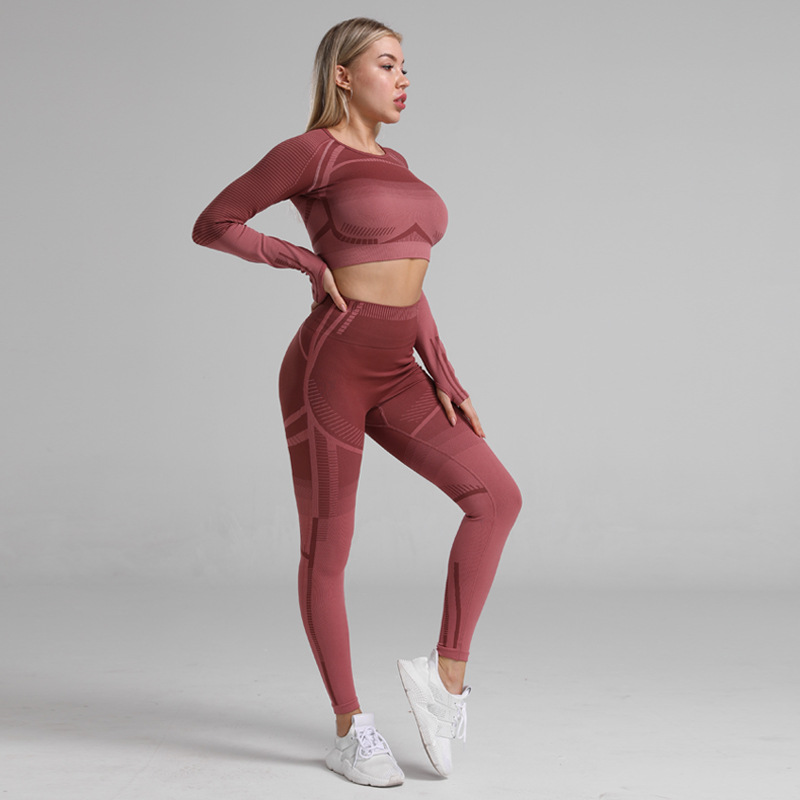
Credit: www.ebay.com
Psychological Factors: Confidence And Motivation
The benefits of tight gym clothes go beyond physical performance. They can also impact your mental state at the gym.
Body Awareness
Tight clothes highlight your body’s shape and posture. This makes it easier to check your form in the mirror, helping you correct movements and avoid injuries. You can see muscles working and spot areas for improvement.
Motivation Boost
Many people feel more confident and motivated when they wear gym clothes that fit well. The snug fit can make you feel “ready” for exercise, similar to how a uniform prepares an athlete for competition. Feeling good in your gym outfit can increase your willingness to work out harder and more often.
Social Influence
There’s a social aspect too. Seeing others in fitted gym wear can create a positive group dynamic. You might feel inspired to match the gym environment and “look the part,” which can add to your motivation.
The Evolution Of Gym Fashion
Gym clothes were not always tight. In the past, people wore baggy shorts, loose t-shirts, or even cotton sweatpants to exercise. So, what changed?
Advances In Fabric Technology
Modern gym clothes use high-performance materials like spandex, lycra, and advanced polyester blends. These fabrics are naturally elastic, lightweight, and quick-drying. Their properties work best when they fit snugly, which is why designers create tighter cuts.
Influence Of Professional Athletes
Athletes in sports like cycling, gymnastics, or swimming have long worn tight uniforms for performance reasons. As these sports became popular and images spread through media, the fitted look moved into mainstream fitness.
Rise Of Athleisure
Over time, tight gym wear became part of everyday fashion. The athleisure trend blends gym style with casual wear, so people wear leggings or compression tops outside the gym too. This helped normalize the look and feel of tight workout clothes.

Credit: www.nytimes.com
Health And Safety Considerations
While there are many benefits to tight gym clothes, it’s important to use them correctly. Here’s what you should know:
Not All Compression Is Equal
There’s a difference between compression wear and just “tight” clothing. True compression gear is designed to apply even pressure without cutting off circulation. Regular clothes that are too tight can restrict movement, cause discomfort, or even interfere with blood flow.
Hygiene Matters
Tight gym clothes that hold sweat against your skin for too long can increase the risk of skin issues, like rashes or fungal infections. It’s important to change out of sweaty clothes soon after exercising and wash your gear regularly.
Listening To Your Body
If your gym clothes feel too restrictive, pinch, or leave marks, they may be too tight. This can cause numbness, tingling, or even digestive problems. Always choose gear that supports but doesn’t squeeze uncomfortably.
Comparing Tight Vs. Loose Gym Clothing
To help you understand the real differences, here’s a direct comparison of tight and loose gym wear in key areas:
| Feature | Tight Gym Clothes | Loose Gym Clothes |
|---|---|---|
| Muscle Support | High | Low |
| Moisture Wicking | Excellent | Variable |
| Range of Motion | Unrestricted | May bunch up |
| Chafing Risk | Low | Higher |
| Temperature Control | Good | Less efficient |
| Style/Fashion | Trendy | Casual/Classic |
Key Materials Used In Tight Gym Clothes
The materials used in tight gym wear play a crucial role. Here are the most common ones and why they matter:
Polyester
Polyester is lightweight, durable, and wicks moisture well. It holds its shape, making it ideal for compression leggings and fitted tops.
Spandex (elastane/lycra)
Spandex is known for its extreme stretch. It allows gym clothes to move with your body and return to their original shape. Most tight gym wear contains at least 10-20% spandex for flexibility.
Nylon
Nylon is smooth, strong, and dries quickly. It’s often blended with spandex for a soft yet snug fit.
Blends
Many gym clothes are made from blends, combining the best features of each fabric. For example, a polyester-spandex blend offers both moisture management and stretch.
Cotton (rare In Tight Gym Wear)
Cotton is breathable but holds moisture. It’s not used much in tight gym gear because it gets heavy with sweat. However, sometimes a small amount is added for softness.
Gender Differences In Tight Gym Wear
Men and women both wear tight gym clothes, but there are some differences in style, fit, and purpose.
Women’s Tight Gym Wear
- Leggings: Probably the most popular, offering full coverage and flexibility.
- Sports bras: Provide support during high-impact activities.
- Compression shorts: Used for running, cycling, or gym workouts.
- Fitted tops: Help with layering and temperature control.
Men’s Tight Gym Wear
- Compression shorts: Often worn under loose shorts for muscle support.
- Compression shirts: Used for running, weightlifting, or as a base layer.
- Tights/Leggings: Worn for running or under shorts in colder weather.
- Base layers: Offer warmth and moisture management.
Women’s gym wear often focuses on both style and function, with many color and pattern choices. Men’s tight gym wear tends to emphasize support and performance.
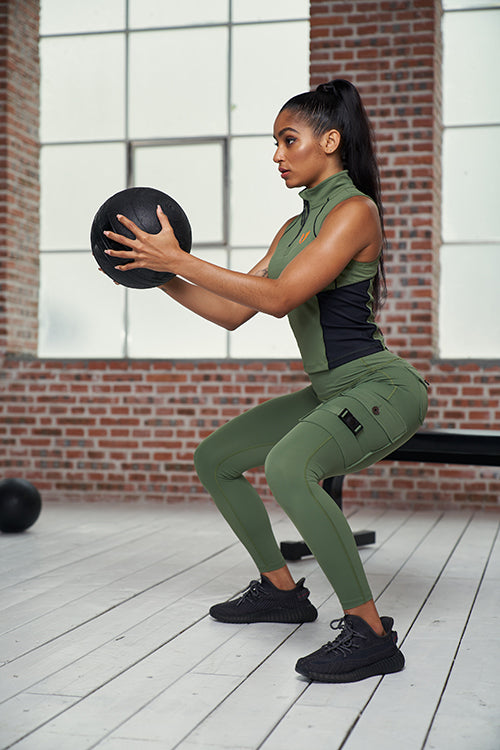
Credit: www.firmabs.com
Practical Advice: Choosing The Right Fit
Not all tight gym clothes are created equal. Here’s how to choose what’s right for you:
- Purpose: Pick compression gear for running, cycling, or heavy lifting. For yoga or pilates, choose fitted but stretchy clothes that allow free movement.
- Comfort: Look for clothes that hug but don’t squeeze. You should be able to move easily and breathe without restriction.
- Material: Check the label for polyester, spandex, or nylon blends. Avoid 100% cotton for intense workouts.
- Length: Choose shorts, capris, or full-length leggings depending on your workout and climate.
- Stitching: Flat seams reduce chafing and irritation.
- Try On: Move around in the changing room. Do squats, stretches, or arm swings to test the fit.
- Size Up if Needed: If you’re between sizes, go for the larger one. Clothes that are too tight can be uncomfortable or even harmful.
Common Mistakes When Wearing Tight Gym Clothes
Beginners often make these mistakes with tight gym wear:
1. Choosing Clothes That Are Too Tight
Clothes should support, not restrict. If you can’t move freely or see marks on your skin, go up a size.
2. Wearing Tight Clothes For The Wrong Activities
Not every workout needs compression. For example, loose clothing may be better for gentle stretching or dance.
3. Ignoring Fabric Quality
Cheap materials may lose their stretch or become see-through with wear. Invest in quality brands for durability and comfort.
4. Keeping Wet Clothes On
After a sweaty workout, change out of tight gym clothes quickly to avoid skin problems.
5. Not Washing Clothes Properly
Tight gym wear needs special care. Wash in cold water, avoid fabric softeners, and air dry to keep elasticity and fit.
The Role Of Trends And Media
Tight gym clothes are not just about performance—they are also influenced by trends and media.
Influence Of Social Media
Fitness influencers, athletes, and celebrities often post photos and videos in fitted gym outfits. This sets fashion trends and encourages more people to try tight gym wear.
Brand Marketing
Brands like Nike, Adidas, and Lululemon design and promote fitted gym clothes, emphasizing their benefits for both style and performance. Their advertising often highlights athletes and models, creating demand for similar looks.
Pop Culture
Movies, TV shows, and music videos often feature characters in tight gym wear, making the style more popular outside the gym.
When Not To Wear Tight Gym Clothes
There are times when tight gym wear isn’t the best choice:
- If you have certain skin conditions (like eczema or psoriasis), tight clothing can make symptoms worse.
- Pregnant women may need looser, more comfortable workout gear.
- After surgery or injury, consult a doctor before wearing compression wear.
- For relaxation activities like yoga nidra or meditation, loose, soft clothes may be more comfortable.
Listen to your body and choose what feels right for your workout and health needs.
Practical Examples: Real-life Scenarios
Let’s look at how tight gym clothes help in different activities.
Running
Tight shorts or leggings reduce muscle oscillation (vibration), which improves efficiency and comfort. Moisture-wicking fabric keeps sweat away, preventing chafing.
Weightlifting
Compression shirts and pants offer support and help you check your form in the mirror. They don’t get caught on equipment or restrict movement.
Yoga
Fitted leggings and tops stay in place during complex poses. No more worrying about a shirt riding up or pants slipping down.
Cycling
Tight jerseys and shorts reduce drag, wick sweat, and prevent saddle sores. Padded inserts in cycling shorts add comfort for long rides.
Group Fitness Or Dance
Tight clothes let instructors see your form, so they can help correct your technique. Plus, you feel more confident moving freely.
Data: Market Growth Of Tight Gym Wear
The popularity of tight gym clothes is not just visible in gyms—it’s reflected in sales figures. The global activewear market has seen significant growth, driven by demand for high-performance, fitted clothing. According to a report from Grand View Research, the market for compression and shapewear is expanding rapidly, especially among younger consumers and athletes.
Here’s a simple breakdown:
| Segment | Growth Trend | Key Driver |
|---|---|---|
| Compression Wear | High | Sports Performance |
| Leggings | Very High | Athleisure Trend |
| Loose Gym Wear | Stable | Comfort Preference |
This data shows that demand for tight gym wear is growing faster than loose alternatives, especially in younger, fitness-focused populations.
Are There Any Downsides?
While tight gym clothes offer many benefits, they are not perfect for everyone. Here are a few potential downsides to keep in mind:
- Overheating: In hot climates or intense workouts, very tight clothes may feel warm.
- Circulation Issues: If compression is too strong, it can restrict blood flow.
- Body Image Pressure: Some people may feel self-conscious in tight gym wear, especially if they are new to exercise or have body image concerns.
- Allergic Reactions: Synthetic materials can cause skin irritation for some users.
These issues can usually be avoided by choosing the right size, quality materials, and listening to your body.
How To Care For Tight Gym Clothes
To keep your gym wear in good shape:
- Wash after each use: Sweat can break down fibers and cause odors.
- Use cold water: Hot water can damage elastic fibers.
- Avoid fabric softeners: They can coat fibers and reduce moisture wicking.
- Air dry: High heat from dryers can ruin stretch and fit.
- Store flat or folded: Hanging can stretch out tight clothes over time.
These tips will help your tight gym wear last longer and perform better.
The Future Of Tight Gym Clothes
The trend toward fitted gym wear shows no sign of slowing down. Innovations in fabric technology continue to improve comfort, performance, and sustainability. For example, some brands now use recycled materials or add antibacterial treatments to gym wear.
We can expect to see even smarter fabrics, personalized fits, and a wider range of sizes and styles for all body types. Tight gym clothes are here to stay, evolving with the needs and preferences of fitness lovers around the world.
Frequently Asked Questions
Why Are Gym Clothes Usually Made To Be Tight?
Tight gym clothes support muscles, improve movement, and help manage sweat. The fitted design reduces chafing, boosts performance, and is made possible by advanced elastic fabrics.
Is It Better To Wear Tight Or Loose Gym Clothes?
It depends on the activity. Tight gym wear offers muscle support and moisture control, ideal for running or weightlifting. Loose clothes may be more comfortable for stretching or relaxation exercises.
Can Tight Gym Clothes Cause Any Health Problems?
Wearing clothes that are too tight can restrict blood flow, cause skin irritation, or lead to hygiene issues if not changed after sweating. Always choose the correct fit and quality materials.
Are Tight Gym Clothes Suitable For All Body Types?
Yes, tight gym wear comes in many sizes and styles. The key is finding the right fit for your body. Many brands now offer inclusive sizing for all shapes.
Where Can I Learn More About The Benefits Of Compression Clothing?
You can read more about the science behind compression wear on the Wikipedia page for compression garments.
Gym clothes are tight for good reasons: they combine science, comfort, and style to help you get the most from every workout. Whether you’re an athlete or a beginner, understanding the benefits can help you choose the best gear for your fitness journey.
