

Why Are Gym Clothes So Tight? The Science Behind the Fit
Why Are Gym Clothes So Tight
Walk into any gym, and you’ll see a common trend: tight gym clothes everywhere. From leggings that hug every curve to fitted compression shirts, athletic wear today seems to be designed for a second-skin fit. This is not just a matter of fashion or showing off muscles. There are practical, scientific, and even psychological reasons behind this preference for snug workout attire.
If you’ve ever wondered why tight gym clothes are so popular, you’re not alone. Many people—especially those new to fitness—find the trend puzzling or even uncomfortable. But once you understand the real reasons, you might look at your workout wardrobe in a whole new way. This article breaks down every aspect of tight gym clothes: from their performance benefits to their social impact, and even the risks of wearing them incorrectly. By the end, you’ll know exactly why your gym shorts or top hug you so closely—and whether that’s a good thing for your own fitness journey.
The Science Behind Tight Gym Clothes
Enhanced Muscle Support
One of the main reasons gym clothes are tight is to give muscle support. Compression fabrics gently squeeze your muscles, reducing vibration as you move. This support can:
- Decrease muscle fatigue by minimizing unnecessary movement
- Help muscles recover faster by improving blood flow
- Reduce soreness after intense exercise
Sports scientists have found that compression wear may help athletes keep their muscles “fresh” during long workouts. For example, runners often report less delayed onset muscle soreness when wearing snug leggings or sleeves.
Improved Blood Circulation
Tight gym clothes can also help your circulation. The compression effect pushes blood back toward the heart, which:
- Delivers more oxygen to your muscles
- Removes waste products (like lactic acid) more quickly
- Reduces risk of swelling or pooling in the limbs
Improved circulation is especially important for endurance athletes or anyone doing high-intensity training. Better blood flow means more energy and less tiredness during and after workouts.
Better Sweat Management
Modern tight gym clothes use advanced, moisture-wicking fabrics. These materials pull sweat away from your skin and spread it across the surface of the fabric, where it can evaporate quickly. This keeps you:
- Cooler during intense exercise
- Drier and more comfortable
- Less likely to get chafing or skin irritation
Loose clothes made from cotton or other non-technical fabrics can trap sweat, making you feel heavy, sticky, and uncomfortable. Tight, technical gym wear solves this problem.
Body Temperature Regulation
Tight gym clothes help you maintain the right body temperature. By hugging the skin, they trap a thin layer of air close to your body. This air acts as insulation, keeping you:
- Warm during cold-weather workouts
- Cool when you sweat, as moisture evaporates quickly
For outdoor athletes or people training in extreme conditions, this temperature control can make a big difference in performance and safety.
Performance Benefits In Different Sports
Running And Cardio
Runners and cardio fans often choose tight clothing for several reasons:
- Reduces wind resistance (important for outdoor running)
- Prevents chafing from repetitive motion
- Keeps you feeling light and unrestricted
A study on track athletes found that tight clothing improved sprint times slightly by reducing drag and muscle vibration. Even small gains can matter for competitive athletes.
Weightlifting And Crossfit
In strength sports, tight gym clothes help in unique ways:
- Allow you to see your form clearly, so you can fix mistakes
- Prevent loose fabric from getting caught on equipment
- Offer slight joint support (especially with compression sleeves)
Many lifters also feel more “in touch” with their bodies when wearing fitted gear, making it easier to focus on technique and muscle engagement.
Yoga And Pilates
These disciplines require flexibility and precise movement. Tight clothing:
- Moves with your body, so you aren’t distracted by shifting fabric
- Lets instructors check your alignment and posture
- Helps you feel every stretch and contraction
Yoga leggings and fitted tops are now the norm, both for comfort and practical reasons.
Team Sports
Soccer, basketball, volleyball, and other team sports use tight base layers under uniforms for:
- Temperature control (especially in cold or hot weather)
- Muscle support to reduce injury risk
- Wicking away sweat during intense games
These base layers are usually worn under looser uniforms, combining the best of both worlds.

Credit: www.nytimes.com
Fashion, Confidence, And Social Factors
The Rise Of Athleisure
The “athleisure” trend—wearing gym clothes as everyday outfits—has made tight athletic wear a fashion statement. Brands create clothes that:
- Flatter your figure with strategic stitching and fabric placement
- Come in a variety of colors and designs
- Look good both in the gym and on the street
People now wear leggings, fitted joggers, and snug tops for shopping, traveling, or even work. This has made tight gym clothes part of mainstream style.
Confidence And Body Awareness
Many people say they feel more confident in tight gym clothes. Seeing your body’s lines and muscles can be motivating, especially as you get fitter. It’s not just about showing off; it’s about:
- Tracking progress in the mirror
- Feeling proud of your hard work
- Staying focused on your goals
Some beginners worry about feeling self-conscious in tight clothing. But over time, many find that fitted gym wear helps them accept and appreciate their bodies, no matter their shape or size.
Social And Group Influence
Gym culture often encourages fitted clothing. When everyone else in a class or gym wears snug gear, newcomers often follow the trend to fit in. This can create a positive feedback loop, where tight clothes become the “uniform” of fitness enthusiasts.
However, there’s also pressure to wear certain brands or styles to be seen as serious about fitness. It’s important to choose clothes that make you comfortable and confident—not just what others expect.
Practical Reasons For Tight Fits
Safety And Injury Prevention
Loose clothing can be dangerous during certain workouts. For example:
- Baggy shirts can get caught on weights or gym machines
- Long, loose pants might trip you during running or cycling
- Flapping fabric can distract you or block your view
Tight gym clothes minimize these risks, letting you move freely and safely.
Ease Of Movement
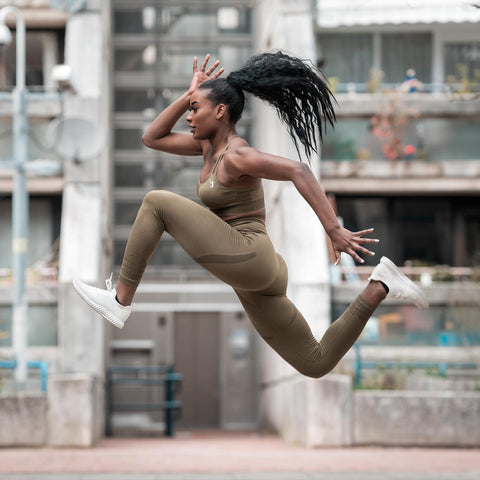
Modern tight gym clothes use stretchy fabrics like spandex or Lycra. These materials move with your body, so you can:
- Stretch, bend, or jump without restriction
- Avoid extra weight or resistance from bulky clothes
- Perform complex exercises (like burpees or yoga poses) easily
This freedom of movement is a big reason why athletes prefer tight gear.
Durability And Maintenance
Tight athletic wear is designed to handle tough workouts. Compression fabrics are:
- Resistant to stretching out or losing shape
- Easy to wash and dry quickly
- Less likely to rip or tear compared to loose, casual clothes
This makes them a smart choice for people who train regularly.
The Role Of Fabric Technology
Types Of Fabrics Used
Most tight gym clothes use a blend of synthetic fibers:
- Polyester: Lightweight, quick-drying, and durable
- Spandex (Lycra, elastane): Highly stretchy and form-fitting
- Nylon: Smooth, strong, and abrasion-resistant
These fabrics are often combined for the best balance of comfort, support, and performance.
Moisture-wicking And Antimicrobial Properties
Advanced gym wear features moisture-wicking technology to keep you dry. Some brands add antimicrobial treatments to prevent odor and bacteria buildup. This is especially important for tight clothes, which sit close to your skin for hours.
Breathability And Comfort
Tight doesn’t have to mean uncomfortable. High-quality gym clothes use:
- Mesh panels in sweaty areas for extra airflow
- Flat seams to prevent chafing
- Soft, stretchy waistbands and cuffs
The goal is a “barely there” feel, so you can focus on your workout, not your clothes.
Gender Differences In Tight Gym Wear
Women’s Gym Clothes
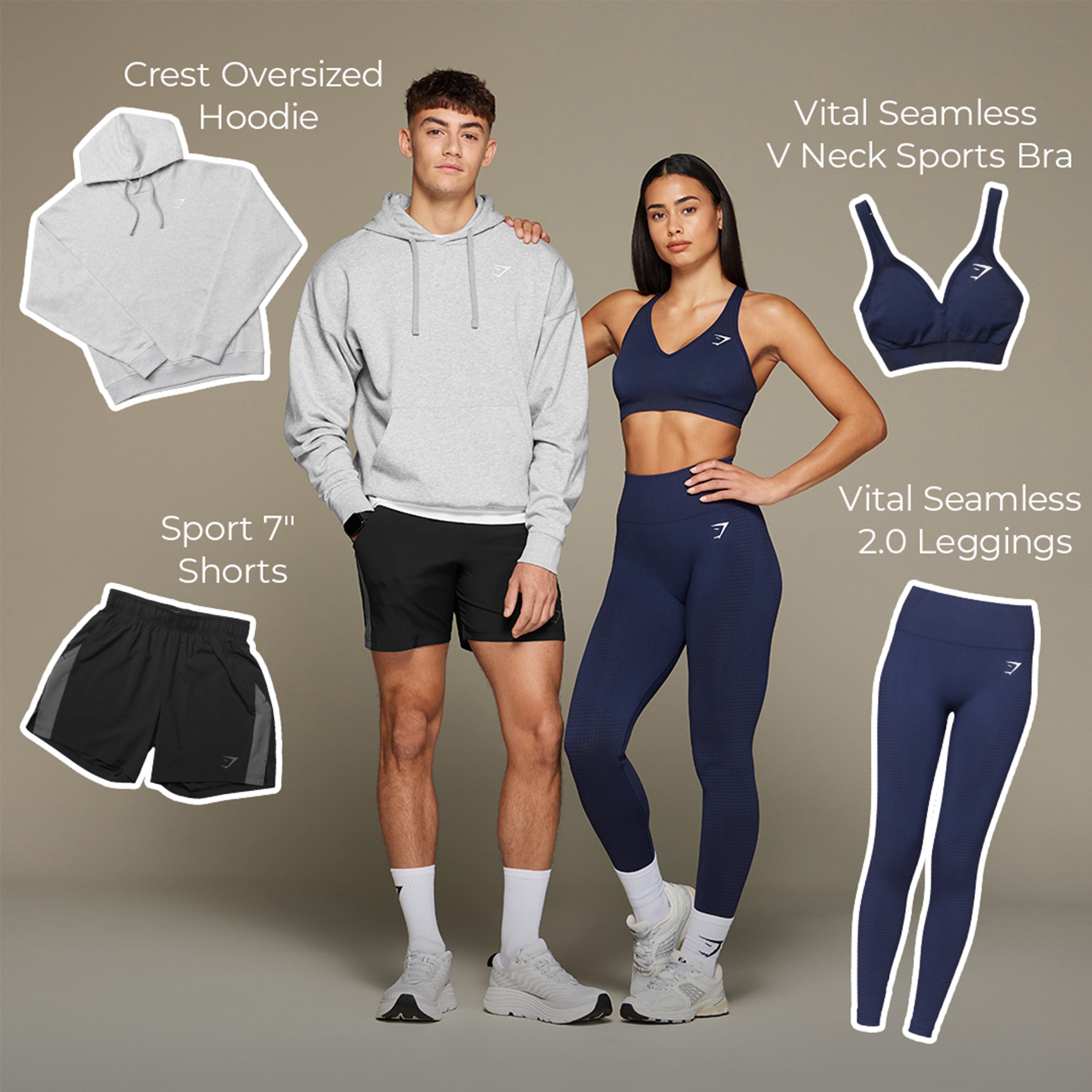
For women, tight leggings, sports bras, and fitted tops are standard. These clothes:
- Support the chest and lower body during high-impact moves
- Highlight the waist and hips (which many women prefer)
- Come in a wide range of styles, from basic black to bold patterns
Brands often use body-mapping technology to design clothes that support female anatomy.
Men’s Gym Clothes
Men wear tight compression shirts, shorts, and base layers. These pieces:
- Show off muscle definition (which some men enjoy)
- Prevent thigh chafing during running or cycling
- Add support to the core and upper body
Men’s gym wear is usually simpler in design, but the same principles apply: performance, support, and comfort.
Unisex And Inclusive Options
There’s growing demand for unisex gym clothes that suit all bodies. Some brands now offer fitted gear in a range of cuts and sizes, so everyone can find a comfortable, supportive fit.
Health Considerations And Risks
When Tight Is Too Tight
Wearing gym clothes that are too tight can cause problems:
- Restricted blood flow or numbness in limbs
- Skin irritation or rashes from trapped sweat
- Difficulty breathing during intense cardio
It’s important to choose the right size and fit for your body. If you feel pain, tingling, or discomfort, your clothes are probably too small.
Hygiene And Skin Health
Tight gym wear can trap sweat and bacteria against your skin. To avoid problems:
- Change out of workout clothes as soon as possible
- Wash gym wear after every use
- Look for antimicrobial fabrics if you sweat a lot
Ignoring hygiene can lead to fungal infections or acne, especially in areas where clothes are tightest.
Special Considerations For Certain People
People with certain medical conditions (such as poor circulation or skin sensitivities) should be careful with compression wear. Always consult a doctor if you have concerns about wearing tight gym clothes.
How To Choose The Right Tight Gym Clothes
Fit And Sizing
Look for clothes that are snug but not restrictive. You should be able to move, breathe, and stretch without pain. Try these tips:
- Check the size chart for each brand—sizes can vary a lot.
- Move around in the fitting room: Squat, raise your arms, twist your torso.
- Choose a size up if you’re between sizes or if you prefer a less compressive feel.
Fabric Quality
Invest in high-quality, technical fabrics. Cheaper materials may lose their stretch, become see-through, or cause skin irritation over time. Look for:
- Four-way stretch (moves in all directions)
- Flat seams
- Moisture-wicking and breathable construction
Style And Comfort
Pick styles that make you feel good. Some people prefer high-waisted leggings for coverage, while others like shorts or cropped tops. Try different options until you find what’s right for your body and workout style.
Price Vs. Value
Good gym clothes can be expensive, but they often last longer and perform better. Consider your budget, but don’t sacrifice comfort or safety for a lower price.
Credit: www.gymwear.co.uk
Comparison: Tight Gym Clothes Vs. Loose Gym Clothes
To better understand the differences, here’s a comparison of tight and loose gym clothes:
| Feature | Tight Gym Clothes | Loose Gym Clothes |
|---|---|---|
| Muscle Support | Excellent | Minimal |
| Movement Restriction | Low (if fitted correctly) | Sometimes high (fabric may get in the way) |
| Chafing Risk | Lower (if seams are flat) | Higher (fabric may rub skin) |
| Style | Body-hugging, modern | Relaxed, classic |
| Temperature Control | Better | Less effective |
| Safety | Fewer snags or trips | Risk of catching on equipment |
Global Trends In Tight Gym Clothing
Popularity By Region
The tight gym wear trend isn’t the same everywhere. In some cultures, modesty is more important, so looser clothing is preferred. However, in many Western countries, tight athletic wear is widely accepted.
| Region | Preference | Common Styles |
|---|---|---|
| North America | Mostly tight | Leggings, compression tops, fitted shorts |
| Europe | Mixed | Leggings, capri pants, fitted tops |
| Asia | Varied, often looser | Joggers, loose t-shirts, modest leggings |
| Middle East | Mostly loose | Long pants, loose tops, layering |
Influences From Social Media And Celebrities
Social media has played a huge role in making tight gym clothes popular. Fitness influencers and celebrities often post workout photos in fitted gear. This trend has encouraged more people to try snug styles, even outside the gym.
Common Myths About Tight Gym Clothes
Myth 1: Tight Gym Clothes Are Only For Fit People
Many believe that you need a “perfect” body to wear tight gym clothes. This is not true. Technical athletic wear is designed for all shapes and sizes. Brands now offer inclusive sizing, and many people of every body type wear fitted gym gear for comfort and performance.
Myth 2: Tight Gym Clothes Always Improve Performance
While compression can help, it’s not a magic solution. If your clothes are uncomfortable or too tight, they can hurt your performance. The key is proper fit and high-quality materials.
Myth 3: Tight Clothes Are Just For Showing Off
Some think fitted gym wear is only about looks. In reality, most people choose them for practical reasons: support, comfort, and function. Feeling confident is a bonus, but it’s not the main reason.
Myth 4: All Tight Clothes Are The Same
There’s a big difference between cheap, tight clothes and well-designed athletic wear. Quality gym clothes use advanced fabrics and ergonomic designs for comfort and performance.
Non-obvious Insights Most Beginners Miss
Layering With Tight Gym Clothes
Many athletes layer tight base layers under looser outerwear. This allows you to get the muscle support and sweat-wicking benefits of fitted clothes, while also adjusting for modesty, temperature, or style.
The Psychological Boost Of Tight Gym Wear
Some studies suggest that wearing fitted gym clothes can create a “mental readiness” effect. When you put on your gear, you signal to your brain that it’s time to focus and perform. This is similar to how uniforms help athletes get in the zone.
How To Care For Tight Gym Clothes
Washing Tips
Tight athletic wear needs special care:
- Wash in cold water to protect elasticity
- Avoid fabric softeners, which can break down technical fibers
- Hang dry or use a low-heat setting
Storage And Longevity
Store gym clothes flat or folded to prevent stretching. Avoid leaving them damp in a gym bag, which can cause bacteria to grow.
When To Replace Your Tight Gym Clothes
Watch for signs that your gym wear needs to be replaced:
- Loss of stretch or shape
- See-through fabric when stretched
- Persistent odors, even after washing
- Visible rips or thinning areas
Quality gym clothes can last for many months or even years with proper care.
Credit: www.gymshark.com
Are Tight Gym Clothes Right For You?
The answer depends on your personal comfort, workout style, and fitness goals. For most people, tight athletic wear offers real benefits—better support, less chafing, and improved performance. But it’s not the only option. Try different fits and fabrics to find what works best for your body and your lifestyle.
If you have any health concerns or unique needs, talk to a fitness professional or doctor. Remember, the right gym clothes are the ones that help you feel confident, safe, and ready to move.
For more in-depth information about the effects of compression clothing, check out this Compression Garment article.
Frequently Asked Questions
Why Do Gym Clothes Need To Be So Tight?
Tight gym clothes provide muscle support, improve blood flow, and help with sweat management. They also reduce risks of chafing and injuries by keeping fabric close to the body, allowing for more natural movement during exercise.
Is It Bad To Wear Gym Clothes That Are Too Tight?
Yes, wearing gym clothes that are too tight can restrict blood flow, cause numbness, and lead to skin problems. It’s important to choose a fit that is snug but not uncomfortable or painful.
Can Tight Gym Clothes Help With Weight Loss?
Tight gym clothes do not directly cause weight loss. However, they may help you feel more confident and motivated to work out, which can contribute to a healthier lifestyle over time.
How Do I Know If My Gym Clothes Fit Correctly?
Properly fitting gym clothes should be snug but not restrictive. You should be able to move, stretch, and breathe easily. If you notice red marks, discomfort, or restricted movement, the fit is likely too tight.
Do Men And Women Need Different Types Of Tight Gym Clothes?
Men and women often have different needs when it comes to gym wear. Women might need more support in areas like the chest and hips, while men may prefer compression in the upper body and legs. Many brands now offer a range of fits for different body types.
Tight gym clothes are more than a fashion choice—they’re the result of scientific research, athlete feedback, and evolving social trends. Whether you choose snug leggings or prefer looser shorts, understanding the reasons behind tight athletic wear can help you make smarter choices for your workouts and your confidence.
