

Why Are Gym Clothes So Expensive? Unveiling the Real Reasons
Why Are Gym Clothes So Expensive
If you’ve ever browsed the athletic wear section of a store, you’ve likely wondered: why are gym clothes so expensive? A pair of leggings can cost as much as a month’s gym membership. Branded t-shirts, sports bras, or shorts often come with price tags that surprise even regular athletes. Yet, millions still buy these products every year. Is it just the brand name, or is there more behind the cost?
Understanding the reasons behind high gym clothes prices can save you money and help you make smarter choices. This article breaks down every factor that pushes up gym apparel costs, from fabric science to marketing. Whether you’re a casual jogger or a gym enthusiast, you’ll see what you’re really paying for—and where you might find better value.
The Science Behind Technical Fabrics
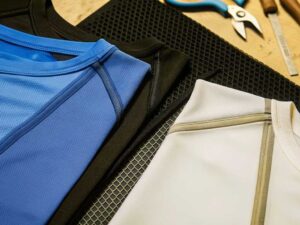
Gym clothes are not like regular t-shirts or shorts. They use technical fabrics designed for performance, comfort, and durability. These materials are more expensive to create and test.
Moisture-wicking fabrics, for example, move sweat away from your body to help you stay dry. This requires special blends of polyester, nylon, and sometimes even bamboo or merino wool. Creating these blends is a precise process. The fibers are engineered to be light but strong, soft but durable.
Another feature is breathability. Fabrics are often woven or knit to let air pass through while holding their shape. Some brands use mesh panels in key areas. These add cost because they require extra stitching and fabric types.
Compression technology is also common in premium gym wear. Compression helps improve blood flow, reduce muscle fatigue, and support recovery. The fabric must stretch evenly and snap back to its original shape after each use. Achieving this balance is difficult, and the yarns used can be much more expensive than regular cotton.
Antimicrobial treatments are sometimes added to prevent odor. This involves special chemical finishes that can withstand many washes. These treatments add another layer of cost.
For example, a simple polyester t-shirt may cost just a few dollars to make, but a high-quality gym shirt with moisture-wicking, compression, and antimicrobial properties can cost three to five times more to produce.
Research, Development, And Testing
Top athletic brands invest heavily in research and development (R&D). Creating a new line of gym clothes often starts in a lab, not a factory.
First, companies study athlete needs. They might measure heat loss in runners or track how fabric moves with the body. Designers work with engineers to create prototypes. Each prototype is tested by real athletes for comfort, performance, and durability.
Testing is often intense. Clothes are washed and stretched hundreds of times to check for color fading, pilling, or loss of shape. If a fabric fails, it’s sent back to the drawing board. Some brands also use motion capture technology to see how clothes fit during different exercises.
This R&D process can take months or even years. The cost of testing, failed attempts, and final approval is built into the price of each item. Brands justify higher prices by pointing to this investment in innovation.
Quality Of Construction And Durability
A big reason gym clothes cost more is how they’re made. Construction quality is higher than most everyday clothing.
Flatlock seams are a common feature. These seams lie flat against your skin, reducing chafing during movement. Making flatlock seams is slower and more expensive than standard sewing. It also requires skilled workers and specialized machines.
Reinforced stitching is another sign of quality. Areas that receive a lot of stress—like the seat of leggings or the straps of a sports bra—are often double-stitched or taped. This keeps the clothes from tearing during intense workouts.
Stretch and recovery are tested many times during production. If a pair of leggings loses its shape after a few wears, it’s not suitable for athletes. This means only the best batches of fabric are used, and there’s more waste in the process.
High-quality gym clothes often last longer and keep their shape after many washes. Cheaper alternatives may look similar at first, but they often pill, stretch out, or fade quickly.
Brand Value And Perception
People pay more for certain brands, even when similar products are available for less. This is the power of brand value.
Leading gym wear brands have spent decades building trust. When you buy their products, you’re also buying their reputation for quality, innovation, and style. Logos become a status symbol in some fitness communities. For many, wearing a certain brand feels like joining an elite group.
Brands also invest heavily in advertising and sponsorships. Top athletes and influencers are paid to wear and promote these clothes. These marketing costs are significant and are reflected in the retail price.
But there’s a psychological side, too. People often believe that a higher price means higher quality, even when the difference is small. Brands use premium pricing strategies to reinforce this perception.
Credit: modaknits.com
Ethical Manufacturing And Sustainability
More consumers now care about where and how their gym clothes are made. Ethical manufacturing and sustainable materials add cost but are important to many buyers.
Brands that pay fair wages, provide safe working conditions, and avoid sweatshops naturally have higher production costs. Certifications like Fair Trade or WRAP require audits and regular checks.
Sustainable materials like recycled polyester, organic cotton, or TENCEL cost more than conventional options. The process for recycling plastic bottles into yarn or growing organic cotton without pesticides is more expensive and time-consuming.
Some brands use less water, reduce chemical dyes, or recycle old clothes into new products. These green initiatives require investment in new technology and processes. While you may pay more at checkout, you’re supporting better practices for the planet and workers.
Small Production Runs And Limited Editions
Unlike mass-produced t-shirts, many gym wear lines are made in small batches. Limited editions or seasonal styles are common.
Small production runs mean higher costs per item. Factories give better pricing for large orders because they can run machines longer without changes. When brands produce only a few hundred or a few thousand pieces, they pay more for each one.
Limited editions also create a sense of urgency. People are willing to pay more for something unique or exclusive. Brands use this strategy to build hype and test new ideas without risking unsold inventory.
Design And Innovation
Fashion plays a big role in gym clothes prices. Design is not just about colors and logos—it’s about fit, comfort, and performance.
Designers experiment with new cuts and patterns. For example, seamless leggings require special knitting machines and complex software. Creating a flattering fit for all body types is not easy and often involves many prototypes.
Features like hidden pockets, adjustable waistbands, or convertible straps add complexity. Each extra feature means more design time, more testing, and more production steps.
Some brands even collaborate with famous designers or celebrities, pushing prices higher due to the extra attention and demand.
Supply Chain And Logistics
The journey from factory to store is complex. Supply chain costs add up at every step.
Raw materials are sourced from different countries. Fabrics are shipped to factories for cutting and sewing. Finished clothes move to warehouses, then to stores or direct to customers. Each link in this chain has costs: shipping fees, import duties, warehouse storage, and distribution.
Delays or disruptions—like bad weather or strikes—can increase these costs. Brands often build in extra margins to cover unexpected expenses.
Inventory management is also expensive. Brands must guess how many of each size and color will sell. Unsold items may be discounted, donated, or destroyed. The cost of these mistakes is spread across all products.

Credit: colosseumathletics.com
Retail Markups
When you buy gym clothes in a store or online, you’re not just paying for the item. Retail markups are a major factor.
A typical retail markup for gym wear can be 50% to 100%. If it costs $20 to make a pair of leggings, they might sell for $40 to $60. This covers the store’s rent, staff, marketing, and risk of unsold inventory.
Online retailers may have lower overhead but still mark up prices to cover customer service, returns, and shipping.
Some brands sell direct-to-consumer (DTC) to avoid some markups. But even DTC brands need to cover packaging, advertising, and website costs.
Here’s a simplified comparison of price build-up from manufacturing to retail:
| Cost Component | Typical Share of Final Price |
|---|---|
| Material & Labor | 30% |
| R&D & Testing | 10% |
| Logistics & Distribution | 15% |
| Branding & Marketing | 15% |
| Retailer Markup | 30% |
This breakdown shows that what you pay covers much more than just the fabric and sewing.
Special Features And Customization
Premium gym clothes often have features you won’t find in regular clothing. These include:
- UV protection: Some fabrics block harmful sun rays, protecting your skin during outdoor workouts.
- Water resistance: Useful for running in rain or intense sweating.
- Reflective details: Improves safety during early morning or evening exercise.
- Custom fits: Brands may offer petite, tall, or plus sizes that require extra design and inventory planning.
Adding these features requires more materials, testing, and often custom machinery. The more specialized the feature, the higher the cost.
The Cost Of Innovation And Patents
Some gym wear brands hold patents on their technology. For example, they might patent a special fabric weave or a unique pocket design. Developing and protecting these innovations costs money.
Competitors cannot legally copy patented features, so the brand can charge more for exclusive benefits. The cost of filing and defending patents is built into the product price.
Influencer Culture And Social Media
Social media has transformed how gym clothes are marketed and sold. Influencer partnerships are now a major cost driver.
Brands send free products to fitness influencers or pay them for sponsored posts. If a top influencer wears a new style, demand can skyrocket overnight. This marketing method is expensive but effective.
Influencer-led trends also mean brands must update styles quickly. Fast design cycles and new releases add pressure to the production process, increasing costs.
Credit: twistedsifter.com
Global Sourcing And Fluctuating Costs
Many athletic wear brands source materials and labor from different countries. The price of raw materials like polyester or cotton can change quickly. Currency exchange rates, trade tariffs, and shipping fees all affect final costs.
If oil prices rise, synthetic fabrics become more expensive. If a country raises wages, factory costs increase. Brands must adapt to these changes, sometimes raising prices to maintain profit.
Here’s how costs can change across countries:
| Country | Labor Cost (per hour) | Typical Factory Standards |
|---|---|---|
| Bangladesh | $1-2 | Basic |
| Vietnam | $2-4 | Moderate |
| USA | $15-20 | High |
| Italy | $18-25 | Luxury |
A brand using factories in the USA or Europe will have higher costs than one sourcing from Asia, but may offer better quality and working conditions.
Psychological Pricing And Perceived Value
How much would you pay for a workout shirt if you thought it made you perform better? Perceived value is a powerful force.
Brands use pricing to suggest quality. A $70 pair of leggings feels more “premium” than a $20 pair, even if the difference is small. Shoppers often believe expensive products are more durable, stylish, or comfortable.
Special packaging, in-store displays, and limited releases all play into this psychology. You’re not just buying fabric—you’re buying a story, an experience, and sometimes a boost in motivation.
Hidden Costs: Returns, Exchanges, And Customer Service
Unlike regular clothing, gym wear is often bought online, where fit and feel are hard to judge. Returns and exchanges are common, especially with fitted items like leggings or sports bras.
Handling returns is expensive. Brands must inspect, clean, and sometimes resell or recycle returned items. Customer service teams handle questions and complaints. Fast shipping and free returns are now expected by buyers.
All these services add cost, which is covered by slightly higher prices for every item.
Packaging And Presentation
High-end gym clothes often arrive in premium packaging—recyclable boxes, tissue paper, or branded bags. This packaging protects the product and creates a memorable “unboxing” experience for the customer.
Brands invest in packaging to stand out and reinforce their luxury image. These extras may seem small, but they add up, especially for eco-friendly or custom designs.
The “athleisure” Trend
Gym wear is now worn outside the gym—at coffee shops, offices, or on weekends. This athleisure trend pushes brands to create styles that look good anywhere, not just during a workout.
Designing clothes that fit both fashion and fitness needs is harder. It requires better materials, more attention to detail, and often higher costs. As gym wear replaces jeans or dresses for many people, brands invest more in design and marketing to capture this broader market.
The Impact Of Counterfeits
High prices for gym clothes have led to a rise in counterfeit products. These knock-offs copy popular styles but use lower-quality materials and poor construction.
Authentic brands must protect their designs with legal action and anti-counterfeit technology, such as QR codes or special tags. These actions add cost and are reflected in the retail price.
Transparency And Traceability
Some modern brands share the entire story of their products: where the fabric came from, who made it, and how much each step cost. This transparency appeals to consumers who want to make ethical choices.
Collecting, verifying, and sharing this data requires investment in technology and staff. Brands that are open about their supply chains often charge more, but customers are willing to pay for peace of mind.
How To Find Value In Gym Clothes
With so many factors affecting price, is it possible to find affordable, high-quality gym clothes? Yes, but it requires attention.
- Check fabric labels: Look for technical features you need, not just brand names.
- Buy off-season: Prices drop when new collections arrive.
- Consider direct-to-consumer brands: They may offer better value by cutting out middlemen.
- Watch for sales or outlet stores: Even top brands offer deals.
- Read real user reviews: Focus on durability and comfort, not just looks.
- Try before you buy: If possible, test fit and feel in-store.
Many premium features are worth it if you use your gym clothes often. But for casual use, mid-range options can provide similar comfort and style without the high price tag.
Are Expensive Gym Clothes Worth It?
Only you can decide what’s right for your budget and needs. For some, the performance, durability, and style of premium gym wear justify the price. For others, less expensive options work just fine.
What’s clear is that many hidden factors drive up the cost of gym clothes. From advanced fabrics and ethical manufacturing to branding and logistics, each part adds value in different ways.
Understanding these reasons helps you make informed choices, whether you’re investing in top-tier gear or seeking quality on a budget. The next time you see a high price tag, you’ll know what’s behind it—and where your money is going.
Frequently Asked Questions
Why Do Some Gym Clothes Cost Much More Than Others?
The price difference often comes from fabric technology, brand reputation, and where and how the clothes are made. Premium brands invest in research, ethical factories, and advanced materials, which all raise costs.
Are Expensive Gym Clothes Really Better For Workouts?
Often, yes. High-end gym wear usually offers better moisture control, comfort, and durability. However, for casual workouts, mid-range options may be enough. It depends on your activity level and personal preference.
What Features Make Gym Clothes More Expensive?
Special features like moisture-wicking fabric, compression technology, flatlock seams, antimicrobial treatments, and UV protection can increase the cost. Design extras—like hidden pockets or reflective details—also add to the price.
How Can I Save Money When Buying Gym Clothes?
Look for sales, outlet stores, or direct-to-consumer brands. Check for technical features you need, not just big brand names. Buying off-season or reading user reviews can also help you find value.
Where Can I Learn More About Ethical Gym Wear Brands?
For a deeper look at ethical brands and sustainable practices, see the guide from the Good On You project, which rates brands on their impact.
Whether you’re after performance or just a great look, knowing why gym clothes are so expensive helps you shop smarter. Choose what fits your needs—and your budget—confidently.
