

Why Are Flare Leggings Forbidden? The Real Reason Explained
Why Are Flare Leggings Forbidden
Flare leggings have become a style favorite for many people who love comfort and trendy looks. You will see them in yoga studios, on city streets, and all over social media. So, it surprises many people when they hear that flare leggings are sometimes forbidden in schools, gyms, or workplaces. Why would anyone ban a piece of clothing that seems so simple and popular? The answer is not just about fashion—it connects to safety, rules, and even how people see each other.
Understanding why these leggings are not allowed in certain places is important for students, workers, and parents. It’s not always easy to find clear information, and many people have questions. Are flare leggings unsafe? Are they seen as too casual?
Or is it just about following a dress code? By looking at the reasons, misunderstandings, and the wider impact of these bans, we can see the full picture.
This article explores the different reasons why flare leggings are forbidden in some settings. We will look at school policies, workplace rules, safety concerns, and even cultural expectations. You will also find advice for choosing the right clothes for different situations.
If you ever wondered why these stylish pants cause so much debate, keep reading for a detailed answer.
What Are Flare Leggings?
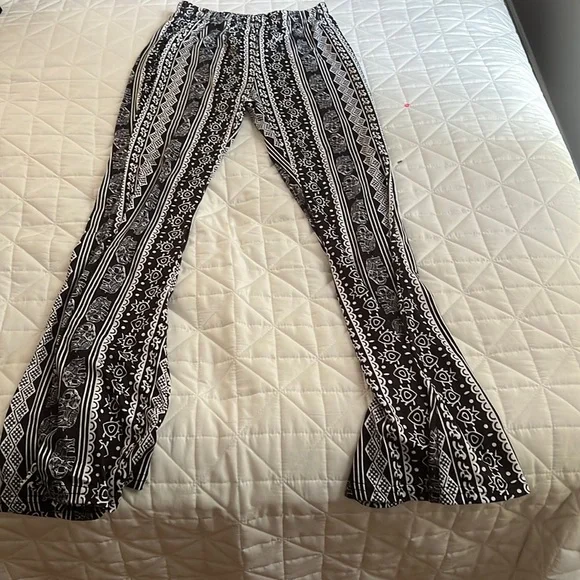
Before we dive into the reasons for bans, it helps to know what flare leggings are. Flare leggings are a style of stretchy pants that fit tightly around the hips and thighs but become wider below the knee. The bottom of the legs “flare” out, giving a bell-shaped appearance.
These leggings are often made from soft, flexible materials like cotton, spandex, or polyester blends. They are comfortable and allow for easy movement, which makes them popular for sports, yoga, dance, and everyday wear. The main difference between regular leggings and flare leggings is that regular leggings stay tight all the way down the leg, while flare leggings become wider at the ankle.
Where Are Flare Leggings Forbidden?
Flare leggings are not banned everywhere. In fact, in many places, they are completely acceptable. But there are some environments where rules are strict. Here are the most common places where flare leggings might be forbidden:
- Schools: Many schools have dress codes that do not allow flare leggings.
- Gyms and Fitness Studios: Some athletic centers have uniform or safety policies.
- Workplaces: Offices, factories, and certain jobs may restrict this style.
- Public Events: Some events or venues have strict dress codes.
- Religious or Cultural Settings: Some places of worship or communities have rules about modesty.
Let’s look deeper into why these rules exist.
School Dress Codes: Why Flare Leggings Are Not Allowed
One of the most common places you will find a ban on flare leggings is in schools. Many students are surprised to see these pants on the “do not wear” list. But the reasons are more complex than just style.
Safety Concerns
Some schools worry about safety. The flare at the bottom of the leggings can catch on things like desks, chairs, or stairs. In busy hallways, wide-legged pants can also be a tripping hazard, both for the person wearing them and others nearby.
For example, a group of students in a science lab must follow strict clothing rules. The flare could brush against chemicals, open flames, or equipment. In gym class, wide pants can get caught on sports equipment, leading to falls or injuries.
Modesty And Distraction
Many schools use dress codes to encourage modesty and prevent clothing that could be seen as distracting. While flare leggings are not as revealing as some other styles, they are often made from tight, body-hugging materials. Combined with the eye-catching flare, some teachers and administrators believe they draw too much attention.
This concern is especially common in schools that try to avoid any clothing that might cause students to focus more on fashion than learning. Some dress codes even group all leggings together, not just flared styles, but flare leggings are sometimes seen as especially noticeable.
Uniformity And Equality
Another reason is to create a feeling of uniformity. If everyone dresses in a similar way, there is less pressure to follow fashion trends or show off expensive brands. Flare leggings, especially branded or designer ones, can make some students feel left out if they cannot afford the latest styles.
To avoid these issues, some schools choose to ban all leggings, or specifically flare leggings, from their dress code.
Real-world Example
In one large public school district, the dress code said: “Pants must not have flared legs, excessive width, or drag on the floor.” The reason given was to prevent tripping and to keep a neat appearance. Some parents disagreed, but the school stood by its rules, showing that these bans are not random.
Workplace Policies And Flare Leggings
In the workplace, the rules about flare leggings depend on the type of job and the company culture. Some jobs are very relaxed about clothing, while others have strict rules.
Safety In Industrial Or Active Jobs
For jobs that involve machines, moving parts, or physical work, wide-legged pants are often forbidden. The flare can get caught in machinery, doors, or moving objects. This is a serious safety risk.
Here’s a comparison of clothing safety in different workplace settings:
| Workplace Type | Allowed Clothing | Forbidden Clothing | Reason |
|---|---|---|---|
| Office | Business attire, neat casual | Ripped jeans, workout clothes | Professional appearance |
| Factory | Fitted pants, uniforms | Flare leggings, wide pants | Machine safety |
| Retail | Uniforms, fitted pants | Baggy or flared pants | Trip hazard |
In these jobs, even a small risk of injury is taken seriously. Companies do not want to pay for accidents that could have been avoided.
Professional Image
In offices or customer-facing jobs, the reason for banning flare leggings is usually about image. Many businesses want employees to look neat and professional. Flare leggings, especially those made from soft, stretchy materials, are seen as too casual. They might look more like gym wear than office attire.
Some companies allow leggings if worn with long tops or under dresses. But flare leggings often look too relaxed for a business setting. In some high-end stores or hotels, staff are given a uniform to make sure everyone looks similar and polished.
Dress Code Policies
A typical office dress code might say: “Leggings are not permitted unless covered by a dress or skirt that reaches the knees. Pants should be tailored and should not flare excessively.”
This type of rule is not just about leggings, but it affects anyone who prefers the comfort and style of flared pants.
Gym And Fitness Center Rules
It might seem strange, but even gyms and yoga studios sometimes ban flare leggings. Why?
Safety During Exercise
During certain exercises, especially those that use machines, loose or flared pants can be a risk. For example, when using a treadmill or bike, the flare can get caught in moving parts, leading to a fall or injury.
Yoga instructors might ask students to wear tighter pants, especially in group classes, so the teacher can see body alignment and prevent injuries. Some dance studios require leggings or fitted pants for the same reason.
Cleanliness
Gyms are careful about cleanliness. Flare leggings that drag on the floor can pick up dirt and germs, which is a problem in shared spaces. This is especially true in areas like locker rooms or mats.
Uniformity In Group Classes
Some group classes, such as dance teams or cheerleading, require everyone to wear the same style. Flare leggings might not match the uniform look, so they are not allowed.
Cultural And Religious Settings
Dress codes are not just about safety or professionalism. In some cultural or religious settings, the rules are based on tradition and modesty.
Modesty Rules
Many religious places ask visitors to dress modestly. Clothes that are too tight or bring extra attention to the body—like flare leggings—may not be allowed. For example, in some temples, mosques, or churches, all leggings are discouraged, and skirts or loose pants are preferred.
Respect For Tradition
In some communities, traditional clothing is expected for special events or ceremonies. Flare leggings might be seen as too modern or informal. Even if they are comfortable, they may not fit the expected style.

Credit: www.tjbystre.cz
Public Events And Venues
Large public events—concerts, theaters, or formal gatherings—often have dress codes. Here’s how flare leggings fit in.
Formality And Theme
If an event is formal, organizers may not allow any type of leggings, including flared ones. The goal is to create a certain look or mood. For example, some theaters have rules like, “No sportswear, leggings, or casual trousers allowed.
”
In these settings, flare leggings are seen as too casual and not fitting the event theme.
Safety In Crowds
In crowded events, clothes that flare out can be a problem. They might get stepped on, caught in seats, or cause someone to trip. For safety, some venues ask for fitted clothing only.
Common Arguments For And Against Flare Legging Bans
The rules around flare leggings are not always popular. Here are the main arguments on both sides.
Reasons People Support The Ban
- Safety: Prevents tripping, catching on machines, or dragging on the floor.
- Professionalism: Keeps a neat, uniform appearance.
- Modesty: Avoids clothing that is too tight or draws attention.
- Equality: Reduces pressure to follow trends or buy expensive brands.
Reasons People Disagree With The Ban
- Comfort: Flare leggings are very comfortable and easy to move in.
- Expression: Clothing is a way to show personality and style.
- Unfair Targeting: Some feel the rules focus more on girls’ clothing.
- No Evidence: Some say there is little proof that flare leggings cause real problems.
The Psychology Of Dress Codes
Dress codes are about more than just clothes. They send a message about what is important in a place. Schools want to focus on learning. Workplaces want to look professional. Gyms want to stay safe and clean. But these rules can also affect how people feel about themselves.
For example, strict bans can make students feel judged for their bodies or clothing choices. In workplaces, rules that are too strict can hurt morale. On the other hand, clear rules can help people feel safe and respected.
Data On Dress Code Violations
Studies show that dress code violations are a common reason for student discipline in schools. In one survey, over 60% of high school students said they knew someone who had been sent home or punished for breaking the dress code. Leggings, including flare styles, were one of the most common reasons.
Another study found that in workplaces with a formal dress code, over 25% of managers said they had to speak to employees about inappropriate pants or leggings at least once a month.
These numbers show that the rules around flare leggings are not just theoretical—they affect real people every day.
Comparing Flare Leggings To Other Pants
It helps to see how flare leggings compare to other common pant styles in terms of safety, professionalism, and comfort.
| Pant Style | Safety | Professionalism | Comfort |
|---|---|---|---|
| Flare Leggings | Medium (trip risk) | Low (too casual) | High |
| Skinny Jeans | High | Medium | Medium |
| Dress Pants | High | High | Medium |
| Joggers | Medium | Low | High |
This comparison shows why some organizations prefer fitted pants over flare leggings.
Non-obvious Insights About Flare Legging Bans
Many people do not realize that flare leggings bans are sometimes based on outdated rules. For example, some dress codes were written when only wide, dragging pants were popular. Today’s flare leggings are often shorter and do not always touch the floor, but the rules have not changed.
Another hidden reason is insurance policies. Some companies and schools have insurance that requires them to ban any clothing that could increase the risk of injury, even if the risk is small. This is rarely explained to students or workers.
What To Do If Flare Leggings Are Forbidden
If you find out that you cannot wear flare leggings at your school or job, you still have options.
- Check the Rules Carefully: Sometimes, the ban is only for certain days (like gym class) or in special areas (like science labs).
- Ask About Exceptions: Some places allow flare leggings if they do not drag on the floor or if you wear them with a long top.
- Choose Similar Styles: Try fitted leggings or straight-leg pants made from the same comfortable material.
- Talk to Decision Makers: If you feel the rule is unfair, gather information and respectfully ask for a change.
- Plan Ahead: Always have a backup outfit in case you need to change.
The Impact On Fashion And Self-expression
Bans on flare leggings can affect how people feel about themselves. For many, clothing is not just about covering the body—it is a way to show personality and feel confident. When certain styles are forbidden, it can feel like a loss of freedom.
However, dress codes are also meant to protect or guide a group. Finding the balance between self-expression and safety or professionalism is not always easy. This is why flare leggings continue to be a topic of debate.

Credit: www.laborkreis.de
Are Flare Leggings Really More Dangerous?
Some experts say that the risk of flare leggings is sometimes overstated. For example, a study of high school injuries found that most accidents were caused by loose shoelaces or untied sneakers, not pants. However, in workplaces with dangerous equipment, even a small risk from clothing is enough to justify a ban.
This shows that rules about flare leggings are often about reducing risk as much as possible, not just responding to real problems.
How To Choose Pants For Any Setting
If you want to avoid dress code problems, here are some tips for choosing pants for different places:
- School: Look for fitted pants or leggings. Check if the dress code allows flare leggings.
- Gym: Pick leggings that are fitted at the ankle. Avoid anything that could catch on equipment.
- Work: Choose pants that look neat and professional. If in doubt, go for dress pants or tailored trousers.
- Events: Check the invitation or website for dress code rules before you go.
- Religious or Cultural Places: Opt for loose, modest pants or a long skirt.
Real-life Stories
One college student shared, “I wore flare leggings to class because they were comfortable. But my school’s rules said no flared pants, so I had to go home and change. It was embarrassing, but now I always check the rules first.
”
In another case, a gym member said, “I wore flare leggings to the gym and almost got the hem caught in the pedal of a bike. After that, I understood why they have the rule. ”
Stories like these show that dress codes are not just about rules—they affect real experiences.
How Brands Respond To Flare Legging Bans
Some clothing brands have noticed the bans and now make leggings that look like flare styles but are more fitted at the bottom. They market these as “school-safe” or “work-approved. ” This shows that fashion and rules can influence each other.
Some brands also offer customization, allowing customers to pick the length or width of the flare. This helps people follow rules while still enjoying their favorite styles.
Credit: poshmark.com
Flare Leggings And Gender
Many dress codes seem to focus more on what girls can wear. Flare leggings are mostly worn by women and girls, so bans often affect them more than boys. Some students and parents feel this is unfair. They argue that dress codes should be equal for everyone.
There are ongoing debates about whether dress codes support equality or reinforce stereotypes. This is something schools and workplaces are starting to pay more attention to.
The Future Of Flare Legging Policies
Dress codes change over time. As fashion changes and people speak up, some schools and companies are updating their rules. Others stick to tradition, especially if safety is a concern.
If you want to see change, the best approach is to join with others, share your views respectfully, and offer solutions. For example, suggesting that flare leggings be allowed if they do not drag on the ground.
Expert Advice
If you are not sure if flare leggings are allowed, here’s what experts suggest:
- Read the Dress Code: Most schools and companies post their rules online.
- Ask for Clarification: If the rules are not clear, ask a teacher, boss, or HR department.
- Be Prepared to Adapt: Fashion trends come and go, but some rules stay the same.
For more advice on dress codes and fashion, you can visit trusted resources like Wikipedia’s Dress Code page.
Frequently Asked Questions
Why Do Schools Ban Flare Leggings But Allow Skinny Jeans?
Schools often focus on safety and modesty. Flare leggings can pose a tripping risk if they are too wide or long, while skinny jeans fit tightly and do not drag on the ground. Some schools also think flare leggings draw more attention, while jeans are seen as more neutral.
Are Flare Leggings Really Dangerous In The Gym?
Yes, they can be, especially around machines with moving parts. The flare can get caught and cause injuries. Most gyms prefer fitted pants for safety reasons, but for activities like yoga or pilates, the risk is lower if the leggings do not drag on the floor.
Can I Wear Flare Leggings To Work If I Style Them Professionally?
It depends on your workplace. Some offices allow flare leggings if they are styled with a long blouse or blazer and look neat. Others have strict rules against any leggings, no matter how they are styled. Always check your company’s dress code.
Is Banning Flare Leggings A Form Of Discrimination?
Some people believe that banning flare leggings unfairly targets women, since these pants are mostly worn by girls and women. Others say the rules are about safety or professionalism, not gender. If you feel a rule is unfair, you can respectfully raise the issue with your school or workplace.
What Are Good Alternatives To Flare Leggings For School Or Work?
Try straight-leg pants, skinny jeans, or fitted leggings with a long top. These styles are usually accepted by most dress codes and offer similar comfort without the problems flare leggings can cause.
Flare leggings have a special place in fashion, but not always in every setting. Understanding the reasons behind the bans helps you make better choices—and avoid surprises. Whether you agree with the rules or not, being prepared is always in style.
