

Who Should Not Wear Leggings: Essential Style Rules to Know
Leggings are everywhere today—at the gym, at home, at work, and even at special events. People love them because they are soft, flexible, and easy to wear with almost anything. For many, leggings are the most comfortable item in their closet.
But, believe it or not, leggings are not for everyone, or at least not for every situation. If you have ever wondered, “Should I wear leggings? ” or “Is there a time when leggings are a bad idea? ”, you are not alone.
This article looks closely at who should not wear leggings and why. It will help you understand when leggings might not be the best choice for health, style, or comfort. You will also find tips and practical advice to help you make smart decisions about wearing leggings.
This way, you can feel confident and avoid common mistakes that many people make.
Health Reasons To Avoid Leggings
You may think leggings are always a safe and easy choice. However, there are some health reasons why leggings are not right for everyone. These reasons may not be obvious, but they are important to consider.
Skin Conditions
People with sensitive skin or certain skin conditions should be careful. Leggings are usually made from stretchy, tight materials. They can trap sweat and heat close to the skin. This can make problems like eczema, psoriasis, or contact dermatitis worse. If you already have rashes or skin irritation, leggings may cause more itching or discomfort.
Some fabrics also contain chemicals or dyes that can trigger allergic reactions. For people with allergies, wearing leggings can lead to redness or hives. If you notice your skin getting worse after wearing leggings, try switching to loose, natural fabrics or see a doctor.
Prone To Yeast Infections
Leggings are tight and do not allow your skin to breathe easily. This creates a warm, moist area, especially around the groin. For people who often get yeast infections or bacterial vaginosis, leggings can make things worse. Moisture gets trapped, which helps bacteria and yeast grow.
Doctors often suggest wearing cotton underwear and loose clothing if you have these problems. If you must wear leggings, choose pairs made with moisture-wicking fabric and do not wear them for long periods.
Circulation Issues
People with poor blood circulation or certain vascular conditions should be careful with tight leggings. Tight fabric can press on your legs and make circulation worse. This is especially true if you sit or stand for long hours.
In some cases, tight leggings may cause numbness or tingling in your legs. If you have any kind of vein disease, such as varicose veins or deep vein thrombosis, ask your doctor before wearing leggings.
Recent Surgery Or Injury
If you have had a recent surgery on your legs or hips, or you are healing from a leg injury, leggings may not be the best choice. Tight clothing can put pressure on wounds or stitches, slowing the healing process. Loose, soft clothing is often safer during recovery.
Heat Rash And Excessive Sweating
Some people sweat more than others, especially during hot weather or exercise. If you sweat a lot, leggings can lead to heat rash or chafing. This is because sweat gets trapped, causing skin irritation. For people with hyperhidrosis (excessive sweating), this can be a daily problem.
If you must wear leggings, pick pairs with special breathable fabrics and change out of them as soon as you finish exercising.
When Leggings Are Not Appropriate
Leggings are popular, but they are not always suitable for every event or location. Sometimes, wearing leggings can look unprofessional or out of place.
Formal Events
Wearing leggings to formal events like weddings, funerals, or formal dinners is usually not a good idea. These occasions often expect more traditional and elegant clothing, such as dresses, suits, or trousers. Leggings can make you look underdressed and may be seen as disrespectful.
Professional Workplaces
Many offices and professional settings have a dress code. Leggings can look too casual for business meetings, presentations, or interviews. Even if they are black or plain, leggings are often not a replacement for tailored pants or skirts.
Some companies allow leggings under a long tunic or dress, but it is always best to check your workplace rules. If you are unsure, choose more formal clothes.
Religious Or Conservative Settings
In some cultures or religious places, modesty is very important. Leggings can be seen as too revealing, especially if they are thin or worn without something long over them. If you are visiting a religious building or a conservative community, choose loose, modest clothes to show respect.
School Dress Codes
Many schools and colleges have rules about what students can wear. Some do not allow leggings unless covered by a long shirt or skirt. If you are a student, check your school’s dress code to avoid getting in trouble.
Special Ceremonies
Events like graduations, court appearances, or public speeches often require formal or semi-formal dress. Leggings are usually not suitable for these occasions.
Body Types And Leggings: Common Myths
Many people believe that only certain body types can wear leggings. This is not true. Leggings are for everyone, but some styles and fits may look better on some bodies than others. However, there are a few body situations where leggings may be uncomfortable or unflattering.
Very Thin Or Petite Bodies
If you are very thin or petite, some leggings can look baggy or bunch up at the ankles. This can make you look smaller or less polished. Choosing the right size and fit is important. If leggings are too loose, try a smaller size or a different brand.
Plus-size Or Curvy Bodies
Many plus-size women love leggings, and there are many brands that make great leggings for curvy bodies. However, ill-fitting leggings can roll down, slide, or become see-through when stretched. This can be uncomfortable and embarrassing.
It is important to choose leggings with a thick, non-transparent fabric and a wide waistband for support. Avoid very thin or cheap fabrics that do not provide enough coverage.
People With Cellulite Or Varicose Veins
Some people worry that leggings will show cellulite or varicose veins. Thin or light-colored leggings can highlight these areas. If you are self-conscious, choose thicker, darker leggings, or wear a longer top for coverage.
Fashion Mistakes: When Leggings Go Wrong
Even if you love leggings, you may have made some fashion mistakes without knowing it. Here are common style errors to avoid.
Wearing Leggings As Pants
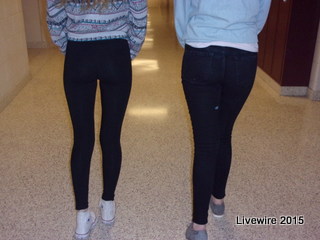
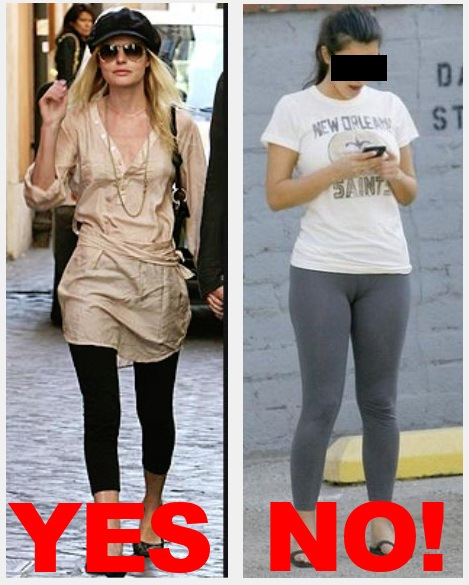
One of the biggest mistakes is wearing leggings as pants with a short top. Most leggings are not designed to be worn like trousers. They can show too much, especially in bright light or when you bend over. It is usually best to wear leggings with a longer top, tunic, or dress that covers your hips and bottom.
See-through Leggings
Some leggings become see-through when stretched. This is common with light colors or thin fabrics. Always check your leggings in good light before leaving the house. If you can see your skin or underwear through them, they are too thin.
Wearing Worn-out Leggings
Leggings wear out faster than jeans or trousers. If your leggings are pilled, stretched out, or have holes, it is time to replace them. Worn-out leggings can look sloppy and unprofessional.
Wrong Shoes With Leggings
Shoes can make or break your leggings outfit. Heavy boots, sandals, or formal shoes often do not match with leggings. Stick to sneakers, ballet flats, or ankle boots for a better look.
Busy Patterns And Colors
Bright prints or neon colors can be fun, but they are not always flattering or easy to match. If you are not sure, stick to simple, dark colors that go with everything.
Age Considerations
There is no strict age limit for wearing leggings. Many older people wear leggings for comfort and style. However, some age groups may want to think twice.
Young Children
Leggings are popular for children because they are comfortable. But, for very young children, especially toddlers, leggings can be too tight and restrict movement. Loose pants or shorts may be better for play.
Older Adults
Older adults may enjoy leggings, but they should choose thicker fabrics and styles that offer support. Very thin or tight leggings may not provide enough coverage or comfort. If you have delicate skin or circulation problems, loose pants may be safer.
Pregnancy And Leggings
Pregnant women often choose leggings for comfort. However, not all leggings are right during pregnancy.
Regular Leggings Vs. Maternity Leggings
Regular leggings can press on your belly, especially as you grow. This can be uncomfortable and may restrict blood flow. Maternity leggings are designed with a stretchy panel for your stomach. They are safer and more comfortable.
Postpartum Period
After giving birth, your body needs time to heal. Tight leggings can put pressure on your stomach, hips, or stitches from a C-section. Loose clothing is often better for the first few weeks.
Sports And Exercise
Leggings are a popular choice for exercise, but they are not always the best option.
Not All Leggings Are Activewear
Regular fashion leggings are not made for sports. They may not stretch enough, and they can tear easily. For exercise, choose leggings made from moisture-wicking, supportive fabrics.
Chafing And Overheating
Long workouts in tight leggings can lead to chafing or overheating. If you run or cycle for a long time, consider shorts or looser athletic pants.
Hygiene Issues
Sweating in leggings creates a warm, wet environment. This can increase your risk of infections if you do not shower and change quickly after exercise.
Material And Fabric Choices
Not all leggings are created equal. The type of fabric matters for both comfort and health.
Synthetic Fabrics
Most leggings are made from synthetic fibers like polyester, spandex, or nylon. These are stretchy but not very breathable. They can trap heat and sweat.
Natural Fabrics
Cotton leggings are softer and more breathable but may lose their shape quickly. Some people prefer blends, like cotton with a bit of spandex for stretch.
Fabric Comparison
Here’s a comparison of common legging fabrics:
| Fabric Type | Breathability | Stretch | Durability |
|---|---|---|---|
| Cotton | High | Low | Medium |
| Polyester/Spandex | Medium | High | High |
| Nylon | Medium | High | High |
| Wool | High | Low | Medium |
Choosing the right fabric can prevent many problems, especially if you have sensitive skin or sweat a lot.
Quality Vs. Cheap Leggings
Price can make a big difference in how leggings fit and feel. Cheap leggings are more likely to be see-through, stretch out, or fall apart after a few washes.
Quality Features To Look For
- Thick, non-transparent fabric
- Flat seams to prevent chafing
- Wide waistband for comfort and support
- Reinforced stitching for durability
Comparison: Cheap Vs. Quality Leggings
| Feature | Cheap Leggings | Quality Leggings |
|---|---|---|
| Fabric Thickness | Thin, often see-through | Thick, opaque |
| Waistband | Narrow, rolls down | Wide, stays in place |
| Durability | Wears out quickly | Lasts longer |
| Comfort | Can dig in or itch | Smoother, more comfortable |
Investing in quality leggings saves money and frustration in the long run.
Personal Preferences And Confidence
Fashion is personal. Some people simply do not feel comfortable in leggings. They may feel too exposed or dislike the tight fit. This is completely normal.
Body Confidence
If you do not feel confident in leggings, you do not have to wear them. There are many other comfortable pants and skirts you can choose. Fashion should help you feel good about yourself.
Personal Style
Maybe leggings just do not fit your style. You may prefer jeans, trousers, or skirts. That is okay. You do not need to follow trends if they do not suit you.
Credit: aajhslivewire.com
Alternatives To Leggings
If leggings are not right for you, there are many other options.
- Jeggings – These look like jeans but are stretchy like leggings. They offer more coverage.
- Treggings – These are leggings designed to look like trousers, often with zippers and pockets.
- Yoga pants – These are looser and made for movement, great for the gym or home.
- Sweatpants or joggers – Comfortable for relaxing, with a looser fit.
- Loose trousers – Stylish and comfortable for work or formal events.
- Maxi skirts or dresses – Offer coverage and comfort for many occasions.
Common Mistakes People Make With Leggings
Leggings seem simple, but many people make mistakes that lead to discomfort or embarrassment.
Not Checking Transparency
Always check your leggings in natural light. Bend, squat, or sit to see if they become see-through. This is one of the most common mistakes.
Wearing Them For Too Long
Wearing leggings for long hours, especially in hot weather or after exercise, can lead to skin irritation or infection.
Not Washing Leggings Enough
Leggings pick up sweat and bacteria. Wear a fresh pair each day and wash them after every use.
Wearing The Wrong Size
Too-small leggings can dig into your skin and cause discomfort. Too-large leggings will sag and look sloppy.
Ignoring Fabric Care
Some fabrics need special washing instructions. Following the label helps leggings last longer.
Social And Cultural Perspectives
In some countries, leggings are seen as underwear, not outerwear. In others, they are normal everyday wear. Before you travel or visit new places, check what is appropriate.
There have been debates about leggings in schools, workplaces, and public places. Some people believe leggings are too casual or revealing. Others see them as part of modern fashion. The key is to respect local customs and dress codes.
According to a survey by Statista, over 60% of women say they wear leggings for comfort, but only 30% believe leggings are suitable for formal occasions. This shows that while leggings are popular, they are not always the right choice for every situation.
Medical Opinions About Leggings
Doctors and dermatologists often talk about the risks of tight clothing. They warn about problems like folliculitis (inflamed hair follicles), yeast infections, and chafing caused by leggings. Many recommend wearing loose clothing, especially if you are prone to skin or circulation problems. For more on this, see the advice from the American Academy of Dermatology.

Credit: www.youtube.com
Practical Tips For Wearing Leggings Safely
If you still want to wear leggings, here are some tips to stay comfortable and safe:
- Choose the right size and fabric for your body type.
- Wear a long top, tunic, or dress for coverage.
- Pick thick, non-see-through leggings.
- Wash leggings after every use, especially after sweating.
- Take off leggings as soon as you finish exercising.
- Avoid wearing tight leggings if you have skin, circulation, or infection problems.
- Listen to your body—if leggings cause pain or irritation, stop wearing them.
Frequently Asked Questions
Who Should Avoid Wearing Leggings For Health Reasons?
People with skin conditions, poor circulation, or those who get frequent yeast infections should avoid tight leggings. If you have recently had surgery or are healing from an injury, loose clothing is safer.
Are Leggings Appropriate For Work Or School?
Leggings are often too casual for professional workplaces or formal schools. Some schools allow leggings only under a long shirt or skirt. Always check the dress code before wearing leggings.
What Are The Best Alternatives To Leggings?
Good alternatives include jeggings, treggings, yoga pants, joggers, loose trousers, and maxi skirts. These offer comfort with more coverage or a different style.
Can Men Wear Leggings?
Yes, men can wear leggings, especially for sports or exercise. Men's leggings are called meggings or compression tights. However, men should also consider dress codes and comfort.
How Do I Choose The Right Leggings For My Body Type?
Look for leggings with a wide waistband, thick fabric, and the right size for your body. Try different brands to find what fits best. If you are self-conscious, choose dark colors and wear a longer top.
---
Leggings are loved for their comfort and versatility, but they are not always the best choice for everyone or every situation. Health, style, and social reasons all play a role. By understanding when leggings are not suitable, you can make smarter fashion choices, avoid discomfort, and feel confident.
Remember, comfort and respect for yourself and others should always come first.
Credit: wetravelandblog.com
