

Which is Better Shirt Or T Shirt? Ultimate Style Showdown
Which Is Better: Shirt Or T Shirt
Choosing between a shirt and a t shirt seems simple, but it is a decision many people face every day. The right choice depends on several factors—comfort, style, purpose, culture, and even personal preference. Some people wear shirts to look formal and professional, while others prefer t shirts for their relaxed feel. The debate isn’t just about fashion; it’s about function, impression, and lifestyle. In this article, you’ll discover how shirts and t shirts differ, where each shines, and which option suits different situations. Whether you’re buying for work, leisure, or a special event, you’ll find clear guidance to help you decide.
Understanding Shirts And T Shirts
Before comparing, it helps to know what makes a shirt and a t shirt unique. Both are popular upper-body garments, but their designs and uses are quite different.
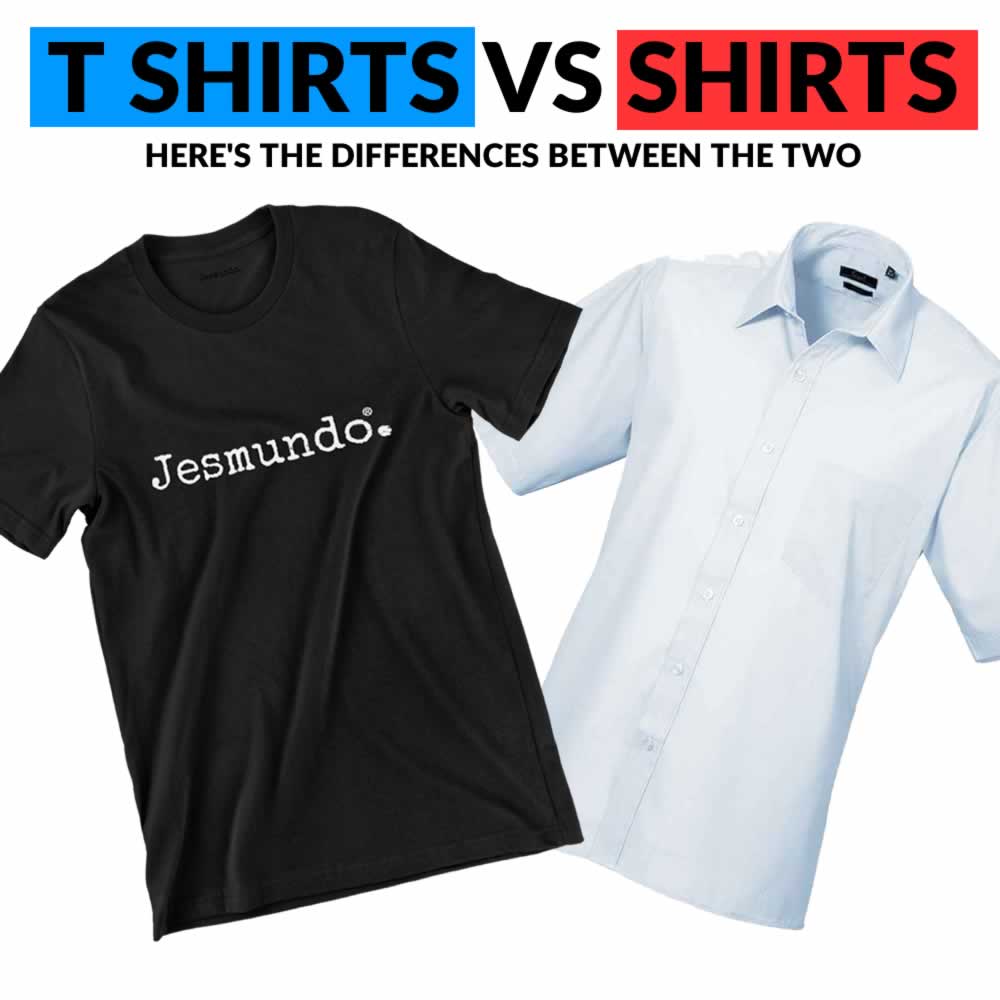
A shirt usually refers to a button-up top with a collar and sleeves. Shirts can be made from materials like cotton, linen, polyester, or blends. They are often associated with formal or semi-formal occasions.
A t shirt is a collarless, short-sleeved top. It is typically made from soft, stretchy fabrics like cotton or blends. T shirts are linked to casual wear and everyday comfort.
Let’s look at some key differences:
| Feature | Shirt | T Shirt |
|---|---|---|
| Collar | Has a collar | No collar |
| Buttons | Usually has buttons | No buttons |
| Sleeve Length | Long or short | Usually short (sometimes long) |
| Material | Varied (cotton, linen, blends) | Mainly cotton or blends |
| Style | Formal or semi-formal | Casual |
Comfort And Wearability
Comfort is often the first thing people think about when choosing what to wear. Both shirts and t shirts offer comfort, but in different ways.
T Shirts: Everyday Ease
T shirts are popular because they are easy to wear. The soft fabric feels gentle on the skin, and the simple design allows freedom of movement. T shirts are light, absorb sweat well, and don’t restrict the body. This makes them a top choice for:
- Daily errands
- Exercising
- Relaxing at home
- Traveling
According to a survey by Statista, over 60% of people prefer t shirts for casual occasions because of their comfort and breathability.
Shirts: Polished And Structured
Shirts offer a different kind of comfort. They fit the body but also provide structure, making the wearer look neat and organized. The collar and cuffs can feel restrictive for some, but shirts allow you to adjust the fit by rolling up sleeves or loosening buttons. For many, shirts are comfortable enough for:
- Work meetings
- Formal events
- Dinner outings
Shirts made from premium cotton or linen can feel as soft as t shirts, but with added formality.
Non-obvious Insight
Many beginners assume t shirts are always more comfortable. However, high-quality shirts with proper tailoring can be just as cozy, especially in cooler weather or when layering.
Style And Appearance
How you look in a shirt versus a t shirt affects both confidence and impression. Style is not just about following trends; it’s about expressing personality and fitting the occasion.
Shirts: Versatility And Elegance
Shirts are a symbol of sophistication. They can make anyone look professional and mature. Shirts come in many styles:
- Dress shirts for business or formal events
- Casual shirts (like flannel or denim) for relaxed gatherings
- Printed shirts for a touch of personality
A shirt can be tucked in for a sharp look or left untucked for a more casual feel. You can pair shirts with trousers, jeans, or shorts depending on the occasion.
T Shirts: Youthful And Relaxed
T shirts give a laid-back vibe. They are popular with younger people and those who value comfort over formality. T shirts are available in endless designs:
- Plain colors for minimalism
- Graphic prints for expression
- Sports logos for fandom
T shirts are easy to match with jeans, joggers, or shorts. You can layer them under jackets or sweaters for extra style.
Data Table: Style Suitability
Let’s see which occasions fit shirts or t shirts:
| Occasion | Shirt | T Shirt |
|---|---|---|
| Business Meeting | ✔️ | ❌ |
| Casual Outing | ✔️ | ✔️ |
| Gym/Exercise | ❌ | ✔️ |
| Formal Event | ✔️ | ❌ |
| Travel | ✔️ | ✔️ |
| Home Relaxation | ❌ | ✔️ |
Practical Tip
A shirt can instantly upgrade your look, even if you’re wearing jeans. But if the event is casual or active, a t shirt is usually the smarter choice.
Durability And Maintenance
How long your garment lasts and how easy it is to care for are important for both budget and convenience.
T Shirts: Simple Care
T shirts are easy to wash and dry quickly. Most t shirts can be machine-washed and don’t need ironing. However, they tend to lose shape and color faster than shirts, especially if made from low-quality material.
- Average t shirt lifespan: 1–2 years (with regular use)
- Common problems: Fading, stretching, pilling
Shirts: Long-lasting With Care
Shirts require more attention. You may need to iron shirts, especially if they are made from pure cotton or linen. Shirts are often more durable, especially when stitched well and made from quality fabric.
- Average shirt lifespan: 2–5 years (with regular use)
- Common problems: Collar wear, button loss, fabric tearing
Data Table: Maintenance Comparison
| Aspect | Shirt | T Shirt |
|---|---|---|
| Washing | Hand/Machine | Machine |
| Ironing | Often needed | Rarely needed |
| Drying | Slow | Fast |
| Durability | High | Medium |
Non-obvious Insight
Many people forget that shirts can be made more durable by proper storage—hanging instead of folding. For t shirts, washing in cold water preserves color for longer.

Credit: www.nytimes.com
Cost And Value
Price matters, especially for those buying multiple pieces or looking for long-term use.
T Shirts: Affordable And Accessible
T shirts are usually cheaper than shirts. You can find plain t shirts for just a few dollars, while branded or designer t shirts cost more. T shirts are a favorite for bulk buying.
- Average price: $10–$40 (depending on brand and material)
- Great for: Students, casual wearers, budget shoppers
Shirts: Higher Price, Greater Value
Shirts can be expensive, especially formal dress shirts or those made with premium fabrics. However, they offer better value for occasions where appearance matters.
- Average price: $25–$100 (depending on quality and brand)
- Great for: Professionals, formal events, style-focused buyers
Practical Example
A plain t shirt may cost $15, while a basic dress shirt is $40. If you need to look professional every day, investing in shirts makes sense. For daily comfort, t shirts are more affordable.
Common Mistake
Some buyers think higher price always means higher quality. This isn’t true. Check fabric, stitching, and brand reputation before spending more.
Functionality And Purpose
What you need your clothing for often decides which is better.
Shirts: Formal And Adaptable
Shirts are designed for formal and semi-formal situations. They work well for:
- Office work
- Business presentations
- Interviews
- Weddings and parties
Some shirts, like casual linen or denim, are good for relaxed events too. Shirts can be layered with blazers, sweaters, or vests.
T Shirts: Casual And Practical
T shirts are made for casual, sporty, or relaxed environments. They are excellent for:
- Sports and outdoor activities
- Weekend outings
- Traveling light
- Home wear
T shirts absorb sweat and allow air flow, making them ideal for hot climates and physical activity.
Non-obvious Insight
People often overlook layering. Wearing a shirt over a t shirt can give a trendy, smart-casual look. This is popular in many urban cultures and lets you adapt to changing temperatures.
Credit: www.jesmundo.co.uk
Cultural And Social Impact
Both shirts and t shirts play a role in society. The choice reflects not just personal taste, but also cultural expectations.
Shirts: Symbol Of Status
In many cultures, shirts are a status symbol. Wearing a shirt can show respect for others, especially in formal settings. In some regions, shirts are required for school, work, or religious events.
T Shirts: Personal Expression
T shirts allow for individual expression. People use t shirts to show support for causes, teams, or ideas. Graphic t shirts are a way to speak without words.
Data Table: Cultural Use
| Region | Shirt Use | T Shirt Use |
|---|---|---|
| Asia | Formal, school, work | Casual, youth |
| Europe | Business, fashion | Casual, sports |
| North America | Formal, business | Everyday wear |
| Africa | Traditional, formal | Casual, urban |
Practical Advisor Tip
If unsure about what to wear, observe what people wear in your region or for your event. When in doubt, a shirt is usually safer for formal occasions.
Environmental Impact
Clothing choices also affect the environment. The material, production, and disposal all matter.
Shirts: Sustainable Options
Shirts made from organic cotton, linen, or recycled materials are more eco-friendly. High-quality shirts last longer, reducing waste.
T Shirts: Fast Fashion Concerns
T shirts are part of fast fashion, leading to more waste. Many t shirts are produced cheaply and disposed of quickly. However, eco-friendly t shirts made from recycled or organic cotton are now available.
According to the Ellen MacArthur Foundation, textile production is a major source of pollution. Choosing durable shirts or sustainable t shirts helps reduce impact.
Common Mistake
Many people buy cheap t shirts in bulk, but this increases waste. Instead, choose fewer, higher-quality items for both shirts and t shirts.
Credit: www.damensch.com
Popularity And Trends
Fashion trends change, but shirts and t shirts remain popular. Their roles evolve with society.
Shirts: Evergreen And Evolving
Shirts never go out of style. They adapt to trends, with new colors, fabrics, and cuts. For example:
- Slim-fit shirts are now popular for a modern look
- Bold patterns and colors are trendy in casual shirts
T Shirts: Trendsetters
T shirts set trends in youth culture. Graphic t shirts, oversized fits, and collaborations with artists or brands are common.
- Streetwear brands have made t shirts a symbol of urban style
- Custom t shirts allow people to design their own look
Practical Example
A designer shirt may be seen at a business event, while a trendy t shirt is popular at concerts or festivals.
Which Is Better? Situational Analysis
There is no absolute answer—“better” depends on your needs. Let’s break down by situation.
Work And Business
Shirt: Best for formal, business, and professional settings. It shows seriousness, respect, and competence.
T Shirt: Rarely suitable unless your workplace is creative or relaxed.
Sports And Outdoor Activities
T Shirt: Ideal for comfort, movement, and sweat absorption.
Shirt: Not recommended unless it’s a casual, breathable style for light activity.
Social Events
Shirt: Perfect for dinners, weddings, and interviews.
T Shirt: Suits parties, concerts, or informal gatherings.
Travel
T Shirt: Easy to pack, wear, and wash. Great for adventures.
Shirt: Adds style for city travel or formal trips.
Home
T Shirt: The top choice for relaxing, sleeping, or housework.
Shirt: Less comfortable, better for video calls or guests.
Practical Advisor Guidance
- For formal events, always choose a shirt
- For daily comfort, pick a t shirt
- For style, experiment with both—layering and mixing
- For sustainability, buy fewer, higher-quality garments
How To Choose: Key Factors
When deciding, consider:
- Purpose: What is your event or need?
- Comfort: Do you prefer soft or structured?
- Budget: How much do you want to spend?
- Style: What image do you want to show?
- Care: Can you maintain your clothing well?
- Climate: Is it hot, cold, or humid?
Mistakes To Avoid
- Don’t wear t shirts to formal events unless the dress code allows
- Don’t buy shirts or t shirts that don’t fit—fit matters more than brand
- Don’t ignore maintenance—shirts need ironing, t shirts need careful washing
Real-world Examples
Let’s look at how people use shirts and t shirts in real life:
- Office Worker: Wears shirts for meetings, t shirts on weekends
- Student: Chooses t shirts for classes, shirts for presentations
- Traveler: Packs t shirts for sightseeing, shirts for city tours
- Athlete: Uses t shirts for training, shirts for awards events
- Fashion Blogger: Mixes shirts and t shirts for unique outfits
Expert Opinions And Research
Clothing experts agree: both shirts and t shirts have important roles. According to the Encyclopedia Britannica, shirts have a long history as formal wear, while t shirts became popular as casual wear in the last century.
Fashion stylists suggest investing in both. Shirts give confidence and authority, t shirts provide comfort and personality.
Frequently Asked Questions
What Is The Main Difference Between A Shirt And A T Shirt?
A shirt usually has a collar, buttons, and structured design. A t shirt is collarless, has short sleeves, and offers a relaxed fit.
Can I Wear A T Shirt To Work?
It depends on your workplace. Creative, tech, or relaxed offices may allow t shirts. Formal or traditional workplaces expect shirts.
Which Lasts Longer: Shirt Or T Shirt?
A well-made shirt usually lasts longer, especially if cared for properly. T shirts tend to wear out faster due to softer fabric.
How Can I Make Shirts Or T Shirts More Durable?
For shirts, hang and iron regularly. For t shirts, wash in cold water and avoid high heat drying. Buy quality fabrics for both.
Are Shirts Or T Shirts Better For Hot Weather?
T shirts are usually better for hot weather because they are light and breathable. Shirts made from linen or thin cotton can also be comfortable.
Choosing between a shirt and a t shirt is about more than style. Consider your needs, comfort, and environment. Both options have strengths, and the best choice changes with the situation. With this guide, you can make smart decisions for any occasion—looking good, feeling comfortable, and expressing yourself.
