

Which Dressing is Business Casual: Essential Style Guide
Which Dressing Is Business Casual
Business casual is one of the most misunderstood dress codes in the modern workplace. Many people struggle to find the right balance between looking professional and staying comfortable. Some think it means wearing jeans with a button-down shirt, while others believe it requires a blazer and dress shoes every day. If you’re reading this, you probably want to know exactly what counts as business casual, what to avoid, and how to dress confidently for any professional environment that uses this code.
Let’s clear up the confusion. This article will explain the real meaning of business casual, show examples for men and women, compare it to other dress codes, and offer practical tips so you can always look appropriate. Whether you’re starting a new job, attending a networking event, or just want to upgrade your wardrobe, you’ll find everything you need to know here.
What Does “business Casual” Really Mean?
Business casual is a flexible dress code that sits between formal business wear and casual clothes. It’s popular in offices, interviews, conferences, and even some social events. The goal is to appear polished and professional without being overdressed or uncomfortable.
There’s no single list of business casual clothing because it can change by company, industry, and region. However, some basic rules apply almost everywhere. The focus is on neat, clean, and modest clothing that isn’t too formal or too relaxed.
Key features of business casual:
- No suits or ties (usually)
- No jeans with holes, shorts, or flip-flops
- Neutral or muted colors
- Simple patterns (stripes, small checks, or solids)
- Closed-toe shoes
Business casual is about looking sharp but not stiff. It lets you show some personal style while maintaining a professional image.
Why Business Casual Matters
Wearing the right clothes can help you feel confident, respected, and ready to focus on your work. Many organizations use business casual because it:
- Encourages comfort: Employees perform better when they’re not distracted by tight or formal outfits.
- Fosters equality: A relaxed dress code puts everyone on a similar level and reduces focus on expensive brands.
- Attracts talent: Many people prefer companies with modern, flexible dress codes.
However, dressing too casually can send the wrong message. It may look like you don’t care about your job or the people around you. This is why understanding the boundaries of business casual is so important.
Core Elements Of Business Casual For Men
For men, business casual is about combining classic pieces in a smart way. Here’s what typically works:
Shirts
- Button-down shirts (long or short sleeve) in solid colors or subtle patterns
- Polo shirts (especially in summer or creative offices)
- Avoid T-shirts, flashy prints, and shirts with big logos
Pants
- Chinos or dress slacks in khaki, navy, gray, or black
- Clean, dark jeans (if company allows)
- No ripped jeans, cargo pants, or shorts
Jackets And Sweaters
- Blazers (optional, but add a polished touch)
- Cardigans or pullover sweaters in simple colors
- No hoodies or sportswear
Shoes
- Loafers, Oxfords, Derbies, or clean dress sneakers
- Leather or suede materials are best
- No sandals, flip-flops, or worn-out shoes
Accessories
- Belts that match your shoes
- Simple wristwatch
- Minimal jewelry
Non-obvious tip: Tuck in your shirt, even if you’re not wearing a tie. Untucked shirts often look sloppy in a business casual setting.
Core Elements Of Business Casual For Women
Women have more options, but that can make things more confusing. Here’s what usually works for business casual:
Tops
- Blouses, button-down shirts, or knit tops in classic colors
- Subtle prints or soft patterns (avoid neon or overly loud designs)
- No spaghetti straps, crop tops, or sheer fabrics
Bottoms
- Dress pants, chinos, or tailored trousers
- Knee-length skirts or longer (pencil, A-line, or pleated)
- Dresses with sleeves or a modest neckline
- No miniskirts, shorts, leggings (unless under a dress), or distressed jeans
Layering
- Cardigans, blazers, or lightweight sweaters
- Fitted jackets can elevate any outfit
Shoes
- Flats, loafers, low-to-mid heels, or clean dress boots
- Closed-toe shoes are safest
- Avoid flip-flops, overly high heels, or athletic shoes
Accessories
- Simple jewelry (small earrings, delicate necklaces)
- Structured handbags
- Scarves for added style
Non-obvious tip: Match the formality of your bag to your outfit. A structured tote or leather bag looks professional—avoid backpacks or slouchy totes.
Business Casual Vs. Other Dress Codes
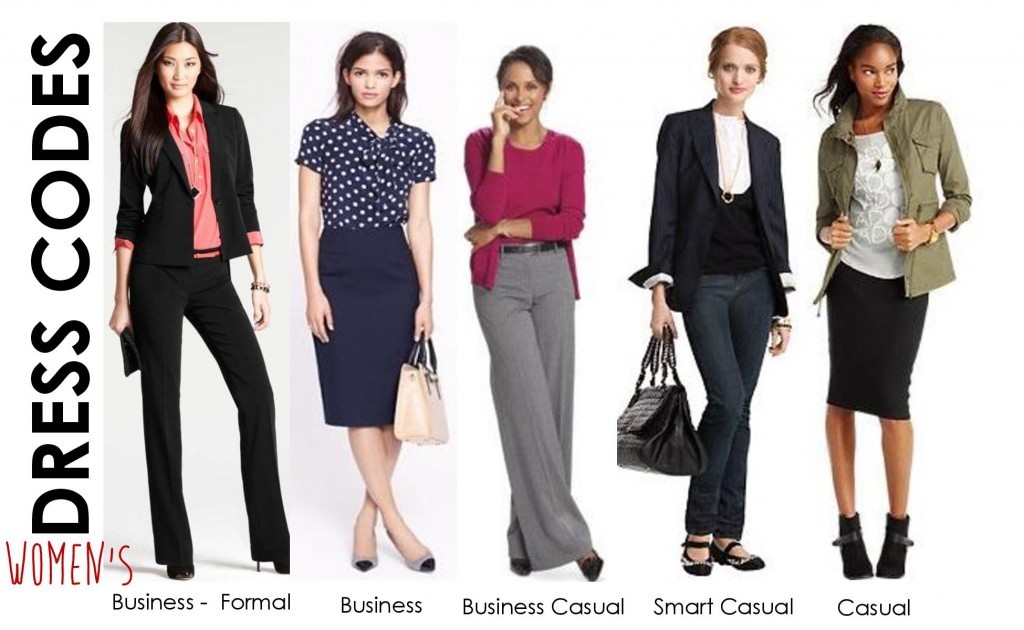
It’s easy to confuse business casual with other dress codes. Here’s how it compares:
| Dress Code | Typical Clothing | Occasions |
|---|---|---|
| Business Formal | Suit, tie, dress shirt, formal shoes | Board meetings, high-level interviews |
| Business Casual | Blouse/shirt, slacks or skirt, no tie, optional blazer | Office, client meetings, daily work |
| Smart Casual | Polo, dark jeans or chinos, casual jacket | Casual Fridays, informal events |
| Casual | T-shirt, jeans, sneakers | Team outings, home office |
Key insight: Business casual is more formal than smart casual, but less strict than business formal. When unsure, it’s safer to dress up a little rather than risk being too casual.
Examples Of Business Casual Outfits
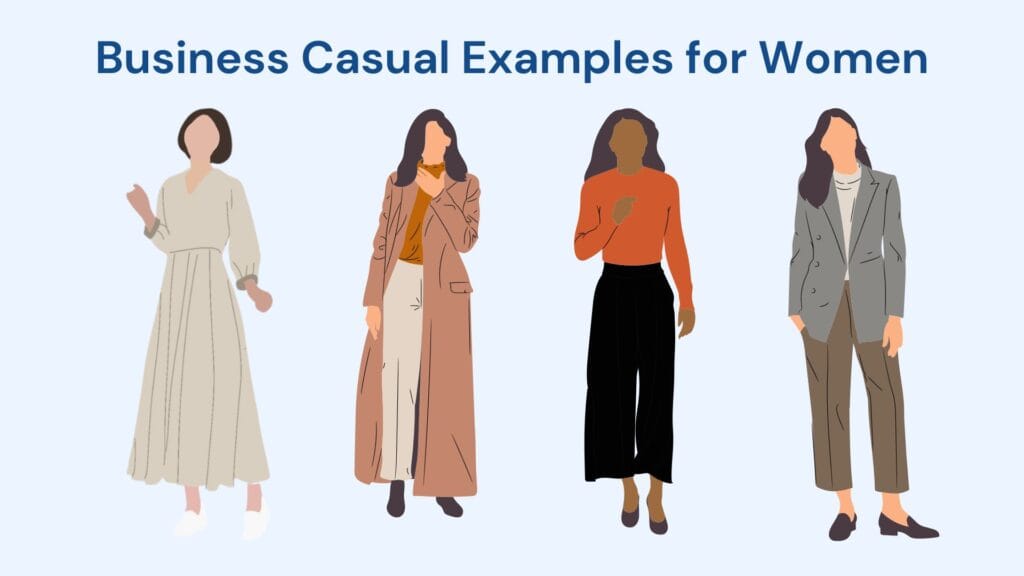
If you’re still unsure, looking at real outfit ideas can help. Here are some safe combinations:
For Men
- Light blue button-down shirt, navy chinos, brown loafers, brown belt
- White polo, gray dress pants, black sneakers, navy cardigan
- Checked shirt, beige slacks, tan Derbies, dark sweater
For Women
- Cream blouse, black tailored trousers, nude flats, navy blazer
- Patterned knee-length dress, gray cardigan, black ankle boots
- White button-down, navy pencil skirt, low heels, light scarf
Practical tip: Keep a blazer at your desk or in your car. It can instantly make any outfit look more professional if you need to step up your look.

Credit: www.hockerty.com
What Not To Wear: Common Mistakes
Even smart, capable professionals sometimes get business casual wrong. Avoid these frequent errors:
- Wearing clothes that are too tight or too loose
- Choosing athletic shoes or flip-flops
- Wearing wrinkled or stained clothing
- Picking overly flashy or distracting accessories
- Forgetting to iron shirts or polish shoes
Non-obvious mistake: Wearing company-branded polo shirts or hats (unless required) can look less professional in many offices. Always check the company culture first.
How To Adapt Business Casual For Different Workplaces
Every company has its own interpretation of business casual. Tech startups, law firms, and creative agencies might all expect something slightly different. Here’s how to adjust:
- Observe your environment: Notice what managers and respected colleagues wear.
- Ask HR: Most have guidelines, sometimes with photos or examples.
- Look at client expectations: If you meet with clients, dress to match or slightly exceed their formality.
- Consider your location: Urban offices are often more formal than suburban or rural ones.
Insider tip: If you’re the new person, dress one step more formal than the average. You can always relax your style later.
Seasonal Business Casual: Dressing For Weather
Business casual should be comfortable year-round. But hot summers and cold winters require some smart adjustments.
Warm Weather
- Lightweight fabrics: Cotton, linen blends, and moisture-wicking materials
- Lighter colors to reflect heat
- Short sleeves (but keep them neat)
- Loafers or dress sandals (if allowed)
Cold Weather
- Layer with sweaters, vests, or blazers
- Wool or thicker fabrics for pants
- Closed-toe boots
- Scarves in neutral tones
Practical tip: Keep a spare sweater or jacket at work. Office air conditioning or heating can be unpredictable.
Business Casual For Remote Or Hybrid Work
With remote work and hybrid offices, the rules have changed. Many people dress more casually at home but need to look presentable for video calls or when visiting the office.
- Always wear a proper shirt or blouse for video meetings.
- Avoid pajamas, tank tops, or anything too relaxed.
- Simple jewelry and neat hair help you look “ready” on camera.
- For office visits, default to traditional business casual.
Non-obvious insight: Even if you’re only visible from the waist up, wearing full business casual can boost your confidence and mindset.
How To Build A Business Casual Wardrobe
Creating a business casual wardrobe doesn’t mean buying a whole new set of clothes at once. With a few smart purchases, you can mix and match for many looks.
Essential Pieces For Men
- 3-4 button-down shirts (white, blue, or subtle patterns)
- 2-3 pairs of chinos (navy, khaki, gray)
- 1-2 blazers (navy or gray)
- 2 pairs of dress shoes (brown and black)
- 2-3 sweaters or cardigans
Essential Pieces For Women
- 3-4 blouses or tops (neutral and soft colors)
- 2-3 tailored pants or skirts
- 1-2 blazers or cardigans
- 2 pairs of flats or low heels
- 2-3 simple dresses
Budget tip: Start with basics in neutral colors. You can add more colors and patterns over time.
Insider advice: Well-fitted clothes look more expensive than they are. Invest in tailoring if needed.
Cost Comparison: Business Casual Vs. Business Formal
Some people worry that business casual will cost more, but that’s not always true. Let’s compare the average cost of building a basic wardrobe:
| Wardrobe Type | Key Items | Estimated Cost |
|---|---|---|
| Business Casual | Shirts, slacks, blazers, shoes | $350 - $600 |
| Business Formal | Suits, dress shirts, ties, dress shoes | $500 - $1,200 |
Business casual can be more affordable over time, especially if you choose versatile items and care for them well.
Business Casual For Interviews And First Impressions
If you’re interviewing for a job with a business casual dress code, always dress on the more formal side. This shows respect and seriousness.
- For men: Button-down shirt, dress slacks, blazer, dress shoes.
- For women: Blouse, tailored pants or skirt, blazer, closed-toe shoes.
Interview tip: Avoid strong perfumes, bright colors, or anything too trendy. Focus on looking clean, neat, and confident.
Business Casual For Different Professions
Different industries have unique expectations. Here’s how business casual looks in common fields:
Tech And Startups
- More relaxed: Jeans (no rips), polos, sneakers, casual dresses
- Hoodies may be allowed, but avoid for important meetings
Finance And Law
- More formal: Dress pants, collared shirts, blazers, closed-toe shoes
- Avoid jeans, even if they’re dark
Creative Industries
- More color and pattern allowed
- Stylish accessories, but keep it polished
Healthcare And Education
- Comfortable and modest
- Professional shoes for standing or walking
Pro tip: When in doubt, ask a colleague or manager for advice.
How To Add Personality To Business Casual
You don’t have to lose your style in business casual. Here’s how to show personality without breaking the code:
- Choose interesting textures (knit, suede, corduroy)
- Add a pop of color with a scarf or pocket square
- Wear patterned socks (for men) if pants are neutral
- Try a statement necklace or earrings (for women)
- Use a patterned blouse under a solid blazer
Balance is key: Keep one piece as the “star” and the rest simple.
Business Casual Dos And Don’ts
Here’s a quick guide to keep you on track:
Do:
- Choose clothes that fit well
- Iron or steam before wearing
- Polish shoes regularly
- Keep hair and nails tidy
Don’t:
- Wear athletic wear or gym clothes
- Choose loud or offensive graphics
- Forget about cleanliness (wrinkles, stains)
- Overdo accessories
Credit: gardner-webb.edu
Business Casual Around The World
Different countries interpret business casual differently. For example:
- In Europe: More formal, blazers common, dark colors
- In Asia: Simple, conservative, often long sleeves
- In the US: More relaxed, open to color and patterns
- In Australia: Light fabrics, more casual shoes
If you travel for work, research local expectations or ask colleagues what’s appropriate.
How To Transition From Business Formal To Business Casual
If your company changes its dress code, here are steps to adjust smoothly:
- Keep your suits—wear the jacket or pants separately.
- Add casual shirts and sweaters to your rotation.
- Swap dress shoes for loafers or flats.
- Try different combinations to see what feels comfortable.
Hidden benefit: Mixing formal and casual pieces can extend the life of your wardrobe and save money.
Quick Reference: Business Casual Essentials
Here’s a fast checklist for your next shopping trip or outfit planning:
For Men
- Button-down shirts (solid or subtle pattern)
- Chinos or dress pants
- Blazer or cardigan
- Loafers or Oxfords
For Women
- Blouses or tops
- Tailored pants or knee-length skirt
- Cardigan or blazer
- Flats or low heels
Business Casual: Real-world Scenarios
Let’s look at how business casual works in daily life:
- Monday team meeting: Navy slacks, white shirt, tan loafers, brown belt
- Friday client lunch: Patterned blouse, black skirt, navy blazer, nude flats
- Company retreat: Polo shirt, gray chinos, clean sneakers, light cardigan
Extra tip: Always have a “backup” item (blazer, sweater, or scarf) at work for surprise meetings or changes in plans.
Credit: www.theforage.com
Caring For Business Casual Clothes
Good maintenance makes your clothes last longer and look better.
- Wash shirts and blouses in cold water to keep colors fresh
- Hang pants and jackets to keep their shape
- Polish shoes and repair heels as needed
- Store scarves and belts neatly
Budget-friendly insight: Proper care saves money and helps you look sharp every day.
Business Casual In The Digital Age
With more virtual meetings and online networking, business casual is also about what you show on screen.
- Choose tops in solid colors for better video clarity
- Avoid busy patterns that distract on camera
- Pay attention to grooming, as faces are more visible
Advanced tip: Good lighting and a simple background make your business casual outfit stand out in video calls.
Sample Weekly Business Casual Plan
Here’s how you might plan a full week of outfits:
| Day | Men's Outfit | Women's Outfit |
|---|---|---|
| Monday | Blue shirt, gray chinos, brown loafers | White blouse, navy pants, nude flats |
| Tuesday | Patterned shirt, black slacks, black Oxfords | Cream dress, gray cardigan, black flats |
| Wednesday | Navy sweater, beige pants, tan Derbies | Striped top, black skirt, navy blazer, low heels |
| Thursday | White polo, khaki chinos, brown sneakers | Blue blouse, gray trousers, loafers |
| Friday | Checked shirt, dark jeans, clean sneakers | Patterned scarf, black pants, comfortable flats |
Planning tip: Laying out your outfits on Sunday night can save time and stress during your workweek.
Where To Shop For Business Casual
Many brands offer business casual collections. Popular places include:
- Department stores (Macy’s, Nordstrom)
- Specialty retailers (Banana Republic, Uniqlo, J.Crew)
- Online shops (Everlane, ASOS)
- Discount stores (TJ Maxx, Marshalls)
Money-saving tip: Look for sales at the end of each season. Out-of-season colors are often much cheaper.
Business Casual And Sustainability
Choosing eco-friendly clothing is becoming more important. Here’s how to build a sustainable business casual wardrobe:
- Choose quality over quantity (buy fewer, better pieces)
- Look for natural fibers (cotton, wool, linen)
- Support brands with ethical sourcing
- Donate or recycle old clothes instead of throwing them away
Sustainability insight: Neutral colors and classic cuts stay in style longer, reducing waste.
Business Casual: Final Thoughts
Dressing business casual is about balance. You want to show that you respect your workplace and colleagues, but also feel comfortable and authentic. By following the guidelines in this article, you’ll avoid common mistakes, make a great impression, and have more confidence each day.
Remember, business casual isn’t a rigid formula—it’s a flexible style that adapts to your job, industry, and personal taste. Pay attention to your environment, choose quality basics, and don’t be afraid to add a little personality. With practice, you’ll find a business casual look that’s perfect for you.
If you want more inspiration, check out this Business Insider guide for real-world examples and visuals.
Frequently Asked Questions
What Is Considered Business Casual For Men?
Business casual for men typically means button-down shirts or polos, chinos or dress pants, and loafers or Oxfords. No tie is needed. Avoid jeans (unless dark and allowed), athletic shoes, or T-shirts.
Can Women Wear Jeans In A Business Casual Setting?
It depends on the company. Some allow dark, clean jeans without rips or embellishments. Pair them with a blouse and blazer for a polished look. Always check your office policy first.
Are Sneakers Ever Business Casual?
Some modern offices accept clean, minimal sneakers in neutral colors as business casual, especially for Casual Fridays. However, classic dress shoes, loafers, or flats are always a safer choice.
Is A T-shirt Business Casual?
Usually not. T-shirts are considered too casual for most workplaces. Choose a button-down shirt, blouse, or polo instead. If you wear a T-shirt, layer it under a blazer or cardigan to look more polished.
How Can I Know What’s Business Casual In My Office?
Observe what respected colleagues and managers wear. When in doubt, ask HR or your supervisor for guidelines. It’s better to be slightly overdressed than too casual, especially when you’re new.
