

Where Do You Wear Business Casual: Top Occasions and Tips
Where Do You Wear Business Casual
Choosing the right outfit can feel confusing, especially when the dress code is business casual. This style is popular in many workplaces and events, but where exactly should you wear business casual? Understanding the setting, expectations, and cultural norms is key. In this article, you’ll learn which places call for business casual, what it really means, and how to look polished without being too formal. We’ll cover offices, interviews, networking events, restaurants, travel situations, and more—plus clear advice and real examples to help you feel confident in any business casual setting.
What Is Business Casual?
Before we explore where to wear business casual, it’s important to understand what the term means. Business casual is a style that combines professional looks with more relaxed clothing. It’s less formal than traditional business wear but more polished than casual outfits. A typical business casual outfit includes:
- Collared shirts or blouses
- Dress pants or khakis
- Simple sweaters or cardigans
- Closed-toe shoes (like loafers or flats)
- Sometimes, blazers (but not always required)
Items like jeans, sneakers, and T-shirts are usually not considered business casual unless the company or event allows them. The goal is to look neat, approachable, and ready for business—without appearing stiff or overdressed.
The Modern Office: Where Business Casual Is Common
Many companies have shifted from strict business attire to a business casual dress code. This change allows employees to be comfortable, while still looking professional. The type of office and industry often decides whether business casual is accepted.
Corporate Offices
Large companies in fields like finance, consulting, and tech often choose business casual. Employees are expected to look clean and professional, but suits are not always required. For example, in many tech firms, employees wear chinos, collared shirts, and smart shoes. A blazer might be added for meetings.
Startups And Creative Workplaces
Startups and creative agencies usually have a relaxed business casual style. Jeans may be allowed if they are neat and not ripped. Bright colors and unique accessories are more common, but the outfit still needs to look tidy.
Small Businesses
Small businesses often prefer business casual because it’s practical for daily tasks and meetings. Owners may want staff to appear friendly and trustworthy, but not intimidating.
Government And Public Sector
Many government offices now use business casual, especially for staff who don’t meet the public every day. The focus is on comfort and professionalism. For important meetings, employees may upgrade to business formal.
Remote Work
With more people working from home, business casual has become the virtual norm. Employees wear collared shirts for video calls, while keeping comfortable pants off-camera. It shows respect for colleagues and the company, even when working remotely.
Business Casual For Interviews
Job interviews can be stressful, especially when choosing what to wear. Business casual is often recommended when the company does not have a strict dress code or when the role is not highly formal.
When To Wear Business Casual To Interviews
- The company’s dress code is business casual
- The job is in tech, marketing, or creative industries
- The recruiter says “dress business casual”
- You have an informational interview (not a formal job interview)
Wearing business casual to an interview shows you are serious, but also comfortable and approachable. It helps you fit in with the company culture.
What To Avoid
Avoid jeans, shorts, graphic T-shirts, and sneakers unless you know they are acceptable. Too formal (like a full suit) may look out of place, while too casual can seem unprofessional. Always check the company’s website or social media for clues.
Networking Events And Conferences
Business casual is often the default at networking events, industry meetups, and professional conferences. These gatherings bring together people from different companies and backgrounds, so a balanced look is best.
Why Business Casual Works
- You look open and friendly, not intimidating
- Easier to mingle and move around
- Shows respect for the event and other attendees
Common Mistakes
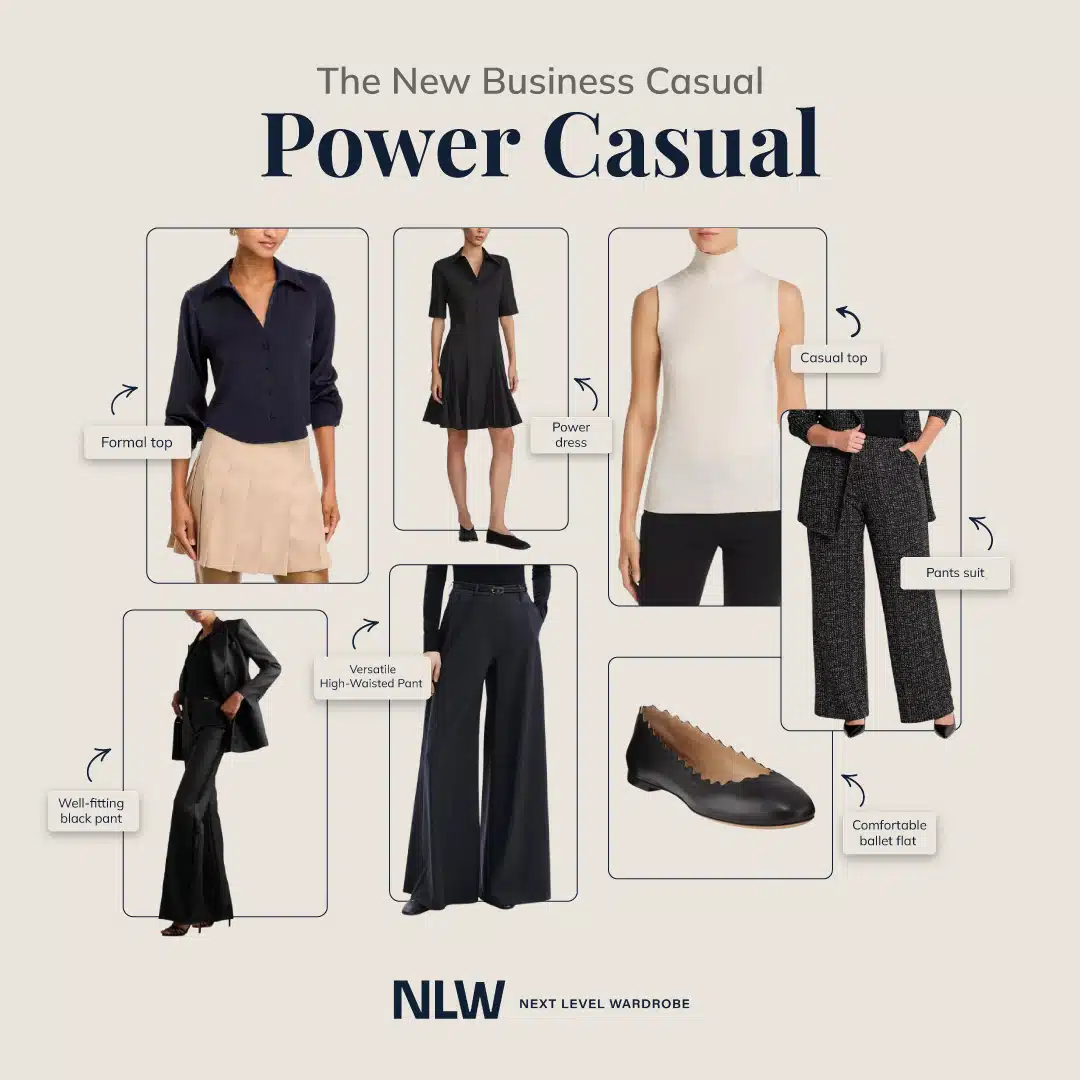
One mistake is dressing too casually, like wearing jeans or sneakers. Another is wearing a suit and tie, which can make you look stiff. Aim for well-fitted pants, a collared shirt, and smart shoes. Women can choose a blouse and tailored pants or a simple dress.
Credit: nextlevelwardrobe.com
Business Casual In Restaurants And Social Settings
Restaurants, cafes, and bars sometimes require business casual, especially for work lunches, dinners, or after-hours meetings. The setting and time of day affect what’s appropriate.
Lunch Meetings
Daytime meetings at casual restaurants often call for business casual. Avoid flashy accessories or loud patterns. Choose soft colors and comfortable fabrics.
Evening Dinners
For dinners at nicer restaurants, you can elevate your business casual look. Add a blazer or a silk blouse. Closed-toe shoes are safer than sandals. Men can wear a dress shirt with dark pants; women might pick a modest dress or skirt.
Office Parties
Many office parties, especially holiday events, use business casual. It’s important to look festive but still professional. Avoid outfits that are too revealing or flashy.
Traveling For Work: Airports And Hotels
When traveling for business, your outfit must be comfortable but professional. Business casual is perfect for airports, hotel lobbies, and transit lounges. You may meet clients or colleagues unexpectedly.
Why Business Casual Is Best
- Comfortable for long flights or train rides
- Easy to transition to meetings if needed
- Shows professionalism in public spaces
Practical Tips
Choose wrinkle-resistant fabrics and layers. Avoid shoes that are hard to remove at security checks. Carry a blazer or scarf to adjust your look quickly.
Business Casual At Training Sessions And Workshops
Training sessions, workshops, and seminars often use business casual. These events are less formal than conferences but still require professionalism.
Why It Matters
You may meet new colleagues, trainers, or industry experts. Wearing business casual helps you make a good impression and shows you are ready to learn.
How To Dress
Pick comfortable, neat clothes. Avoid anything distracting. Bring a sweater or light jacket for cold rooms.
Business Casual In Client Meetings
When meeting clients, the right outfit is important. Business casual is common for regular check-ins, project updates, and informal presentations.
When To Choose Business Casual
- The client’s company uses business casual
- Meetings are in a relaxed setting
- You already have a good relationship with the client
When To Upgrade
For first meetings or formal presentations, consider dressing up. But for ongoing partnerships, business casual helps build trust and comfort.
Business Casual For Job Fairs And Recruitment Events
Job fairs often bring together employers and job seekers in one place. Business casual is the best choice, because it looks professional but not overdressed.
Why Employers Prefer Business Casual
- Shows you are ready for work
- Easy to move, stand, and talk for hours
- Helps you blend in with other candidates
What To Wear
Choose dress pants, a collared shirt, and comfortable shoes. Women can wear a blouse and skirt or dress pants. Avoid heavy perfume or cologne.
Business Casual In Different Cultures
Business casual means different things in different places. What’s normal in the US may be too relaxed in Asia or Europe. Always check local customs before dressing.
Examples
- In Japan, business casual may mean a suit without a tie.
- In some European countries, jeans are never allowed.
- In Australia, business casual can include polo shirts.
Non-obvious insight: Even within one country, cities and regions may interpret business casual differently. For example, New York is stricter than San Francisco.
Comparing Business Casual And Other Dress Codes
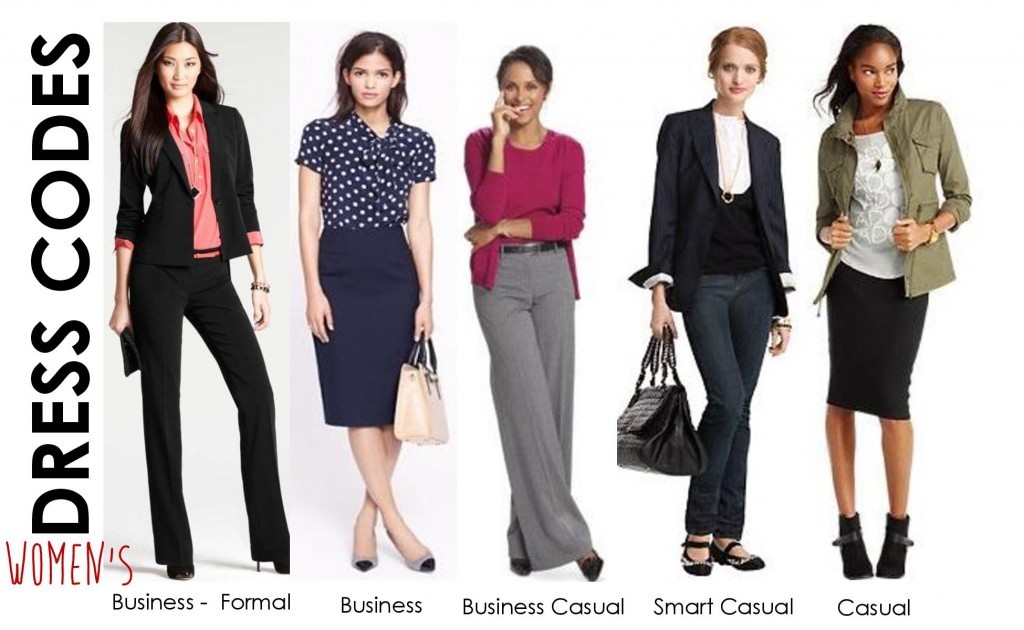
Understanding how business casual compares to other styles helps you avoid mistakes. Here’s a simple comparison:
| Dress Code | Typical Clothing | Formality Level |
|---|---|---|
| Business Formal | Suits, ties, formal dresses | High |
| Business Casual | Dress pants, collared shirts, blouses | Medium |
| Smart Casual | Nice jeans, blazers, stylish tops | Medium-Low |
| Casual | T-shirts, sneakers, shorts | Low |
Business Casual For Different Roles
Not all jobs have the same business casual standards. Here’s how it changes by role:
Sales And Client-facing Jobs
Sales professionals often wear business casual unless meeting important clients. Polished shoes and accessories matter.
It And Tech
Tech workers prefer comfort, but most avoid ripped jeans or T-shirts. Hoodies may be allowed in some startups.
Education And Training
Teachers and trainers use business casual for daily work. It helps them look professional but approachable.
Administrative Staff
Receptionists and office managers use business casual to greet visitors and handle daily tasks.
Examples Of Where Business Casual Is Expected
Here are real situations where business casual is the norm:
- Office workdays (except Fridays in some places)
- Internal meetings
- Job interviews for non-executive roles
- Networking breakfasts
- Business lunches
- Company workshops
- Traveling for business
- Client check-in meetings
- Job fairs
- Training sessions
- Office parties
- Conference panels
- Industry meetups
- Recruitment events
- Informal presentations
Each setting has its own expectations, but business casual is a safe choice.
Common Mistakes In Business Casual Settings
Many people make mistakes when wearing business casual. Here are some to avoid:
- Wearing clothes that are too casual (like shorts or ripped jeans)
- Choosing sneakers instead of loafers or flats
- Wearing wrinkled or stained clothes
- Using loud colors or patterns
- Forgetting to check the company or event dress code
- Not matching the level of formality to the situation
Non-obvious insight: Accessories can make or break a business casual outfit. Avoid oversized jewelry or flashy belts.
Key Elements Of Business Casual
Let’s break down the main pieces of a business casual outfit:
For Men
- Collared shirts (button-down or polo)
- Dress pants or chinos
- Sweaters or cardigans
- Leather shoes or loafers
- Optional blazer
For Women
- Blouses or tailored tops
- Dress pants, skirts, or modest dresses
- Simple sweaters or cardigans
- Flats, loafers, or low heels
- Minimal accessories
Some workplaces allow jeans if they are dark, clean, and paired with a smart top. Always check before wearing them.
Business Casual For Special Events
Certain business events have unique rules for business casual.
Office Celebrations
Office birthdays or milestone events use business casual with a festive touch. Add color or small accessories, but stay professional.
Awards Ceremonies
For awards or recognition events, business casual is often fine. If the event is more formal, add a blazer or nicer shoes.
Charity Events
Many charity events organized by companies use business casual. Comfortable but polished is best.
Business Casual In Hot And Cold Weather
Weather changes can affect your business casual choices.
Hot Weather
- Choose lightweight fabrics (cotton, linen)
- Avoid heavy jackets or sweaters
- Wear short-sleeved shirts or blouses
- Use simple accessories
Cold Weather
- Layer with sweaters and blazers
- Wear closed-toe shoes
- Pick thicker pants or tights
- Use scarves or gloves if needed
Always check if the office allows changes for weather.
Business Casual For Remote And Hybrid Work
Remote work has changed how people see business casual. Many companies encourage it for video meetings.
Why It Matters
- Shows respect for colleagues
- Helps you feel professional at home
- Easy to transition if you go to the office
Practical tip: Keep a blazer or nice shirt near your workspace for quick changes.
Data: Business Casual Trends In The Workplace
Let’s look at some data on business casual in offices:
| Industry | % Using Business Casual | Notes |
|---|---|---|
| Technology | 74% | Relaxed dress code |
| Finance | 60% | Mix of formal and casual |
| Healthcare | 52% | Depends on role |
| Education | 67% | Teachers favor business casual |
| Government | 59% | Most offices use business casual |
Source: Survey of US office dress codes.
How To Adapt Business Casual For Different Situations
Adapting business casual to the setting is important. Here’s how:
Formal Meetings
Add a blazer, tie, or nicer shoes to increase formality.
Casual Fridays
Switch to jeans if allowed, but keep a smart top.
Outdoor Events
Choose comfortable shoes and weather-friendly fabrics.
Team-building Activities
Wear business casual that allows movement—like stretch pants or comfy shoes.

Credit: www.wikihow.com
Business Casual In Restaurants: Data Comparison
Restaurants have different dress codes. Here’s a comparison:
| Type of Restaurant | Dress Code | Business Casual Allowed? |
|---|---|---|
| Fine Dining | Business Formal | No (usually) |
| Casual Dining | Business Casual | Yes |
| Café | Smart Casual | Yes |
| Bar | Casual | Sometimes |
In casual dining, business casual is often expected for work-related meals.
How Business Casual Helps Your Career
Wearing business casual at the right time can help your career. It shows you know how to adapt, respect others, and fit in with company culture. You look confident but friendly.
Non-obvious insight: Employers notice details like neatness, fit, and how you handle accessories. Small things can affect first impressions.
Credit: gardner-webb.edu
Practical Tips For Wearing Business Casual
- Check the company or event dress code before choosing your outfit.
- Wear clean, well-fitted clothes—avoid anything too tight or loose.
- Choose simple, neutral colors unless the culture allows bold looks.
- Keep accessories minimal—no flashy jewelry or loud patterns.
- Use layers to adjust for weather or changing situations.
- Make sure shoes are polished and comfortable.
- Avoid strong perfumes or colognes.
- Keep a spare shirt or blazer at work for emergencies.
- Don’t forget grooming—hair and nails matter.
- Watch how senior staff dress and match their style.
Frequently Asked Questions
What Is The Main Difference Between Business Casual And Smart Casual?
Business casual is more professional than smart casual. It includes dress pants, collared shirts, and blouses, while smart casual allows neat jeans and more relaxed tops. Business casual is common in offices; smart casual is used for social events.
Can I Wear Business Casual To A Job Interview?
Yes, business casual is often recommended for job interviews in companies with a relaxed dress code. It shows you are serious but approachable. Always check the company’s dress expectations before the interview.
Are Jeans Allowed In Business Casual?
Usually, jeans are not part of business casual. Some workplaces allow dark, clean jeans with a smart shirt. Avoid ripped or faded jeans. When in doubt, choose dress pants.
Is Business Casual The Same For Men And Women?
The basics are similar: neat, professional clothing. Men wear collared shirts and dress pants; women wear blouses, skirts, or dress pants. Accessories and shoes differ, but the goal is the same—look polished and professional.
How Can I Know If A Restaurant Requires Business Casual?
Check the restaurant’s website or call ahead. Many casual dining places expect business casual for work meals. Fine dining may require formal attire. Cafés and bars are usually more relaxed.
Wearing business casual is about blending professionalism with comfort. The right outfit can help you feel confident, respected, and ready for any business situation. Whether you’re at the office, traveling, or meeting clients, understanding where and how to wear business casual will help you make the best impression every time. If you want more guidance, you can find helpful dress code advice at The Balance Careers.
