

Where Did Tank Tops Get Their Name? Surprising Origins Explained
Where Did Tank Tops Get Their Name
The humble tank top is a common piece in wardrobes around the world. People wear tank tops for sports, fashion, comfort, and even as an underlayer. But have you ever wondered where the name “tank top” actually comes from? The story of this simple garment takes us through swimming pools, language changes, pop culture, and even different countries. Understanding the history of the tank top’s name is not just a fun fact—it reveals how fashion, sports, and society connect in surprising ways.
This article will explore the origins of the tank top’s name, how its meaning changed over time, and why it remains so popular. You’ll learn about the garment’s evolution, its journey across continents, and the cultural moments that shaped its identity.
Whether you’re a fashion lover, a curious reader, or someone interested in language, you’ll find clear answers and new insights here.
The Early Roots: Swimming And The “tank”
The story of the tank top starts with swimming—not fashion. In the past, many public swimming pools were called “swimming tanks.” This was before the modern pool became common language. The word “tank” simply meant a large container of water used for swimming or bathing.
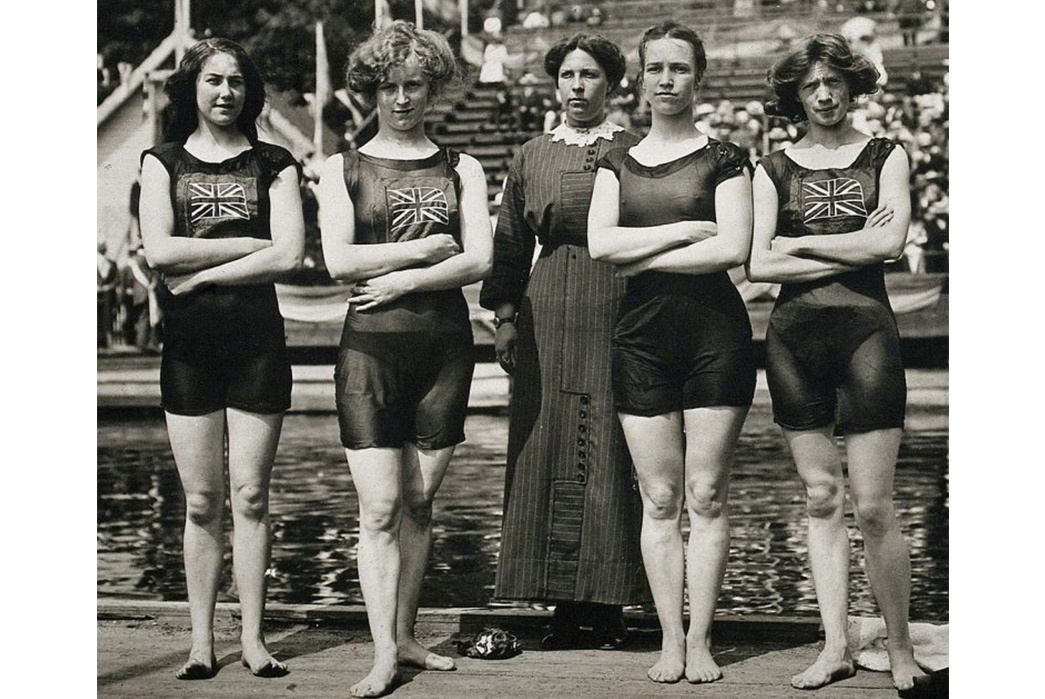
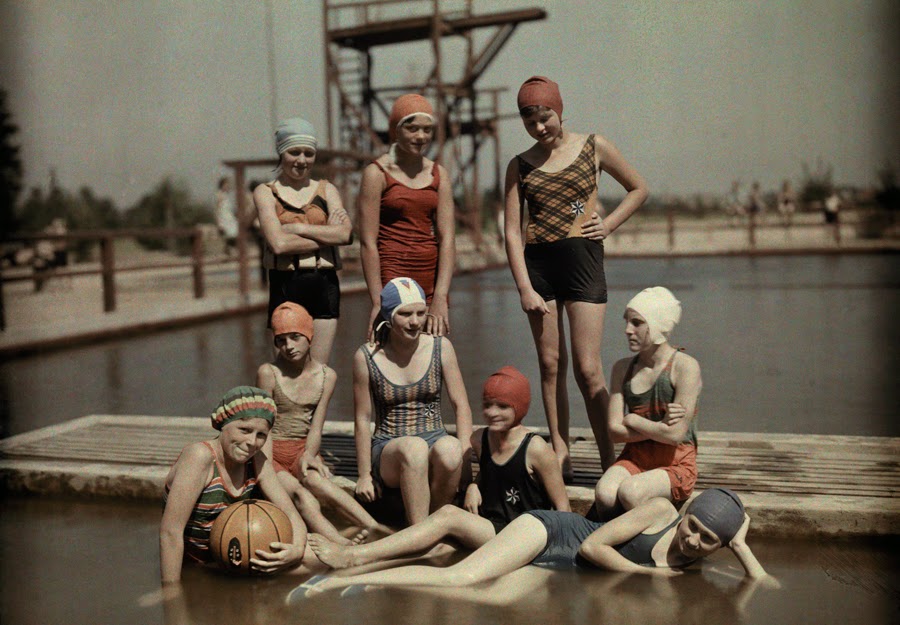
Men and women who wanted to swim in these tanks needed special clothes. Early swimsuits were usually sleeveless and covered the body from shoulders to knees. These swimsuits allowed people to move freely in the water while following the modesty rules of that era.
The upper part of the swimsuit, sleeveless and cut close to the arms, became known as the “tank suit” because it was worn in the swimming tank.
As time passed, the top part of the tank suit—without the bottom half—became its own piece of clothing. This is how the name “tank top” was born. It describes a sleeveless shirt, inspired by the swimming tank suit.
Why Was The Pool Called A “tank”?
You might wonder why people used the word “tank” instead of “pool. ” In the past, “tank” was a common English word for a large container of water, not just for swimming but for many uses. For example, water tanks, fish tanks, and fuel tanks.
In England and America, many early public baths and indoor swimming pools were built as large rectangular tanks, sometimes made of wood or tile. The name “swimming tank” was practical—it told people this was a place to swim.
This term slowly faded as “pool” became more common, but the clothing name “tank top” stayed. The garment outlasted the original “tank” it was named for.
The Tank Suit: The Swimsuit That Started It All
The tank suit was the direct ancestor of today’s tank top. It was usually one piece, sleeveless, and made from materials like wool or cotton. The design was simple but effective: it let swimmers move their arms freely and was easy to wear in water.
Tank suits were often required in public swimming tanks to keep things clean and modest. Over time, as fashion and sports changed, the tank suit became less common, but the top part—the sleeveless upper half—became popular outside the pool. People found it comfortable and useful for other activities.
Two non-obvious facts: Early tank suits were sometimes worn by both men and women, breaking social norms of the time. Also, the switch from wool to lighter fabrics made the tank top more comfortable and led to its use in sports and daily wear.
How The Tank Top Evolved From The Tank Suit
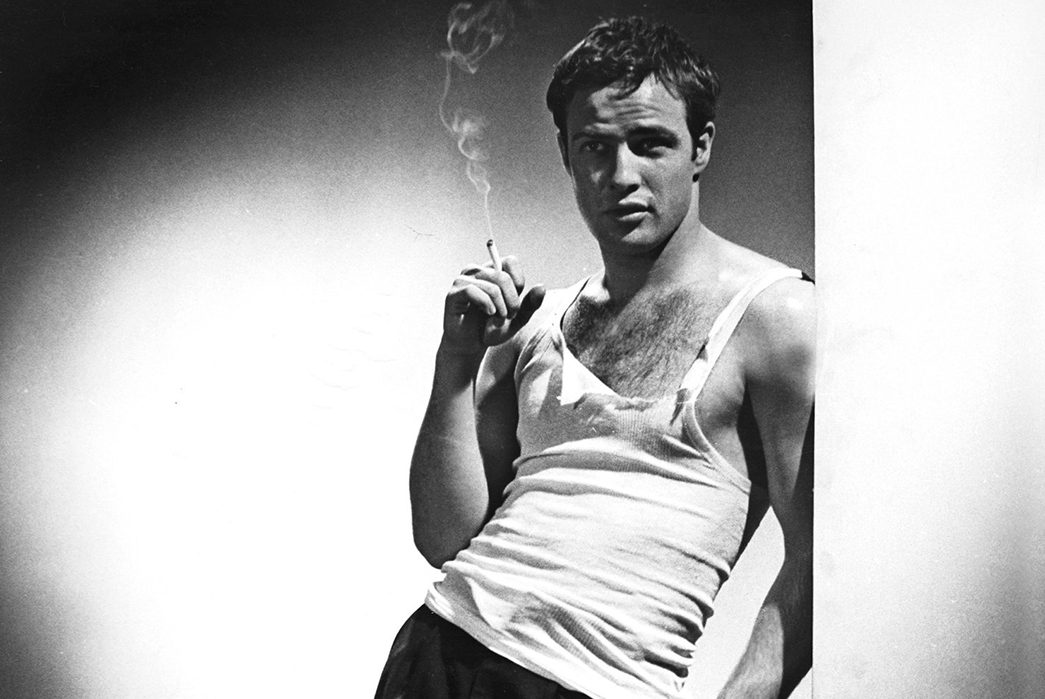
Once the sleeveless style of the tank suit became popular, people started wearing just the top part on its own, away from the swimming pool. Athletes found it perfect for running, boxing, and other sports that needed freedom of movement.
The garment was strong and simple, with wide straps and an open neckline.
This new version—a separate, sleeveless shirt—kept the “tank” name, now called the “tank top. ” It was no longer just for swimming. People used it for sports, hot weather, and as an undergarment. The tank top became a symbol of comfort, effort, and sometimes rebellion.
Credit: www.heddels.com
Differences Between Tank Tops And Other Sleeveless Shirts
Not all sleeveless shirts are the same. The tank top has its own style and history. Let’s compare a few types of sleeveless shirts to see what makes the tank top unique.
| Type | Main Features | Common Uses |
|---|---|---|
| Tank Top | Wide straps, no sleeves, open neckline | Sports, casual wear, layering |
| Muscle Shirt | Wider armholes, sometimes looser fit | Bodybuilding, gym |
| Camisole | Thin spaghetti straps, usually for women | Underwear, sleepwear, layering |
| Singlet | One-piece or close-fitting top, often for wrestling | Wrestling, athletics |
The tank top stands out because it is unisex, simple, and flexible. It is not as revealing as a camisole and not as tight as a wrestling singlet. Its design works for all body types and activities.
The Tank Top In Different Countries
The tank top is a global garment, but its name and style can change depending on where you are. In the United States, “tank top” is the most common term. In the United Kingdom, people often say “vest. ” In Australia, the word “singlet” is popular for the same item.
Here’s a comparison of what people call tank tops around the world:
| Country | Common Term | Special Notes |
|---|---|---|
| United States | Tank Top | Also called “A-shirt” or “muscle shirt” in some contexts |
| United Kingdom | Vest | “Vest” means tank top, not a formal vest |
| Australia/New Zealand | Singlet | Used for sports, school uniforms |
| India | Banyan | Mainly for men’s undershirts |
| Philippines | Sando | Unisex, used for casual and home wear |
These differences show how language and culture shape even simple items. The name “tank top” remains strong in American English because of its swimming pool history.
The Tank Top In Sports And Fitness
The tank top is a favorite in many sports. Athletes love it because it allows the arms to move freely and keeps the body cool. In track and field, basketball, weightlifting, and even tennis, the tank top is common.
One interesting point: The tank top helped change sports fashion. Before, athletes wore heavy, long-sleeved shirts. The tank top’s design made sportswear lighter and more practical. It also became a symbol of strength and fitness.
Some sports, like wrestling and rowing, have their own versions (like the singlet), but they share roots with the tank top. The tank top’s connection to sports helped make it popular for everyday wear, not just exercise.
Fashion And The Tank Top
The tank top is not just for the gym or pool—it’s also a fashion item. Designers often use tank tops as a blank canvas, adding colors, logos, or patterns. Celebrities and musicians have made the tank top a style statement, from streetwear to high fashion.
One key reason for the tank top’s fashion success: it’s simple and easy to personalize. You can wear it under a jacket for a smart look, or alone for a relaxed style. It works for men and women, and for all ages.
A non-obvious insight: In some cultures, the tank top was once seen as too casual or even rebellious. Now, it is accepted almost everywhere, thanks to changing fashion and social norms.
Tank Tops As Undergarments
Many people use tank tops as undergarments. The sleeveless design makes them comfortable under shirts or blouses. They can absorb sweat, keep the outer shirt clean, and add a layer for warmth or modesty.
In some countries, wearing a tank top under work clothes is a daily habit. For example, in hot climates, a thin cotton tank top helps keep sweat away from the main shirt. In colder places, a tank top adds an extra layer without bulk.
This practical use is one reason the tank top has stayed popular for so long.
Pop Culture And The Tank Top
The tank top has appeared in many movies, TV shows, and music videos. Sometimes, it’s used to show a character’s strength, toughness, or relaxed attitude. Famous actors and singers have worn tank tops, making them trendy for millions of fans.
A few examples:
- In action movies, heroes often wear tank tops to show their muscles and readiness.
- In music videos, tank tops can be part of a bold or casual style.
- In street fashion, tank tops have been linked with subcultures like hip-hop and skateboarding.
This pop culture connection helped the tank top become more than just a piece of clothing—it became a symbol.
Gender And The Tank Top
At first, the tank top was unisex—both men and women wore the early tank suits. Over time, styles changed. Some tank tops became more fitted for women, with thinner straps or different cuts. Others stayed wide and loose for men.
Today, tank tops are for everyone. There are styles for all shapes, sizes, and preferences. The fashion industry offers tank tops in every color, material, and price range.
One detail beginners miss: Women’s tank tops often have smaller armholes or a deeper neckline, while men’s may be boxier. But there are no strict rules—everyone can find a tank top that fits their style.
Materials And Fabrics Used In Tank Tops
Materials have changed a lot since the first tank suits. Early tank tops were often made from heavy cotton or wool. Now, you can find them in many fabrics:
- Cotton: Soft, breathable, and easy to wash. Most common for everyday wear.
- Polyester: Durable, quick-drying, and good for sports.
- Blends: Mix of cotton and synthetic fibers for a balance of comfort and strength.
- Performance fabrics: Special materials that wick sweat away, used in athletic tank tops.
- Linen or bamboo: Used for eco-friendly or luxury tank tops.
The fabric changes the feel and use of the tank top. For hot weather, cotton or bamboo keeps you cool. For the gym, polyester or blends handle sweat and movement better.
How The Tank Top Name Spread
The term “tank top” started in English-speaking countries, but now you’ll hear it worldwide. TV, movies, and global fashion brands helped spread the name. Even where other names are common (like “vest” or “singlet”), most people understand “tank top” thanks to pop culture.
Some fashion stores use “tank top” for women’s styles and “muscle shirt” for men’s, but the basic shape is the same. The name is now so popular that it appears on clothing tags, websites, and in style guides everywhere.
The Tank Top’s Place In Modern Fashion
Today, the tank top is a true classic. You’ll see it on the beach, in the gym, at home, and on the runway. It’s cheap to make, easy to wear, and fits almost any style. From plain white basics to designer pieces, the tank top stays strong.
Why does it last? Because it solves real needs—comfort, movement, and versatility. It’s also easy to change, so designers keep finding new ways to make it fresh.
A beginner might not realize that some tank tops are “genderless” by design, meant for anyone to wear. Others are cut for a specific body shape. Always try on a tank top to see what fits you best.
Tank Top Myths And Misunderstandings
There are some myths about tank tops. For example, some people think tank tops are only for sports or the beach. In reality, they’re suitable for layering in cold weather, sleeping, or even formal outfits if styled right.
Another common myth: Tank tops are only for people with “perfect” bodies. This is not true. Tank tops come in all sizes, and anyone can wear one. The key is finding the right fit and style for your comfort.
Some people also confuse the tank top with the undershirt or the camisole, but each has its own history and use.
When Did Tank Tops Become Mainstream?
While the tank top has been around for a long time, it became truly mainstream when it left the pool and gym for daily life. This happened slowly—first with athletes, then with movie stars, and finally with fashion brands.
As society became more relaxed about casual dress, the tank top moved from hidden underclothes to visible fashion. The rise of fitness culture also made the tank top more popular, showing off healthy bodies and active lifestyles.
One thing beginners might not notice: The tank top’s popularity rises and falls with fashion trends, but it never disappears completely. Its usefulness keeps it in style, even when other trends change.
Tank Top Variations And Styles
The classic tank top has inspired many variations. Here are some common styles:
- Basic tank top: Simple, straight cut, wide straps.
- Racerback: Straps join at the back, common in sportswear.
- Muscle tank: Wider armholes, looser fit, shows off muscles.
- Cropped tank: Shorter length, popular in women’s fashion.
- Graphic tank: Printed with logos, images, or text.
- Performance tank: Made from technical fabrics for athletes.
- Dressy tank: Made from silk, lace, or other fine materials.
Each style has its own use and audience. For example, racerbacks are great for running, while dressy tanks work for parties.
Tank Tops And Body Image
The tank top is often linked with body confidence. Wearing a sleeveless shirt can feel bold, especially if you are not used to showing your arms. But tank tops are for everyone, no matter your shape.
Fashion experts suggest trying different cuts and fabrics to find what feels good. Some people prefer loose fits, others like close-fitting styles. The right tank top can boost comfort and confidence.
A useful tip: If you’re new to tank tops, start with layering. Wear one under a shirt or jacket, then try it alone as you get more comfortable.
Credit: www.heddels.com
The Tank Top In Hot And Cold Climates
Tank tops are famous for keeping people cool in warm weather. The open design lets air move, helping your body stay comfortable. In hot countries, tank tops are everywhere—from city streets to beaches.
But tank tops are also useful in cold places. Worn as a base layer, they help trap warmth and wick away sweat. Many people wear a tank top under a shirt or sweater in winter, adding comfort without bulk.
This flexible use is part of what makes the tank top so popular worldwide.
How To Choose The Right Tank Top
Picking a tank top is simple, but a few tips can help you get the best one:
- Fit: Choose a style that suits your body and the activity. Loose for casual, fitted for sports.
- Fabric: Cotton for comfort, polyester for sports, blends for all-day wear.
- Strap width: Wide straps for more coverage, thin for style.
- Length: Regular for layering, cropped for style.
- Color: White and black are classics, but don’t be afraid to try colors or prints.
A smart buyer checks the stitching and fabric before buying. Well-made tank tops last longer and feel better on the skin.
Sustainability And Eco-friendly Tank Tops
As people care more about the environment, eco-friendly tank tops are growing in popularity. These are made from materials like organic cotton, bamboo, or recycled fibers. Some brands focus on fair labor and low-impact dyes.
If you want a sustainable tank top, check the label for:
- Organic or natural materials
- Fair trade certification
- Minimal packaging
Eco-friendly tank tops often cost more, but they have less impact on the planet. This is a growing trend in fashion, not just a passing fad.
Tank Top Care And Maintenance
Taking care of your tank tops keeps them looking good and lasting longer. Here’s how:
- Wash in cold or warm water, not hot, to protect the fabric.
- Use mild soap and avoid bleach.
- Dry on a line or low heat in the dryer.
- Store folded or on a hanger to keep the shape.
Performance tank tops may need special care—always check the label. With good care, a quality tank top can last for years.
Tank Tops In The Future
The tank top is here to stay. As fashion changes, new styles and materials will appear, but the basic shape will remain. Designers keep re-inventing the tank top with technology, prints, and even smart fabrics.
In the future, expect more gender-neutral designs, eco-friendly fabrics, and creative uses in both fashion and sports. The tank top’s simple idea—a comfortable, sleeveless shirt—still works, no matter how much the world changes.
For those interested in more about clothing history, you can find additional information at Wikipedia.
Frequently Asked Questions
Why Is It Called A “tank Top”?
The name comes from “swimming tank,” an old term for a swimming pool. The sleeveless swimsuit worn in these tanks was called a “tank suit,” and the upper part became the “tank top. ”
Are Tank Tops And Undershirts The Same Thing?
No. Tank tops are often worn as outerwear or sportswear, while undershirts are usually for wearing under other clothes. They may look similar but have different uses.
What Is The Difference Between A Tank Top And A Camisole?
A camisole usually has thin, spaghetti-like straps and is often worn by women as underwear or sleepwear. A tank top has wider straps and is unisex, for sports, layering, or fashion.
Can Anyone Wear A Tank Top?
Yes. Tank tops come in all sizes and styles. Anyone can find a tank top that fits their body and style, no matter their age or shape.
What Should I Look For When Buying A Tank Top?
Check the fit, fabric, strap width, and purpose (sports, fashion, layering). Try it on if possible and look for strong stitching and comfortable material.
The story of the tank top’s name shows how language, sports, and style mix together. From the old swimming tanks to today’s fashion runways, the tank top is a timeless classic—simple, practical, and always ready for something new.
Credit: www.ooshirts.com
