

Where Did Tank Top Name Come From? Unveiling Its Origins
Where Did Tank Top Name Come From
If you open your closet, chances are you’ll find at least one tank top. This simple, sleeveless shirt is a favorite for sports, summer days, and layering. But have you ever stopped to wonder: where did the name “tank top” come from? The answer is more surprising than most people think. There’s a story behind the name, shaped by history, sports, fashion, and even language. Understanding this journey not only explains the label but also adds a new layer of appreciation for a garment many take for granted.
The Origins Of The Tank Top Name
To understand why this shirt is called a tank top, we have to go back to a time when swimming was becoming a popular sport. Public bathing facilities, known as “tanks,” were widespread. These tanks were large, communal pools where people could swim for health, exercise, or fun. The early swimsuits designed for these pools were sleeveless and tight-fitting to help swimmers move easily in the water.
The upper part of these swimsuits was called a “tank suit. ” The “tank” part referenced the swimming tanks, and “suit” simply meant a set of clothes for a specific use. Over time, the top half of the tank suit, which was sleeveless, became popular as a separate piece of clothing.
People started wearing just the top part, especially in warm weather or for athletic activities. The name “tank top” caught on because it was originally the top part of the tank suit, worn in swimming tanks.
How The Tank Top Evolved Over Time
Tank tops didn’t stay only in swimming pools for long. As sports and fashion changed, so did the tank top. The sleeveless style was practical for athletes who needed a full range of motion. Runners, basketball players, and gymnasts found the design perfect for performance.
The tank top started to appear in more everyday settings, such as gyms and sports teams.
Eventually, designers saw the potential for tank tops in casual fashion. The garment was simple, easy to make, and comfortable for hot weather. People began to wear tank tops as a fashion statement, not just for sports. The tank top’s journey from swimming pools to mainstream fashion is a story of practicality, comfort, and changing trends.
Key Moments In Tank Top History
- Early swimming attire: Swimmers wore full-body suits, but sleeveless designs soon became popular for less drag in water.
- Adoption by athletes: Sports teams and gymnasts needed lightweight, flexible clothing.
- Mainstream fashion: Tank tops became part of casual, everyday wardrobes for both men and women.
- Pop culture influence: Movies, celebrities, and music videos helped spread the popularity of the tank top.

Credit: www.hannabannaclothing.com
Why “tank” Instead Of “vest” Or “sleeveless”?
The word “tank” in “tank top” is unique to English. In some countries, the same garment is called a vest, singlet, or camisole. So why did “tank” win out in some places? The answer lies in how language and culture influence fashion terms.
In the United States, the connection to swimming tanks made the word “tank” stick. In the UK and other English-speaking countries, “vest” or “singlet” is more common.
This difference can create confusion, especially for non-native speakers. For example, in the UK, a “vest” is an undershirt, while in the US, a “vest” is a formal sleeveless jacket worn over a shirt. The term “tank top” is much more specific in American English.
International Names For The Tank Top
Here’s a comparison of what people call tank tops in different regions:
| Region | Common Term |
|---|---|
| United States | Tank Top |
| United Kingdom | Vest |
| Australia | Singlet |
| India | Banyan |
| Canada | Tank Top / Muscle Shirt |
| France | Débardeur |
| Italy | Canottiera |
This variety of names shows how one piece of clothing can have many identities around the world.
The Tank Top’s Role In Sports And Fitness
Tank tops are now a staple in sportswear. Athletes need freedom of movement, and the sleeveless design helps keep them cool. The tank top’s shape allows for maximum airflow and less fabric to trap sweat. For gym-goers, tank tops provide comfort and let them see their muscles working during exercise, which can be motivating.
Sports like basketball, track, and weightlifting often use tank tops as part of their uniforms. In these cases, the design is not just about style but about function. The tank top’s cut helps with mobility, making it a practical choice for high-performance activities.
Tank Tops Vs. Other Athletic Tops
How does a tank top compare to a T-shirt or a sleeveless shirt in the gym or on the field? The main differences are in the armholes and the fit.
| Type | Arm Coverage | Cooling Effect | Typical Use |
|---|---|---|---|
| Tank Top | No sleeves, large armholes | High | Sports, casual wear |
| T-shirt | Short sleeves | Moderate | Everyday, sports |
| Sleeveless shirt | No sleeves, smaller armholes | Medium | Casual, fashion |
The tank top stands out for its airflow and comfort during intense activity.
Cultural Impact And Pop Culture Moments
Tank tops have played a big part in pop culture. Celebrities, athletes, and movie characters have all helped make tank tops iconic. From action heroes in films to musicians on stage, the tank top is often used to project confidence, strength, and a relaxed attitude.
Some famous scenes in movies show main characters wearing white tank tops, creating a powerful image. For example, the tank top worn by a well-known action star in a skyscraper rescue movie became an instant classic look. In music, rock stars and pop artists have used tank tops to express rebellion or casual coolness.
Tank Top Fashion Statements
- Casual cool: Paired with jeans or shorts, the tank top is a timeless warm-weather outfit.
- Edgy style: Layered with jackets or worn with bold accessories, tank tops can create a street-style look.
- Sporty vibes: Team logos and athletic branding make tank tops a symbol of fitness and team pride.
The tank top’s image can shift from relaxed and simple to bold and expressive, depending on how it’s worn.
Materials And Design Evolution
The original tank tops were made from cotton or wool blends, designed for use in water. As fabric technology advanced, new materials like polyester, spandex, and moisture-wicking blends became popular. These fabrics are lightweight, quick-drying, and stretch for comfort.
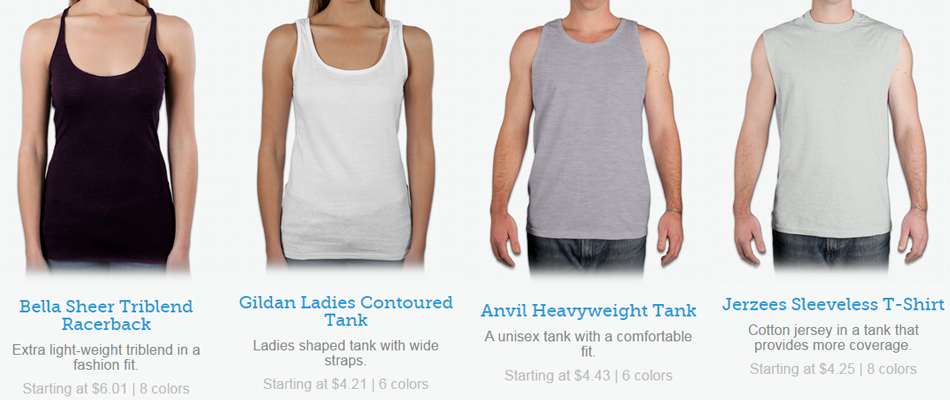
Modern tank tops come in many cuts and styles. Some have thin straps (often called camisoles), while others have wide straps for more coverage. Some fit tightly to the body, while others are loose and flowing. Designers experiment with necklines, colors, prints, and even decorative elements like lace or mesh panels.
Common Tank Top Styles
- Classic athletic tank: Wide shoulder straps, scoop neck, fitted cut
- Racerback tank: Straps join between shoulder blades, popular for sports
- Camisole: Thin spaghetti straps, often used as an underlayer
- Muscle tank: Looser fit, dropped armholes, often worn for workouts
- Fashion tank: Unique cuts, prints, and decorative details
This variety gives people endless choices, making the tank top a flexible item for any wardrobe.
Credit: www.ooshirts.com
The Science Of Comfort: Why Tank Tops Are Popular
It’s not just fashion that makes tank tops popular; science plays a role, too. In hot climates, less fabric means less heat trapped against the skin. The sleeveless design helps sweat evaporate faster, which cools the body. This is especially important for sports, outdoor work, or simply staying comfortable in summer.
Another reason tank tops are loved is psychological. Wearing less restrictive clothing can make people feel freer and more confident. This sense of ease and relaxation is a big part of the tank top’s appeal.
Data On Tank Top Popularity
Surveys from fashion retailers show that tank tops are one of the top-selling summer items worldwide. Sales spike during warm months, and interest in athletic versions remains strong year-round. In fitness communities, tank tops are regularly ranked as the most preferred gym shirt, especially among younger age groups.
Tank Tops And Gender: Who Wears Them And Why?
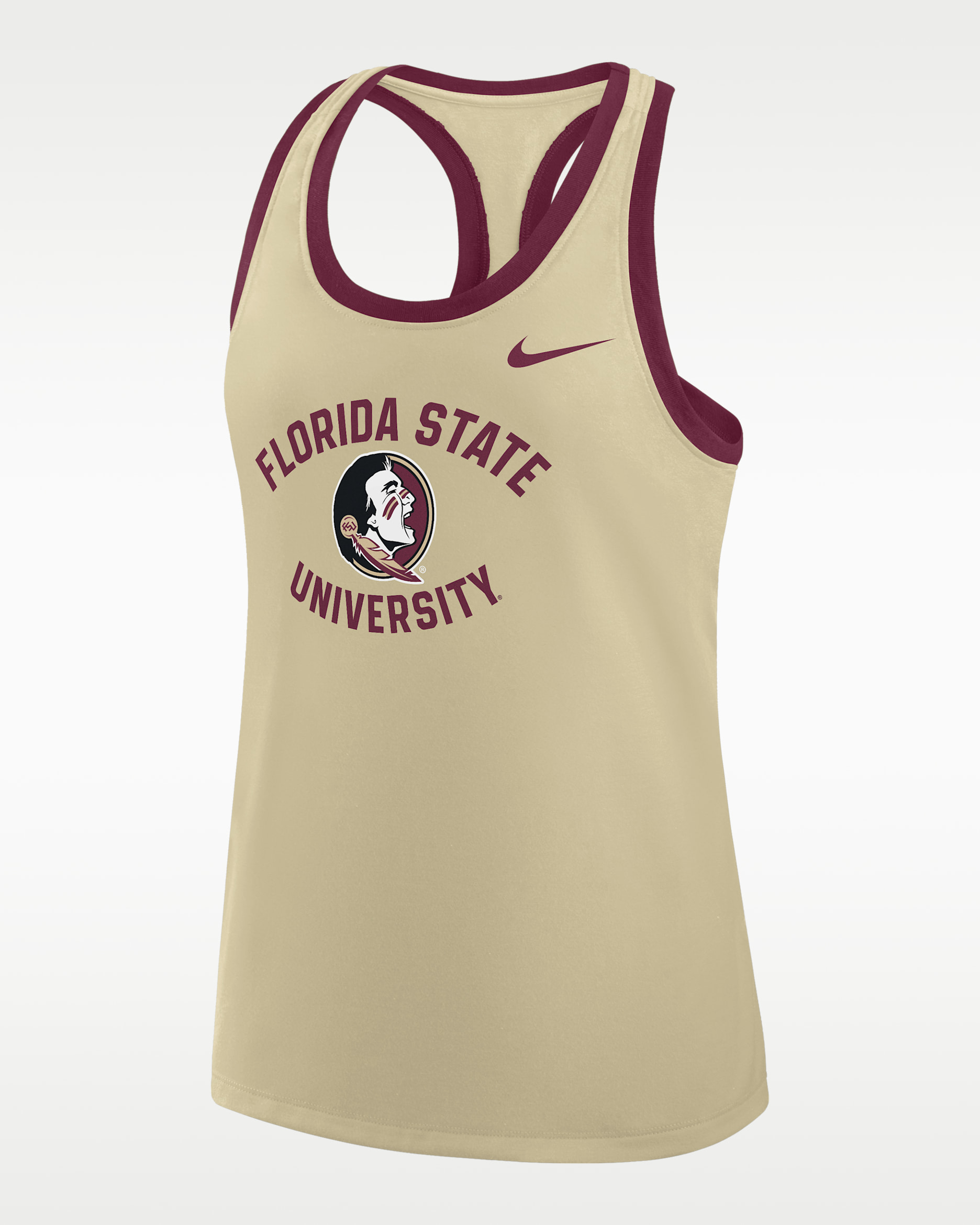
Tank tops are worn by people of all genders, but the styles and social meanings can differ. In some places, a tank top might be seen as a men’s undershirt, while in others, it’s a fashion piece for women. The garment crosses gender lines, showing up in men’s, women’s, and even children’s clothing sections.
For men, tank tops often signal athleticism or casual style. For women, tank tops can be practical or dressy, depending on fabric and design. Gender norms around tank tops are shifting, with more unisex styles appearing. Today, anyone can choose a tank top that fits their personal style, regardless of gender.
Gender Differences In Tank Top Design
| Feature | Men’s Tank Tops | Women’s Tank Tops |
|---|---|---|
| Fit | Usually straight or loose | Often fitted or shaped |
| Strap Width | Wider straps | Narrower or adjustable straps |
| Neckline | Scoop or crew neck | Scoop, V-neck, or straight |
| Typical Use | Sports, casual | Casual, fashion, layering |
This flexibility is one reason the tank top remains so popular and widely accepted.
Credit: www.nike.com
Tank Tops And Social Perception
Although tank tops are now common, there have been periods when wearing them was controversial. In certain places or social settings, tank tops were seen as too revealing or informal. Some schools or workplaces banned tank tops, calling them inappropriate.
However, social attitudes have relaxed in many areas, and tank tops are now accepted in most casual settings.
Still, cultural differences remain. In some countries, showing shoulders is not acceptable in public, while in others, tank tops are the norm in summer. Understanding local customs is important if you plan to wear a tank top while traveling.
Non-obvious Insights About Tank Top Perception
- Fashion cycles: Items once seen as rebellious (like tank tops) can become mainstream as trends shift.
- Dress codes: Some places still have strict rules about shoulder-baring clothes. Always check before wearing a tank top to formal events or religious sites.
Misconceptions And Myths About The Tank Top Name
Many people guess the name “tank top” comes from military tanks or construction tanks, but these ideas are incorrect. The real origin is much simpler and linked to swimming pools, not heavy machinery. Another myth is that tank tops were always casual wear.
In fact, their first use was quite sporty and practical.
Some also believe tank tops are only for young or athletic people. This is not true; tank tops are for anyone who values comfort and style. The range of designs now includes options for all ages and body types.
Tank Top In Modern Fashion And Trends
Today’s tank tops show up on runways and in streetwear. Designers play with fabrics, cuts, and prints to keep the item fresh and trendy. Eco-friendly materials are also on the rise, with organic cotton and recycled fibers being used more often.
Tank tops work as both statement pieces and basic wardrobe staples. They can be dressed up with a blazer or dressed down with shorts. The layering possibilities make tank tops a must-have for many people. The fashion industry continues to find new ways to reinvent this classic piece.
How Tank Tops Are Styled Today
- Layering: Under jackets, shirts, or cardigans for different looks.
- Accessorizing: Paired with bold jewelry or hats for extra flair.
- Mixing textures: Cotton, silk, mesh, or ribbed knits add variety.
- Prints and graphics: Logos, slogans, and patterns make tank tops unique.
Fashion blogs and magazines feature tank tops year after year, proving their staying power.
Environmental Impact And Sustainability
As with all clothing, tank tops have an environmental footprint. The choice of material, production process, and how long a garment is used all play a role. Cheap, fast-fashion tank tops may use non-sustainable fabrics and dyes. However, many brands now offer eco-friendly versions.
Choosing a tank top made from organic cotton or recycled materials can reduce your impact.
Washing tank tops in cold water and air-drying them also saves energy. Donating or recycling old tank tops keeps them out of landfills. These small choices help make the tank top’s popularity more sustainable.
Why Knowing The Name’s Origin Matters
Understanding where the tank top name comes from is about more than history. It connects us to a time when public swimming was new and exciting. It also shows how language, culture, and fashion evolve together. The tank top’s journey from the swimming pool to global fashion is a reminder that even simple clothes have rich stories.
Knowing the origin can also help you use the correct terms when shopping or traveling. It’s a great conversation starter and a piece of trivia that adds depth to your understanding of everyday style.
Frequently Asked Questions
Why Is It Called A Tank Top?
The name “tank top” comes from the “tank suit,” which was an early swimsuit worn in public swimming tanks (pools). The sleeveless top part of the suit became popular by itself and kept the “tank” name. It has nothing to do with military tanks.
What Is The Difference Between A Tank Top And A Camisole?
A tank top usually has wider straps and a more athletic cut, while a camisole has thin “spaghetti” straps and is often worn as an underlayer. Camisoles can also be made from lighter, silkier fabrics.
Are Tank Tops Only For Sports?
No, tank tops are worn for many reasons: sports, fashion, comfort, and layering. While they started as swimwear and sportswear, today’s tank tops are versatile and can be styled for almost any casual occasion.
Can Women And Men Both Wear Tank Tops?
Yes, tank tops are made for all genders. The designs may differ in fit, strap width, and neckline, but anyone can wear a tank top that suits their style and comfort.
Are There Places Where Tank Tops Are Not Appropriate?
Yes, some workplaces, schools, and cultural or religious sites may have dress codes that do not allow tank tops. It’s always a good idea to check local rules before wearing one in formal or sensitive settings. For more about cultural clothing norms, see Wikipedia’s article on dress codes.
Tank tops are more than just a piece of clothing. They carry a story, reflect changing times, and adapt to many lives and cultures. Next time you pull one on, you’ll know the surprising journey behind its name—and maybe appreciate it a little more.
