

When'S the Best Time to Workout for Maximum Results?
When’s The Best Time To Workout
Finding the best time to workout is a question many people ask. Is it better to exercise in the morning, afternoon, or evening? Some say early workouts give more energy, while others believe late sessions help relax after a busy day.
But the answer is not the same for everyone. What matters most is your goals, daily schedule, and how your body feels at different times.
Understanding when to exercise can help you get more from your workouts. It can also make fitness easier to stick with. In this article, you’ll learn how different times affect your body, which time is best for specific goals, and how to decide what works for you.
You’ll also see real data, practical tips, and answers to common questions. By the end, you’ll know how to choose the best workout time for your life.
Why Workout Timing Matters
Choosing the right workout time can change how you feel, perform, and recover. Your body works differently at different hours because of circadian rhythm. This is your body’s natural clock, which controls hormones, temperature, and energy levels. For example, your body temperature is usually lower in the morning and higher in the late afternoon.
Here are some ways workout timing affects your results:
- Energy levels: Some people feel more awake in the morning, while others have more strength later in the day.
- Hormones: Hormones like cortisol and testosterone change throughout the day. These affect muscle growth and fat burning.
- Sleep quality: Exercising too late can make it harder to sleep, especially intense workouts.
- Consistency: Picking a time that fits your routine helps you stick to your plan.
Studies show that the best time to workout is not the same for all. It depends on your body, goals, and lifestyle.
Morning Workouts: Pros And Cons
Many fitness experts recommend morning workouts for busy people. Let’s look at the benefits and possible drawbacks.
Benefits Of Morning Exercise
- Boosts metabolism: Exercising early can increase calorie burn during the day.
- Improves discipline: People who workout in the morning are more likely to stay consistent.
- Enhances mood: Morning exercise releases endorphins, which can help you feel happy and focused.
- Better sleep: Early workouts rarely disturb sleep, and may even improve sleep quality.
- Fewer distractions: You’re less likely to skip workouts before daily tasks pile up.
Drawbacks Of Morning Exercise
- Lower body temperature: Your muscles are colder and less flexible, which can raise injury risk.
- Less strength: Studies show muscle power is usually lower in the morning.
- Needs extra warm-up: You may need a longer warm-up to avoid injury.
- Can feel sluggish: Some people feel sleepy and less motivated early in the day.
Who Should Choose Morning Workouts?
- People with busy schedules who want to finish exercise early.
- Those aiming for weight loss, as morning workouts can help burn more fat.
- Anyone needing to improve discipline or build a healthy habit.
Afternoon Workouts: Pros And Cons
Afternoon workouts are less popular, but many find this time ideal. Here’s what makes this slot special.
Benefits Of Afternoon Exercise
- Higher energy: Most people feel more awake and strong around midday.
- Improved performance: Studies show reaction time, muscle strength, and flexibility peak in the afternoon.
- Balanced hormones: Testosterone is often higher, which helps muscle growth.
- Social benefits: Gyms are usually busier, making it easier to join group classes or train with friends.
Drawbacks Of Afternoon Exercise
- Busy gyms: Crowds can make it harder to use equipment.
- Work conflicts: Afternoon workouts may clash with work or school schedules.
- Distractions: Daily tasks or meetings can interrupt your routine.
Who Should Choose Afternoon Workouts?
- People who want maximum strength and performance.
- Those who prefer group exercise or team sports.
- Anyone who feels most energetic after lunch.
Evening Workouts: Pros And Cons
Evening workouts are popular with those who have full days. They come with unique advantages and challenges.
Benefits Of Evening Exercise
- Peak strength: Studies show muscle performance is highest in the evening.
- Stress relief: Exercising after work helps reduce stress and relax.
- Flexible schedule: You can take your time without rushing to work or school.
- Better recovery: Body temperature is higher, reducing injury risk.
Drawbacks Of Evening Exercise
- Can affect sleep: Hard workouts too late can disturb sleep for some people.
- More distractions: Family, dinner, or social events may interrupt evening routines.
- Lower discipline: Some people feel tired and skip workouts after a long day.
Who Should Choose Evening Workouts?
- People who need stress relief after work.
- Those who want to maximize strength gains.
- Anyone whose schedule is less busy at night.
Comparing Workout Times: Data And Insights
To understand the differences, let’s compare how your body responds at different times. Here’s a useful table showing key factors:
| Factor | Morning | Afternoon | Evening |
|---|---|---|---|
| Muscle Strength | Low | Medium | High |
| Flexibility | Low | Medium | High |
| Fat Burning | High | Medium | Medium |
| Consistency | High | Medium | Low |
| Sleep Impact | Positive | Neutral | Negative (if late) |
| Injury Risk | Higher | Lower | Lowest |
As you can see, each time has strengths and weaknesses. For example, evening exercise is best for muscle strength, but morning workouts are more consistent.
How Your Goals Affect Workout Timing
The best workout time also depends on your goals. Let’s break down the ideal time for different fitness targets.
Weight Loss
If your main goal is weight loss, morning workouts can help. Exercising before breakfast may increase fat burning. Studies show people burn more fat when they exercise on an empty stomach. But keep in mind, intensity may be lower.
Muscle Gain
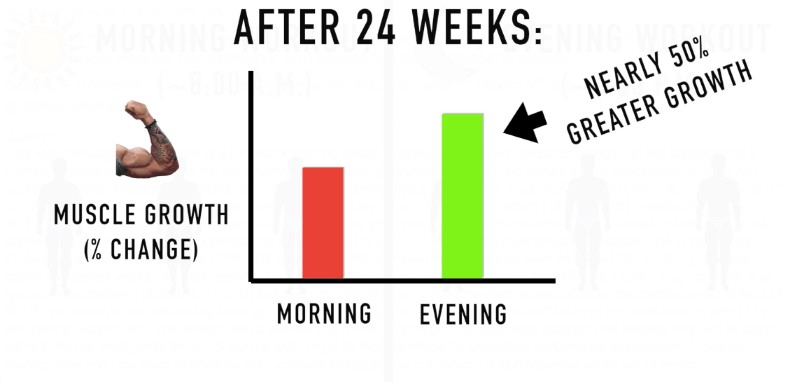
To build muscle, the afternoon or evening is often best. Your body is warm, hormones are balanced, and strength is highest. This helps you lift heavier and recover better.
Endurance
For endurance training (like running or cycling), late afternoon is ideal. Body temperature is higher, which improves performance and reduces injury risk.
Stress Reduction
If you want to lower stress, evening workouts work well. Exercise helps relax your mind after a busy day.
Consistency
The best time for consistency is when you can stick to your routine. For many, mornings are best because there are fewer distractions. But any time you can make regular is good for long-term results.
Real-life Examples
Let’s see how people choose workout times based on their lives.
- Busy parent: Sarah works full-time and has two kids. She finds early morning best, before her family wakes up. This way, she never misses a session.
- Student athlete: Mark prefers afternoon workouts. His classes finish by noon, so he trains when his energy peaks.
- Office worker: John exercises in the evening after work. He uses the gym to relax and clear his mind.
Each person chooses a time that fits their schedule and energy.
How To Find Your Ideal Workout Time
Finding the best time for you is not just about science. It’s about your routine, body, and goals. Here’s how to decide:
- Track your energy: For one week, write down when you feel most awake and strong.
- Try different times: Test workouts at morning, afternoon, and evening.
- Check your performance: Notice when you lift more, run faster, or feel better.
- Look at your schedule: Pick a time you can repeat every week.
- Listen to your body: Don’t force yourself to workout when you feel tired or sick.
Most people find a time that feels right after some trial and error.
Tips For Maximizing Your Workout
No matter when you exercise, you can get more from your sessions with smart strategies. Here are some proven tips:
- Warm up well: Warm up longer in the morning to avoid injuries.
- Eat right: Have a light meal or snack if you feel weak, especially before afternoon or evening workouts.
- Stay hydrated: Drink water throughout the day, not just before exercise.
- Sleep enough: Good sleep improves workout results at any time.
- Plan ahead: Lay out clothes and gear the night before if you train early.
- Be flexible: If you miss your favorite time, don’t skip the workout. Adjust and keep moving.
Common Mistakes When Choosing Workout Time
Many beginners make mistakes when picking their workout time. Avoid these traps:
- Copying others: Your ideal time may not match friends or trainers.
- Ignoring sleep: Late-night workouts can reduce sleep quality.
- Skipping warm-up: Especially in the morning, skipping warm-up raises injury risk.
- Inconsistency: Changing your workout time often can hurt your progress.
- Overtraining: Don’t force hard workouts at your weak hours.
Instead, focus on what works for your lifestyle and body.
The Role Of Chronotype
Your chronotype is your natural preference for waking and sleeping. Some people are “early birds,” while others are “night owls.” This affects your best workout time.
- Early birds: Perform best in the morning.
- Night owls: Stronger and more alert in the evening.
- Intermediate types: May prefer afternoons.
Knowing your chronotype helps you pick a time when you feel most energetic. If you’re unsure, watch your sleep and energy patterns.
Workout Types And Best Timing
Different workouts can be more effective at certain times. Here’s a quick guide:
- Cardio: Morning is good for fat burning, but afternoon improves performance.
- Strength training: Evening is best for heavy lifts.
- Yoga or stretching: Early morning or evening helps relax and focus.
- HIIT (high-intensity): Afternoon is ideal for max energy.
This table summarizes which workout fits which time:
| Workout Type | Best Time | Reason |
|---|---|---|
| Cardio | Morning | Fat burning, consistency |
| Strength | Evening | Peak strength, lower injury risk |
| Yoga | Morning/Evening | Focus, relaxation |
| HIIT | Afternoon | Energy, performance |
If you change your workout type, adjust the timing for best results.

Credit: www.youtube.com
Adjusting Workout Time For Age And Health
As people age, their energy and sleep patterns change. Here’s how age and health can affect workout timing:
- Older adults: May prefer morning workouts for discipline and better sleep.
- People with health issues: Should choose a time when symptoms are lowest.
- Children and teens: Often perform best in the afternoon.
If you have a medical condition, ask your doctor for advice before changing workout time.
How Environment Affects Workout Time
Sometimes, your surroundings affect when you can exercise:
- Hot climates: Morning or evening are best to avoid heat.
- Cold climates: Afternoon is warmer and safer.
- Busy cities: Early morning avoids crowds and traffic.
Listen to your body and adjust for safety and comfort.
Group Vs. Solo Workouts
If you prefer group workouts, timing matters:
- Group classes: Usually run in the evening or afternoon.
- Solo training: Flexible, can fit any time.
Some people stay more motivated with others, while solo workouts give more freedom. Choose what helps you stick with your plan.
How Sleep And Nutrition Impact Workout Timing
Sleep and food have a big impact on your workout. Here’s how:
- Good sleep: Helps energy and performance at any time.
- Poor sleep: Makes morning workouts harder.
- Eating before exercise: A light meal or snack can boost afternoon or evening workouts.
- Fasting: Morning workouts may be easier on an empty stomach, but some people feel weak.
Try different routines and notice how you feel.
Credit: www.fondation-enovos.lu
Building A Consistent Habit
Consistency is more important than perfect timing. Here’s how to create a routine:
- Pick a time you can repeat: Morning, afternoon, or evening—choose what fits your life.
- Set reminders: Use alarms or calendar alerts.
- Prepare gear: Lay out workout clothes and equipment.
- Start small: Begin with short workouts, then increase length.
- Reward yourself: Celebrate milestones to stay motivated.
Over time, your body will adjust, and exercise will feel natural.
What Science Says About Workout Timing
Research shows that the differences between morning, afternoon, and evening workouts are real—but not huge for most people. For example:
- One study found that evening workouts increased strength by 5–10% compared to morning sessions.
- Another study showed morning exercise improved mood and reduced stress all day.
- Afternoon workouts produced the best endurance and performance for many athletes.
However, the most important factor is consistency. As long as you workout regularly, you’ll see results.
For more in-depth data, visit Sleep Foundation.
Comparing Workout Timing For Different Goals
Let’s compare the ideal time for popular fitness goals:
| Goal | Best Time | Why |
|---|---|---|
| Weight Loss | Morning | Higher fat burning |
| Muscle Gain | Evening | Peak strength, balanced hormones |
| Endurance | Afternoon | Better performance, lower injury risk |
| Stress Relief | Evening | Relax after work |
| Consistency | Morning | Fewer distractions |
Two Non-obvious Insights
- Your body adapts to your chosen workout time. If you always train at the same hour, your body gets used to it, making performance better over time—even if science says another time is “best.”
- Meal timing affects workout results more than the clock. Eating a balanced meal or snack before exercise can boost energy and performance, even if you train at a less ideal time.
Credit: pneudirect.it
Final Thoughts
There is no single answer to when’s the best time to workout. Morning, afternoon, and evening all have unique benefits. The most important factor is finding a time you enjoy and can repeat. Choose a slot that fits your goals, routine, and body.
Track your progress and adjust if needed. Remember, consistency beats perfect timing. With the right habit, you’ll see results no matter what the clock says.
Frequently Asked Questions
What If I Can’t Stick To The Same Workout Time Every Day?
It’s okay to change your workout time if your schedule is busy. Try to exercise at least three times a week, even if the hour is different. Your body will still benefit, but building a habit is easier with a regular routine.
Is It Safe To Workout Late At Night?
Exercising late is safe for most people, but it can affect sleep quality. If you notice trouble sleeping, try to finish workouts at least two hours before bedtime. Choose lighter exercises, like yoga or stretching, if you train late.
Can I Get The Same Results From Morning And Evening Workouts?
Yes, you can achieve similar results with both morning and evening workouts. The key is consistency, proper warm-up, and listening to your body. Adjust your eating and sleep habits to match your workout schedule.
Should I Eat Before My Workout?
Eating before exercise depends on your time and workout type. For morning workouts, some prefer training on an empty stomach, while others need a small snack. For afternoon or evening workouts, eat a balanced meal 1–2 hours before. Try different options and see what feels best.
How Long Should My Workout Be?
Most experts recommend 30–60 minutes per session. The length depends on your goals, fitness level, and workout type. Short, intense workouts can be effective, while longer sessions may help with endurance. Focus on quality, not just quantity.
Now you know how to choose the best workout time for your life. Use these tips, listen to your body, and enjoy your fitness journey.
