

When's the Best Time to Workout for Maximum Results?
When's The Best Time To Workout
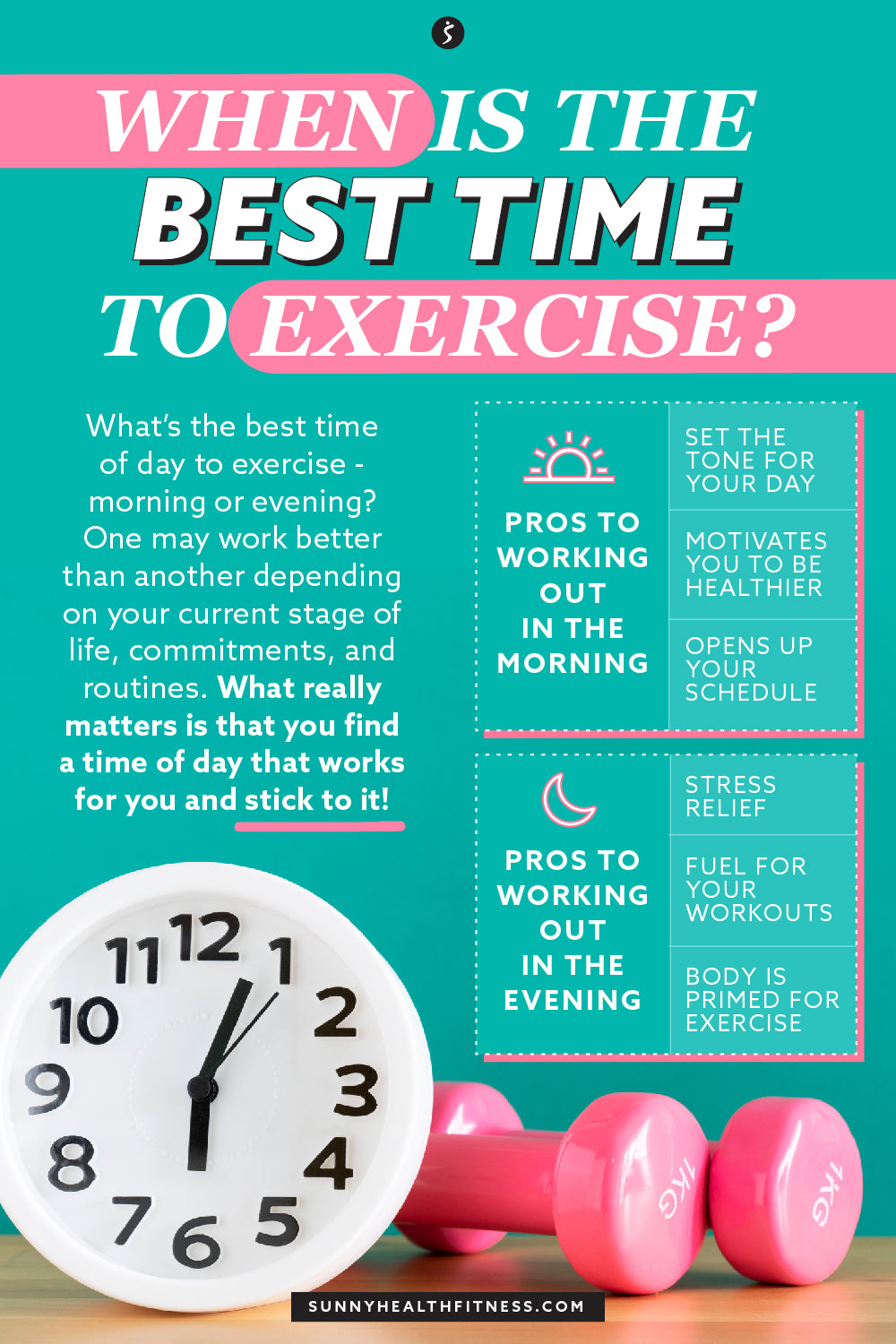
Finding the best time to workout can feel confusing. Some people swear by early mornings, while others believe late afternoons or evenings give the best results. The truth is, there’s no one-size-fits-all answer. Your best time depends on your goals, schedule, and even your body’s natural rhythms. Understanding how timing affects your performance, energy, and results can help you build a workout habit that sticks—and delivers real benefits.
This guide will break down everything you need to know about workout timing. You’ll discover how mornings, afternoons, and evenings affect your body differently. We’ll look at science, practical tips, and common myths. By the end, you’ll have clear answers and the confidence to choose the best time for your own workouts.
Why Workout Timing Matters
Your body is not the same all day. It follows a natural pattern called the circadian rhythm. This internal clock affects your energy, hormones, and even how your muscles perform. When you exercise at different times, your body responds in unique ways. For example, some hormones that help burn fat are higher in the morning. Your body temperature and strength often peak in the afternoon. Understanding these patterns can help you get more from every session.
But timing is not just about biology. Your daily routine, work schedule, and family life also play a big role. The best time for you is when you can exercise consistently and safely, without feeling rushed or stressed.
Morning Workouts: Pros And Cons
Benefits Of Exercising In The Morning
1. Boosts Metabolism Early
Working out in the morning can kick-start your metabolism. This means your body burns more calories during the day, even after you finish exercising.
2. Increases Consistency
Morning workouts are less likely to be interrupted by unexpected events. You finish your exercise before the day gets busy, making it easier to build a routine.
3. Improves Mood And Focus
Physical activity releases endorphins, chemicals in your brain that make you feel happier. Many people find that starting the day with exercise improves their focus and mood.
4. Better For Weight Loss
Some studies suggest that exercising before breakfast helps the body use fat for energy. This can support weight loss goals.
5. Fewer Distractions
Early mornings are usually quieter. The gym is less crowded, and you face fewer distractions.
Downsides Of Morning Workouts
1. Stiff Muscles
Your body temperature is lower in the morning, making muscles stiffer. This increases the risk of injury if you skip a good warm-up.
2. Lower Strength And Performance
Your strength and power are usually lower right after waking up. You might not lift as much weight or run as fast.
3. Difficult For Night Owls
If you naturally wake up late, morning workouts can feel forced. It may be hard to push your body when you’re still sleepy.
4. Extra Preparation Needed
You may need to wake up earlier to eat, hydrate, and get ready. This requires planning and discipline.
Who Should Choose Morning Workouts?
- People with busy afternoons or evenings
- Those looking for a consistent routine
- Anyone focused on weight loss or building a morning habit
- Early risers who feel alert and motivated after waking up
Afternoon Workouts: Pros And Cons
Benefits Of Exercising In The Afternoon
1. Peak Physical Performance
Your body temperature and hormone levels peak in the afternoon. This means your muscles are warmer, and you may feel stronger and faster.
2. Improved Focus And Reaction Time
Studies show that your reaction time is better in the afternoon. This is helpful for sports and activities that require coordination.
3. Reduced Injury Risk
Warmer muscles are less likely to get injured. Afternoon workouts often allow for more intense training.
4. Stress Relief
Exercising after work or school can help you unwind and release the day’s tension.
5. Easier To Eat And Hydrate
You’ve already eaten a meal or two, so your body has energy for a strong workout.
Downsides Of Afternoon Workouts
1. Possible Schedule Conflicts
Afternoons can be busy with meetings, classes, or family duties. It’s easy to skip a session if something comes up.
2. Crowded Gyms
Many people exercise after work or school, so gyms can be crowded.
3. Energy Dips
Some people feel sleepy or less energetic in the early afternoon, especially after lunch.
Who Should Choose Afternoon Workouts?
- People who want to maximize strength and performance
- Anyone training for sports or competitions
- Those who find mornings difficult or unproductive
Evening Workouts: Pros And Cons
Benefits Of Exercising In The Evening
1. High Performance Potential
Your body is fully awake and fueled. Many people can lift heavier or exercise longer in the evening.
2. Stress Release
Evening workouts can help clear your mind and reduce stress built up during the day.
3. More Flexible Time
You may have more free time in the evening, making it easier to fit in longer or more relaxed sessions.
4. Better Social Opportunities
Evenings are popular for group classes, sports teams, or working out with friends.
5. Sleep Quality Improvement (for Some)
Some studies show that moderate exercise in the evening helps certain people fall asleep faster.
Downsides Of Evening Workouts
1. Possible Sleep Disruption
Intense exercise close to bedtime may make it harder for some people to fall asleep.
2. Tiredness
You may feel mentally and physically tired after a long day, making it harder to find motivation.
3. Late-night Eating
Working out late can lead to eating after the session, which may not suit everyone’s digestion or weight goals.
4. Family And Social Time Conflicts
Evenings are often reserved for family or relaxation, so workouts can compete with other priorities.
Who Should Choose Evening Workouts?
- People who need to de-stress after a busy day
- Those who struggle to wake up early
- Anyone with a flexible schedule in the evening
- People who want to train with friends or groups
Comparing Workout Times: What Science Says
Researchers have studied the effects of exercise timing on performance, fat burning, and muscle growth. While results vary, some trends are clear.
| Workout Time | Performance | Fat Burning | Consistency | Sleep Impact |
|---|---|---|---|---|
| Morning | Lower | Higher (fasted) | High | Positive |
| Afternoon | Peak | Moderate | Moderate | Neutral |
| Evening | High | Lower | Low-Moderate | Varies |
Key Insights From Science
- Strength and power are usually highest in the late afternoon and early evening.
- Fat burning is often higher in the morning, especially before breakfast.
- Consistency is easier for people who exercise early, before their day gets busy.
- Sleep quality can be affected by late-night intense workouts, but moderate evening exercise may help some people sleep better.
The Role Of Circadian Rhythm
Your body has a built-in clock called the circadian rhythm. This affects everything from hormone release to body temperature and alertness. Here’s how it impacts exercise:
- Body temperature is lowest in the early morning and highest in the late afternoon. Warmer muscles work better and are less likely to get injured.
- Cortisol is a hormone that helps you wake up. It’s higher in the morning, which may support fat burning but can also make intense workouts feel harder.
- Testosterone and other growth hormones peak in the afternoon and evening, supporting muscle growth and performance.
Understanding your circadian rhythm can help you pick the time when you feel strongest and most alert. But personal preference and life schedule often matter more.
How Your Goals Affect The Best Time To Workout
For Weight Loss
- Morning workouts may give a slight edge if you exercise before breakfast. Your body uses more stored fat for energy.
- The most important factor for weight loss is consistency. Choose the time you can stick with, not just what burns the most calories in theory.
For Building Muscle And Strength
- Afternoon and evening are usually best. Your body is warmer and stronger, and hormone levels support muscle growth.
- If you can’t train later, don’t worry—morning sessions can still build strength if you warm up well and train regularly.
For Better Sleep
- Morning or early afternoon workouts rarely disturb sleep. In fact, exercise early in the day can help you fall asleep faster.
- Intense exercise late at night may keep some people awake. However, moderate evening workouts help others relax and sleep better.
For Stress Relief
- Any time works, but many people find that afternoon or evening exercise helps them unwind after a stressful day.
- Activities like yoga, swimming, or walking are especially calming in the evening.
For Sports Performance
- Late afternoon and early evening are prime time for explosive power, speed, and reaction time. This is when many pro athletes train or compete.
- If you play sports, try to practice at the same time as your games or matches.
Real-life Examples And Insights
Busy Professionals
Imagine someone with a full-time job and family. Early mornings might be the only quiet time for exercise. Even a short 20-minute session can boost energy and mood for the entire day.
Students
Students often have flexible schedules but also face late nights and irregular sleep. Afternoon workouts fit between classes and help reduce stress from studying.
Parents
Parents may find it hard to exercise when kids are awake. Early mornings or after the children’s bedtime are often the best options.
Shift Workers
People who work night shifts or rotating schedules need to listen to their bodies. The best time to workout is when you feel most awake and alert, even if it’s not the traditional morning or evening.
Older Adults
As we age, muscles and joints get stiffer. Mid-morning or afternoon is often best, after the body has warmed up from daily movement.
Myths About Workout Timing
- You must work out in the morning to lose weight.
Not true. While morning exercise may boost fat burning, total calories burned and consistency matter more.
2. Evening Workouts Ruin Your Sleep.
This is not always the case. Many people sleep well after moderate evening exercise. Only intense, late-night training may be a problem.
3. Afternoon Is Always Best For Building Muscle.
Afternoon offers advantages, but you can build muscle at any time with good training and nutrition.
- You have to stick to the same time every day.
Routine helps, but it’s okay to adjust your schedule when needed. Consistency over weeks and months is what counts.
5. You Should Never Exercise On An Empty Stomach.
Fast workouts are safe for most people and may boost fat burning. But listen to your body—if you feel weak, eat a light snack first.
How To Find Your Best Time To Workout
Step 1: Track Your Energy And Motivation
For one week, pay attention to when you feel most energetic and motivated. Note when you feel naturally strong or alert.
Step 2: Test Different Times
Try working out at different times—early morning, midday, afternoon, and evening. Notice how your performance, mood, and recovery change.
Step 3: Compare The Results
Write down your experiences. Did you feel stronger in the afternoon? Was it easier to stay consistent in the morning? Did evening workouts affect your sleep?
Step 4: Choose What Fits Your Life
Pick the time that fits your schedule and feels best for your body. The best workout time is the one you can do regularly.
Step 5: Make Adjustments
Life changes, and so can your routine. If your schedule shifts, adjust your workout time. Flexibility is better than skipping sessions.

Credit: bilyanagolf.ru
Tips For Maximizing Results At Any Time
1. Warm Up Properly
Always warm up, especially in the morning. Spend at least 5-10 minutes moving your body before intense exercise.
2. Fuel Your Body
Eat a light snack if you feel weak or tired. Good options include a banana, yogurt, or a slice of toast.
3. Hydrate Well
Drink water before, during, and after your workout. Even mild dehydration can hurt performance.
4. Listen To Your Body
Some days, your energy will be low. That’s normal. It’s better to do a light session than skip entirely.
5. Set Clear Goals
Know what you want—weight loss, muscle gain, stress relief, or better health. This helps you choose the best time and type of workout.
6. Prepare Ahead
Lay out your clothes and gear the night before. This removes small barriers that can stop you from working out.
7. Track Your Progress
Use a notebook or app to log your workouts. Celebrate small wins, like working out three days in a row.
8. Avoid Perfectionism
Missing a session is not the end. Get back on track the next day.
9. Mix It Up
If your routine feels boring, try new activities or change your workout time for a fresh start.
10. Find Support
Exercise with a friend, join a class, or use online communities for motivation and accountability.
Table: Workout Timing And Common Goals
Here’s a quick look at which workout times match different fitness goals.
| Goal | Best Time | Why |
|---|---|---|
| Weight Loss | Morning (fasted) or Any Consistent Time | Boosts fat burning, routine is key |
| Muscle Building | Afternoon/Evening | Peak strength, hormone support |
| Stress Relief | Afternoon/Evening | Helps unwind after work |
| Better Sleep | Morning/Early Afternoon | Unlikely to disturb sleep |
| Sports Performance | Late Afternoon/Evening | Peak reaction time and power |

Credit: www.jillianmichaels.com
Common Mistakes When Choosing Workout Time
1. Ignoring Your Body’s Signals
Forcing yourself to exercise at a time that feels wrong can lead to burnout or injury.
2. Changing Times Too Often
While flexibility is good, changing workout times every day makes it hard to build a habit.
3. Skipping Warm-up
This is especially risky in the morning, when muscles are cold and stiff.
4. Not Planning Ahead
Failing to prepare workout clothes, snacks, or water can make it easy to skip sessions.
5. Comparing Yourself To Others
What works for your friend or favorite athlete may not work for you. Focus on your own needs.
Special Considerations
Training For Competitions
If you compete in a sport, try to train at the same time as your matches. This helps your body adjust and perform at its best.
Chronic Health Conditions
If you have health issues like diabetes or heart disease, talk to your doctor about the best time for you. Some medications affect energy and blood sugar levels.
Fasting And Religious Practices
During fasting periods, such as Ramadan, early morning or after sunset are safer times to exercise. Listen to your body and stay hydrated.
Hot Climates
If you live in a hot area, avoid midday workouts outside. Early mornings or evenings are cooler and safer.
Women’s Health
Some women find their energy and strength change during their monthly cycle. Adjust your workout time and intensity as needed.
Credit: anniesdeli.com
Non-obvious Insights Most Beginners Miss
1. Your Best Workout Time May Change Over Time.
As your life and fitness improve, you might find a new time suits you better. It’s normal to change routines.
- Mood and mental focus matter as much as physical energy.
Some people feel mentally sharper in the morning, others at night. Choose a time when you can concentrate, not just when you feel strong.
3. Meal Timing Affects Your Performance More Than The Clock.
Working out too soon after a large meal can cause discomfort. Try to allow at least an hour after eating before intense exercise.
4. Light Exposure Helps Set Your Workout Rhythm.
Getting sunlight in the morning helps your body wake up and adjust to early workouts. In the evening, dim lights after exercise support better sleep.
Making Your Workout Timing Work For You
- Stick to a regular schedule when possible. Your body adapts, making exercise feel easier over time.
- If you miss your usual time, don’t skip your workout. Fit it in whenever you can.
- Celebrate small wins—every session counts towards your health and goals.
Frequently Asked Questions
Is It Better To Exercise On An Empty Stomach?
Exercising before eating, also called fasted cardio, can help burn more fat for some people. But it’s not required for weight loss. If you feel dizzy or weak, eat a small snack first.
Will Working Out At Night Hurt My Sleep?
For most people, moderate evening exercise does not disturb sleep. However, intense workouts right before bed may make it harder to fall asleep. Try to finish exercise at least one hour before sleeping.
Can I Split My Workout Into Several Short Sessions?
Yes! Short sessions add up. Three 10-minute walks or workouts can be as effective as one 30-minute session. This is helpful for busy schedules.
Does The Best Time To Workout Change With Age?
Yes. As you age, your body may prefer different times. Many older adults find mid-morning or afternoon is best, after the body has warmed up. Listen to your body and adjust as needed.
Where Can I Find More Scientific Information About Workout Timing?
For a deeper look at exercise and circadian rhythms, see this resource: Sleep Foundation.
Choosing the best time to workout is about finding what fits your life, body, and goals. Morning, afternoon, or evening—each has unique benefits. The most important thing is to stay active and make exercise a regular part of your routine. If you keep moving and listen to your body, you’ll see results—no matter what time the clock shows.
