

When Do You Wear Smart Casual? Style Tips for Every Occasion
Smart casual is a dress code that often confuses people. It is not as formal as business wear, but it is not as relaxed as everyday casual clothes. Many people struggle to know when to wear smart casual and how to get it right.
If you want to look stylish and respectful without feeling overdressed or too relaxed, understanding smart casual is important. This article will guide you through when smart casual is appropriate, what it means in different situations, and how to make smart choices that suit the occasion.
You will learn practical tips, common mistakes, and find real examples to help you feel confident and comfortable.
What Is Smart Casual?
Smart casual is a mix of formal and casual clothing. It is less strict than business formal but more polished than casual wear. The goal is to look neat, stylish, and comfortable. For men, smart casual can mean a button-down shirt with nice trousers and clean shoes.
For women, it can mean a blouse with tailored pants or a simple dress with smart flats.
Smart casual is not the same everywhere. In some places, it is closer to business wear; in others, it feels more relaxed. The most important thing is to look tidy and put together. Avoid clothes that are too sporty or too worn out.
Smart casual lets you show your personality while respecting the event or place.
When To Wear Smart Casual
Knowing when smart casual is expected can save you from feeling out of place. Here are the most common situations where smart casual is the right choice:
1. Workplaces With Flexible Dress Codes
Many offices now use smart casual as their standard dress code. You do not need a suit, but jeans and t-shirts are too relaxed. Smart casual is perfect for creative jobs, tech companies, and modern workplaces.
- Button-up shirts, polo shirts, neat sweaters
- Chinos or dark jeans without rips
- Closed-toe shoes, loafers, or dressy sneakers
2. Networking Events
At professional gatherings, smart casual helps you look approachable but serious. You will meet people from different backgrounds, so this style keeps you prepared for both casual conversations and business talks.
- Clean blazers, nice tops, tailored pants
- Avoid shorts, flip-flops, or athletic wear
3. Dinner Parties And Social Gatherings
When friends invite you to a dinner party or a family celebration, smart casual is a safe bet. It shows you care about the event without feeling stiff.
- Simple dresses, skirts, trousers
- Smart shoes, minimal jewelry
4. Restaurant Outings
Many restaurants, especially those not too formal, expect smart casual. You will not look out of place, and you will feel comfortable.
- Collared shirts, blouses, dressy jeans
- Avoid sportswear, hats indoors
5. Art Galleries And Cultural Events
Art shows, gallery openings, and theater nights usually call for smart casual. You want to look stylish but not too flashy.
- Neutral colors, simple patterns
- Layer with a smart jacket or cardigan
6. Interviews For Creative Or Non-corporate Roles
If the company is relaxed but still expects professionalism, smart casual is ideal. It shows respect and personality.
- Clean, ironed clothes
- Polished shoes
7. Travel And Conferences
When attending conferences, especially those outside your industry, smart casual is often the standard. Traveling for business also calls for this style.
- Comfortable but neat outfits
- Avoid overly formal or too relaxed pieces
Key Elements Of Smart Casual
Understanding what belongs in smart casual is essential. Here are the main clothing items and accessories:
For Men
- Collared shirts: Button-up or polo
- Blazers: Optional, but make the outfit smarter
- Chinos: Better than jeans, but dark jeans can work
- Dress shoes: Loafers, brogues, clean sneakers
- Sweaters: Fine knit, not bulky or sporty
For Women
- Blouses: Simple or patterned
- Smart trousers: Tailored, not tight or baggy
- Dresses and skirts: Knee-length or longer
- Cardigans or blazers: Add polish
- Flats or low heels: Avoid overly casual sandals
Accessories
- Minimal jewelry
- Leather belts
- Neutral bags
Smart casual avoids loud logos, athletic wear, and overly casual items. Clean, well-fitted clothes are essential. If you are unsure, aim for a bit more formal than everyday wear.
Smart Casual Vs Other Dress Codes
Smart casual is often confused with other dress codes. Below is a comparison to help you see the differences:
| Dress Code | Typical Items | Occasions |
|---|---|---|
| Casual | T-shirts, jeans, sneakers | Day-to-day, informal meetups |
| Smart Casual | Blazers, button-ups, chinos | Dinners, work, networking |
| Business Casual | Dress shirts, slacks, loafers | Offices, meetings |
| Business Formal | Suits, ties, formal dresses | Corporate, formal events |
Smart casual is less strict than business casual, but it is more polished than everyday casual. It offers flexibility and comfort without losing respect for the occasion.
Regional Differences In Smart Casual
Smart casual looks different around the world. In Europe, it tends to be more formal. In the US, it is often relaxed. In Asia, smart casual may require more modesty.
- Europe: Dark colors, tailored jackets
- US: Clean jeans, dressy sneakers
- Asia: Covered shoulders, longer skirts
If you travel or attend international events, check local style. Some cultures value tradition or modesty. Dressing smart casual in those places means choosing classic, less revealing pieces.
Smart Casual For Different Age Groups
Smart casual is not just for young professionals. It suits all ages, but the style changes slightly.
Young Adults
- Trendy jackets, slim-fit trousers
- Clean sneakers
Middle-aged
- Classic blazers, neutral colors
- Leather shoes
Seniors
- Soft sweaters, comfortable trousers
- Simple accessories
Choose clothes that fit your age and comfort. Smart casual does not mean following every trend. It is about looking neat and feeling good.
Credit: theartefact.com
Smart Casual For Men: Practical Examples
Men often worry about smart casual. Here are some real-life examples:
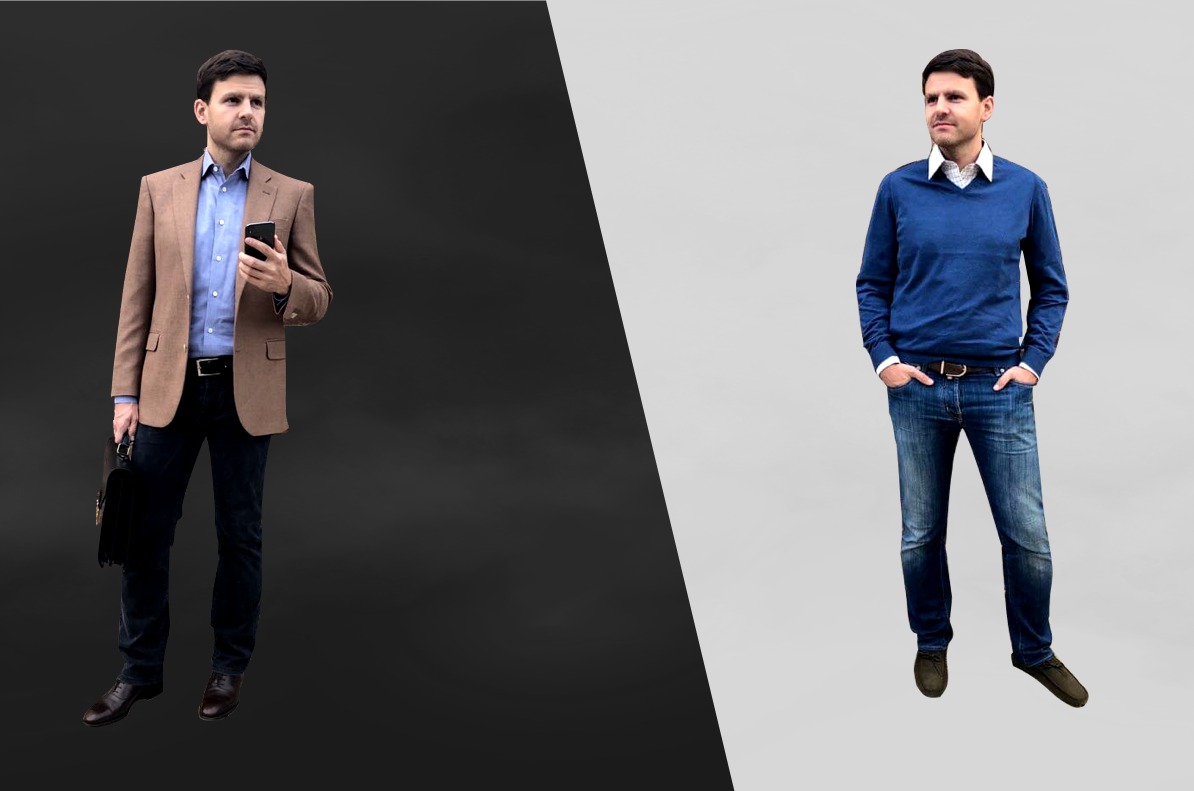
- Office setting: Navy chinos, white shirt, brown loafers, gray sweater
- Dinner: Dark jeans, light blue button-up, black dress shoes
- Networking: Slim trousers, polo shirt, blazer, clean sneakers
- Art gallery: Gray trousers, patterned shirt, leather belt
Avoid shorts, graphic tees, or sandals. If in doubt, add a blazer or smart sweater.
Smart Casual For Women: Practical Examples
Women can enjoy more variety in smart casual. Here are some combinations:
- Workplace: Black trousers, cream blouse, navy cardigan, ballet flats
- Restaurant: Knee-length dress, denim jacket, low heels
- Social event: A-line skirt, patterned top, smart flats
- Conference: Tailored pants, simple sweater, structured bag
Avoid overly tight clothes, flip-flops, or bold prints unless the event allows it.
Smart Casual For Different Seasons
Smart casual changes with the weather. Here are tips for each season:
Spring
- Light blazers, pastel colors, loafers
Summer
- Short-sleeve shirts, linen trousers, smart sandals
Autumn
- Cardigans, dark jeans, ankle boots
Winter
- Fine-knit sweaters, wool trousers, leather shoes
Layering is important. A smart scarf or jacket adds style and warmth.
Mistakes To Avoid With Smart Casual
Many people make mistakes with smart casual. Here are some you should avoid:
- Too casual: Wearing sportswear, shorts, or flip-flops
- Too formal: Suit and tie, evening dress
- Worn-out clothes: Faded jeans, dirty shoes
- Over-accessorizing: Large jewelry, flashy bags
- Ignoring fit: Baggy or too tight clothes
Smart casual is about balance. Choose neat, well-fitted clothes and keep accessories simple.
How To Build A Smart Casual Wardrobe
A smart casual wardrobe does not need to be expensive. Start with basics and add a few key pieces.
- Neutral shirts and blouses
- Tailored trousers and skirts
- Simple dresses
- Classic shoes
- Blazers and cardigans
Mix and match these items. Invest in good quality for basics. Cheap shoes or shirts often look sloppy after a few washes.
Smart Casual For Special Events
Sometimes, special events call for smart casual. These include:
Weddings (non-formal)
If the invitation says smart casual, avoid jeans and t-shirts. Choose a dress or trousers with a nice top.
Graduation Ceremonies
Smart casual is respectful and comfortable. Wear neat clothes and closed shoes.
Birthday Parties
For adult gatherings, smart casual keeps you looking festive but not overdressed.
Family Gatherings
Smart casual is perfect for family events. It shows you care without being too formal.

Credit: www.reddit.com
Smart Casual At Work: What Matters Most
Smart casual at work depends on company culture. Some companies are very relaxed; others want a more polished look.
- Ask HR or check guidelines
- Watch what others wear
- Start more formal, relax later if needed
Many companies allow dark jeans and smart sneakers. If you are unsure, choose trousers and a button-up shirt.
Smart Casual For Remote Work
Remote work has changed dress codes. Video calls often require smart casual. You want to look professional, but comfort matters.
- Wear a clean shirt or blouse
- Avoid pajamas or overly casual tops
- Simple accessories (watch, necklace)
Smart casual helps you look ready for work, even at home.
Smart Casual For School And University
Some schools and universities ask for smart casual at events. This includes presentations, interviews, or graduation.
- Collared shirts, blouses
- Tailored pants or skirts
- Closed shoes
Avoid ripped jeans, graphic tees, or hoodies.
Smart Casual For Evening Events
Evening events often call for smart casual, unless the invitation says formal.
- Dark colors, simple patterns
- Dressy shoes
- Minimal jewelry
If unsure, add a blazer or smart jacket.
How To Adjust Smart Casual For Your Body Type
Smart casual looks best when clothes fit well. Here are tips for different body types:
Petite
- Avoid oversized clothes
- Choose fitted jackets and trousers
Tall
- Layer with longer jackets
- Avoid clothes that are too short
Curvy
- Choose structured tops
- Avoid clingy fabrics
Athletic
- Add texture with sweaters and blazers
- Avoid only sporty clothes
Tailoring helps. If clothes do not fit, get them adjusted.
Smart Casual In The Hospitality Industry
Restaurants and hotels often use smart casual for staff and guests. Dress neatly but comfortably.
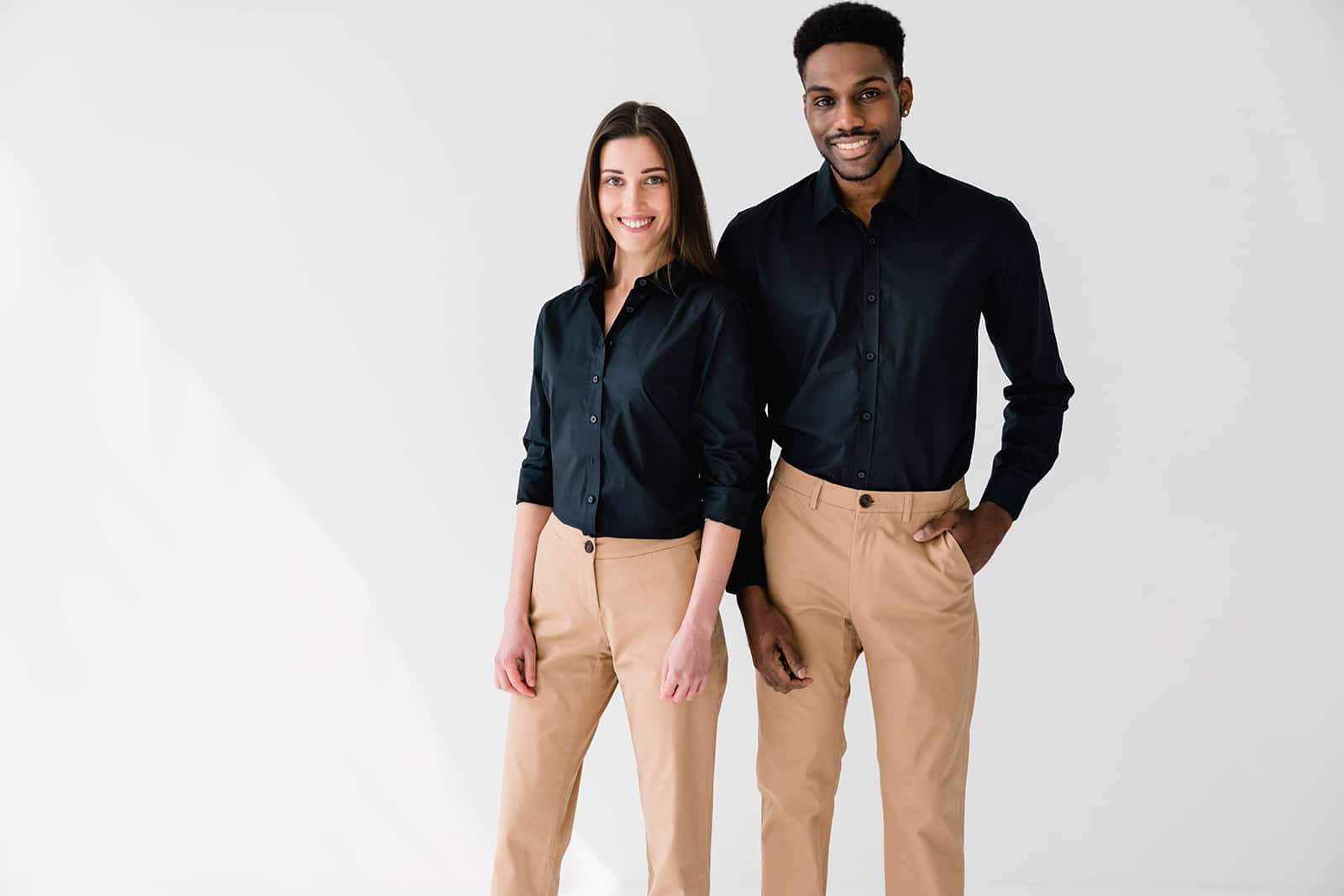
- Staff: Collared shirts, black trousers, closed shoes
- Guests: Blouses, dresses, smart pants
Avoid sportswear or open sandals.
Smart Casual For Religious Events
Some religious events ask for smart casual. Respect local customs.
- Cover shoulders and knees
- Avoid low-cut tops or shorts
- Simple shoes
Ask if unsure. Smart casual means showing respect.
Smart Casual For Travel
Traveling for work or events requires smart casual. It is practical and stylish.
- Comfortable shoes
- Layers for changing weather
- Neutral colors
Avoid clothes that wrinkle easily.
Smart Casual: Real-life Data And Trends
Smart casual is growing in popularity. Surveys show:
- 47% of companies use smart casual as their main dress code
- 61% of people feel more comfortable in smart casual
- 33% of restaurants request smart casual for evening meals
Smart casual helps people feel relaxed but confident. It bridges the gap between formal and informal.
Smart Casual: Quick Comparison With Business Casual
Smart casual and business casual are often confused. Here is a quick comparison:
| Aspect | Smart Casual | Business Casual |
|---|---|---|
| Style | Flexible, modern | Conservative, classic |
| Items | Jeans, sweaters, dressy sneakers | Slacks, dress shirts, loafers |
| Occasions | Social, creative jobs | Traditional offices, meetings |
| Accessories | Minimal, modern | Classic, subtle |
Smart casual is more relaxed. Business casual is more structured.
How To Transition From Casual To Smart Casual
You can upgrade your outfit from casual to smart casual easily.
- Swap t-shirts for collared shirts or blouses
- Replace jeans with chinos or tailored pants
- Add a blazer or cardigan
- Choose smart shoes over sneakers
- Accessorize with a belt or watch
These small changes make a big difference.
Non-obvious Insights About Smart Casual
Most people miss these points:
- Fit matters more than price: Cheap clothes that fit well look better than expensive, ill-fitting pieces
- Smart casual can be personal: You can show your style with color or accessories, as long as you stay neat
- Event organizers care about respect: Smart casual is less about fashion, more about showing you value the event
- Shoes are critical: Dirty or worn shoes ruin the look, even if the outfit is perfect
Credit: wearshift.co
Smart Casual: Frequently Asked Questions
What Should I Avoid In Smart Casual?
Should I Wear Jeans In Smart Casual?
You can wear jeans if they are dark, clean, and without rips. Avoid light-wash, baggy, or distressed jeans. Pair them with smart shoes and a nice shirt.
Is A T-shirt Allowed In Smart Casual?
Basic t-shirts are too casual. A polo or button-up shirt is better. If you choose a t-shirt, layer it with a blazer or cardigan for a smarter look.
Can I Wear Sneakers For Smart Casual?
Dressy sneakers are fine, but avoid athletic or flashy styles. Stick to clean, neutral sneakers. Loafers or leather shoes are safer for formal events.
How Do I Know If An Event Calls For Smart Casual?
Check the invitation or ask the host. If the event is not formal but not relaxed, smart casual is usually right. Look at what others wear at similar events.
What If I Am Unsure About Smart Casual?
When unsure, start slightly more formal. You can always remove a jacket or tie if it feels too much. It is better to look polished than underdressed. For more ideas, see guidelines at Wikipedia.
Smart casual is about balance. It helps you look confident, respectful, and comfortable in many situations. By understanding when and how to wear smart casual, you will always feel prepared. Choose neat, well-fitted clothes, and add your own style. This way, you can enjoy every event without worrying about your outfit.
