

What'S Gym Attire: Essential Tips for Stylish Workout Wear
What’s Gym Attire: The Complete Guide to What to Wear at the Gym
Stepping into a gym for the first time can feel overwhelming. The weights, the machines, the routines—everything is new. But there’s one thing everyone notices right away: what people wear. Gym attire is not just about looking good. It’s about comfort, safety, and getting the most from every workout. No matter if you’re a beginner or a seasoned athlete, understanding gym attire is a big part of making your fitness journey successful and enjoyable.
Many people think gym clothing is just a T-shirt and shorts. But, the right attire actually helps regulate body temperature, prevents injuries, boosts confidence, and lets you focus on your goals. The choices are more varied than ever: high-tech fabrics, styles for every body type, and items designed for specific activities. If you’re not sure what to wear, or you’re curious about how to choose the best gym clothes, this guide will walk you through everything you need to know.
What Is Gym Attire?
Gym attire means the clothes and accessories you wear while exercising at a fitness center or gym. These items are designed to support physical activity. They allow your body to move freely, wick away sweat, and protect you from injuries. Typical gym attire includes tops, bottoms, shoes, socks, and sometimes accessories like gloves or headbands.
But gym attire is not just about function. It can also show your personal style, help you feel more confident, and even improve your performance. People choose gym clothes based on comfort, fit, material, and sometimes even trends or gym culture.
Why Does Gym Attire Matter?
Wearing the right gym attire offers many practical benefits:
- Comfort: Exercise can be uncomfortable if your clothes are too tight, too loose, or made of the wrong material. Good attire keeps you focused on your workout, not on adjusting your outfit.
- Performance: Specialized gym clothing supports your muscles, allows a full range of movement, and helps control body temperature. For example, compression garments can improve blood flow and reduce fatigue.
- Safety: The right shoes and gear prevent slips, blisters, and injuries. Proper attire also reduces the risk of skin irritations and keeps sweat away from your body.
- Hygiene: Gym clothes are easier to wash and dry. They help keep sweat and bacteria away from your skin, which lowers the chance of infections.
- Confidence: Looking and feeling good can boost your motivation and make you more likely to stick to your workout routine.
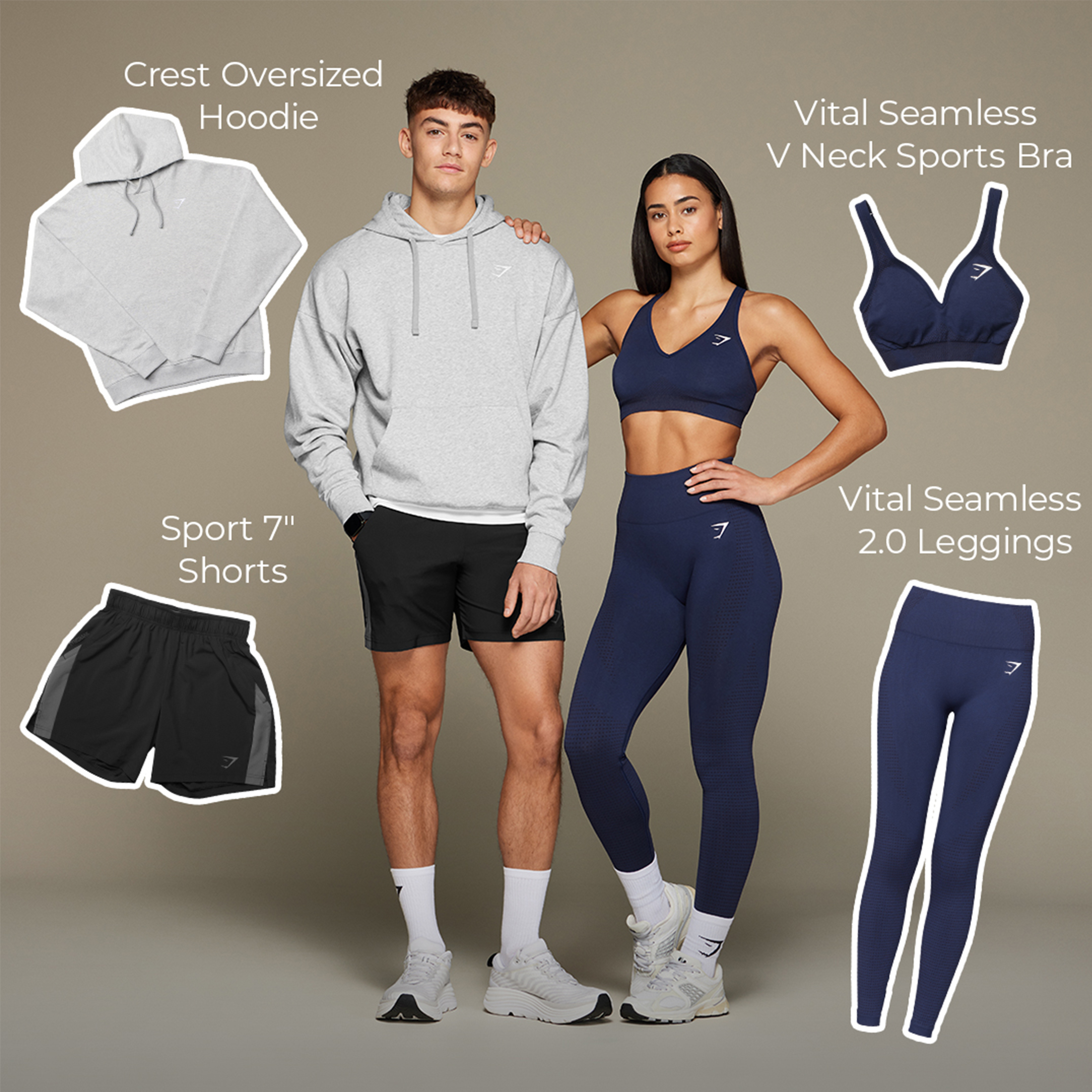
Many people overlook these details and just grab whatever is clean. But the right gym attire can make a real difference in your fitness journey.
Credit: row.gymshark.com
Key Elements Of Gym Attire
Let’s break down the main parts of gym attire and what you should look for in each one.
Tops
Tops are one of the most visible parts of gym attire. T-shirts, tank tops, and long-sleeve shirts are all common. The best gym tops:
- Use moisture-wicking fabrics that pull sweat away from your skin.
- Offer a comfortable fit—not too tight, not too loose.
- Allow full range of motion for your shoulders and arms.
For women, sports bras are essential. They provide support and reduce discomfort during high-impact activities.
Bottoms
Gym bottoms include shorts, leggings, joggers, and sweatpants. The best choice depends on your activity and personal style.
- Shorts are great for cardio or HIIT, as they keep you cool.
- Leggings offer support and coverage, especially for stretching and strength training.
- Joggers and sweatpants are good for warm-ups or cooler environments.
Always choose bottoms with a stretchy waistband and enough flexibility for squats, lunges, and other movements.
Footwear
Shoes are often the most important part of gym attire. The wrong shoes can cause pain or injury.
- Running shoes are best for treadmill and cardio.
- Cross-trainers are designed for gym workouts with varied movements.
- Weightlifting shoes have a stable, flat sole for heavy lifts.
A proper fit is crucial. Try to shop for shoes in the afternoon, when your feet are slightly swollen, to get the most accurate size.
Socks
Many people forget about socks, but they matter a lot.
- Moisture-wicking socks keep your feet dry.
- Cushioned socks prevent blisters and add comfort.
- Avoid cotton socks, as they hold sweat and can cause irritation.
Accessories
Accessories can make your workout easier and more enjoyable:
- Gloves protect your hands during weightlifting.
- Headbands or sweatbands keep sweat out of your eyes.
- Fitness trackers monitor your heart rate and progress.
- Gym bags carry your essentials and keep things organized.
Not everyone needs accessories, but for some people, the right gear can make a big difference.
How To Choose The Right Gym Attire
Picking the right gym attire involves more than choosing what looks good. Here are some key factors to consider:
Material
The best gym clothes are made from technical fabrics that wick moisture away from your skin. Popular materials include polyester, nylon, and spandex. Avoid heavy cotton—it soaks up sweat and becomes uncomfortable.
Fit
Your gym attire should let you move freely, but not get in your way. Try different sizes and styles to find what feels best for your body shape and activity.
- For cardio, choose lightweight, breathable clothing.
- For weightlifting, look for supportive, snug fits.
- For yoga or stretching, stretchy fabrics are ideal.
Activity Type
Some activities need special attire. For example:
- Cycling shorts have padding for long rides.
- Yoga pants are designed to stretch and hold their shape.
- Running shoes are built for forward motion, while cross-trainers are for multi-directional movement.
Matching your attire to your activity not only boosts performance but also keeps you safe.
Climate And Gym Environment
If your gym is air-conditioned, you might want a light jacket or long sleeves for warm-ups. In hot gyms, breathable shorts and tanks are better. Outdoor workouts need weather-appropriate clothing—layers for cold, sun protection for heat.
Personal Preferences
Your clothing should reflect your style and make you feel good. Color, design, and brand can play a part, but don’t let them override comfort and function.
Budget
You don’t need to buy the most expensive brands, but investing in quality pieces pays off. Good gym attire lasts longer, performs better, and saves you money over time.
Common Types Of Gym Attire For Men
Men’s gym attire has grown beyond the old standard of a basic T-shirt and shorts. Here are the most popular choices:
T-shirts And Tank Tops
Look for breathable, lightweight shirts. Tank tops are good for hot environments or when you want more freedom for your arms.
Compression Shirts
These fit tightly to the body, supporting muscles and reducing fatigue. They’re popular for high-intensity workouts and weightlifting.
Shorts
Men’s gym shorts should be above the knee for mobility. Choose those with built-in liners for extra comfort and support.
Joggers And Sweatpants
Good for cold weather or warm-ups. Modern joggers are slim-fitting and made from moisture-wicking materials.
Underwear
Athletic underwear prevents chafing and supports your movement. Look for seamless, quick-drying options.
Shoes
Men typically choose cross-trainers or running shoes. For heavy lifting, a flat-soled shoe or weightlifting shoe is best.
Common Types Of Gym Attire For Women
Women’s gym attire is more varied and allows for personal expression, while still focusing on function.
Sports Bras
A must-have for every woman. Pick a bra with the right support level for your activity. High-impact sports need stronger support.
Tops
Tank tops, crop tops, and fitted T-shirts are popular. Choose tops that allow movement and wick sweat.
Leggings
These are a favorite for many women. Look for high-waisted, squat-proof leggings for comfort and coverage.
Shorts
Choose shorts that don’t ride up or cause chafing. Biker shorts are especially popular for their length and fit.
Jackets And Hoodies
Great for warming up, cooling down, or layering in cooler gyms. Pick lightweight, breathable fabrics.
Shoes
Women’s shoes often have a narrower fit. Pick the type that matches your activity—running, training, or lifting.
Comparison Of Common Gym Attire Materials
Choosing the right material is key. Here’s a comparison of popular gym attire fabrics:
| Material | Benefits | Drawbacks |
|---|---|---|
| Polyester | Lightweight, moisture-wicking, durable | Can retain odors |
| Nylon | Soft, stretchy, dries quickly | May pill over time |
| Spandex (Lycra) | High stretch, flexible, form-fitting | Not very breathable on its own |
| Cotton | Soft, natural, affordable | Absorbs sweat, dries slowly, heavy when wet |
| Merino Wool | Regulates temperature, resists odors | More expensive, less stretchy |
Special Gym Attire For Different Activities
Some sports and exercises need specific attire. Here’s what to consider for different workouts.
Weightlifting
- Flat-soled shoes for stability
- Compression wear for muscle support
- Gloves or wrist wraps to protect hands
Cardio And Running
- Lightweight, breathable tops and shorts
- Running shoes with good cushioning
- Headbands to manage sweat
Yoga And Pilates
- Stretchy, fitted leggings or shorts
- Form-fitting tops that stay in place
- Barefoot or grip socks for traction
Group Fitness And Dance
- Supportive sports bras
- Loose or fitted tops based on preference
- Flexible shoes for dance movements
Cycling
- Padded cycling shorts
- Fitted tops to avoid wind resistance
- Cycling shoes with stiff soles
Each activity has unique needs. Wearing the right attire makes your workout safer and more productive.
Credit: row.gymshark.com
What Not To Wear At The Gym
Some clothing choices are best avoided:
- Denim: Heavy, stiff, and doesn’t stretch.
- Loose jewelry: Can get caught in equipment and cause injury.
- Open-toed shoes: Unsafe for weight areas or machines.
- Heavy cotton: Holds sweat, causing chafing and discomfort.
- Baggy clothes: Can get caught in machines and hide your form from trainers.
Wearing the wrong attire can slow your progress and even put your health at risk.
The Role Of Gym Culture And Trends
Fashion and trends play a role in gym attire. Some gyms have a certain “look”—from all-black outfits to bright, flashy gear. Social media also influences what people wear, with many sharing their gym outfits online.
But don’t feel pressured to follow every trend. Choose what fits your needs and makes you comfortable. Remember, function is always more important than fashion when it comes to gym attire.
How To Care For Your Gym Attire
Proper care extends the life of your gym clothes:
- Wash gym attire after every use to remove sweat and bacteria.
- Use mild detergent to prevent fabric breakdown.
- Avoid fabric softeners; they reduce moisture-wicking ability.
- Air dry when possible. High heat can damage elastic fibers.
Here’s a quick comparison of washing tips for different materials:
| Material | Washing Temp | Drying Method | Special Care |
|---|---|---|---|
| Polyester/Nylon | Cold or warm | Air dry | No fabric softener |
| Cotton | Warm | Low heat or air dry | Avoid over-drying |
| Merino Wool | Cold, gentle cycle | Air dry | Use wool detergent |
| Spandex blends | Cold | Air dry | No bleach |
Well-cared-for gym attire lasts longer, performs better, and saves money in the long run.
Common Mistakes When Choosing Gym Attire
Many people make simple mistakes when picking their gym clothes. Here are a few to watch out for:
- Prioritizing style over function: Looks are nice, but comfort and safety come first.
- Wearing old, worn-out shoes: Shoes lose support over time, increasing injury risk.
- Ignoring the importance of socks: Bad socks can cause blisters and discomfort.
- Choosing the wrong size: Too tight restricts movement, too loose can be unsafe.
- Not matching attire to activity: Each workout has specific needs for attire.
Avoiding these mistakes makes your time at the gym more enjoyable and effective.
The Science Behind Gym Attire
Research shows that moisture-wicking fabrics help regulate body temperature and reduce the risk of overheating. Compression gear can enhance muscle recovery and lower muscle soreness. Shoes with proper arch support help prevent injuries and improve exercise efficiency.
A study published by the American Council on Exercise found that wearing supportive gym attire can increase self-confidence, making people more likely to stick with their fitness routines. This “enclothed cognition” effect means your clothes really can change your mindset and motivation.
For more details on the science of athletic wear, check out this resource from the Wikipedia Sportswear page.
Gym Attire For Different Body Types
Everyone’s body is unique. The best gym attire is the one that fits your shape and supports your movement.
- Petite: Look for fitted tops and high-waisted leggings to elongate your frame.
- Tall: Choose long inseam leggings or joggers, and avoid tops that ride up.
- Curvy: High-support sports bras and wide-waistband leggings offer comfort and coverage.
- Plus-size: Many brands now offer gym attire in extended sizes with extra support and stretch.
Don’t settle for clothing that doesn’t fit well. Shop around until you find brands that cater to your needs.
Gym Attire For Beginners: Quick Starter Tips
If you’re new to the gym, here’s how to build a basic gym wardrobe:
- Two moisture-wicking tops: One to wear, one to wash.
- Two pairs of gym bottoms: Shorts or leggings, depending on your preference.
- Proper sports bra (for women): The right support level for your activity.
- Quality training shoes: Fit and support are more important than brand.
- Three pairs of moisture-wicking socks: Rotate to keep your feet dry.
- Simple accessories: A water bottle, small towel, and gym bag.
Start simple, and add specialized attire as you discover what activities you enjoy.
Gym Attire Myths And Facts
There are many myths about what to wear at the gym. Let’s clear up a few:
- Myth: Expensive brands are always better. Fact: Many affordable brands offer high-quality materials and fits.
- Myth: Cotton is the best for workouts. Fact: Cotton absorbs sweat and can cause chafing.
- Myth: You need different shoes for every activity. Fact: Cross-trainers work well for most gym workouts unless you specialize.
Understanding the facts helps you make smarter choices and avoid wasting money.
The Environmental Impact Of Gym Attire
Modern gym attire is often made from synthetic materials, which can harm the environment. However, more brands are now using recycled polyester or organic cotton to reduce their footprint.
If sustainability matters to you, look for gym clothes made from recycled or eco-friendly materials. Wash them less often, only when truly needed, to save water and energy.
How Gym Attire Influences Your Workout Mindset
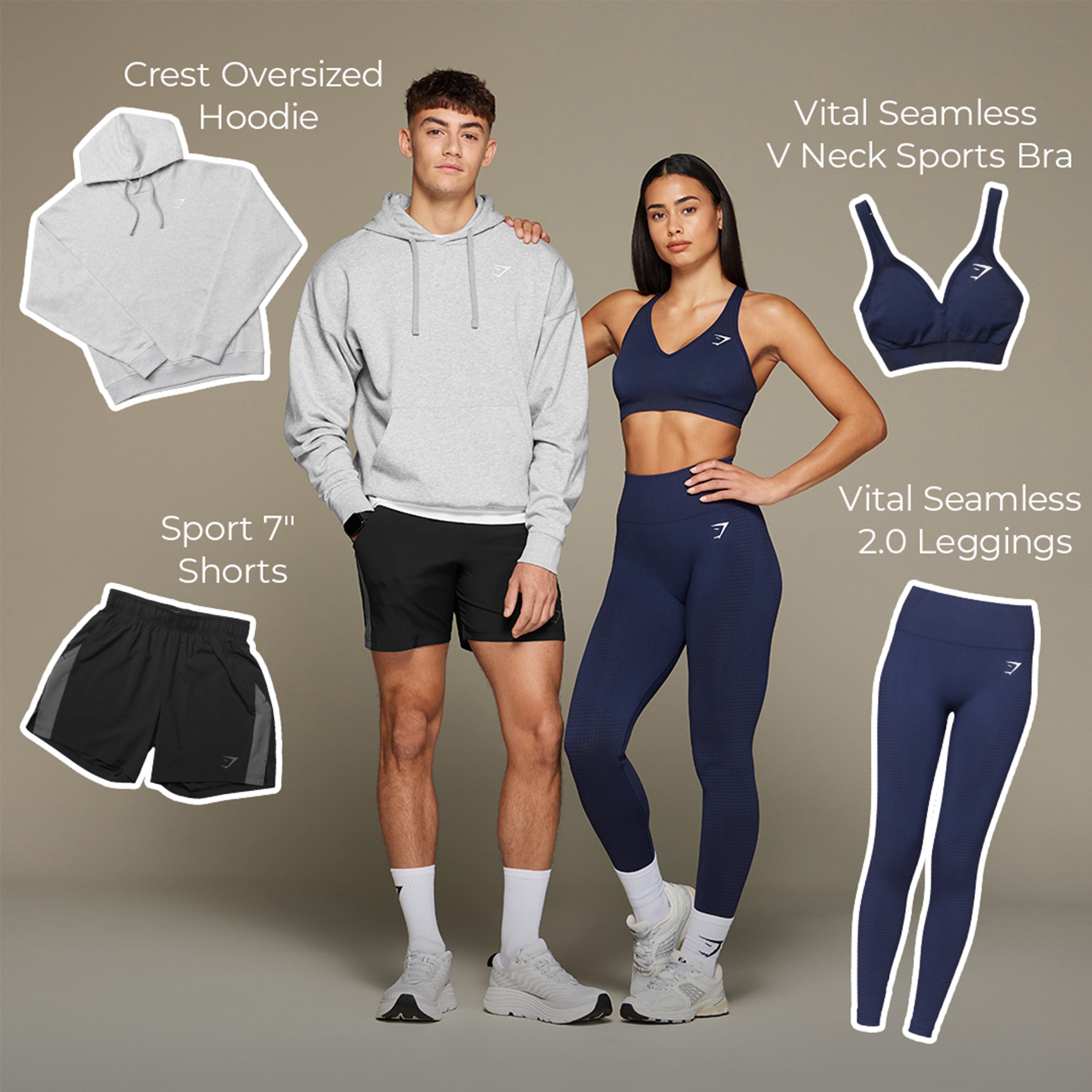
Wearing proper gym attire signals to your brain that it’s time to exercise. Psychologists call this “enclothed cognition. ” When you change into gym clothes, you’re more likely to feel focused and ready to work out. This mental shift can make a big difference in motivation and consistency.
Many people find that buying a new gym outfit can even spark excitement for their next workout. While it’s not a substitute for discipline, every bit of motivation helps.
Credit: www.gymshark.com
Trends In Gym Attire: What’s Popular Now
Gym attire trends change over time, but some popular trends include:
- Bold colors and prints
- Seamless leggings and tops for comfort
- Matching sets for a put-together look
- High-waisted bottoms for support and coverage
- Sustainable fabrics for eco-conscious athletes
Remember, trends come and go. Focus on what helps you perform best.
Quick Checklist For Choosing Gym Attire
Before you buy, ask yourself:
- Does it fit well and allow movement?
- Is it made from sweat-wicking material?
- Is it suitable for my main activity?
- Are the shoes supportive and comfortable?
- Will it last through frequent washing?
- Do I feel confident wearing it?
If you answer yes to these, you’re on the right track.
Frequently Asked Questions
What Is The Best Fabric For Gym Attire?
The best fabrics are polyester, nylon, and spandex blends. These materials are lightweight, stretch well, and wick sweat away from your skin. Avoid 100% cotton, as it holds moisture and can cause chafing during workouts.
How Often Should I Wash My Gym Clothes?
You should wash gym clothes after every use to remove sweat, bacteria, and odors. Always follow the care label, use mild detergent, and air dry when possible to extend the life of your attire.
Do I Need Special Shoes For The Gym?
Yes, proper gym shoes are important for performance and injury prevention. Cross-trainers are good for most gym activities. If you do a specific sport, like running or weightlifting, get shoes designed for that activity.
Can I Wear Gym Attire Outside The Gym?
Many people wear athleisure—gym-inspired clothes—for daily activities. As long as you feel comfortable and the clothes fit the occasion, it’s fine to wear gym attire outside the gym. Just be sure to wash them regularly.
How Can I Make My Gym Attire Last Longer?
To make your gym attire last, wash after every use, avoid fabric softeners, and air dry when possible. Store in a cool, dry place and rotate your clothes to reduce wear and tear on any one item.
Choosing the right gym attire is more than a fashion decision. It’s about comfort, safety, and making every workout count. Whether you’re just starting or looking to upgrade your wardrobe, keep these tips in mind. The right clothes can boost your confidence, improve your performance, and help you reach your fitness goals.
Invest wisely, care for your gear, and enjoy every step of your fitness journey.
