

What'S Gym Attire: Essential Tips for Choosing the Right Outfit
What’s Gym Attire
Walking into a gym for the first time can feel exciting, but also a bit confusing. You might wonder, “What should I wear?” or “Does it really matter?” The truth is, gym attire is much more than just clothes. It affects your comfort, safety, performance, and even your confidence. Choosing the right gym attire helps you focus on your workout, prevents injuries, and makes you feel part of the fitness community. In this guide, you’ll learn everything you need to know about gym attire—from basic essentials to advanced options, practical tips, common mistakes, and even how gym attire has evolved. Whether you’re a beginner or a regular, you’ll find clear answers and real advice to make the most of your time at the gym.
What Is Gym Attire?
Gym attire refers to the clothing and accessories people wear when exercising in a fitness center, gym, or similar environment. It includes items like tops, bottoms, shoes, socks, and support gear. The main purpose of gym attire is to provide comfort, allow freedom of movement, manage sweat, and protect the body during workouts. Gym attire also helps you look and feel more confident, which can boost motivation.
Why Gym Attire Matters
Many people underestimate the importance of gym attire. Wearing the wrong clothes can cause discomfort, distract you, or even lead to injuries. On the other hand, the right gym attire can:
- Prevent chafing and skin irritation
- Support muscles and joints
- Absorb sweat and keep you dry
- Allow full range of motion
- Reduce risk of slipping or falling
- Help you feel good and motivated
Some gyms even have dress codes for safety or hygiene reasons, so choosing proper gym attire is not only smart—it’s often required.
Essential Elements Of Gym Attire
Gym attire includes several main parts. Each has its own role in making workouts safer and more comfortable.
Tops
The top is usually the first thing people notice. Good gym tops should be made from breathable materials like cotton, polyester, or blends. Avoid heavy fabrics that trap heat.
Common types:
- T-shirts: Basic and comfortable. Choose moisture-wicking versions for intense workouts.
- Tank tops: Great for ventilation and freedom of movement, especially for arms.
- Long-sleeve shirts: Useful for colder gyms or outdoor workouts.
Look for tops with flat seams to avoid irritation. Some tops have mesh panels for extra breathability.
Bottoms
Bottoms should allow you to move easily and stay cool. Popular options include:
- Shorts: Ideal for cardio and summer workouts. Choose flexible fabric.
- Leggings: Provide support and coverage, especially for stretching or yoga.
- Sweatpants: Warm and comfortable, but can be heavy for high-intensity exercise.
Make sure your bottoms fit well. Too tight can restrict movement, while too loose can slip during activity.
Shoes
Shoes are one of the most critical parts of gym attire. The right shoes protect your feet and joints, prevent slips, and improve performance. The type of shoe depends on your workout.
- Running shoes: Good for cardio and treadmill work.
- Cross-trainers: Designed for a mix of activities, including weights and aerobics.
- Weightlifting shoes: Flat, stable sole for heavy lifting.
Never use casual shoes or sandals at the gym. They lack support and can be dangerous.
Socks
Many people forget about socks, but they matter. Choose moisture-wicking socks to keep feet dry and avoid blisters. Avoid cotton socks for long workouts—they absorb sweat and stay wet.
Support Gear
Some gym attire includes extra support, especially for certain exercises.
- Sports bras: Essential for women. Provide support and prevent discomfort.
- Compression wear: Includes shirts, sleeves, or leggings. Can boost circulation and reduce muscle fatigue.
- Knee or elbow supports: Useful for those with joint concerns.
Support gear should fit snugly but not restrict movement.
Accessories
Accessories can make workouts easier or safer.
- Headbands: Keep sweat and hair out of your face.
- Gloves: Protect hands during weightlifting.
- Wrist wraps: Support wrists for heavy lifts.
Choose accessories based on your workout type and personal needs.
Choosing The Right Gym Attire
Picking the right gym attire depends on several factors. Here’s how to make the best choice.
Consider Your Workout
Different exercises need different clothes. For example:
- Yoga: Flexible, fitted clothes that allow stretching.
- Running: Lightweight, sweat-wicking fabric.
- Weightlifting: Supportive shoes and gloves.
Always match your attire to your main activity.
Climate And Environment
The gym’s temperature and humidity affect your clothing choices. In a cold gym, you may need layers. In a hot gym, focus on lightweight materials.
If you exercise outdoors, add weather-resistant gear like jackets or hats.
Fit And Comfort
Gym attire should fit your body shape. Tight clothes can be uncomfortable, while loose clothes can get in the way. Try clothes before buying, or check size charts carefully.
Comfort is more important than style. If you feel good, you’ll perform better.
Material Matters
Look for synthetic fabrics like polyester, nylon, or spandex. These materials wick sweat, dry quickly, and move with you. Cotton is comfortable but holds moisture.
Some advanced gym attire uses antimicrobial fabrics to reduce odor. These can be useful for long workouts.
Price Vs. Quality
You don’t need expensive brands to get good gym attire. Focus on quality, durability, and comfort. Cheap clothes may fall apart or cause problems after a few uses.
Here’s a quick comparison of common materials:
| Material | Breathability | Moisture Wicking | Durability |
|---|---|---|---|
| Polyester | High | Excellent | Good |
| Cotton | Medium | Poor | Average |
| Nylon | High | Very Good | Excellent |
| Spandex | Medium | Good | High |
Style And Appearance
While function is most important, style matters too. Wearing clothes you like can improve confidence. Choose colors and patterns that suit you, but avoid flashy items that distract others.
Some gyms discourage loud prints or offensive graphics.
Gym Attire For Men
Men’s gym attire covers a range of options. Here’s what’s common and recommended.
Tops
- Sleeveless shirts: Popular for arm workouts.
- Performance T-shirts: Soft, stretchy, sweat-resistant.
- Compression shirts: Help support muscles.
Bottoms
- Training shorts: Lightweight and flexible.
- Joggers: Good for warm-up or cool-down.
- Compression leggings: Often worn under shorts.
Shoes
Men usually need shoes with good arch support and grip. Choose based on activity.
Accessories
Men may use headbands, gloves, or lifting belts.
Gym Attire For Women
Women’s gym attire has special needs for support and comfort.
Tops
- Sports bras: Must-have for support.
- Tank tops: Allow freedom of movement.
- Crop tops: Trendy and cool.
Bottoms
- Leggings: Provide coverage and flexibility.
- Shorts: Good for cardio.
- Skorts: Mix of skirt and shorts—popular for certain classes.
Shoes
Women should look for shoes with cushioned soles and good fit.
Accessories
Women often use hair ties, headbands, and wrist supports.
Gym Attire For Different Activities
Different workouts require specific attire. Here are examples:
Cardio
- Breathable, sweat-wicking tops and shorts
- Running shoes
- Light accessories like headbands
Weightlifting
- Flat-soled shoes
- Compression tops and bottoms
- Gloves or wrist wraps
Yoga And Pilates
- Flexible leggings
- Fitted tops (no loose shirts)
- Barefoot or yoga socks
Group Classes
- Comfortable, stylish attire
- Shoes with good grip
- Minimal accessories
Outdoor Workouts
- Weather-resistant jackets
- Sun-protective hats
- Water-resistant shoes
Gym Attire For Special Needs
Some people need special gym attire for medical reasons or unique body types.
- Plus-size gym attire: Choose brands offering comfortable, supportive options.
- Pregnancy: Maternity workout clothes provide extra support and room.
- Injury recovery: Compression wear, braces, or wraps.
Always consult a doctor or trainer if you have special needs.
Hygiene And Gym Attire
Hygiene is a big part of gym attire. Sweat, bacteria, and germs can build up on clothes. Here’s how to stay clean:
- Wash gym clothes after every use.
- Use antimicrobial fabrics if possible.
- Don’t wear gym attire outside the gym.
- Change socks and underwear daily.
Some gyms require clean clothes for each visit.
How Gym Attire Has Changed
Gym attire has evolved over time. Early gym clothes were simple—basic shorts and shirts. Now, advanced materials, new designs, and extra features have improved gym attire.
Modern gym attire uses:
- Moisture-wicking fabrics
- Antimicrobial technology
- Compression support
- Fashionable designs
Fitness brands compete to create better, more comfortable clothes.
Gym Attire Mistakes To Avoid
Beginners often make mistakes with gym attire. Here are some to watch out for:
- Wearing cotton-only clothes: They trap sweat and cause discomfort.
- Using casual shoes: Not safe for workouts.
- Choosing too-tight clothes: Restricts movement and can cause injury.
- Ignoring support gear: Leads to discomfort, especially for women.
- Wearing jewelry: Can get caught on equipment.
- Not washing clothes: Leads to odor and bacteria.
- Overdressing: Too many layers make you hot and sweaty.
- Under-dressing: Not enough coverage can be unsafe.
Avoid these mistakes for a better gym experience.
Gym Attire For Beginners
If you’re new to the gym, start simple. You don’t need fancy brands or lots of accessories.
- Choose basic T-shirts and shorts or leggings.
- Pick running shoes or cross-trainers.
- Use minimal accessories.
- Focus on comfort and fit.
As you gain experience, you can upgrade or add items.
Advanced Gym Attire
Experienced gym-goers often use advanced gym attire:
- Compression gear: Improves performance and recovery.
- Smart fabrics: Track sweat and temperature.
- Custom-fit shoes: Designed for your foot shape.
- Bluetooth accessories: Sync with fitness trackers.
These options can help serious athletes, but aren’t necessary for beginners.
Gym Attire For Different Body Types
Not all gym attire fits everyone the same way. Brands now offer options for different body shapes.
- Tall sizes: Longer sleeves and pants.
- Petite sizes: Shorter lengths, smaller fit.
- Plus sizes: Wider waistbands, more coverage.
Try different brands to find the best fit.
Gym Attire And Confidence
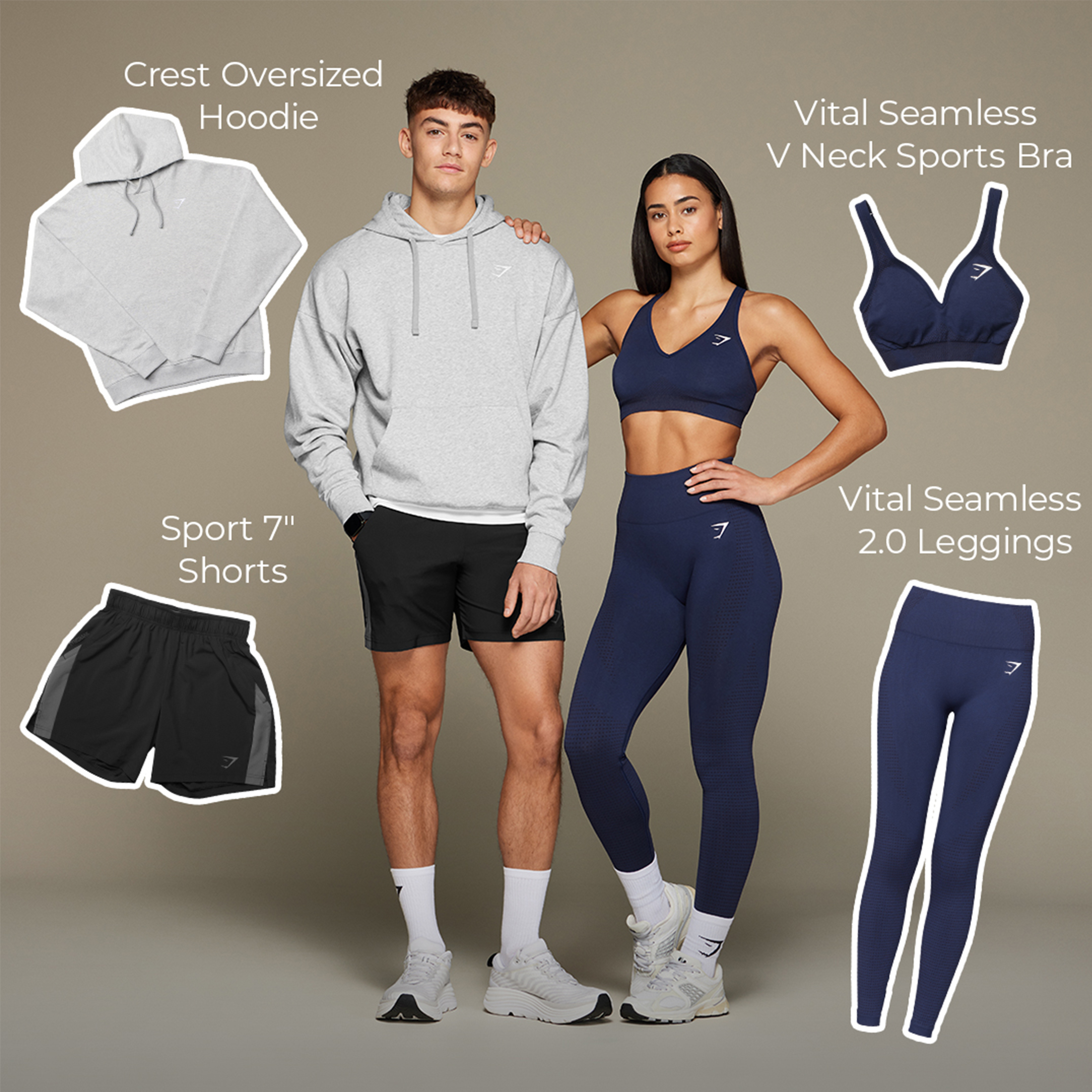
What you wear affects how you feel. Wearing clean, comfortable gym attire can boost your confidence and motivation.
Studies show people exercise longer and harder when they feel good about their appearance. Gym attire is part of this psychological boost.
Credit: row.gymshark.com
Gym Attire Trends
Fitness fashion changes often. Some current trends include:
- Bold colors and prints
- Seamless designs
- Eco-friendly fabrics
- High-waist leggings
- Crop tops
But trends shouldn’t replace function. Always choose what works for you.
Gym Attire For Different Ages
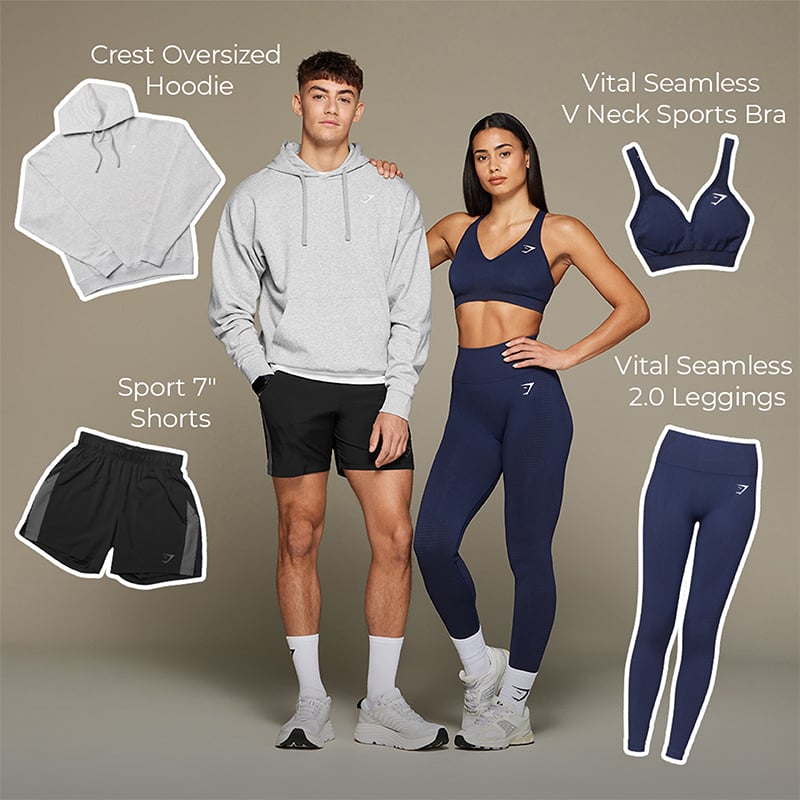
Gym attire varies by age. Young people often choose trendy styles, while older adults focus on comfort.
- Teens: Bright colors, crop tops, shorts
- Adults: Functional, supportive attire
- Seniors: Extra support, easy-to-wear clothes
All ages need proper shoes and fit.
Credit: row.gymshark.com
Gym Attire And Gym Rules
Some gyms have rules about attire. Check your gym’s policy before you buy.
- No open-toe shoes
- No offensive graphics
- Must wear shirts at all times
- Clean clothes required
Breaking rules can lead to warnings or bans.
Gym Attire For Group Sports
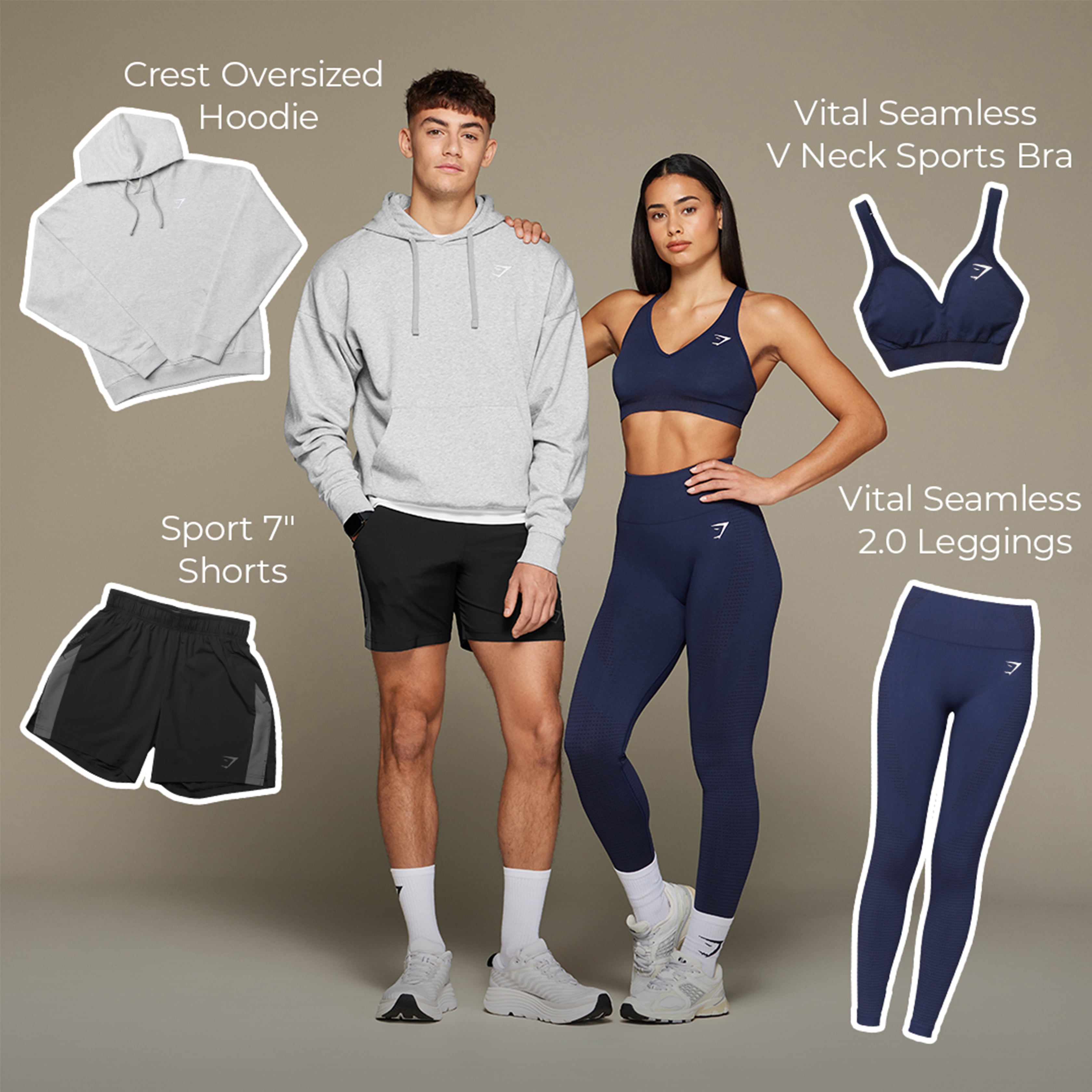
If you join group sports at the gym (basketball, volleyball, etc. ), wear sport-specific attire.
- Team jerseys
- Athletic shorts
- Proper sports shoes
Avoid loose clothes that can catch on equipment.
Credit: row.gymshark.com
Gym Attire For Home Workouts
Home workouts are popular, and attire is more flexible. You can wear comfortable clothes, but still focus on safety.
- Supportive shoes (if needed)
- Flexible bottoms
- Moisture-wicking tops
Avoid pajamas or slippers—they don’t offer support.
Gym Attire Care Tips
Taking care of your gym attire helps it last longer and stay clean.
- Wash in cold water to protect fabric.
- Avoid fabric softeners—they reduce moisture-wicking.
- Air dry when possible.
- Separate gym clothes from regular laundry.
Quality gym attire can last for years with good care.
Gym Attire Statistics
Research shows that over 70% of gym-goers prefer synthetic fabrics for workouts. About 60% say proper gym attire improves their confidence. Nearly 80% of injuries related to gym attire come from improper footwear.
These numbers highlight the importance of choosing wisely.
Gym Attire Comparison
Let’s compare basic gym attire and advanced options:
| Feature | Basic Gym Attire | Advanced Gym Attire |
|---|---|---|
| Material | Cotton, polyester | Smart fabrics, compression |
| Support | Regular fit | Muscle support, joint wraps |
| Accessories | Minimal | Tech-enabled, specialized |
| Price | Affordable | Higher, premium |
| Performance | Good for beginners | Enhanced for athletes |
Gym Attire And Sustainability
Eco-friendly gym attire is becoming popular. Brands use recycled materials, biodegradable fabrics, and low-impact dyes.
- Recycled polyester
- Organic cotton
- Bamboo fibers
Eco-friendly options help the environment and often feel softer.
Where To Buy Gym Attire
You can find gym attire at sports stores, online retailers, and specialty brands. Try items before buying, or check reviews for fit and comfort.
One reliable source for sports science and gym attire information is Wikipedia.
Frequently Asked Questions
What Is The Best Material For Gym Attire?
The best material is usually a synthetic blend like polyester or nylon. These fabrics wick sweat, dry quickly, and are comfortable. Avoid pure cotton for intense workouts.
How Often Should I Wash Gym Attire?
You should wash gym attire after every workout. Sweat and bacteria build up quickly, leading to odor and skin problems.
Can I Wear Regular Sneakers To The Gym?
It’s best to wear proper athletic shoes. Regular sneakers may lack support or grip, increasing injury risk.
What Should I Avoid Wearing At The Gym?
Avoid jeans, sandals, heavy cotton, and jewelry. These can cause discomfort, limit movement, or be unsafe.
Is Expensive Gym Attire Better?
Not always. Quality and fit matter more than price. Some affordable brands offer great gym attire. Focus on comfort and performance.
Your gym attire makes a big difference in your workout. Choosing wisely helps you stay comfortable, safe, and motivated—no matter your fitness level. As gym attire continues to evolve, remember to prioritize function and fit. With these tips, you’re ready to step into the gym with confidence and style.
