

What's Business Casual Wear: A Modern Guide for Professionals
What’s Business Casual Wear? A Complete Guide For Professionals
Business casual wear is a dress code that often creates confusion in offices around the world. It sits somewhere between formal business attire and casual everyday clothing. The challenge? There is no single definition, and what’s considered business casual can change based on the company, country, or even the weather.
If you want to look professional but still feel comfortable, understanding business casual wear is essential.
This guide will help you master the business casual look. You’ll learn what to wear, what to avoid, and how to adjust your style to different workplaces. We’ll cover the key differences for men and women, offer practical outfit ideas, and explain why details matter.
Whether you’re just entering the workforce or want to refresh your office wardrobe, this article will give you the confidence to dress right for any business casual setting.
What Does Business Casual Really Mean?
Business casual is a balance. It aims to keep you looking sharp and professional, while allowing more comfort and personality than strict business formal wear. Typically, business casual means:
- No suits or ties required (except in some settings)
- Clothing that’s neat, clean, and well-fitting
- A polished but relaxed appearance
The goal is to look like you take your work seriously, but you’re not overdressed for the day-to-day office environment.
Why Is Business Casual So Popular?
Many companies have moved to business casual dress codes to make employees feel more comfortable and approachable. Research shows that relaxed dress codes can boost morale and productivity. Employees often feel more creative and less stressed when they have some freedom in their clothing choices.
However, business casual still maintains a professional appearance. It’s not about wearing whatever you want; it’s about finding the sweet spot between formal and casual.
Key Elements Of Business Casual Wear
Business casual has some basic rules, but there’s a lot of room for personal style. Here are the most common elements for both men and women:
For Men
- Dress shirts (solid, stripes, or subtle patterns)
- Polo shirts or collared shirts
- Sweaters (especially over shirts)
- Dress slacks, chinos, or khakis
- Leather shoes (loafers, oxfords, brogues)
- Belts that match your shoes
For Women
- Blouses or dress shirts
- Sweaters or cardigans
- Dress pants, chinos, or skirts (knee-length or longer)
- Professional dresses (not too short or revealing)
- Closed-toe flats, loafers, or low heels
Some companies allow more flexibility, but these items are safe choices in most business casual offices.
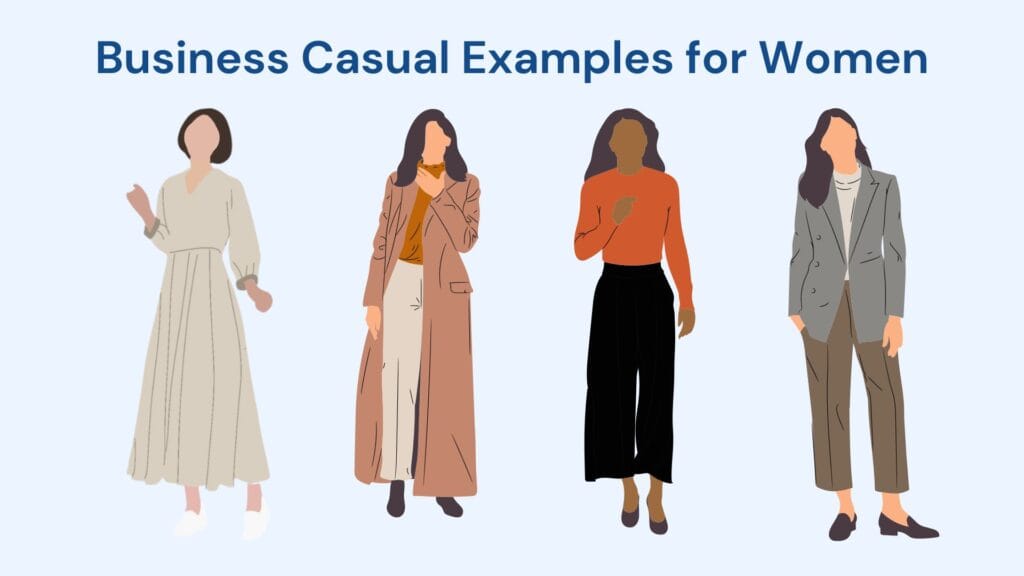
Credit: www.theforage.com
What’s Not Business Casual?
Understanding what doesn’t fit in business casual is just as important as knowing what does. Here are some items to avoid:
- Jeans (unless specifically allowed)
- T-shirts or clothing with large logos
- Athletic wear or sneakers
- Flip-flops or sandals
- Shorts or very short skirts
- Wrinkled or worn-out clothing
Even in relaxed offices, these items are usually off-limits. Looking too casual can make you seem unprofessional, especially during meetings or client interactions.
The Difference Between Business Casual And Other Dress Codes
Business casual is part of a larger spectrum of workplace dress codes. Understanding where it fits can help you avoid mistakes.
| Dress Code | Typical Clothing | Formality Level |
|---|---|---|
| Business Formal | Suits, ties, dress shirts, formal dresses | Very high |
| Business Casual | Slacks, blouses, polos, sweaters, skirts | Medium |
| Casual | Jeans, t-shirts, sneakers | Low |
As you can see, business casual allows for more comfort than business formal, but it still requires a professional appearance.
How Business Casual Changes By Workplace
One of the biggest mistakes people make is assuming business casual means the same everywhere. In reality, it can look very different depending on where you work.
Corporate Offices
In traditional industries like finance, law, or consulting, business casual is often closer to business formal. You’ll see:
- Dress pants and shirts are standard
- Blazers or sport coats are common
- Ties might be optional but are still worn by some
Tech Companies And Startups
Tech offices usually have a more relaxed view of business casual. You might find:
- Dark jeans (if allowed), chinos, or khakis
- Smart sneakers (sometimes accepted)
- Polos or neat t-shirts with a blazer
Creative Agencies
Advertising or design firms often encourage more personal style:
- Unique patterns and colors
- Trendy shoes
- Statement accessories
Still, the clothes should be neat and appropriate for client meetings.
Regional Differences
Even within the same industry, business casual can change depending on the country or city. For example, business casual in New York might be more formal than in California. Some cultures value conservative dress, while others are more relaxed.
If you’re unsure, look around your office or ask your HR department for guidelines.
Building A Business Casual Wardrobe
Creating a business casual wardrobe doesn’t have to be expensive or complicated. Start with a few basics and add items as you learn what works in your office.
Essential Pieces For Men
- Dress shirts: White, light blue, and subtle patterns work with almost everything.
- Chinos or dress pants: Navy, gray, and beige are versatile.
- Sweaters: Crewneck or v-neck in solid colors.
- Blazers: Navy or gray for a sharp look.
- Leather shoes: Oxfords or loafers.
- Belts: Match with your shoes for a polished finish.
Essential Pieces For Women
- Blouses or tops: Neutral colors and simple patterns are easy to mix and match.
- Cardigans or sweaters: Layering adds style and comfort.
- Pants or skirts: Black, navy, or gray go with most tops.
- Professional dresses: Knee-length and not too revealing.
- Flats or low heels: Comfortable but stylish.
- Simple jewelry: Avoid anything too flashy.
When buying new items, think about how they mix with your existing clothes. Versatility is key.
How To Style Business Casual For Every Season
Dressing business casual can feel different in summer than in winter. Here’s how to adapt your wardrobe:
Spring And Summer
- Choose lighter fabrics like cotton or linen.
- Wear lighter colors to stay cool.
- Short-sleeved shirts or blouses are often acceptable.
- Women can wear skirts or dresses (knee-length or longer).
- Avoid shorts and tank tops.
Fall And Winter
- Layer with sweaters, cardigans, or blazers.
- Wear darker colors like navy, burgundy, or charcoal.
- Choose thicker materials like wool or heavy cotton.
- Leather shoes or boots are a good choice.
- Scarves can add style and warmth.
If your office allows it, you might be able to wear darker jeans with a blazer in colder months.
Mixing Comfort And Professionalism
Comfort is important for long workdays, but professionalism should always come first. Here are some ways to blend both:
- Pick stretch fabrics for easier movement.
- Make sure shoes are broken in and fit well.
- Avoid clothing that’s too tight or too loose.
- Use layers to adjust for office temperatures.
Remember, it’s possible to be comfortable and look professional. If you’re distracted by uncomfortable clothes, you won’t perform your best.
Accessories And Details Matter
Small details can change your whole outfit. The right accessories can make business casual outfits look more professional.
For Men
- A leather watch adds a classic touch.
- Belts should match your shoes.
- Avoid flashy cufflinks or jewelry.
- Keep bags or briefcases neat and simple.
For Women
- Simple necklaces or earrings work best.
- Scarves can add color without being distracting.
- Choose structured handbags over slouchy ones.
- Avoid very large or shiny jewelry.
Don’t forget about grooming. Clean hair, trimmed nails, and good hygiene are always part of a professional appearance.
Common Business Casual Mistakes (and How To Avoid Them)
Even experienced professionals make mistakes with business casual. Here are some of the most common:
- Wearing clothing that’s too casual: Even if your office is relaxed, avoid jeans, t-shirts, and sneakers unless specifically allowed.
- Ignoring fit: Clothes that are too big or too tight never look professional.
- Forgetting to iron or clean clothes: Wrinkled or dirty clothes ruin a good outfit.
- Wearing bold or flashy items: Bright patterns or large logos are rarely appropriate.
- Not checking the dress code: Every company is different. Always read the policy or ask HR if you’re unsure.
A simple way to avoid mistakes is to “dress up” a little when in doubt. It’s always safer to look slightly more formal than too casual.
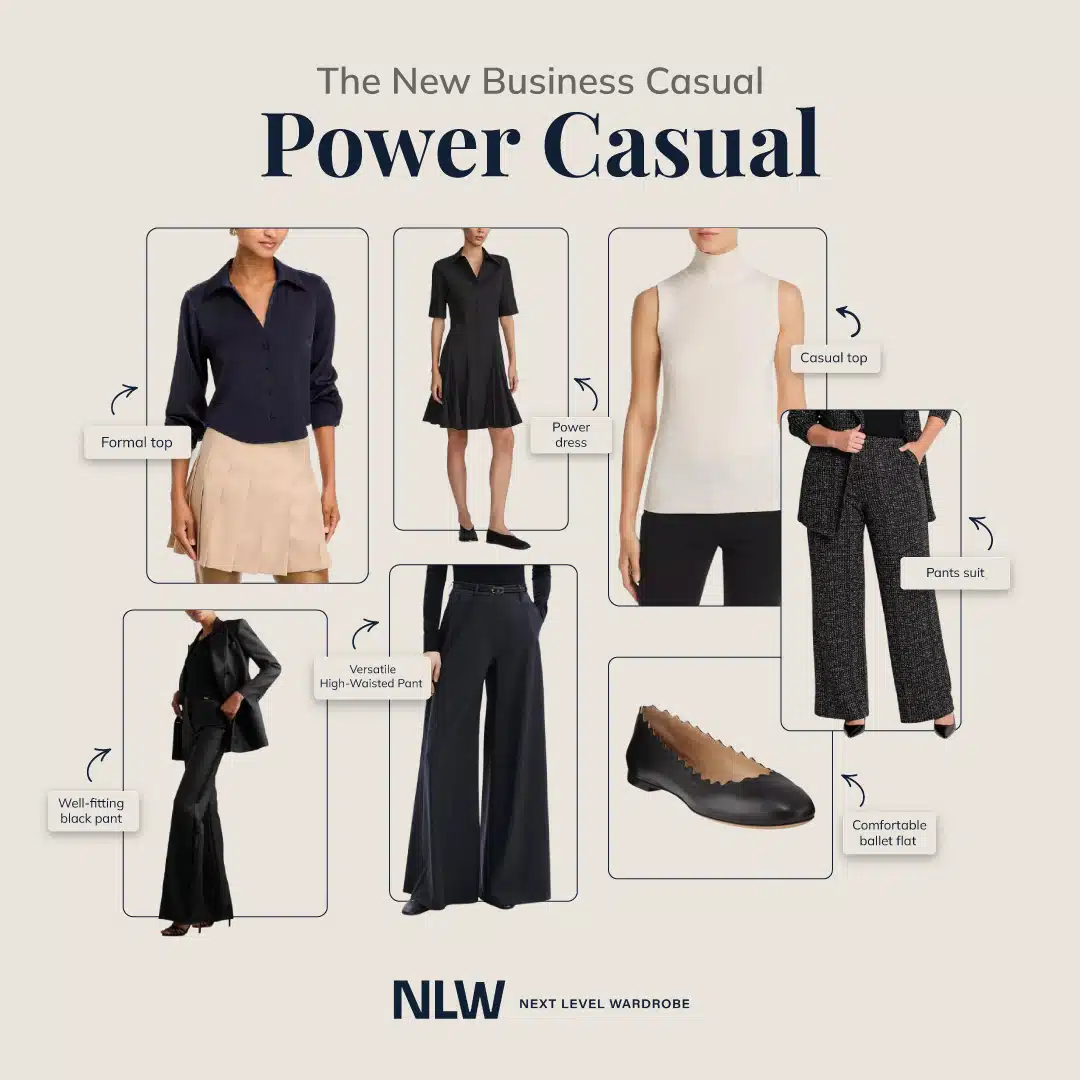
Credit: nextlevelwardrobe.com
Business Casual Outfit Ideas
Looking for inspiration? Here are some business casual outfit combinations for different situations.
For Men
- Navy chinos, white dress shirt, brown loafers, and a gray sweater
- Gray dress pants, light blue shirt, black belt and shoes, no tie
- Khaki pants, navy polo shirt, brown belt, and loafers
For Women
- Black dress pants, cream blouse, gray cardigan, and black flats
- Navy skirt (knee-length), striped blouse, beige blazer, and low heels
- Simple dress (knee-length), black cardigan, and pointed-toe flats
You can adjust these ideas based on your personal style and what’s common in your office.
How To Shop For Business Casual Clothes On A Budget
Building a business casual wardrobe doesn’t need to be expensive. Here are some tips for saving money:
- Buy versatile basics: Focus on items that mix and match easily.
- Look for sales and outlet stores: Many retailers offer discounts on workwear.
- Shop secondhand: Thrift stores and online resale sites have quality options.
- Set a monthly budget: Buying a few pieces at a time can help spread out costs.
- Care for your clothes: Proper washing and storage make clothes last longer.
Invest in quality shoes and a few good blazers, as these items get the most use and set the tone for your outfit.
The Role Of Color And Pattern In Business Casual
Color and pattern can add personality to your business casual wardrobe, but they must be used wisely.
Safe Colors
- Navy
- Gray
- Black
- White
- Beige
- Light blue
These are easy to combine and always look professional.
Using Patterns
- Subtle stripes or checks on shirts and blouses are usually safe.
- Avoid large, bold patterns or very bright colors.
- Women can add small patterns with scarves or accessories.
If you want to try new colors or patterns, start small. A patterned shirt under a solid sweater or a colorful scarf can add interest without being overwhelming.
Adapting Business Casual For Special Occasions
Sometimes, you’ll need to adjust your business casual look for events like client meetings, presentations, or office parties.
Important Meetings Or Presentations
- Men: Add a blazer or sport coat to your outfit.
- Women: Wear a blazer or structured dress.
- Choose darker, solid colors for a more formal appearance.
- Avoid loud patterns or casual shoes.
Office Parties Or Social Events
- You can add more personality with color or accessories.
- Women might wear a more stylish blouse or jewelry.
- Men can try a patterned shirt or colorful socks (if appropriate).
- Keep it professional—don’t go too far into casual territory.
Whenever you have a special event, it’s better to lean toward more formal business casual.
Business Casual Around The World
Business casual is not the same everywhere. Cultural expectations play a big part in what’s considered appropriate.
United States
Most US offices follow the general business casual guidelines discussed above. However, some industries and regions are more formal or relaxed.
Europe
Many European countries have a slightly more formal approach. In places like the UK, Germany, or France, you may see more blazers, ties, and dress shoes, even in business casual settings.
Asia
In countries like Japan and South Korea, business attire is often more traditional. Dark suits and formal shoes are common, even when “business casual” is mentioned.
Middle East
Conservative dress is important, especially for women. Long sleeves, covered legs, and modest necklines are usually expected.
If you travel for work, always check local customs or ask colleagues for advice.
How To Transition From Formal To Business Casual
If your office is moving from business formal to business casual, it can feel like a big change. Here’s how to adjust smoothly:
- Start with small changes: Swap a suit for dress pants and a shirt, or lose the tie.
- Keep quality high: Even if you dress down, choose well-made, clean items.
- Layer smartly: Use blazers and sweaters to move between formal and casual.
- Ask for feedback: If you’re unsure, check with HR or observe managers’ choices.
Remember, you don’t need to buy a whole new wardrobe overnight. Mix and match your current clothes to create business casual looks.
The Impact Of Business Casual On Productivity And Company Culture
Why do companies choose business casual? Studies have shown that relaxed dress codes can help employees feel more comfortable and creative. When people are less focused on what they’re wearing, they can focus more on their work.
However, too much freedom can cause confusion. Some people might dress too casually, which can lower the professional image of the company. That’s why clear guidelines and examples are important.
A survey by OfficeTeam found that 86% of professionals feel what they wear affects how they are perceived at work. Another study by the Society for Human Resource Management reported that 50% of companies now have a business casual or casual dress code.
Business Casual For Remote Work
With more people working from home, many wonder if business casual still matters. The answer is yes, especially for video calls or virtual meetings.
- Wear business casual tops, even if you’re in jeans or shorts off-camera.
- Choose solid colors and avoid busy patterns (they look better on screen).
- Grooming and good lighting help you appear more professional.
Even if you don’t see your coworkers in person, dressing well can put you in the right mindset for work.
Examples Of Business Casual Policies
Every company has its own rules. Here are some real-world examples to show how business casual can vary:
| Company | Allowed Items | Not Allowed |
|---|---|---|
| Finance Firm | Slacks, dress shirts, blouses, closed-toe shoes | Jeans, sneakers, t-shirts |
| Tech Startup | Chinos, polos, neat jeans, clean sneakers | Shorts, flip-flops, graphic tees |
| Marketing Agency | Patterned blouses, trendy shoes, dresses | Ripped jeans, athletic wear |
If your company doesn’t have a written policy, ask your manager or HR department for examples.
Two Key Insights Most Beginners Miss
- Fit Is Everything: Many people focus on the type of clothing but ignore how it fits. Even the most expensive shirt or dress looks bad if it’s too big or small. Tailor your clothes if needed—this small investment makes a big difference.
- Shoes Set the Tone: Shoes are often overlooked, but they are one of the first things people notice. Clean, well-maintained shoes signal professionalism, even in a relaxed office. Don’t wear running shoes unless you’re sure they’re allowed.
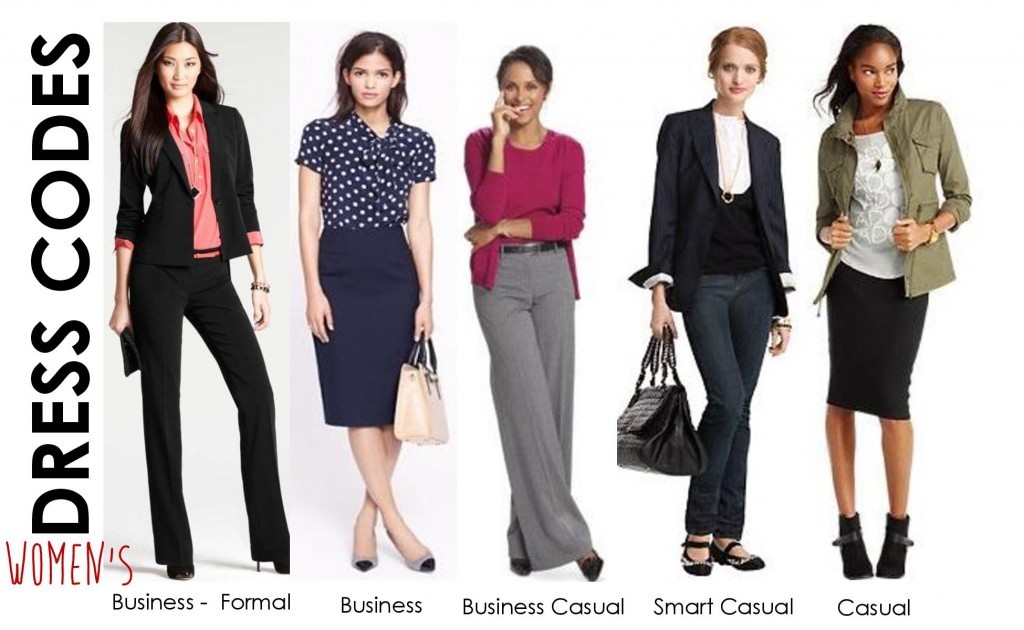
Credit: gardner-webb.edu
Adapting Business Casual As You Advance In Your Career
As you move up in your career, your approach to business casual may need to change. Managers and team leaders are often expected to set an example. Dressing just a bit more formally than your peers can show leadership.
- Add a blazer or high-quality accessories.
- Choose higher-end fabrics.
- Keep your look neat and intentional.
Your clothing sends signals not only to your bosses but also to your team.
Frequently Asked Questions
What Is The Main Difference Between Business Casual And Business Formal?
Business casual allows for more relaxed clothing, such as khakis, blouses, and sweaters, while business formal requires suits, ties, and more structured dresses. Business casual does not usually require a tie or jacket, but clothing must still be neat and professional.
Can I Wear Jeans In A Business Casual Office?
Only if your company’s dress code allows it. If so, choose dark, clean, and well-fitting jeans without rips or logos. Pair them with a dress shirt, blouse, or blazer to keep the look professional.
Are Sneakers Acceptable For Business Casual?
Usually, sneakers are not considered business casual. Some creative or tech workplaces allow clean, minimalist sneakers. Always check your company policy before wearing them.
How Should I Dress For A Business Casual Interview?
For interviews, it’s better to be slightly more formal. Men should wear dress pants and a collared shirt, possibly a blazer. Women can wear dress pants or a knee-length skirt with a blouse or sweater. Avoid jeans, t-shirts, and sneakers.
Where Can I Find More Business Casual Outfit Ideas?
You can find business casual inspiration on fashion blogs, Pinterest, and company style guides. For more details, Business Insider offers useful examples and tips.
Business casual wear is about striking the right balance between professionalism and comfort. While it can be confusing at first, following these guidelines and observing your workplace can help you find your own style. As fashion and office culture change, business casual will keep evolving—but the basics of looking neat, confident, and appropriate never go out of style.
