

What to Wear to Court: Expert Tips for a Winning First Impression
Facing a court appearance can be stressful, and one question might be on your mind: what should you wear to court? Your outfit can say a lot about you before you even speak.
Dressing the right way can help you make a positive impression, show respect, and even boost your confidence. In this guide, you’ll discover simple, effective tips to choose the perfect court attire that fits the occasion and keeps you feeling comfortable.
Keep reading to learn exactly what to wear to court and why it matters for your case.
Dress Code Basics
Dressing properly for court shows respect for the legal process. It also helps create a good impression. Knowing the basic dress code rules can ease your stress before the day. Simple, neat, and clean clothes are best. Avoid flashy or casual outfits. Your clothes should not distract the judge or jury.
Why Appearance Matters
Your appearance speaks before you do. Judges and jurors notice how you present yourself. A tidy look suggests honesty and seriousness. It helps build trust and credibility. Dressing well shows you respect the court. It can influence how others see your case.
Courtroom Expectations
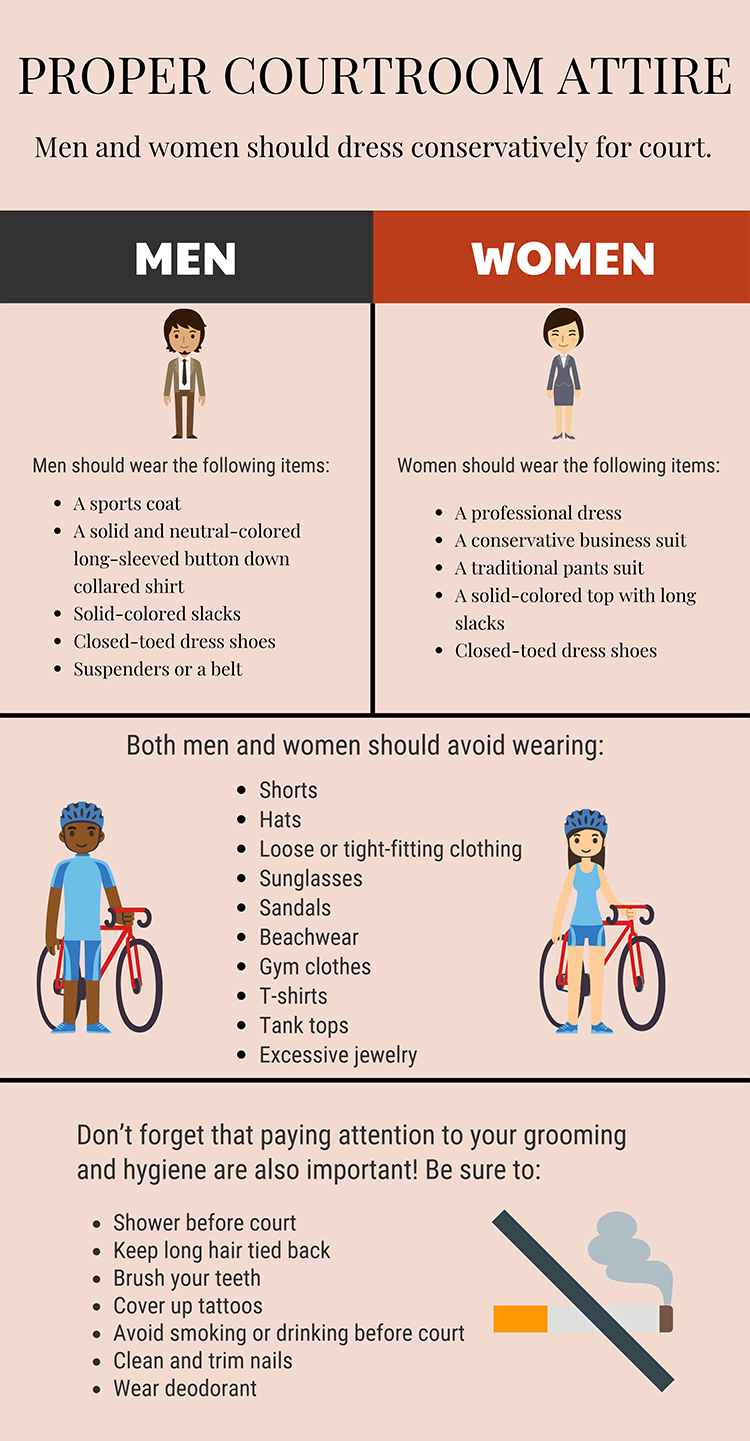
Courtrooms expect formal or business casual attire. Men should wear a collared shirt and dress pants. A suit or blazer adds extra formality. Women can wear a blouse with a skirt or pants. Dresses should be modest and not too bright. Avoid hats, sunglasses, and heavy perfumes. Always choose closed-toe shoes over sneakers or sandals. Keep accessories simple and minimal. Clean and pressed clothes show you care about the occasion.

Credit: www.sumissura.com
Choosing The Right Outfit
Choosing the right outfit for court shows respect for the process. It helps create a good impression on the judge and others. The clothing should be neat, clean, and simple. Avoid flashy or casual clothes. Dress in a way that shows you take the matter seriously.
Men's Attire Tips
Wear a suit or dress pants with a button-down shirt. A tie is a good choice but not always required. Choose dark or neutral colors like black, navy, or gray. Make sure your shoes are polished and closed-toe. Avoid hats, sunglasses, and loud patterns. Keep accessories minimal and professional.
Women's Attire Tips
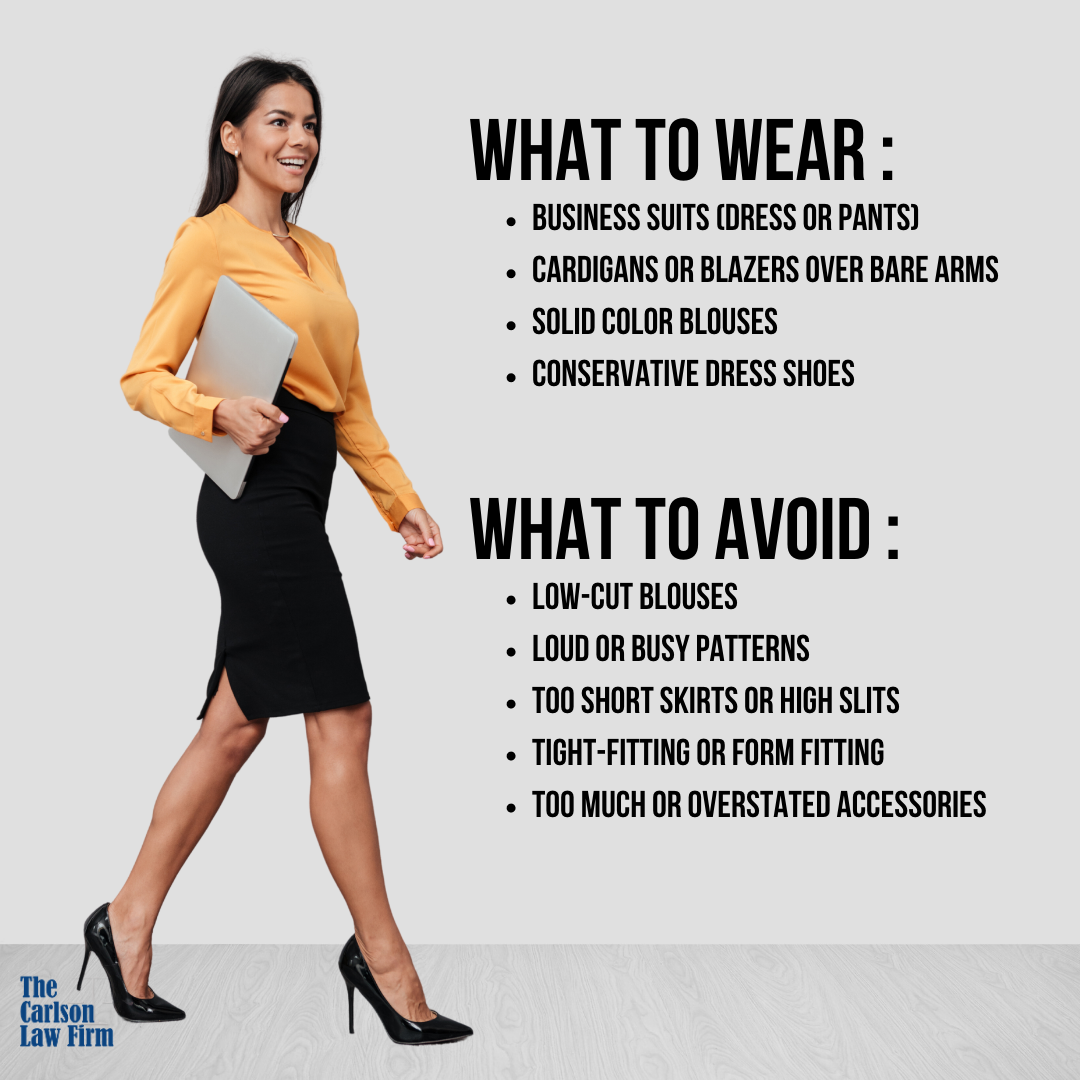
Pick a modest dress, skirt, or dress pants with a blouse. Stick to solid colors or simple patterns. Avoid short skirts, low-cut tops, or flashy jewelry. Wear closed-toe shoes with low heels or flats. Keep makeup natural and hair tidy. Carry a small, neat bag if needed.
Colors That Make An Impact
Colors speak without words. They create first impressions in court. Choosing the right colors can show respect and seriousness. Bright or dull colors can change how others see you. Pick colors that send the right message.
Safe Color Choices
Navy blue shows trust and confidence. It is calm and professional. Black means power and formality. It looks neat and serious. Gray is neutral and balanced. It does not distract attention. White suggests honesty and simplicity. It feels clean and fresh.
These colors suit most court settings. They help you look respectful and focused. Avoid flashy patterns or loud shades. Simple colors keep the focus on you, not your clothes.
Colors To Avoid
Bright red can seem aggressive or angry. It may distract or upset others. Neon colors look too casual or wild. They do not fit serious places. Avoid overly dark colors like deep brown or dark green. They can seem dull or gloomy.
Stay away from clothes with loud prints or logos. They can take attention away from your words. Court is a place for respect, not fashion shows.
Credit: www.ericgjohnsonlaw.com
Accessories And Grooming
Accessories and grooming play a big role in making a good impression in court. They show respect and seriousness about the situation. Proper choices help keep the focus on your words, not your appearance.
Minimalist Accessories
Choose simple and small accessories. A classic watch or plain rings work well. Avoid large, flashy jewelry. Keep accessories neat and tidy. They should not distract the judge or jury. Small, clean items show professionalism and care.
Professional Grooming Tips
Make sure your hair is clean and styled neatly. Avoid bold hairstyles or colors. Keep facial hair trimmed and tidy. Nails should be clean and trimmed short. Use minimal or no perfume or cologne. Overall grooming should look natural and polished.
Comfort Meets Professionalism
Choosing what to wear to court requires a smart balance. Clothes must look professional and feel comfortable. Long hours and nervous moments make comfort key. Feeling good in your outfit helps you stay calm and confident. This section explains how to combine style with comfort for court appearances.
Balancing Style And Comfort
Pick clothes that fit well but do not restrict movement. Simple, neat outfits work best. Avoid bright colors or flashy patterns. Choose soft fabrics that breathe well. Wrinkle-resistant materials save time and stress. A well-fitted blazer or suit jacket adds professionalism. Shirts or blouses should feel smooth on the skin. Avoid anything too tight or too loose. Keep accessories minimal to avoid distractions.
Footwear Selection
Select shoes that support your feet all day. Closed-toe shoes are the safest choice. Low heels or flats prevent discomfort. Avoid new shoes that may cause blisters. Clean and polished shoes improve your overall look. Choose neutral colors like black, brown, or navy. Comfortable shoes help you stand and walk with ease. Proper footwear boosts confidence without sacrificing style.
Credit: www.carlsonattorneys.com
Cultural And Regional Considerations
Courtrooms differ across countries and regions. Clothing that suits one place might seem odd in another. Understanding cultural and regional rules shows respect. It also helps avoid distractions during your court appearance.
Knowing what is typical or expected in the area helps you dress right. This awareness can influence how judges and others see you. Dressing with cultural respect supports a positive impression.
Adapting To Local Norms
Each region has its own dress customs for court. Some places prefer formal suits and ties. Others accept simpler, neat outfits. Learn local clothing habits before your court date. Ask locals or check official court websites. This helps you avoid mistakes and dress suitably. Choose colors and styles that fit the local culture.
Respecting Court Traditions
Court traditions affect dress codes strongly. In some countries, wearing certain colors is a sign of respect. Covering your head may be required in religious courts. Avoid flashy or casual clothes that can offend. Follow rules about jewelry and accessories carefully. Showing respect for these traditions improves your standing in court.
Common Mistakes To Avoid
Choosing the right outfit for court is important. Mistakes in dressing can affect how you are seen. Avoiding common errors helps you show respect and seriousness. The goal is to dress appropriately without drawing too much attention.
Overdressing Vs. Underdressing
Wearing clothes that are too formal can seem like you want to impress. It might come off as trying too hard. On the other hand, dressing too casually can look disrespectful. Jeans, shorts, or T-shirts are not good choices. Aim for a balanced look. Simple and neat clothes work best. Think about what a professional might wear.
Inappropriate Clothing Choices
Clothes with loud colors or busy patterns can distract others. Avoid clothes with logos or slogans. They can seem unprofessional or rude. Shoes should be clean and closed-toe, not flip-flops or sneakers. Hats and sunglasses should be left outside. Avoid wearing excessive jewelry or strong perfumes. The focus should stay on what you say, not your outfit.
Frequently Asked Questions
What Is Appropriate Court Attire For Men?
Men should wear a suit or dress pants with a button-down shirt. A tie and blazer are recommended for formal cases. Avoid casual clothing like jeans or sneakers to maintain a respectful appearance in court.
How Should Women Dress For A Court Appearance?
Women should opt for a conservative dress, skirt, or dress pants paired with a blouse or blazer. Avoid flashy accessories and bright colors to present a professional, respectful image in court.
Can I Wear Casual Clothes To Court?
Casual clothes like jeans, t-shirts, and sneakers are generally inappropriate for court. Dressing formally shows respect for the court and can positively influence the judge’s perception.
Are There Restrictions On Colors Or Patterns In Court Attire?
Neutral or dark colors like black, navy, gray, or beige are best. Avoid bright colors and loud patterns that may distract or seem disrespectful in court.
Conclusion
Dressing right for court shows respect and seriousness. Choose clean, neat, and simple clothes. Avoid bright colors or flashy accessories. Stick to classic styles and neutral tones. Comfort matters, but look professional at all times. Your outfit can help make a good first impression.
Feeling confident in your clothes can ease nerves. Remember, courts value respect and proper appearance. Keep your look modest and tidy. This small effort can support your case. Simple, smart dressing works best in court settings.
