

What Time of the Day is Best for Gym: Maximize Your Workout Results
What Time Of The Day Is Best For Gym
Finding the best time to go to the gym is a question almost everyone asks at some point in their fitness journey. You might wonder if early mornings give you extra energy, if afternoons help with better performance, or if evenings are best for relaxation. The truth is, the perfect time depends on your body, your goals, and your daily routine. Some people love the quiet of dawn workouts, while others feel strongest after lunch or use the gym as a way to end their day.
In this article, you’ll find a deep dive into how time of day affects your workout results, motivation, and health. We’ll look at research, real-life examples, and practical tips. You’ll also discover common mistakes, non-obvious insights, and how to choose a time that matches your lifestyle—not just what trends suggest.
By the end, you’ll know how to pick a gym schedule that feels right for you, not just what works for someone else.
How Your Body Clock Influences Gym Performance
Your body follows a natural rhythm called the circadian rhythm. This internal clock influences your energy levels, hormone production, body temperature, and even muscle strength throughout the day.
During early morning, your body is just waking up. Hormones like cortisol are higher, which helps you feel alert but may also make your muscles stiff. By late morning and early afternoon, your body temperature and muscle flexibility increase, often making workouts feel easier. In the evening, some people reach peak strength and endurance, while others start to wind down.
Ignoring your circadian rhythm can make workouts feel harder and reduce performance. But, understanding your own rhythm lets you choose a time when your energy is naturally higher. For example, if you are a “morning person,” you may perform better in early sessions.
Night owls might prefer late workouts.
Benefits Of Morning Gym Workouts
Morning workouts have a loyal following, and for good reason. There are several unique advantages to hitting the gym early.
1. Boosts Metabolism For The Day
Exercising in the morning can give your metabolism a strong start. After a workout, your body continues to burn calories at a higher rate—this effect is called EPOC (excess post-exercise oxygen consumption). While the actual calorie difference is not huge, it can add up over time.
2. Increases Consistency
Many people find it easier to stick to a routine when they work out in the morning. There are fewer distractions, and your schedule is less likely to get interrupted by meetings or social events. This makes it easier to build a habit.
3. Improves Mood And Focus
Physical activity releases endorphins, the body’s natural feel-good chemicals. Starting your day with a workout can boost your mood and help you stay focused at work or school.
4. Better Sleep Quality
Studies show that people who exercise in the morning often experience deeper sleep and fall asleep faster at night. Evening workouts, especially intense ones, can sometimes disrupt sleep for sensitive people.
5. Less Crowded Gyms
If you dislike waiting for equipment or want a quieter environment, mornings are usually best. Most gyms are less busy before 8 a. m. , making it easier to follow your plan without delays.
A Non-obvious Tip For Morning Workouts
If you struggle with energy in the morning, try a short walk or light stretching before your main session. This gentle activity can “wake up” your muscles and reduce the risk of injury.
Drawbacks Of Morning Gym Sessions
While mornings offer unique benefits, they aren’t perfect for everyone.
1. Lower Body Temperature And Stiff Muscles
Your body temperature is at its lowest when you wake up. This can make muscles feel tight and increase the chance of strains, especially if you skip a proper warm-up.
2. Reduced Strength And Performance
Research suggests that maximum strength and performance are often lowest in the early morning. If you want to lift heavy or set new records, mornings may not be your best choice.
3. Need For Adjusted Nutrition
Some people feel weak exercising on an empty stomach, while others dislike eating before a workout. Finding the right balance can take time. If you train early, a small snack like a banana or a piece of toast can help fuel your session.
4. Motivation Challenges
For night owls or those with busy mornings, getting up early for the gym can feel like a chore. If you force yourself to work out at a time you dislike, you may lose motivation quickly.
An Overlooked Drawback
If you have important meetings or classes in the morning, squeezing in a gym session may leave you rushed and stressed. Consider your full schedule, not just your free time.
Advantages Of Afternoon Workouts
The afternoon, especially between 1 p. m. and 5 p. m. , is a popular time for many gym-goers. This period offers unique physiological and practical advantages.
1. Peak Body Temperature
Your core body temperature is usually highest in the afternoon. Warm muscles are more flexible and less prone to injury, making this a great time for both strength and cardio training.
2. Increased Strength And Power
Many studies show that muscle strength and performance reach their peak in the late afternoon. If you want to lift heavier weights or push for personal bests, this could be your optimal window.
3. Better Reaction Time
Your brain is often more alert in the afternoon, improving reaction time and coordination. This is especially helpful for sports or activities that require quick movements.
4. Enhanced Social Experience
Gyms tend to be busier in the afternoon. While this means more people, it also creates a lively, motivating environment. If you enjoy group classes or training with friends, afternoons can be more fun.
5. Stress Relief
For many, the afternoon is a time when stress from work or school builds up. A workout can help clear your mind and lower stress hormones, setting you up for a more relaxed evening.
A Less-known Insight
Afternoon workouts are less likely to interfere with sleep compared to late-night sessions. If you have trouble winding down at night, this time slot may be ideal.
Credit: www.ctcd.edu
Disadvantages Of Afternoon Gym Visits
Afternoon sessions also come with some challenges.
1. Scheduling Conflicts
Many people have work, school, or family commitments in the afternoon. Finding a consistent time can be tough if your days are unpredictable.
2. Crowded Gyms
Between 4 p. m. and 7 p. m. , gyms often reach their busiest point. Waiting for equipment and navigating large crowds can make workouts less enjoyable.
3. Energy Slumps
Some people feel an energy dip after lunch, often called the “afternoon slump. ” If you feel sleepy or sluggish, try a light pre-workout snack or a quick walk to wake up.
4. Distractions
Afternoons can be full of unexpected calls, emails, or errands. These interruptions make it harder to finish your session without rushing.
A Surprising Downside
If you eat a large lunch, you may feel too full to exercise comfortably. Plan your meals so you’re not weighed down when it’s time to train.
Benefits Of Evening Workouts
Evening workouts, typically from 6 p. m. to 9 p. m. , are popular with people who prefer to train after their daily responsibilities.
1. Maximum Strength And Performance
Many people find their strength, endurance, and flexibility peak in the evening. Studies show that body temperature, muscle function, and lung capacity are all higher, making workouts feel easier and more productive.
2. Stress Relief And Relaxation
After a busy day, exercise can help you release tension and transition into a more relaxed state. This is a healthy way to manage stress and unwind.
3. Flexible Time Frame
Evenings are usually less structured than mornings or afternoons. You can take your time, stretch longer, or add extra sets without feeling rushed.
4. Social And Community Opportunities
Many group classes, sports leagues, and personal trainers are available in the evening. If you like working out with others, this is a great time to join a class or team.
5. Better Nutrition Timing
Eating a balanced meal after your workout can help with muscle recovery and growth. Evening workouts make it easy to combine dinner and post-workout nutrition.
A Non-obvious Advantage
If you have trouble eating breakfast or lunch, working out in the evening lets you fuel up during the day and perform at your best.
Drawbacks Of Evening Gym Sessions
Evenings aren’t perfect for everyone. Here are some common drawbacks.
1. Crowded Facilities
Between 6 p. m. and 8 p. m. , gyms are often at their busiest. You may have to wait for popular machines or adjust your workout plan.
2. Sleep Disruption
Intense workouts late at night can raise your heart rate and adrenaline, making it harder for some people to fall asleep. If you notice trouble sleeping, try moving your session earlier.
3. Possible Low Motivation
After a long day, you may feel tired or unmotivated to exercise. It’s easy to skip the gym if you’re not careful, especially when social events or TV tempt you to stay home.
4. Increased Risk Of Skipping Workouts
Evening plans can change quickly. Unexpected dinner invitations, overtime at work, or family needs can cause you to miss your session.
A Hidden Drawback
If you work out too late and then eat a large meal, you may feel uncomfortable or have digestion issues at night. Give yourself at least an hour between your workout and bedtime.
Comparing Morning, Afternoon, And Evening Workouts
To help you decide, here’s a comparison of the main benefits and challenges of each time slot.
| Time of Day | Main Benefits | Main Drawbacks |
|---|---|---|
| Morning | Boosts metabolism, increases consistency, improves mood, less crowded | Stiff muscles, lower strength, possible lack of energy, schedule pressure |
| Afternoon | Peak strength, high body temperature, best performance, good reaction time | Crowded, scheduling conflicts, possible energy slump |
| Evening | Maximum strength, stress relief, flexible timing, better nutrition timing | Sleep disruption, crowded, possible low motivation |

Credit: www.youtube.com
Individual Factors To Consider
No single time is perfect for everyone. Your personal routine, body type, and goals all play a role.
1. Work And Family Schedule
If you have a demanding job or care for family members, you may only have small windows of free time. Choose a slot when you are least likely to be interrupted.
2. Sleep Patterns
Your chronotype—whether you are a “morning lark” or “night owl”—matters. Forcing yourself to work out at a time that doesn’t match your natural rhythm often leads to burnout.
3. Fitness Goals
- For building strength and muscle, afternoon or evening may work best.
- For weight loss and habit building, morning sessions are often easier to stick to.
- For stress relief, evening workouts can help you unwind.
4. Social Preferences
If you like group classes or training partners, pick a time when classes are scheduled or friends are available.
5. Nutrition Timing
Plan meals so you are neither too hungry nor too full during your session. If you train on an empty stomach, keep workouts short and moderate.
Common Myths About Gym Timing
Many people believe there is a “magic” time to exercise. Let’s clear up some common myths.
Myth 1: Morning Workouts Burn More Fat
Some claim that exercising before breakfast burns more fat. While your body may use more fat for energy, the difference is small. Consistency and total calorie balance matter more.
Myth 2: Evening Workouts Are Bad For Sleep
Only intense, late-night sessions may disrupt sleep. For most people, finishing exercise at least an hour before bedtime is fine.
Myth 3: You Must Pick One Time
You can vary your gym times to fit your week. Mixing things up can prevent boredom and help you adapt to changing schedules.
Myth 4: Afternoon Is Only For Professionals
Anyone can benefit from afternoon workouts, not just elite athletes. It’s about matching your peak energy, not your job title.
How To Find Your Best Time For The Gym
Here’s a step-by-step approach to discover what works for you:
- Track Your Energy: For a week, note when you feel most alert and energetic.
- Try Different Times: Experiment with morning, afternoon, and evening workouts.
- Monitor Performance: Record how strong, fast, or motivated you feel at each time.
- Check Sleep and Mood: See if gym timing affects your sleep or daily mood.
- Look at Results: After a few weeks, compare your progress.
- Choose Consistency: Pick the time slot you can stick to most days.
A Practical Example
If you notice you are sharpest at 10 a. m. but have meetings, try a lunchtime session. If evenings are your only option but you feel tired, adjust your meal or caffeine intake for better energy.
Tips For Maximizing Results At Any Time
Regardless of when you go, these strategies can help you get the most out of your gym time.
Warm Up Properly
Your muscles need a good warm-up, especially in the morning. Five to ten minutes of light cardio and dynamic stretching can reduce injury risk.
Hydrate And Fuel
Drink water before and after your workout. Eat a balanced snack with carbs and protein if you need energy but avoid heavy meals right before exercise.
Adjust Intensity
If you feel weak or tired, lower the intensity but keep moving. Not every workout needs to be your hardest.
Plan Your Session
Have a clear plan before you arrive. This saves time and helps you stay focused, especially during busy hours.
Listen To Your Body
Pay attention to how you feel. Adjust your routine if you’re overly sore, tired, or stressed.
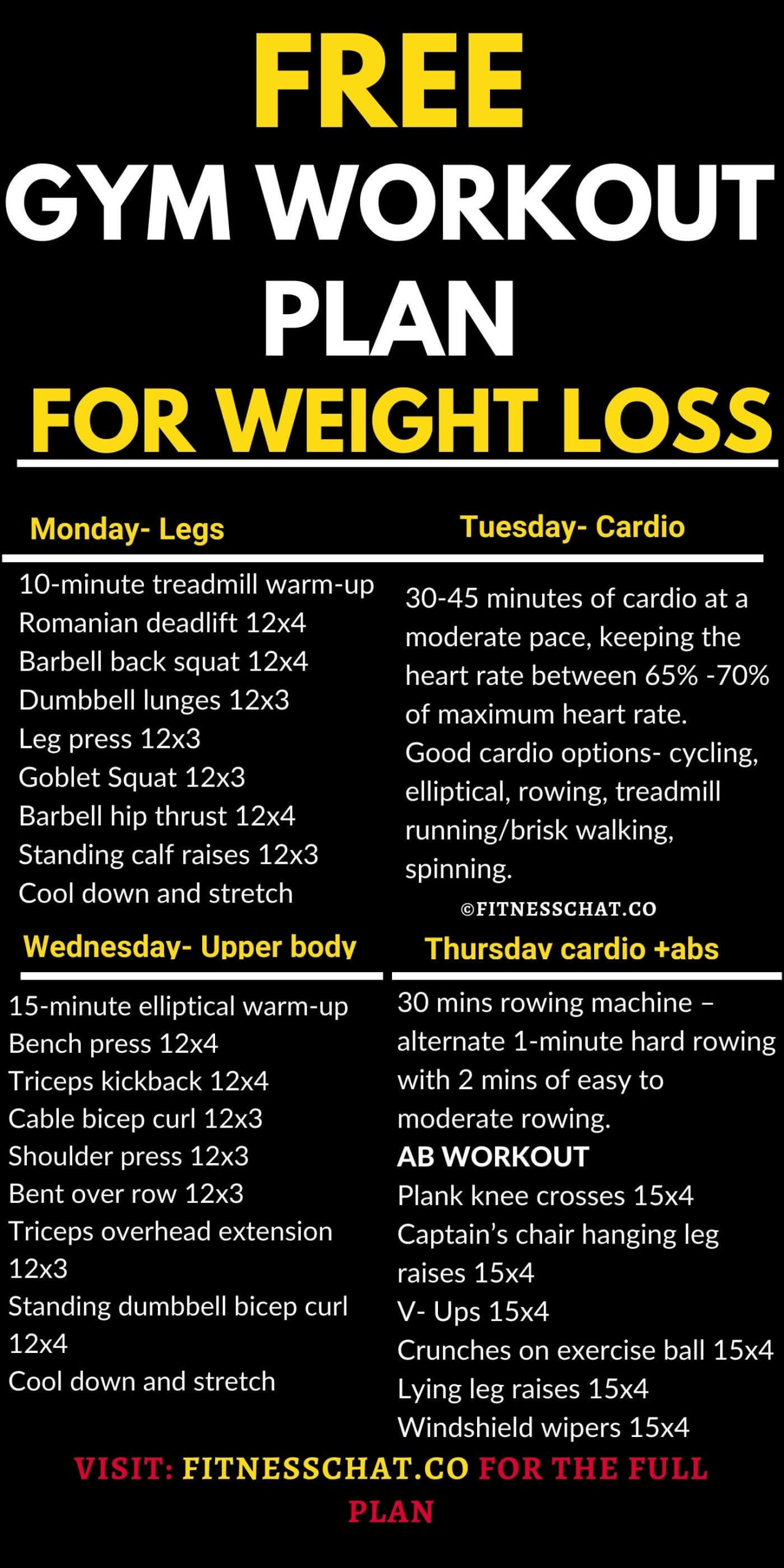
Sample Weekly Gym Schedule
To see how gym timing might look in real life, here’s an example schedule:
| Day | Time | Workout Focus |
|---|---|---|
| Monday | Morning | Cardio (running, cycling) |
| Tuesday | Afternoon | Strength (upper body) |
| Wednesday | Evening | Yoga or stretching |
| Thursday | Afternoon | Strength (lower body) |
| Friday | Morning | HIIT or circuit training |
| Saturday | Evening | Sports or group class |
| Sunday | Rest | Active recovery (walk, light activity) |
You can adjust the times and activities based on your preferences and schedule.
What Science Says About Gym Timing
Scientific research shows the best time for the gym is different for each person, but some patterns stand out.
- Body temperature peaks in the late afternoon, supporting strength and endurance.
- Hormone levels like testosterone and cortisol change throughout the day, affecting performance.
- Sleep quality is usually better with morning or afternoon workouts.
- Consistency is the biggest factor for long-term results.
A study published by the Journal of Strength and Conditioning Research found that while strength and power are higher in the afternoon, the body adapts over time. If you train at the same time regularly, your body learns to perform better during that slot.
For more on scientific findings, visit this Healthline guide.
Mistakes To Avoid When Choosing Your Gym Time
1. Ignoring Your Personal Schedule
Trying to fit workouts into a time that clashes with work or family leads to skipped sessions. Pick a realistic slot.
2. Not Warming Up
Skipping warm-ups, especially in the morning, raises injury risk. Always start slow.
3. Overtraining Late At Night
Hard workouts right before bed can harm sleep and recovery. Finish at least an hour before sleep.
4. Following Others Blindly
Just because a fitness influencer trains at 5 a. m. doesn’t mean you must. Listen to your own body.
5. Failing To Adapt
Life changes—so should your gym time. Be flexible if your routine shifts.
Special Considerations For Certain Groups
Shift Workers
If you work nights or rotating shifts, find a time slot when you’re most alert—even if it’s not a “normal” hour.
Parents
Early mornings or after children’s bedtime can be practical. Short, efficient workouts help maintain consistency.
Seniors
Late mornings or early afternoons are often best, as body temperature is higher and energy is stable.
Students
If classes start early, try afternoon or early evening. But avoid working out too late if you have early commitments.
How To Build A Lasting Gym Habit
No matter what time you choose, these strategies can help:
- Prepare the night before (clothes, water bottle, gym bag)
- Schedule workouts in your calendar
- Find a workout buddy for accountability
- Set small, clear goals
- Reward yourself for consistency
Frequently Asked Questions
What Is The Absolute Best Time For Gym Results?
There is no single “best” time for everyone. The best results come from choosing a time you can stick to consistently. Your body adapts to your chosen slot, so pick what fits your routine and energy.
Can I Change My Workout Time Often?
Yes, you can change your gym time, but your body may need a few days to adjust each time. For most people, sticking to a regular schedule helps with habit-building and performance.
Will Working Out Late At Night Harm My Sleep?
For some people, intense late-night workouts can make it harder to fall asleep. If this happens to you, try ending your session at least an hour before bedtime.
Is It Okay To Train On An Empty Stomach In The Morning?
Light to moderate exercise is usually fine on an empty stomach, but you may feel weak during intense workouts. Try a small snack if you feel dizzy or tired.
Does Gym Timing Affect Weight Loss?
The time of day has a small effect on weight loss. What matters most is total calorie intake, consistency, and effort. Choose a time that helps you stay committed.
Finding the best time for the gym is not about following trends—it’s about matching your workouts to your life, energy, and goals. Listen to your body, try different times, and focus on building a routine that keeps you moving forward. Consistency, not the clock, is what brings real results.

Credit: www.amazon.com
