

What Shoes to Wear Zumba: Top Picks for Ultimate Comfort
Zumba is more than a workout—it's a dance party that lifts your mood and helps you stay fit. If you’ve ever stepped onto a Zumba floor, you know the right energy and attitude are important. But one thing many beginners overlook is their shoes.
Wearing the wrong shoes can turn a fun session into a painful experience or even lead to injury. If you’re asking, "What shoes should I wear for Zumba? ", you’re not alone. This guide gives you everything you need to know to make the best choice—so you can move freely, safely, and with style.
Why Shoes Matter In Zumba
Zumba mixes Latin dance moves with aerobic exercise. The movements are fast, there’s a lot of turning, sliding, and jumping. Unlike running or walking, Zumba puts stress on different parts of your feet. Good shoes help you:
- Prevent injuries like twisted ankles or sore knees
- Move easily on the dance floor
- Protect your feet from blisters and bruises
- Enjoy the class without worrying about pain
If you show up in regular running shoes, you might notice your feet stick to the floor during spins. This is not just annoying—it can hurt your knees. Picking the right shoes is key for both fun and safety.
The Main Features Of Good Zumba Shoes
Not all athletic shoes are the same. Here are the most important features to look for when choosing shoes for Zumba.
1. Lightweight Design
Zumba is fast and energetic. Heavy shoes can slow you down and tire your legs quickly. Look for shoes made from light materials, like mesh or special foams. These let you dance longer without feeling weighed down.
2. Good Cushioning
Your feet take a lot of shock when you jump or stomp. Cushioned soles absorb impact and keep your joints safe. Pay attention to the insole (the soft part inside the shoe) and the midsole (the main body of the sole). The more comfortable these feel, the better your experience will be.
3. Flexible Soles
Zumba moves require your foot to bend and flex in many directions. Rigid shoes can hold you back. Try to twist the shoe with your hands—if it bends easily, it’s probably flexible enough.
4. Smooth Pivot Point
Many Zumba moves involve twists and turns. A pivot point is a smooth, round spot on the bottom of the shoe, usually under the ball of your foot. This allows easy spinning without sticking to the floor or hurting your knee.
5. Good Grip
You don’t want to slip, but you also don’t want the shoe to stick too much. Look for shoes with moderate grip: not as much as a running shoe, but not as little as a sock. Dance sneakers often have the right amount.
6. Support
Your feet need to be stable, especially during side-to-side moves. Shoes with good lateral support (side support) protect your ankles and prevent rolling.
7. Breathability
Zumba makes you sweat—a lot. Shoes made with mesh or other breathable materials help keep your feet cool and dry, reducing the chance of blisters.
8. Low Heel-to-toe Drop
Many running shoes have a raised heel. This is not helpful for Zumba. Shoes with a low heel-to-toe drop (the difference in height from heel to toe) keep your foot flat and stable, which is better for dancing.
Types Of Shoes For Zumba
It’s easy to get confused by all the choices. Let’s break down the types of shoes you might consider.
1. Dance Sneakers
These are designed specifically for dance fitness. They offer flexibility, cushioning, and usually have a pivot point. Dance sneakers are often the best choice for Zumba.
2. Cross-trainers
Cross-training shoes are made for many activities. They have good side support and are more flexible than running shoes. Some models work well for Zumba—just check for a smooth sole.
3. Dedicated Zumba Shoes
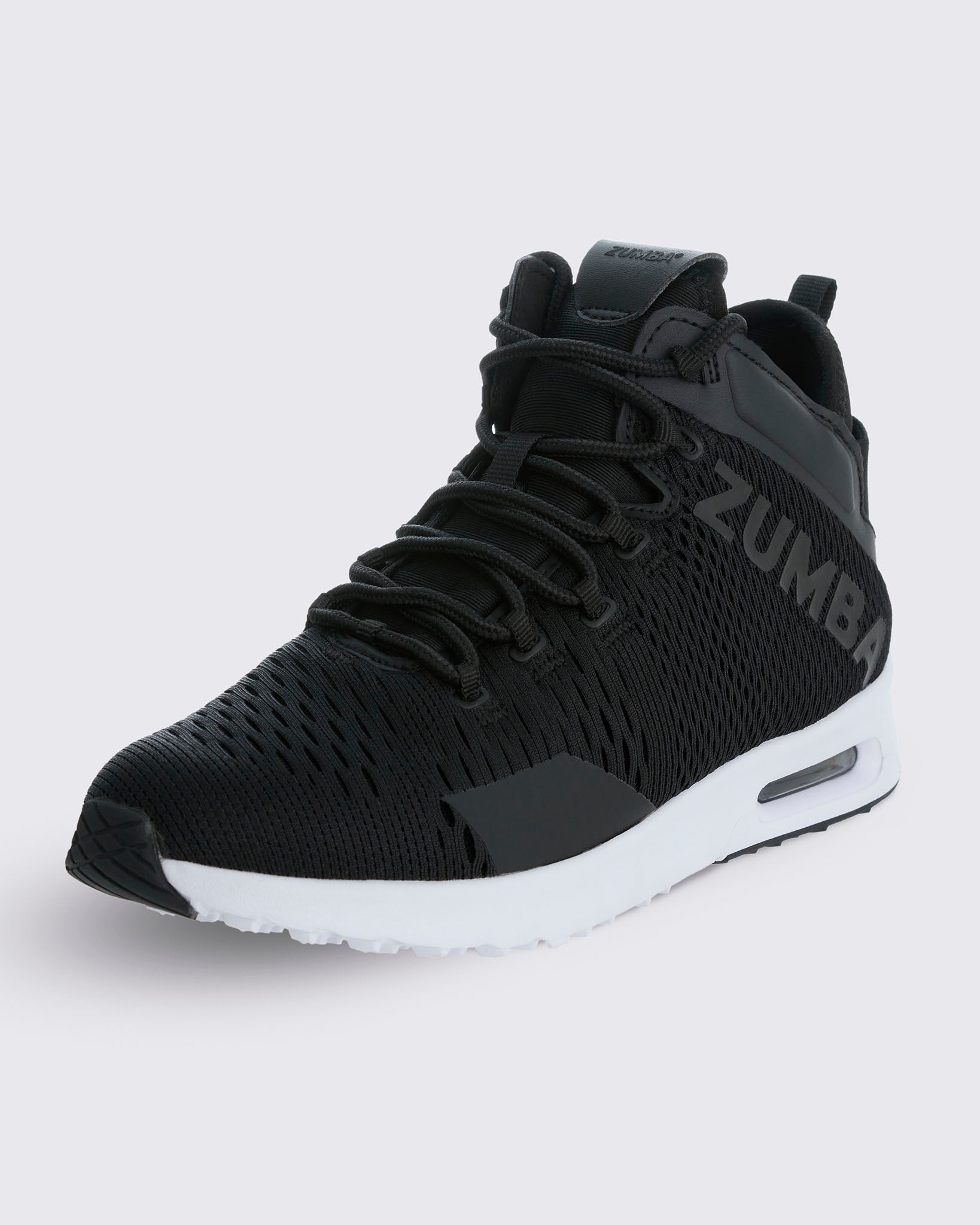
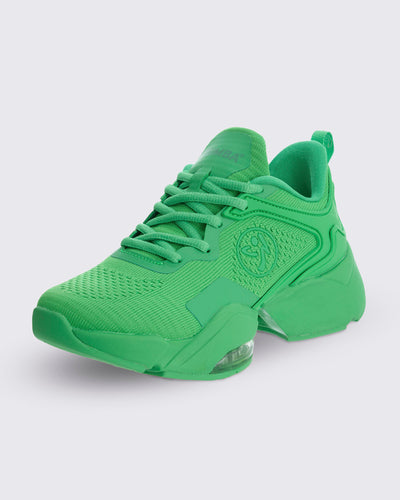
Some brands now make shoes just for Zumba. These combine features of dance sneakers and cross-trainers, with extra focus on spin spots and lightweight design.
4. Minimalist Shoes
These are thin, light shoes that let you feel the floor. They allow natural movement but may not provide enough cushion for everyone. If you have strong feet and want a barefoot feel, these could work.
5. Jazz Shoes
Jazz shoes are used in traditional dance. They’re flexible and light, but usually have less cushioning. They’re best for experienced dancers or those with strong, healthy feet.
6. Indoor Court Shoes
Shoes for sports like volleyball or badminton can sometimes work. They’re flat, have good grip, and are light. However, they may lack a pivot point.
Shoes To Avoid In Zumba
Some shoes are not suitable for Zumba, even if they’re athletic shoes.
- Running shoes: Too much grip, stiff, and the heel is often too high.
- Tennis shoes: Made for sudden stops, not for spinning.
- Walking shoes: Often heavy and not flexible.
- Bare feet: No protection, high risk of injury.
- Street sneakers: Lack support, too flat, soles can be too sticky.
A common mistake is thinking any athletic shoe will work. The wrong shoes can cause knee pain, blisters, or worse.
Credit: congreso.rendiciondecuentas.org.mx
How To Test Shoes For Zumba
Never pick shoes just by looks. Here are steps to test if a shoe is Zumba-ready:
- Twist the shoe: Hold the toe and heel—can you twist it easily? If yes, it’s flexible.
- Try a spin: On a hard surface, see if you can turn easily on the ball of your foot.
- Jump test: Hop in place. Do your feet feel cushioned, or does it hurt?
- Side steps: Try quick side moves. Do your feet feel supported?
- Check weight: Hold the shoe in your hand. If it feels heavy, it’s likely not ideal.
Bringing your own socks to try shoes in the store can help you get the right fit.
Fit And Sizing Tips
Having the right size is as important as having the right type.
- Leave a thumb’s width between your longest toe and the end of the shoe.
- Fit snug but not tight—your foot should not slide around.
- Try shoes in the afternoon—your feet swell during the day, so this is when they’re biggest.
- Wear your Zumba socks when trying on shoes.
- Break them in—new shoes can be stiff. Wear them around the house before your first class.
People often buy shoes that are too small, thinking they’ll stretch. This leads to blisters and black toenails. Aim for comfort from day one.
Comparing Zumba Shoes: Key Features
Here’s a quick comparison of three popular types of Zumba shoes:
| Feature | Dance Sneakers | Cross-Trainers | Minimalist Shoes |
|---|---|---|---|
| Flexibility | High | Medium | Very High |
| Cushioning | Good | Very Good | Low |
| Pivot Point | Usually Yes | Sometimes | No |
| Weight | Light | Medium | Very Light |
| Support | Good | Very Good | Poor |
How Zumba Shoes Differ From Other Athletic Shoes
Many beginners think they can use the same shoes for all sports. That’s a big mistake. Here’s why:
- Running shoes are designed for forward motion. They have a lot of grip to prevent slipping, but this is bad for spinning.
- Basketball shoes are high-cut for ankle support but are usually heavy and stiff.
- Tennis shoes are made for quick side moves, but their grip can make turns difficult.
Zumba shoes are special because they need to balance grip and glide. Too much of either can cause problems. Also, the support should focus on side-to-side movement, not just forward.
Women’s Vs. Men’s Zumba Shoes
Zumba is popular with all genders, but shoe needs can be a little different.
- Women’s shoes are usually narrower and more flexible.
- Men’s shoes tend to be wider and offer more support.
No matter your gender, always choose the shoe that fits your foot, not just your gender label. Some women have wider feet and may prefer men’s shoes. Some men with narrow feet might like women’s models.
Top Mistakes To Avoid When Choosing Zumba Shoes
Making the wrong choice can lead to pain or injury. Here are common mistakes and how to avoid them:
- Choosing by looks: Stylish shoes may not support your feet.
- Buying too small: Tight shoes cause blisters.
- Ignoring support: Minimal shoes can be risky for beginners.
- Using old shoes: Worn-out soles lose grip and cushion.
- Mixing sports: Don’t use running or tennis shoes for Zumba.
A good shoe will make you forget about your feet and let you enjoy the music.
How To Care For Your Zumba Shoes
Proper care makes your shoes last longer and keeps them fresh.
- Air them out: Let shoes dry after each class to prevent odor.
- Clean gently: Use a damp cloth and mild soap. Avoid washing machines.
- Check soles: Replace shoes if the grip wears out.
- Rotate pairs: If you go to Zumba often, use two pairs and switch between them.
- Use shoe deodorizer: This keeps them smelling fresh.
If you start to feel new pain, check your shoes. Sometimes, you need a new pair before you realize it.
When To Replace Your Zumba Shoes
No shoe lasts forever. Here are signs you need a new pair:
- Worn out tread: If the pattern on the bottom is smooth, replace them.
- Less cushion: If your feet hurt after class, the cushion may be gone.
- Loose fit: Shoes that feel loose can lead to injury.
- Visible damage: Tears, holes, or broken parts mean it’s time for a change.
On average, Zumba shoes last between 6 to 12 months, depending on how often you dance. If you go to class twice a week, check your shoes every few months.
Credit: www.zumbawear.com
Examples Of Good Zumba Shoe Brands
There are many brands that make shoes suitable for Zumba. Here are some popular options:
- Nike (models like Flex, Free, or dedicated dance shoes)
- Ryka (especially their dance series for women)
- Reebok (some cross-trainers and dance shoes)
- Bloch (known for dance sneakers)
- Capezio (jazz and dance sneakers)
- Asics (some court shoes work well)
Always focus on the features, not just the brand. Try shoes on and see how they feel before buying.
The Role Of Socks In Zumba
Shoes are important, but socks matter too. Wear socks that are:
- Moisture-wicking: These keep feet dry.
- Thin or medium thickness: Thick socks can make shoes too tight.
- Seamless: Fewer seams mean fewer blisters.
Some dancers prefer no-show or ankle socks for comfort. Avoid cotton socks—they hold sweat and can cause blisters.
How Your Foot Shape Affects Shoe Choice
Everyone’s feet are different. Some people have:
- Flat feet: Look for shoes with strong arch support.
- High arches: Extra cushion is important.
- Wide feet: Choose brands with wide options.
If you’re not sure about your foot shape, many shoe stores can check for you. Getting the right fit makes a big difference.
What Surfaces Are Best For Zumba Shoes?
Zumba is usually done indoors, but floors can be different:
- Wood floors: Most Zumba shoes work well here.
- Rubber floors: Look for shoes with a pivot point to avoid sticking.
- Carpet: Avoid shoes with too much grip; they’ll catch on the carpet.
Never wear your Zumba shoes outside. Dirt and grit can damage both the shoes and the dance floor.
Credit: www.zumbawear.com
How To Save Money When Buying Zumba Shoes
Good shoes can be expensive, but there are ways to save:
- Buy last season’s models: They’re often cheaper and just as good.
- Shop sales: Check fitness stores and online deals.
- Try outlet stores: They carry discounted athletic shoes.
- Join Zumba groups: Members often share deals and tips.
Never buy used shoes—they’re shaped to someone else’s feet and may not support you well.
Common Questions Beginners Have About Zumba Shoes
Let’s look at what most first-timers want to know.
1. Can I Use My Running Shoes For Zumba?
Not recommended. Running shoes grip too much and are stiff—bad for turns and lateral moves.
2. Do I Need Special Zumba Shoes?
Not always, but shoes made for dance or cross-training are best. Special Zumba shoes offer extra comfort and spin support.
3. What If I Have Foot Pain During Class?
Stop and check your shoes. If they’re old, stiff, or the wrong size, get a new pair. If pain continues, see a doctor.
4. How Much Should I Spend?
Good Zumba shoes cost about the same as other athletic shoes. You don’t need the most expensive pair—just the right fit and features.
5. Can I Dance In Socks Or Barefoot?
Not advised. You risk slips, falls, and injuries. Always wear proper shoes.
Comparison: Running Shoes Vs. Zumba Shoes
To make it clearer, here’s how running shoes compare to Zumba shoes:
| Feature | Running Shoes | Zumba Shoes |
|---|---|---|
| Heel Height | High | Low |
| Sole Grip | Strong | Moderate |
| Flexibility | Low | High |
| Pivots | Poor | Easy |
| Support for Lateral Moves | Low | High |
How To Shop Online For Zumba Shoes
Buying shoes online is convenient, but it can be tricky. Here’s how to do it right:
- Read reviews: Look for comments about fit and comfort from other Zumba dancers.
- Check return policies: Make sure you can return or exchange the shoes if they don’t fit.
- Know your size: Sizes can vary by brand. Measure your feet and check the brand’s size chart.
- Order two sizes: If you’re unsure, order two sizes and return the one that doesn’t fit.
- Shop trusted sites: Only buy from official stores or well-known retailers.
You can find more tips on athletic footwear at Verywell Fit.
Frequently Asked Questions
What If I Can’t Find Zumba-specific Shoes In My Country?
You don’t need Zumba-branded shoes. Look for dance sneakers, cross-trainers, or court shoes with the right features: flexible, lightweight, with a smooth sole and good side support.
How Do I Know If My Shoes Are Worn Out?
Check the sole for smooth spots or holes. Notice if you feel less support or more pain after class. If shoes look or feel tired, it’s time for a new pair.
Can Orthotics Be Used In Zumba Shoes?
Yes, many Zumba shoes have removable insoles. You can use your own orthotics for extra support, especially if you have flat feet or special needs.
Is It Okay To Share Zumba Shoes With A Friend?
No. Shoes mold to your foot shape. Sharing can cause discomfort or injury. Always use your own pair for hygiene and support.
What Should I Do If My Feet Sweat A Lot During Zumba?
Wear moisture-wicking socks and choose shoes with mesh panels. Take shoes off to air them out after class. Using foot powder can also help reduce sweat.
Zumba is about having fun and moving to the music. With the right shoes, you’ll feel confident, comfortable, and ready to dance your heart out every time. Don’t settle for less—your feet will thank you.
