

What Not to Wear for Business Casual: Top Style Mistakes to Avoid
What Not To Wear For Business Casual
Business casual is a phrase you hear often, but many people find it confusing. If you work in an office or attend professional events, you know the importance of dressing right. But knowing what NOT to wear is just as important as choosing the right clothes.
This article will help you avoid mistakes and understand what business casual really means. You’ll get clear advice, useful examples, and practical tips to build your confidence.
Many beginners think business casual means “anything except a suit. ” That’s not true. Dress codes vary between companies, but there are clear rules for what is acceptable. Wearing the wrong clothes can hurt your image and even affect your career.
This guide will show you how to avoid common mistakes and look professional every day.
Understanding Business Casual
Before you learn what not to wear, it’s important to understand what business casual actually is. Business casual is a dress code used in many offices and workplaces. It’s less formal than traditional business wear, but it is not casual streetwear. The goal is to look neat, professional, and comfortable.
Business casual usually means:
- Collared shirts (like polos or button-downs)
- Slacks or khakis
- Blouses or tops that are not too revealing
- Closed-toe shoes
- Blazers or sweaters (optional)
It does NOT mean jeans, t-shirts, sneakers, or anything you’d wear to a party. The details may change depending on your workplace, but business casual always aims for a polished look.
Why Dress Codes Matter
Dress codes are more than rules. They help create the right atmosphere in the workplace. When everyone follows a similar style, the office feels more professional. Dressing correctly shows respect for your company, your coworkers, and yourself.
A study by the Society for Human Resource Management found that 43% of offices use a business casual dress code. However, nearly 30% of employees said they were unsure about what it really means. This confusion leads to mistakes and embarrassment.
Common Mistakes: What Not To Wear
Many people think they are following business casual, but make errors that cost them credibility. Here are the main things you should never wear in a business casual environment.
1. Avoid Athletic Wear
Do not wear athletic clothes like sweatpants, gym shorts, or tracksuits. These are too informal for the workplace. Even if your clothes are clean and new, they do not fit the business casual standard.
2. Say No To Graphic T-shirts
Graphic tees, shirts with slogans, or large logos are not business casual. Stick to plain, solid colors or simple patterns. A shirt with a cartoon or a funny phrase can make you look unprofessional.
3. No Ripped Or Distressed Clothing
Jeans, pants, or shirts with rips, holes, or distressed designs are never acceptable. Even small tears or worn spots can hurt your image. Your clothes should look fresh and well-maintained.
4. Skip Shorts And Mini Skirts
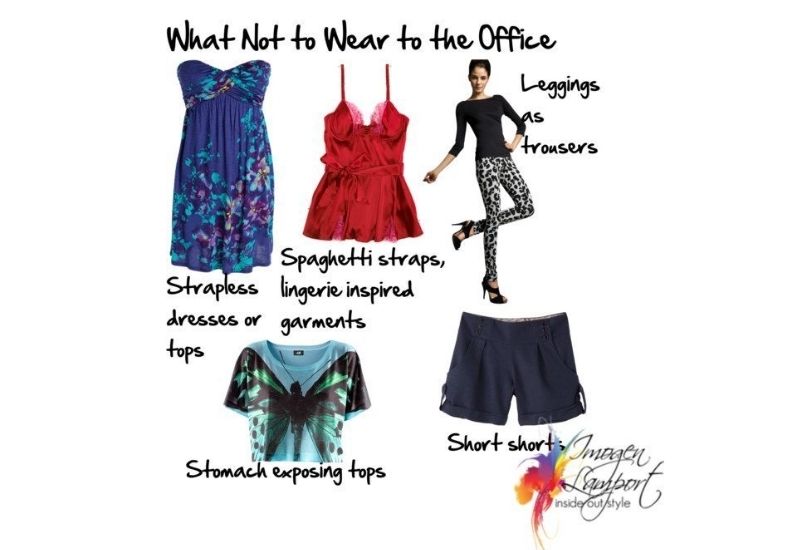
Shorts are too casual for business environments. Mini skirts are also not suitable. If you want to wear a skirt, choose one that falls near the knee. The same rule applies to dresses.
5. Avoid Flip-flops And Sandals
Open-toe shoes like flip-flops or sandals are a common mistake. These are for the beach, not the office. Closed-toe shoes like loafers or dress shoes are safer choices.
6. Steer Clear Of Hoodies And Sweatshirts
Hoodies and sweatshirts look comfortable but are not business casual. They give a relaxed, informal impression. Choose a sweater or blazer instead.
7. No Excessive Accessories
Too much jewelry or flashy accessories can distract others. Keep it simple. Avoid large earrings, big necklaces, or stacks of bracelets.
8. Skip Clothing That Is Too Revealing
Clothes that show too much skin, like low-cut tops, crop tops, or see-through fabrics, do not fit business casual. You should always look polished and professional.
9. Say No To Bright Neon Colors
Neon or very bright colors can be distracting. Choose neutral shades, soft colors, or classic patterns.
10. Avoid Cargo Pants
Cargo pants with big pockets are too casual. Stick to slacks, chinos, or tailored trousers.
11. Don’t Wear Clothing That Doesn’t Fit
Clothes that are too tight or too loose look unprofessional. Make sure your clothes fit well and are comfortable.
12. Skip Baseball Caps And Hats
Hats and caps are not part of business casual. Unless there is a medical or cultural reason, leave your hats at home.
13. No Visible Undergarments
Visible bra straps, underwear lines, or tank tops under shirts break the business casual code. Your undergarments should never show.
14. Avoid Overly Casual Dresses
Some dresses are too casual, like sundresses or spaghetti strap styles. Choose dresses with sleeves or thicker straps, and knee-length or longer.
15. Steer Clear Of Heavy Fragrance
While not clothing, strong perfumes or colognes can bother coworkers. Keep scents light or avoid them entirely.
Comparing Business Casual With Other Dress Codes
To help you see the difference, here’s a quick comparison between business casual, business formal, and casual dress codes.
| Dress Code | Key Clothing | Acceptable Shoes | Accessories |
|---|---|---|---|
| Business Formal | Suits, ties, dress shirts | Dress shoes | Classic, minimal |
| Business Casual | Collared shirts, slacks, blouses | Loafers, ballet flats | Simple, understated |
| Casual | T-shirts, jeans, shorts | Sneakers, sandals | Any style |
This table shows how business casual is a middle ground. It is less formal than a suit and tie, but much more polished than jeans and t-shirts.
What Not To Wear: Men’s Guide
Business casual for men has its own rules. Here are specific things men should avoid.
Skip T-shirts
Even plain t-shirts are not business casual. Always wear a collared shirt, like a polo or button-down.
No Baggy Jeans
Jeans are sometimes allowed in business casual, but only if they are dark, well-fitted, and free of rips. Avoid baggy, faded, or distressed jeans.
Avoid Sneakers
Sneakers are comfortable but not business casual. Choose loafers, oxfords, or dress shoes.
Don’t Wear Shorts
Shorts are never business casual for men. Stick to trousers or chinos.
No Sports Jerseys
Sports jerseys show support for your team, but they do not belong in the workplace.

Credit: www.ultimatemedical.edu
What Not To Wear: Women’s Guide
Women’s business casual includes more options, but there are clear limits. Here are mistakes to avoid.
Avoid Tank Tops And Spaghetti Straps
These are too casual and show too much skin. Wear tops with sleeves or thicker straps.
No Leggings As Pants
Leggings are comfortable but not business casual unless paired with a long tunic that covers your hips.
Skip Excessive Makeup
Heavy makeup or glitter can draw unwanted attention. Keep your look natural and professional.
Don’t Wear High Heels That Are Too Tall
Very high heels can look flashy. Stick to moderate heels or flats.
Avoid Overly Short Skirts
Skirts should be knee-length or longer. Anything shorter is not business casual.
Business Casual: What’s Acceptable Vs. What’s Not
Here’s a simple table to show items that are acceptable and those that you should avoid.
| Acceptable | Not Acceptable |
|---|---|
| Blazers | Hoodies |
| Slacks | Cargo pants |
| Button-down shirts | Graphic tees |
| Closed-toe shoes | Flip-flops |
| Knee-length skirts | Mini skirts |
| Simple accessories | Large jewelry |
This helps you quickly see what to wear and what to avoid.
Why Dressing Wrong Hurts Your Image
Wearing the wrong clothes can damage your reputation. People judge your professionalism by your appearance. In a survey by CareerBuilder, 41% of employers said they would be less likely to promote someone who dresses too casually.
When you dress incorrectly, you risk:
- Losing respect from coworkers and managers
- Missing out on promotions
- Feeling out of place in meetings
- Creating distractions
It’s not just about looking good; it’s about fitting in and being taken seriously.
How To Avoid Business Casual Mistakes
Knowing what not to wear is a start, but you also need strategies to avoid mistakes. Here are practical tips:
1. Read Your Company Policy
Most companies have dress code guides. Ask HR or check your employee handbook.
2. Observe Others
Look at what managers and colleagues wear. Follow their lead.
3. When Unsure, Dress Up
If you’re not sure, choose the more formal option. It’s better to be slightly overdressed.
4. Ask For Feedback
If you make a mistake, ask coworkers or managers for advice.
5. Keep Clothes Clean And Pressed
Wrinkled or dirty clothes make a bad impression, even if they fit the dress code.
6. Rotate Your Outfits
Don’t wear the same thing every day. Mix and match to avoid looking boring.
7. Invest In Basics
Buy high-quality basics like slacks, button-downs, and blouses. They last longer and always look good.
Credit: insideoutstyleblog.com
Cultural Differences In Business Casual
Business casual can mean different things in different countries. For example, in Japan, business casual is very conservative, while in some tech companies in California, jeans are allowed.
Always check local customs and company culture. If you travel for work, research the dress code before you go. One non-obvious insight: some companies use “business casual” to mean “no tie,” but still expect a jacket and dress pants.
Business Casual For Remote Workers
With more people working from home, business casual is evolving. Many companies now use video calls, so your top half matters most. Avoid pajamas, tank tops, or anything you wouldn’t wear in the office.
Some remote workers make the mistake of dressing too casually. Remember, you still represent your company. Choose a neat shirt, simple accessories, and avoid distractions in your background.
Business Casual Vs. Smart Casual
People often confuse business casual with smart casual. Here’s a comparison to help you understand the difference:
| Feature | Business Casual | Smart Casual |
|---|---|---|
| Purpose | Workplace | Social events |
| Acceptable Jeans | Rarely | Often |
| Collared Shirt | Yes | Optional |
| Dress Shoes | Recommended | Optional |
| Accessories | Minimal | Flexible |
Smart casual is more relaxed and allows for more personal style. Business casual is stricter and focused on professionalism.
Non-obvious Insights For Beginners
Many guides focus only on what clothes to avoid. Here are two insights beginners often miss:
1. Fit And Maintenance Matter More Than Brand
Some people buy expensive clothes but neglect fit and care. A cheap, well-fitted shirt looks better than a pricey, baggy one. Always check how your clothes fit and keep them clean.
2. Patterns And Textures Can Be Tricky
Not all patterns are business casual. Avoid loud prints, animal patterns, or shiny fabrics. Stick to subtle stripes, checks, or solid colors.
Examples Of Business Casual Mistakes
To help you avoid errors, here are real-world examples:
- Case 1: Someone wore a Hawaiian shirt to a business casual office. Their manager told them to change because the pattern was too loud.
- Case 2: A woman wore leggings as pants without a long top. HR told her this was not appropriate for business casual.
- Case 3: An employee showed up in sneakers and shorts for a meeting. He was asked to dress more professionally next time.
These examples show how easy it is to make mistakes if you don’t know the rules.
Business Casual In Different Industries
Business casual varies by industry. In finance or law, it’s more formal. In tech or creative fields, it’s often relaxed. Here’s how to adjust:
- Finance: Stick to slacks, button-downs, and closed-toe shoes.
- Tech: Dark jeans may be allowed, but avoid sneakers and hoodies.
- Creative: You can add color and patterns, but avoid anything too casual.
Always check with HR or your manager if you are unsure.
The Role Of Shoes In Business Casual
Shoes are often overlooked, but they matter. Your shoes can make or break your outfit.
- Good choices: Loafers, oxfords, ballet flats, low heels.
- Bad choices: Sneakers, flip-flops, sandals, platform shoes.
One study found that people often judge professionalism by shoes. Clean, polished shoes are essential. Avoid worn-out or dirty shoes.
Quick Checklist: What Not To Wear
Here’s a fast checklist to help you remember:
- Athletic wear
- Graphic tees
- Ripped clothing
- Shorts
- Flip-flops
- Hoodies
- Excessive jewelry
- Revealing clothes
- Neon colors
- Cargo pants
- Ill-fitting clothes
- Hats
- Visible undergarments
- Casual dresses
- Heavy fragrance
Keep this list in mind before you leave for work.

Credit: b-movie.ch
How To Build A Business Casual Wardrobe
Building the right wardrobe takes time. Here’s how to do it:
- Start with basics: Slacks, button-down shirts, blouses, skirts, blazers.
- Choose neutral colors: Navy, black, gray, beige.
- Add simple accessories: Watches, belts, small earrings.
- Buy quality over quantity: Invest in a few good pieces.
- Update seasonally: Add sweaters in winter, lighter fabrics in summer.
Don’t rush. Build your wardrobe slowly and keep your pieces in good condition.
Practical Tips For Staying Within Dress Code
Even experienced professionals make mistakes. Here are practical tips:
- Double-check before meetings: If you have an important meeting, dress up a bit more.
- Keep a spare blazer or sweater: You can quickly make your outfit more formal.
- Avoid trends: Trends change fast. Stick to classic styles.
- Don’t mix casual and business items: For example, don’t wear sneakers with slacks.
These tips will help you stay professional every day.
Business Casual For Different Body Types
Everyone has a different body shape. Choose clothes that flatter you and fit well.
- Tall: Choose longer jackets and pants.
- Petite: Wear fitted styles, avoid oversized clothes.
- Curvy: Pick clothes with structure, avoid clingy fabrics.
The goal is to feel confident and comfortable.
The Impact Of Business Casual On Workplace Culture
Dressing correctly helps build trust and respect. It creates a positive atmosphere and encourages teamwork. When everyone follows the dress code, the office feels united.
Some companies use dress codes to show their values. For example, a company focused on innovation may allow more relaxed styles. A company focused on tradition will expect more formal business casual.
If you want to learn more about business casual and dress codes, visit SHRM’s Dress Code Guide for helpful resources.
Frequently Asked Questions
What Is The Main Difference Between Business Casual And Business Formal?
Business casual is less strict than business formal. Business formal requires suits, ties, and dress shoes. Business casual allows collared shirts, slacks, and simple shoes, but not jeans, t-shirts, or sneakers.
Can I Wear Jeans In A Business Casual Office?
Sometimes, yes. But only if your company allows it. If jeans are allowed, choose dark, well-fitted jeans with no rips or distress. Never wear baggy or faded jeans.
Are Sneakers Ever Acceptable For Business Casual?
Usually, no. Sneakers are too casual. Choose loafers, oxfords, or ballet flats instead. Some tech companies may allow clean, simple sneakers, but check your policy first.
What Types Of Accessories Are Best For Business Casual?
Choose simple accessories like watches, small earrings, and thin necklaces. Avoid anything large, flashy, or noisy. Accessories should complement your outfit, not distract.
How Can I Avoid Making Dress Code Mistakes?
Read your company policy, observe what others wear, and ask for feedback. When unsure, choose the more formal option. Keep your clothes clean, well-fitted, and professional.
Choosing what NOT to wear for business casual is just as important as picking the right clothes. By avoiding common mistakes and following the tips in this guide, you’ll build a reputation as a confident, professional team member. Remember, business casual is about showing respect for your workplace and feeling comfortable in your role.
When in doubt, dress up rather than down, and keep your look neat and polished every day.
