

What Not to Wear for Business Casual: Avoid These Style Mistakes
What Not To Wear For Business Casual
Business casual is a popular dress code in offices around the world. It tries to balance professionalism and comfort. Many people find it confusing. What is too formal? What is too relaxed? The line is not always clear. Making mistakes can hurt your image at work, and sometimes, even your chances for advancement.
This article will guide you through what not to wear for business casual. You’ll learn which items to avoid, why they don’t work, and what alternatives you can choose instead. If you want to look confident and professional without feeling stiff, understanding these rules is essential.
Let’s explore the common pitfalls and how to dress smartly in a business casual setting.
Understanding Business Casual
Before digging into what not to wear, it’s important to know what business casual means. The term “business casual” is used in many offices, but it doesn’t have one fixed definition. In general, business casual is less formal than traditional business wear but more polished than casual clothes.
Business casual usually includes:
- Collared shirts, blouses
- Dress pants, chinos, skirts
- Closed-toe shoes
It excludes items like suits, ties, and formal dresses. The goal is to look professional, comfortable, and approachable.
Many companies have their own interpretation. For example, tech firms may allow jeans, while banks expect slacks and button-down shirts. Always check your company’s guidelines if you’re unsure.
Common Mistakes In Business Casual
Some mistakes are seen over and over again in business casual environments. Avoiding these will help you fit in and look your best.
Wearing Athletic Wear
One of the biggest errors is choosing athletic wear. Gym clothes, yoga pants, sweatshirts, and sneakers are never business casual. These items make you look unprofessional, even if they are clean and expensive.
Athletic wear is designed for comfort and exercise, not for the office. It signals relaxation, not readiness to work. Instead, choose dress pants or a neat skirt. If you value comfort, look for soft fabrics like cotton blends or stretch materials.
Overly Casual Jeans
Jeans are a gray area. Some companies allow them, but not all jeans are appropriate. Avoid:
- Ripped jeans
- Faded or distressed jeans
- Baggy styles
If jeans are permitted, pick dark wash, well-fitted, and free from holes. Pair them with a blazer or smart shirt to balance the look.
Short Shorts And Mini Skirts
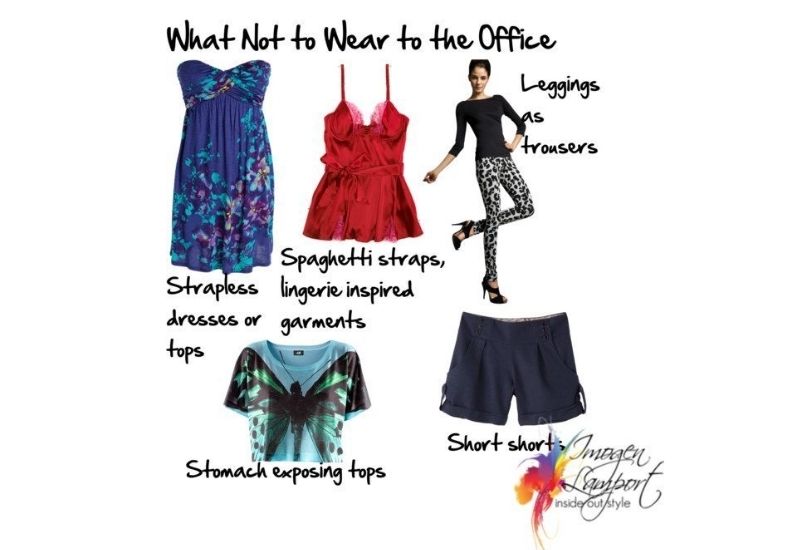
Anything too short is a clear “no” in business casual. This includes shorts, mini skirts, and dresses above mid-thigh. These items distract and can make others uncomfortable.
Choose skirts and dresses that reach at least just above the knee. If you’re unsure, sit down and check the length. If it rides up, it’s too short for the office.
Graphic T-shirts
Graphic tees might be fun, but they don’t belong in business casual. This includes shirts with slogans, cartoons, large logos, or bold prints. They draw attention away from your work.
Plain, collared shirts or blouses are best. Patterns like stripes or checks are fine if they are subtle.
Flip-flops And Sandals
Open-toe shoes are risky. Flip-flops, slides, and beach sandals are always too casual. Even some dressy sandals may not be accepted.
Closed-toe shoes like loafers, ballet flats, or low heels are safer choices. They signal professionalism and work readiness.
Sleeveless Or Low-cut Tops
Showing too much skin is a common mistake. Sleeveless tops, spaghetti straps, or low-cut blouses are not business casual unless your office is very relaxed.
Pick tops with sleeves or wear a cardigan or jacket over sleeveless items. Avoid deep necklines. If in doubt, choose modesty.
Hoodies And Sweatshirts
Hoodies and sweatshirts are for weekends, not workdays. They look cozy but not professional. Even luxury brands don’t change this rule.
Swap hoodies for a tailored sweater, blazer, or cardigan. These pieces add warmth and style.
Bright Colors And Loud Patterns
Business casual is about blending in, not standing out. Neon colors, wild patterns, and animal prints can distract your coworkers.
Choose neutral or muted tones—navy, gray, black, beige, or soft pastels. Small patterns or simple stripes are fine.
Overly Casual Dresses
Some dresses are not office-friendly. Avoid sundresses, spaghetti strap dresses, or anything with a plunging neckline.
Pick dresses with structure and knee-length hems. Shirt dresses, wrap dresses, and A-line styles are good options.
Excessive Accessories
Too many accessories can make you look unprofessional. Avoid large, flashy jewelry, multiple bracelets, or oversized bags.
Keep accessories simple and minimal. Small earrings, a watch, and a neat purse or briefcase are enough.
Dirty Or Wrinkled Clothing
Even the right items can look bad if they are dirty or wrinkled. This sends a message that you don’t care about your appearance.
Always wear clean, pressed clothes. Iron your shirts and pants. Polish your shoes. This attention to detail is noticed.

Credit: www.ultimatemedical.edu
Items That Are Never Business Casual
To make things clearer, here’s a list of items that should never be worn in a business casual setting:
- Tank tops and muscle shirts
- Shorts (of any kind)
- Sweatpants
- Ripped or distressed jeans
- Flip-flops or slides
- Caps and beanies
- Crop tops
- Hoodies
- Graphic t-shirts
- Mini skirts
- Backless dresses
- Athletic sneakers
- Beachwear
- Loud prints
- Too much jewelry
If you’re unsure about an item, ask yourself: “Would I wear this to meet a client?” If the answer is no, it’s not business casual.
Business Casual Vs Other Dress Codes
Understanding the difference between business casual and other dress codes can help you avoid mistakes. Here’s a comparison of typical dress codes:
| Dress Code | Allowed | Not Allowed |
|---|---|---|
| Business Formal | Suits, ties, dress shoes | Jeans, t-shirts, sneakers |
| Business Casual | Collared shirts, chinos, skirts | Shorts, hoodies, flip-flops |
| Casual | Jeans, t-shirts, sneakers | Suits, ties, formal dresses |
Business casual sits between formal and casual. If you’re unsure, it’s better to be slightly overdressed than underdressed.
How Business Casual Differs For Men And Women
Business casual can look different for men and women. Here’s a quick comparison:
| Category | Men | Women |
|---|---|---|
| Tops | Collared shirts, polos | Blouses, sweaters |
| Bottoms | Dress pants, chinos | Dress pants, skirts |
| Shoes | Loafers, Oxfords | Ballet flats, low heels |
| Outerwear | Blazers, cardigans | Blazers, cardigans |
| Accessories | Minimal, classic | Minimal, classic |
Men should avoid graphic tees, shorts, and sneakers. Women should skip mini skirts, spaghetti straps, and loud jewelry.
Why Your Appearance Matters
How you dress at work affects how others see you. Studies show that appearance can influence your chances of promotion, salary, and respect. According to a survey by CareerBuilder, 31% of employers said employees who dress too casually are less likely to be promoted.
Clothing is a form of communication. It shows you respect yourself and your workplace. Dressing appropriately builds trust and helps you connect with coworkers and clients.
Hidden Pitfalls Beginners Miss
Even when you avoid the obvious mistakes, there are some subtle errors many beginners make.
Wearing Clothes That Don’t Fit
Fit is just as important as style. Baggy or tight clothes look sloppy. For business casual, aim for a tailored fit. Not too loose, not too snug. If you struggle with sizing, consider visiting a tailor.
Ignoring Footwear
Many people focus on shirts and pants but forget about shoes. Dirty or worn-out shoes can ruin your look. Always wear clean, polished shoes. Avoid athletic sneakers, sandals, or anything that looks too relaxed.
Overlooking Layers
Layering is a skill. If you wear a nice shirt but throw on a messy jacket, it can spoil your whole look. Choose structured layers like blazers or cardigans. Avoid puffer jackets or hoodies.
Cultural And Regional Differences
Business casual is not the same everywhere. In some countries, “business casual” allows jeans. In others, it’s more formal. Warm climates may allow short sleeves, while cold areas expect long sleeves and closed shoes.
If you travel or work in a global company, ask local colleagues about the dress code. Adjust your style to fit the culture and climate. Never assume your old rules apply everywhere.
Digital Meetings And Business Casual
Remote work has changed how people dress. Many workers now attend meetings from home. Does business casual still matter? Yes, especially for video calls.
On camera, avoid:
- Pajamas or loungewear
- T-shirts with logos
- Messy hair
Wear a collared shirt or blouse. Make sure your clothes are clean and pressed. Good lighting and background also help you look professional.
Smart Alternatives To Common Mistakes
If you’re unsure about what to wear, here are smart swaps for common mistakes:
- Replace athletic sneakers with loafers or dress shoes.
- Swap graphic tees for plain, collared shirts.
- Trade hoodies for cardigans or blazers.
- Exchange mini skirts for knee-length styles.
- Choose dark, well-fitted jeans if allowed instead of ripped or faded jeans.
These changes help you stay comfortable while looking polished.
Business Casual For Different Body Types
Some people struggle with business casual because of body shape. Finding clothes that fit well can be challenging. Here are tips for different body types:
- Petite: Choose fitted styles, avoid oversized clothes, and stick to shorter jackets.
- Tall: Look for longer blazers, avoid cropped pants, and choose structured pieces.
- Plus-size: Pick clothes with structure, avoid clingy fabrics, and choose classic cuts.
- Athletic: Tailored shirts and pants create balance, avoid boxy tops.
The goal is to find clothes that flatter your shape without sacrificing comfort or professionalism.
How To Build A Business Casual Wardrobe
Building a wardrobe takes time. Start with basics:
- 2–3 pairs of dress pants or chinos
- 2–3 collared shirts or blouses
- 1–2 cardigans or blazers
- 1 pair of closed-toe shoes
Mix and match these items. Add pieces slowly as you learn what works. Avoid buying trendy items that might not fit the dress code.
Credit: insideoutstyleblog.com
Signs Your Outfit Is Not Business Casual
Here are warning signs your outfit is not business casual:
- You feel uncomfortable at work
- Colleagues dress more formally
- Managers give you feedback on your clothes
- You get strange looks in meetings
If any of these happen, review your wardrobe and adjust.
Real Examples Of “what Not To Wear”
To give you practical insight, here are real-life examples:
- An employee wore shorts and a tank top to a summer office party. The manager sent him home to change.
- A woman wore ripped jeans and a graphic tee to an interview in a tech company. She was not selected.
- A man wore flip-flops and cargo shorts to a client meeting. The client complained.
These examples show that even in relaxed environments, business casual has boundaries.

Credit: b-movie.ch
Business Casual In Creative Industries
Creative fields like advertising, design, and media often have looser dress codes. Still, there are limits. You can express personality with color and accessories, but avoid extremes. For example:
- Skip neon hair colors or piercings
- Avoid oversized logos or statement shirts
- Don’t wear shorts or athletic gear
Balance creativity with professionalism.
The Role Of Grooming In Business Casual
Clothing isn’t everything. Grooming matters too. Keep hair neat, nails clean, and avoid strong perfumes. Facial hair should be trimmed. For women, makeup should be subtle.
A polished appearance shows attention to detail.
What To Avoid In Business Casual For Specific Occasions
Sometimes, business casual changes for special events:
Interviews
Avoid jeans, sneakers, or anything too relaxed. Choose dress pants, a collared shirt, and closed shoes.
Presentations
Skip bold colors or patterns. Wear neutral tones that don’t distract from your message.
Office Parties
Don’t wear party outfits, mini skirts, or loud jewelry. Dress as you would for a normal workday, maybe with a touch of fun.
How To Handle Dress Code Mistakes
If you make a mistake, don’t panic. Apologize if needed, and learn from it. Keep a spare blazer or shirt at your desk. Pay attention to feedback.
Mistakes happen. The important thing is to fix them and improve.
Business Casual For Remote Work
Many offices now allow remote work. Dress codes may be relaxed, but avoid pajamas, tank tops, or messy hair on camera. Wear a collared shirt or neat blouse.
Remote work doesn’t mean ignoring professional standards. Your appearance still affects how others see you.
How To Read Office Culture
Every workplace has its own culture. Observe what managers and colleagues wear. Look for clues:
- Are ties common?
- Do people wear jeans?
- Are sneakers allowed?
Ask HR or your boss if you’re unsure. It’s better to ask than guess.
Business Casual And Sustainability
Many people now care about sustainability. Choose quality clothes that last. Avoid fast fashion and items that fall apart quickly.
Look for brands that use ethical materials. Quality over quantity is a smart approach.
Quick Reference: Business Casual Don’ts
Here’s a quick reference list of what not to wear:
| Don’t Wear | Why | Alternative |
|---|---|---|
| Shorts | Too relaxed | Chinos, dress pants |
| Flip-flops | Unprofessional | Loafers, flats |
| Graphic tees | Distracting | Plain shirts |
| Hoodies | Casual | Cardigan, blazer |
| Mini skirts | Too revealing | Knee-length skirts |
Keep this table in mind as you build your wardrobe.
Business Casual For Different Seasons
Dress codes change with the seasons. In summer, avoid shorts, tank tops, and sandals. Choose light fabrics like cotton or linen. In winter, layer with sweaters and blazers, but avoid bulky jackets.
Always maintain a professional look, no matter the weather.
How To Stay Comfortable Without Sacrificing Style
Comfort matters, but don’t let it override style. Choose clothes that fit well and are made from comfortable materials. Stretch fabrics, soft cotton, and well-designed shoes help.
Avoid baggy or sloppy clothes. You can be comfortable and professional.
How To Make Business Casual Work For You
The key is balance. You want to feel comfortable and look professional. Avoid extremes—don’t be too relaxed or too formal. Choose clothes that fit, are clean, and reflect your personality in a subtle way.
If you need extra help, many stores offer personal shopping or tailoring services. Take advantage of these resources.
Frequently Asked Questions
What Is The Biggest Mistake People Make In Business Casual?
The most common mistake is wearing clothes that are too casual, such as athletic wear, graphic tees, or flip-flops. These items make you look unprofessional and can hurt your image at work.
Can I Wear Jeans In Business Casual?
It depends on your company. If jeans are allowed, choose dark wash, well-fitted jeans with no holes or rips. Avoid faded or baggy styles.
Are Sneakers Acceptable For Business Casual?
Usually not. Athletic sneakers are too casual. If your office allows them, choose simple, clean styles. Otherwise, stick to loafers or dress shoes.
How Do I Know If My Outfit Is Business Casual?
Ask yourself if your outfit looks professional, clean, and comfortable. Avoid items like shorts, hoodies, and graphic tees. If you’re unsure, observe what your colleagues wear or ask HR.
What Should I Do If I Make A Business Casual Mistake?
Don’t panic. Apologize if needed and change your outfit. Keep a spare blazer or shirt at work. Learn from the mistake and adjust your wardrobe.
Business casual can be tricky, but with the right guidance, you can avoid mistakes and look confident every day. Pay attention to your office culture, choose smart alternatives, and invest in quality pieces. If you’re ever in doubt, remember: it’s better to be slightly overdressed than underdressed. For more insights on business attire, check out CareerBuilder.
By following these timeless rules, you’ll never have to worry about what not to wear for business casual again.
