

What Makes a Good Hoodie: Key Features to Look For
What Makes A Good Hoodie
A hoodie is more than just a piece of clothing. For many, it’s a wardrobe essential—a trusted companion for chilly mornings, lazy weekends, or a stylish layer on the go. But not all hoodies are created equal. If you’ve ever worn a hoodie that lost its shape after one wash, felt rough on your skin, or didn’t keep you warm, you know the disappointment of picking a poor quality one.
So, what makes a good hoodie stand out from the crowd? Whether you’re searching for comfort, style, durability, or all three, understanding what sets a great hoodie apart can save you money, time, and frustration.
This guide breaks down everything you need to know before buying your next hoodie. From fabrics and construction to fit, features, and care, you’ll learn how to spot a hoodie that’s truly worth your investment. You’ll also discover subtle details that most people overlook, plus honest advice on what really matters when choosing a hoodie.
Let’s dive in and help you find your perfect fit.
Key Fabric Qualities
The fabric is the foundation of any good hoodie. It affects how the hoodie feels, how long it lasts, and even how it looks after months of wear.
1. Cotton:
Cotton is popular because it’s soft, breathable, and gentle on the skin. High-quality cotton, like combed or ring-spun cotton, gives a smoother, more durable fabric. Hoodies made with mostly cotton feel comfortable and are less likely to pill.
2. Polyester Blends:
Many hoodies mix cotton with polyester. Polyester adds strength and helps the hoodie keep its shape. It also dries faster and resists wrinkles, which is useful for active people or those who want less ironing.
3. Fleece Lining:
For extra warmth, some hoodies have a fleece lining. This soft, fuzzy layer on the inside traps heat, making it perfect for cold weather. However, too much fleece can sometimes make the hoodie bulky.
4. French Terry:
French terry is a looped fabric that’s smooth on the outside and textured inside. It’s lighter than fleece and good for people who want a hoodie for mild weather or layering.
5. Fabric Weight:
Fabric weight is measured in grams per square meter (gsm). Lighter hoodies (200-300 gsm) are good for layering or warmer seasons. Heavier ones (350 gsm and above) offer more warmth and structure.
| Fabric Type | Main Benefits | Best For |
|---|---|---|
| 100% Cotton | Soft, breathable, natural | Everyday wear |
| Cotton-Poly Blend | Durable, holds shape, less wrinkling | Active use |
| Fleece | Very warm, soft interior | Cold weather |
| French Terry | Lightweight, moisture-wicking | Layering, mild climates |
Non-obvious Insight:
Some brands use recycled polyester, which is better for the environment and often just as durable as standard polyester. Check labels if sustainability matters to you.
Construction Quality
How a hoodie is made says a lot about how long it will last and how well it will hold up to daily wear.
Seams And Stitching
Look at the stitching on the hoodie. Double-stitched seams are stronger and less likely to come apart. The inside seams should be smooth, without loose threads or rough edges that can irritate your skin.
Ribbing And Cuffs
Good hoodies have ribbed cuffs and hem—these help the hoodie hold its shape and keep out the cold. The ribbing should be tight and bounce back after stretching.
Hood Design
A well-constructed hood is both practical and comfortable. It should be roomy enough to cover your head but not so large that it blocks your vision. Some hoods have a double layer for extra warmth or a lining for comfort.
Zippers And Drawstrings
If your hoodie has a zipper, check that it moves smoothly without catching. Metal zippers are usually more durable than plastic ones. Drawstrings should be thick enough to last, with secure ends that won’t fray.
Non-obvious Insight:
Some high-end hoodies add bar-tack stitching at stress points (like pocket corners) to prevent ripping. This is a small detail, but it greatly increases durability.

Credit: embroly.com
Fit And Comfort
The best hoodie is one that fits your body and your lifestyle. There’s no single “perfect fit,” but a few rules can help you find the right one.
Sizing
A hoodie should feel comfortable—not too tight or too loose. The shoulder seams should sit close to the edge of your shoulders. The sleeves should reach your wrists without riding up or bunching.
Length
The hoodie should cover your waistband without going far below your hips. Longer hoodies can look sloppy, while short ones may leave you exposed when you move.
Mobility
Try raising your arms or moving around. A good hoodie gives you freedom of movement without pulling or stretching out of shape.
Lining And Feel
The inside of the hoodie should feel soft against your skin. Some people prefer a lightweight lining for breathability, while others want a thick, cozy interior for warmth.
| Fit Type | Main Features | Best For |
|---|---|---|
| Regular Fit | Relaxed, not baggy, not tight | Everyday, all body types |
| Loose Fit | Extra room, oversized look | Layering, casual style |
| Slim Fit | Closer to body, modern look | Active wear, slimmer frames |
Practical Tip:
Try your hoodie on with the clothes you’ll wear underneath. A perfect fit over a t-shirt might feel tight over a sweater.
Style And Design
Style is personal, but some design features can make a hoodie more useful, attractive, or versatile.
Color And Patterns
Classic colors like black, gray, and navy are easy to match and rarely go out of style. If you want your hoodie to stand out, look for unique colors or patterns, but remember that bold colors can fade faster if not washed carefully.
Pockets
Most hoodies have a kangaroo pocket (one big pocket at the front). This is handy for keeping your hands warm or holding small items. Some zip-up hoodies have two separate pockets. A few hoodies have hidden or interior pockets for valuables.
Logos And Prints
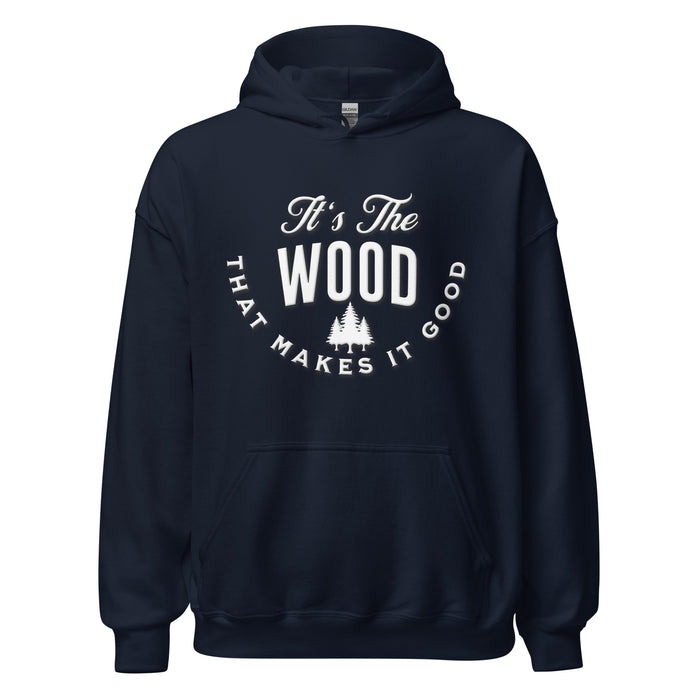
Some people like a bold logo; others prefer a more subtle look. High-quality prints or embroidery last longer and look better over time. Cheap prints can crack or peel after washing.
Extra Features
- Thumbholes: Keep sleeves in place and your hands warmer.
- Hidden media pockets: For headphones or small gadgets.
- Reflective strips: Useful for those who run or cycle at night.
Example:
A hoodie with a lined hood, reinforced pockets, and subtle branding will often look stylish longer than trendy, fast-fashion designs.

Credit: www.youtube.com
Warmth And Weather Protection
A good hoodie should keep you comfortable in different weather conditions.
Insulation
Fleece-lined hoodies and heavier fabrics offer more warmth. Some hoodies use thermal linings or extra layers to trap heat. If you need a hoodie for winter, look for those with thick materials.
Wind And Water Resistance
Some modern hoodies have a water-repellent finish or wind-blocking layers. These are great for outdoor activities or unpredictable weather. However, most standard hoodies are not fully waterproof.
Breathability
If you’ll wear your hoodie for sports or in mild weather, breathability matters. French terry and thinner cotton blends let air circulate, keeping you cool.
Non-obvious Insight:
A hoodie’s ability to keep you warm isn’t just about thickness; the weave tightness also plays a big role. Tightly woven fabrics block wind better.
Durability And Longevity
No one wants a hoodie that falls apart after a few washes. Certain factors can help you judge how long your hoodie will last.
Fabric Blend
As mentioned earlier, cotton-polyester blends tend to last longer and hold their shape better than pure cotton. Pure cotton can shrink or stretch if not cared for properly.
Stitch Quality
Look at the inside of the hoodie. Well-made hoodies have neat, even stitching. Loose threads or messy seams are a warning sign.
Pilling
Some hoodies develop small fabric balls, called pills, after washing. Higher quality fabrics and blends pill less. Turning the hoodie inside out before washing also helps.
Color Fading
Cheap dyes can fade quickly. Good hoodies use better dyeing processes, so the color stays true even after many washes.
Hardware Quality
If your hoodie has a zipper, make sure it’s sturdy. Metal zippers last longer, but a well-made plastic zipper can also work well.
Practical Tip:
Ask for care instructions when buying. Some hoodies need special washing or drying to keep their shape and color.
Credit: craftedelements.com
Brand Reputation And Price
Sometimes, you get what you pay for. But price isn’t always a guarantee of quality.
Trusted Brands
Famous brands often use better materials and stricter quality control. However, some smaller brands focus on craftsmanship and offer great value.
Price Vs. Value
Expensive hoodies sometimes cost more because of branding, not quality. Look for clear signs of quality (fabric, construction, reviews) before paying a premium.
Ethical Production
Some brands use fair labor practices and sustainable materials. If these matter to you, check the brand’s website or ask in-store.
Example:
A mid-priced hoodie from a trusted brand can outperform a much more expensive designer hoodie if the construction and materials are better.
| Feature | Budget Hoodie | Premium Hoodie |
|---|---|---|
| Fabric | Basic cotton/poly | Combed cotton, specialty blends |
| Stitching | Single-stitched | Double-stitched, reinforced seams |
| Durability | Fades/pills quickly | Holds shape and color |
| Brand Ethics | Unknown | Often transparent |
Non-obvious Insight:
Some high-quality hoodies are made by lesser-known brands that focus on sustainability or ethical production—do some research before buying.
Care And Maintenance
Taking care of your hoodie helps it last longer and look better.
Washing
- Wash hoodies in cold water to prevent shrinking and fading.
- Turn them inside out to protect the outer fabric and any prints or embroidery.
- Use a gentle detergent to keep colors bright.
Drying
- Air dry your hoodie if possible. Machine drying can shrink cotton and damage prints.
- If you use a dryer, choose a low-heat setting.
Ironing
Most hoodies don’t need ironing. If yours is wrinkled, use a low-heat iron and place a cloth over any prints to avoid melting them.
Storage
Hang your hoodie to keep its shape. Folding is fine, but don’t stuff it tightly, or you might cause wrinkles or creases.
Non-obvious Insight:
Never use bleach on hoodies, even on white ones. Bleach weakens fabric fibers and can cause yellowing over time.
Sustainability And Environmental Impact
As more people think about their impact on the planet, hoodie materials and production methods are changing.
Organic And Recycled Fabrics
Some brands now use organic cotton, which is grown without harmful chemicals. Others use recycled polyester made from plastic bottles. These options are better for the environment and often just as comfortable.
Certifications
Look for certifications like GOTS (Global Organic Textile Standard) or Fair Trade to ensure your hoodie was made with care for people and planet.
Minimal Waste
Some companies design hoodies to reduce fabric waste or use biodegradable packaging.
Practical Tip:
A sustainable hoodie might cost more upfront but usually lasts longer and feels better, making it a smart investment.
For more information on sustainable textiles, you can check the Wikipedia page on sustainable textiles.
How To Choose The Right Hoodie For Your Needs
With so many options, it’s easy to feel overwhelmed. Focus on what matters most for you.
For Everyday Wear
Choose a regular fit, mid-weight cotton or cotton-blend hoodie in a neutral color. It will match most outfits and stay comfortable all day.
For Sports Or Outdoor Activities
Look for a lightweight, moisture-wicking fabric like French terry or a technical polyester blend. Features like thumbholes, zip pockets, and reflective strips are useful.
For Cold Weather
Pick a heavier hoodie with fleece or thermal lining. A double-lined hood and ribbed cuffs will keep out the cold.
For Fashion
Go for unique designs, colors, or premium materials. Embroidery, special prints, or unusual pocket placements can make your hoodie stand out.
Non-obvious Insight:
If you want a hoodie for layering, size up to fit over other clothes. For a more tailored look, stick to your usual size.
Common Mistakes To Avoid
Even smart shoppers make mistakes. Watch out for these common pitfalls.
1. Ignoring Fabric Content:
Don’t buy just by look or brand—always check the label for fabric blend and weight.
2. Choosing Style Over Comfort:
A trendy hoodie might look good but feel stiff or itchy. Comfort should come first.
3. Not Checking Reviews:
Other buyers can reveal problems, like zippers breaking or fabric pilling, that aren’t clear in the store.
4. Forgetting About Care:
If you hate hand washing or line drying, avoid hoodies that need special care.
5. Falling For Hype:
Expensive doesn’t always mean better. Look for real quality, not just a famous logo.
Frequently Asked Questions
What Is The Best Fabric For A Hoodie?
The best fabric depends on your needs. 100% cotton is soft and breathable, great for daily wear. Cotton-polyester blends are more durable and keep their shape better. For warmth, look for a fleece lining. If you want something lightweight, try French terry.
How Can I Tell If A Hoodie Is Good Quality?
Check the seams and stitching—they should be even and strong. The fabric should feel thick and smooth, not thin or rough. Try stretching the cuffs and hem to see if they bounce back. High-quality hoodies often have double stitching, reinforced pockets, and sturdy zippers or drawstrings.
Will My Hoodie Shrink After Washing?
Most cotton hoodies can shrink, especially if washed in hot water or dried on high heat. To avoid shrinking, wash in cold water and air dry or use a low-heat setting. Always read the care label before washing.
Are Expensive Hoodies Always Better?
Not always. Price can reflect branding, not just quality. Some mid-priced or lesser-known brands use excellent materials and construction. Look for real quality signs—good fabric, neat stitching, and positive reviews—before spending more.
How Do I Keep My Hoodie Looking New?
Wash inside out, in cold water, and on a gentle cycle. Avoid bleach and high heat when drying. Hang or fold your hoodie neatly, and don’t iron directly on prints or logos. Proper care helps your hoodie last longer and stay looking good.
A good hoodie is much more than just a basic layer. By focusing on fabric, construction, fit, and care, you can find a hoodie that keeps you comfortable, looks great, and lasts for years. Pay attention to small details, avoid common mistakes, and choose what fits your style and needs.
With this knowledge, you’re ready to pick a hoodie that’s truly worth wearing every day.
